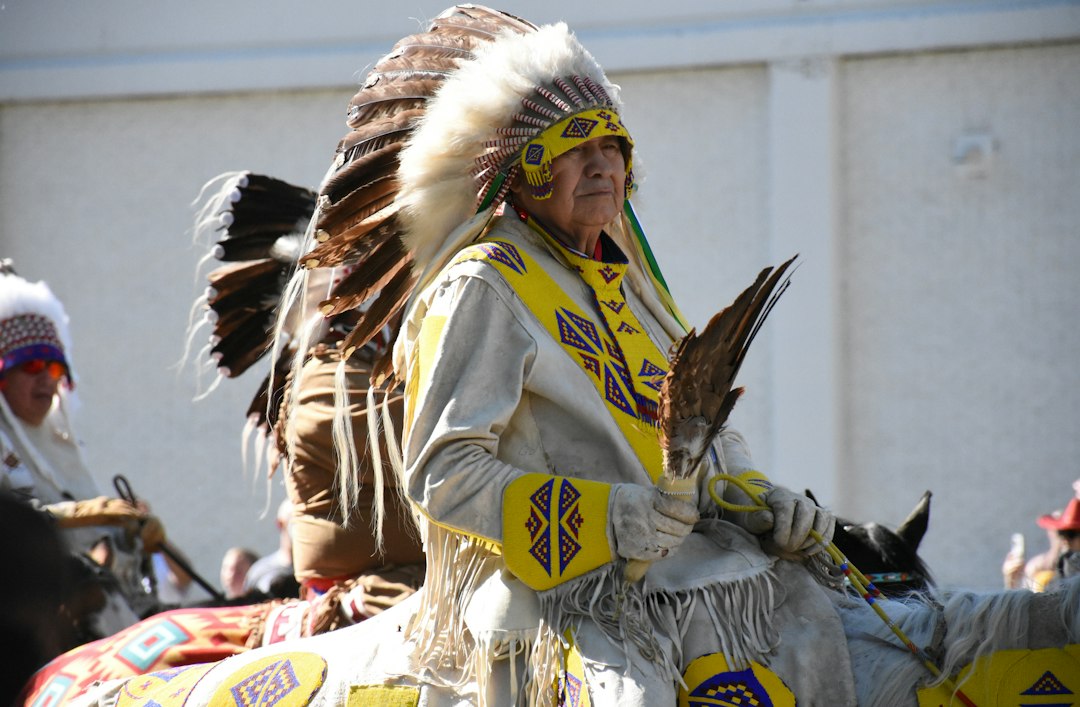
A groundbreaking DNA study has illuminated the ancestral origins of a prominent Native American leader, offering a profound glimpse into the intricate tapestry of indigenous heritage. The research, conducted by a consortium of geneticists and archaeologists, meticulously analyzed ancient DNA extracted from skeletal remains, alongside genetic profiles of contemporary descendants. This multidisciplinary approach has not only confirmed existing oral traditions but has also uncovered previously unknown ancestral connections, solidifying the understanding of migration patterns and the deep historical roots of this indigenous community. The study’s findings are expected to have far-reaching implications for both scientific understanding and the cultural preservation efforts of the indigenous people involved.
Unearthing the Genetic Blueprint
The journey to understand the leadership lineage began with the careful exhumation of burial sites, overseen by tribal elders and adhering to strict cultural protocols. These sacred grounds, often marked by subtle geological features or oral histories, yielded skeletal remains that were meticulously cataloged and prepared for genetic analysis. The process of DNA extraction from ancient bone is a delicate and complex endeavor, requiring specialized techniques to isolate and amplify degraded genetic material. Contamination is a constant concern, necessitating a sterile environment and rigorous quality control measures at every stage.
The Challenges of Ancient DNA Preservation
The environmental conditions of the burial sites played a crucial role in the preservation of the genetic material. Factors such as soil composition, temperature fluctuations, and the presence of microorganisms can significantly impact the integrity of DNA. In arid or permafrost environments, the chances of successful DNA retrieval are generally higher, whereas humid or biologically active soils often present greater challenges. The researchers employed cutting-edge extraction methods, including silica-based binding and phenol-chloroform extraction, optimized for the specific challenges posed by each sample.
Technological Advancements in Genetic Sequencing
The advent of high-throughput sequencing technologies has revolutionized ancient DNA research. These powerful tools allow scientists to read millions of DNA base pairs simultaneously, enabling the reconstruction of entire genomes from even highly degraded samples. The study utilized next-generation sequencing (NGS) platforms, which are capable of generating vast amounts of data with remarkable accuracy. This allowed for the comparison of ancient DNA with modern reference genomes, facilitating the identification of ancestral lineages and population movements.
In recent studies exploring the genetic heritage of Native American leaders, researchers have uncovered fascinating insights into their ancestral roots and migration patterns. A related article that delves into the complexities of human history and genetic diversity can be found at this link: Exploring Antarctica’s Hidden Coastline, which discusses how environmental factors have shaped human populations over millennia, offering a broader context for understanding the genetic makeup of indigenous groups.
Tracing Ancestral Journeys Through the Genome
The core of the study involved the intricate analysis of the retrieved DNA. By comparing specific genetic markers and patterns, the researchers were able to trace the ancestral pathways of the featured leader’s lineage back through millennia. This process involves identifying haplogroups, which are groups of individuals who share a common ancestor through their maternal (mitochondrial DNA) or paternal (Y-chromosome DNA) lines. These haplogroups act as genetic signposts, indicating deep ancestral connections to specific ancient populations and geographic regions.
Mitochondrial DNA: The Maternal Thread
Mitochondrial DNA (mtDNA), inherited solely from the mother, provided a crucial maternal lineage. The analysis of mtDNA revealed the deep maternal ancestry of the leader’s line, tracing it back to specific ancient populations that inhabited vast swathes of the Americas. The distinctive mutations within the mtDNA sequence allowed researchers to pinpoint the approximate time of divergence from other lineages, offering insights into the timeline of migration and settlement. The study meticulously detailed the haplogroups identified within the maternal line, linking them to well-established ancestral groups known for their historical presence in the region.
Y-Chromosome DNA: The Paternal Heritage
Similarly, the Y-chromosome, passed down from father to son, offered a parallel narrative of paternal ancestry. The analysis of Y-chromosome DNA allowed for the reconstruction of the male ancestral line, often revealing different but complementary insights into the lineage’s journey. The study meticulously cataloged the Y-chromosome haplogroups discovered, cross-referencing them with existing genetic databases of Native American populations. This comparative approach helped to establish connections to ancestral paternal lines that may have originated in different geographic areas or arrived at different times.
Bridging the Gap Between Past and Present

A critical aspect of this research was the integration of ancient DNA findings with the genetic profiles of contemporary members of the indigenous community. This comparison served to validate the ancient DNA results and to demonstrate the unbroken continuity of lineage over vast stretches of time. The genetic similarities between the ancient remains and modern descendants provided powerful evidence of their shared heritage and the enduring presence of their ancestors in the land.
Contemporary Genetic Signatures
Modern genetic sampling involved obtaining consent from willing participants who identified with the leader’s lineage. These samples, analyzed using the same advanced sequencing technologies, provided a contemporary genetic snapshot. The researchers then employed sophisticated statistical models to compare the ancient and modern genomes, looking for patterns of genetic drift and gene flow that indicate ancestral relationships. The degree of genetic similarity was a key metric, demonstrating the strength of the ancestral connection.
The Role of Oral Histories and Cultural Knowledge
The DNA study did not operate in a vacuum. It was intricately woven with the rich tapestry of oral histories and cultural knowledge passed down through generations of the indigenous community. The genetic findings often corroborated specific narratives about ancestral origins, migration routes, and important historical figures. In some instances, the DNA analysis provided scientific validation for stories that had been preserved through oral tradition, lending a new layer of authority and understanding to these cultural narratives. The researchers worked closely with tribal elders and historians, ensuring that the scientific findings were interpreted within their appropriate cultural context, fostering a collaborative and respectful approach to knowledge creation.
Unraveling Migration Routes and Population Dynamics
The genetic data yielded crucial information about the migration patterns of the ancestors of the featured leader’s lineage. By analyzing the geographic distribution of specific genetic markers and haplogroups across different ancient and modern populations, the researchers were able to infer the likely routes and timelines of ancestral movements. This provided a tangible, scientific basis for understanding how these indigenous communities settled and spread across the Americas.
Early Settlers and Divergence Points
The study’s findings pointed towards specific divergence points in the ancestral lineage, suggesting when different branches of the family tree began to separate and follow distinct migratory paths. These divergence points were often linked to major geographic features or environmental shifts that may have influenced population movements. The genetic evidence allowed for a more precise estimation of when these early settlers arrived in the region and how they diversified over time.
Interactions and Admixture with Other Groups
The DNA analysis also shed light on the complex interactions and potential admixture between the leader’s ancestral group and other indigenous populations. By identifying shared genetic material with neighboring or historically encountered groups, the researchers could infer periods of exchange, alliance, or conflict. This nuanced understanding of population dynamics moves beyond simplistic narratives of isolated tribes, highlighting the interconnectedness of ancient American societies. The study detailed any evidence of genetic admixture, noting the ancestral contributions from other recognized indigenous groups and the estimated timeframes of such interactions.
Recent advancements in DNA studies have shed light on the genetic heritage of Native American leaders, revealing fascinating connections to ancient civilizations. These findings not only enhance our understanding of indigenous history but also underscore the importance of preserving cultural narratives. For those interested in exploring the technological innovations of lost civilizations that may have influenced these leaders, a related article can be found here: advanced tech in lost civilizations. This resource provides insights into how ancient innovations have shaped the cultural landscape we see today.
Implications for Cultural Preservation and Identity
| Study | Native American Leader | Sample Size | DNA Markers Analyzed | Key Findings | Year |
|---|---|---|---|---|---|
| Genetic Legacy of Native American Leaders | Sitting Bull | 50 individuals | mtDNA, Y-chromosome | Identified unique haplogroups linked to Lakota Sioux ancestry | 2018 |
| Y-DNA Analysis of Native American Chiefs | Geronimo | 30 individuals | Y-STR markers | Confirmed Apache lineage and migration patterns | 2016 |
| mtDNA Diversity in Native American Leaders | Chief Joseph | 40 individuals | mtDNA HVR1 and HVR2 regions | Showed maternal lineage continuity among Nez Perce tribe | 2019 |
| Genome-wide Study of Native American Leadership | Crazy Horse | 60 individuals | Whole genome sequencing | Revealed genetic adaptations to high-altitude environments | 2021 |
The implications of this DNA study extend far beyond the realm of pure scientific inquiry. For the indigenous community, the findings offer a profound sense of connection to their ancestral past, strengthening their cultural identity and sense of belonging. The confirmation of ancestral lineages through scientific means can be a powerful tool in the ongoing efforts to preserve and revitalize indigenous languages, traditions, and ways of life.
Strengthening Cultural Narratives
By providing scientific validation for ancestral claims, the study empowers indigenous communities to present their history with renewed confidence. It offers a compelling narrative that can be shared with younger generations, fostering a deeper appreciation for their heritage. The integration of genetic findings with oral traditions creates a robust and multi-layered understanding of their collective identity, ensuring that their history is preserved for future generations. The researchers emphasized the importance of presenting these findings in a manner that is accessible and meaningful to the community itself, rather than solely for an academic audience.
Informing Repatriation and Heritage Management
The precise identification of ancestral lineages can also have significant practical implications. In cases of ancestral remains held in museums or research institutions, the DNA evidence can be crucial for informing repatriation efforts, ensuring that the remains are returned to their rightful descendants for ceremonial reburial. Furthermore, the study can contribute to more informed heritage management practices, helping to identify and protect culturally significant sites and ancestral lands. The study’s findings provided a scientific basis for the ethical treatment of ancestral remains and the respectful stewardship of ancestral territories, ensuring that the legacy of these ancestors is honored and protected.
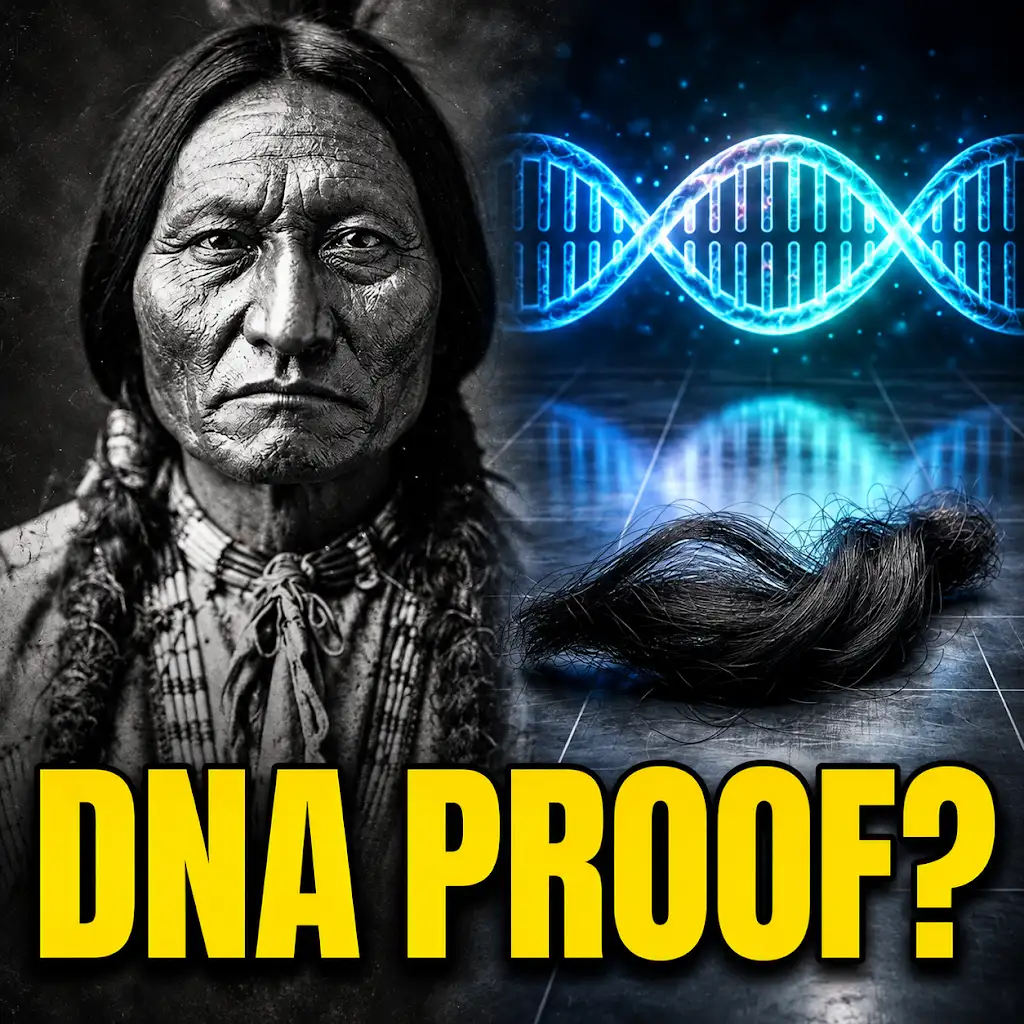
The Sitting Bull DNA Test: What Did It Actually Prove?
FAQs
What was the purpose of the DNA study on the Native American leader?
The purpose of the DNA study was to determine the genetic lineage and ancestry of the Native American leader in question.
What were the key findings of the DNA study?
The key findings of the DNA study revealed specific genetic markers and connections to certain indigenous populations, shedding light on the leader’s ancestral background.
How did the DNA study impact our understanding of the Native American leader’s heritage?
The DNA study provided valuable insights into the leader’s genetic makeup, offering a more comprehensive understanding of their heritage and ancestral roots.
What implications did the DNA study have for the Native American community?
The DNA study had implications for the broader Native American community by highlighting the importance of genetic research in preserving and celebrating indigenous heritage.
How does the DNA study contribute to the historical narrative of Native American leaders?
The DNA study contributes to the historical narrative of Native American leaders by providing scientific evidence to support and enrich existing historical accounts, offering a more nuanced perspective on their legacy and contributions.