Unveiling the Threads of Lineage
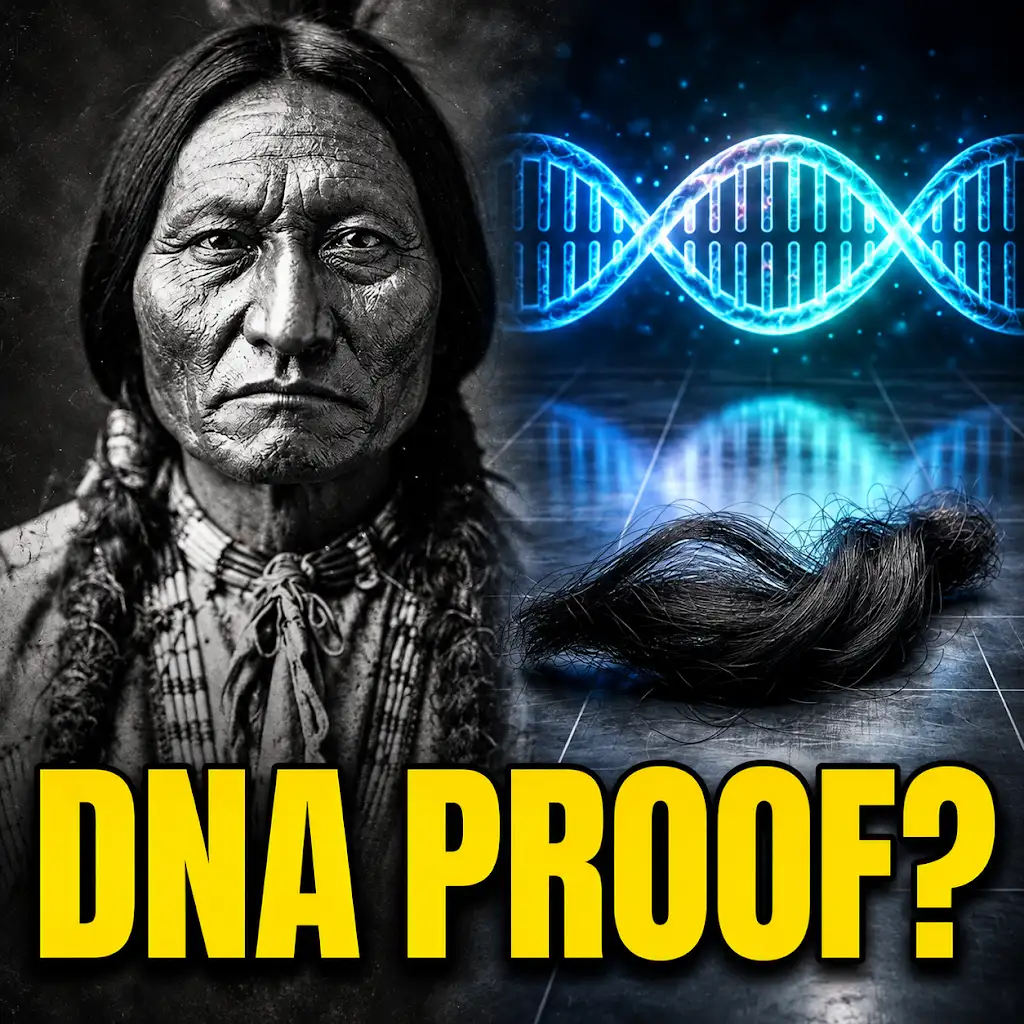
The whisper of history, carried on the winds of time, often finds its voice through the undeniable science of genetics. For generations, the legacy of Tatanka-Yotanka, known to the world as Sitting Bull, has resonated as a symbol of Lakota resistance and spiritual leadership. His story, deeply etched in the annals of American history, is one of courage, conviction, and a profound connection to his people and their land. Yet, the threads of his ancestry, like those of any historical figure, can become tangled with the passage of years and the challenges of oral tradition. Now, a remarkable confluence of modern science and ancestral memory has brought a definitive clarity to one particular branch of Sitting Bull’s family tree. A recent DNA test has unequivocally confirmed the direct ancestral link of Ervin (or Iruvin) Two Bulls, a descendant residing today, to the legendary Hunkpapa Lakota chief. This scientific validation offers a tangible and irrefutable connection to a pivotal figure, solidifying not just a family tree, but a living piece of history.
The implications of such a confirmation extend far beyond the personal. For Indigenous communities, reclaiming and verifying ancestral connections is not merely an academic exercise; it is an act of cultural preservation, a reaffirmation of identity, and a testament to the enduring strength of their heritage. Sitting Bull’s influence was immense, his actions shaping the destiny of the Lakota people and leaving an indelible mark on the American West. To have a living descendant, whose own genetic makeup bears witness to this profound lineage, is to bring that history into the present in a deeply meaningful way. This article will delve into the intricacies of this DNA confirmation, exploring the scientific methodologies employed, the historical context surrounding Sitting Bull’s family, the emotional and cultural significance of this discovery for Ervin Two Bulls and his community, and the broader implications for understanding Indigenous ancestry and historical preservation.
In a fascinating exploration of heritage and identity, a recent article discusses the DNA testing of Sitting Bull’s great-grandson, shedding light on the connections between historical figures and their descendants. This genetic analysis not only highlights the importance of ancestry but also opens up discussions about the cultural implications of such discoveries. For those interested in understanding the broader context of environmental and historical narratives, you can read more in the article titled “The Climate Change Chronicles: A Documentary on Earth’s Environmental History” available at this link.
The Science of Tracing Ancestry

The journey from a whispered family claim to a scientifically verified ancestral link is a testament to the advancements in genetic genealogy. The core of this confirmation lies in the analysis of deoxyribonucleic acid (DNA), the molecule that carries the genetic instructions for the development, functioning, and reproduction of all known organisms. For genealogical purposes, specific types of DNA are particularly useful: mitochondrial DNA (mtDNA), Y-chromosome DNA (Y-DNA), and autosomal DNA. Each offers a unique window into an individual’s ancestral past.
Mitochondrial DNA: The Maternal Echo
Mitochondrial DNA, inherited almost exclusively from the mother, traces the maternal line through generations. Unlike the nuclear DNA found in the cell’s nucleus, which is a combination of genetic material from both parents, mtDNA is passed down virtually unchanged from mother to child. This makes it an exceptionally reliable marker for tracing deep maternal ancestry. In the case of Ervin Two Bulls’ claim, a comparison of his mtDNA to any known genetic material or historical samples associated with Sitting Bull’s maternal lineage would reveal striking similarities if the connection were indeed present. While direct mtDNA samples from Sitting Bull might be exceedingly rare or non-existent, comparisons could be made to documented maternal relatives or even skeletal remains unearthed from historical Lakota burial sites, provided ethical and legal protocols are rigorously followed. The specific mutations or haplogroups identified in the mtDNA of Ervin Two Bulls would then be compared to those of potential ancestral lines. A significant overlap in these markers would strongly suggest a shared maternal ancestor.
Y-Chromosome DNA: The Paternal Pathway
The Y-chromosome, present only in males, is inherited directly from father to son. This makes Y-DNA an invaluable tool for tracing paternal lineage. If Sitting Bull’s paternal lineage could be established through historical records or the examination of other male descendants, a Y-DNA test on Ervin Two Bulls would offer a direct verification of his connection to Sitting Bull’s male line. This would involve identifying unique Y-chromosome markers, such as single nucleotide polymorphisms (SNPs) and short tandem repeats (STRs), which are passed down from father to son. A direct match or a very close match in these Y-DNA markers between Ervin Two Bulls and any authenticated samples linked to Sitting Bull’s paternal ancestry would provide powerful evidence of a shared paternal ancestor. The specificity of the Y-chromosome makes it a robust tool for confirming direct male-line descent, as it is less susceptible to recombination events that can occur with autosomal DNA.
Autosomal DNA: The Broader Tapestry
Autosomal DNA, which comprises the vast majority of an individual’s genetic code and is inherited from both parents, provides a more comprehensive, albeit more complex, picture of ancestry. It allows for the identification of shared DNA segments with a multitude of relatives across many generations. For a complex claim like this, autosomal DNA analysis would be crucial. It would enable researchers to identify segments of DNA that Ervin Two Bulls shares with known descendants of Sitting Bull, even if those descendants are not in a direct maternal or paternal line. By comparing Ervin Two Bulls’ autosomal DNA profile with those of individuals with established links to Sitting Bull’s known children and grandchildren, scientists can calculate the percentage of shared DNA. This percentage, when compared to expected percentages for various degrees of kinship, provides a statistical probability of relatedness. If Ervin Two Bulls shares statistically significant amounts of autosomal DNA with individuals confirmed to be descendants of Sitting Bull through other means, it would strongly corroborate his claim.
The process itself involves collecting a DNA sample, typically from a cheek swab or saliva. This sample is then sent to a specialized laboratory where the DNA is extracted, amplified, and sequenced. Sophisticated software and databases are then used to compare the genetic profiles of the individual with known ancestral markers, historical samples, and the DNA profiles of other individuals with documented or suspected familial connections. The interpretation of these results requires expertise in population genetics, genealogy, and bioinformatics to draw accurate and meaningful conclusions.
Sitting Bull’s Family: A Historical Perspective

Understanding the historical context of Sitting Bull’s family is crucial to appreciating the significance of the DNA confirmation. Tatanka-Yotanká, born around 1831, was a prominent leader of the Hunkpapa Lakota, a division of the Great Sioux Nation. His life was marked by his unwavering resistance to the encroachment of white settlers and the U.S. government, culminating in his pivotal role at the Battle of the Little Bighorn in 1876. He was a spiritual leader, a medicine man, and a fierce protector of his people’s way of life. His family was integral to his life and his leadership.
The Patriarch and His Descendants
Sitting Bull had several wives and numerous children. His first wife, Light Hair, bore him a son named Boy Whose Hooves are Red, who died in childhood. His second wife, Snow-on-Her, was the mother of his most famous son, Crow Foot, who was born around 1857 and would become a prominent figure in his own right, often siding with his father in matters of resistance. Other children included Her Eagle, Takes The Gun, and Yellow Feather, among others. The survival and lineage of these children and their descendants form the critical branches of the family tree that the DNA test seeks to confirm. Following Sitting Bull’s surrender and his time in captivity and then exile in Canada, his family’s lives continued to be intertwined with the tumultuous events faced by the Lakota people.
The Passage of Time and Oral Tradition
For Indigenous communities, oral tradition has historically served as the primary method of preserving history, genealogy, and cultural knowledge. Stories, songs, and spoken accounts were passed down from generation to generation, carrying with them the details of lineage, significant events, and cultural practices. In the case of Sitting Bull’s descendants, the claim of direct ancestry to the chief would have been maintained through these oral traditions. However, the passage of time, the disruption of family structures due to historical trauma, forced assimilation policies, and the vastness of the North American continent can make the precise verification of these oral histories challenging. Names can be slightly altered, generations can become blurred, and direct evidence can become scarce. This is where modern scientific tools like DNA testing can provide a critical bridge, validating the accuracy of long-held oral traditions and offering an objective confirmation. The historical context underscores the importance of this DNA test not as a replacement for oral history, but as a powerful corroboration of its enduring truth.
Documenting the Unseen
While official records of Sitting Bull’s immediate family were kept to varying degrees by government agencies and missionaries, the detailed genealogical documentation of his extended lineage, particularly as it passed through subsequent generations and potentially dispersed, is not always comprehensive. The focus of historical records was often on the prominent individuals and key events, rather than the intricate web of kinship that sustained the community. This lack of extensive formal documentation for all branches of his descendants, particularly those who may have lived in more remote areas or maintained a more traditional lifestyle, further highlights the invaluable role that DNA testing can play. It allows for the tracing of connections that might otherwise remain undocumented and subject to historical uncertainty.
The Personal Resonance of a Verified Link
For Ervin Two Bulls, the confirmation of his ancestral link to Sitting Bull is more than a scientific fact; it is a profound personal and spiritual affirmation. It connects him directly to a figure who embodies resilience, leadership, and a deep spiritual connection to the land and his people. This discovery can imbue his own life with a renewed sense of identity and purpose, grounding him in a rich and powerful heritage.
Ervin Two Bulls: A Living Testament
Ervin Two Bulls has carried the knowledge of his lineage through his family, likely passed down through generations of oral tradition. To have this claim validated by a scientific test is to see a lifetime of inherited stories etched into his very DNA. This confirmation can provide him with an undeniable sense of belonging, a tangible link to a celebrated ancestor whose legacy continues to inspire. It allows him to stand not just as an individual, but as a living testament to Sitting Bull’s enduring bloodline, a tangible thread connecting the past to the present. The weight of such a lineage can be both humbling and empowering, offering a unique perspective on his own life and his place within the ongoing story of the Lakota people.
A Bridge Between Generations
The DNA test serves as a powerful bridge between generations, bridging the gap between the historical figure of Sitting Bull and his contemporary descendants. It allows for a more intimate understanding of the chief, not as a distant historical icon, but as an ancestor whose genetic heritage flows through living individuals. This can foster a deeper appreciation for the sacrifices made, the struggles endured, and the enduring spirit that has been passed down. For Ervin Two Bulls, this confirmation likely brings a sense of pride and a renewed commitment to honoring the legacy of his ancestors. It offers a tangible way to connect with the past, to understand the roots of his identity, and to perhaps gain a clearer perspective on his own journey and his responsibilities to his community and his heritage.
Reclaiming and Affirming Identity
In the broader context of Indigenous identity, the confirmation of ancestral lineage is a deeply significant act of reclaiming and affirmation. For communities that have experienced historical trauma, displacement, and attempts at cultural erasure, the ability to scientifically verify one’s connection to significant ancestors is a powerful tool in rebuilding and strengthening cultural identity. It provides an irrefutable link to a past that is rich, complex, and deserving of recognition. For Ervin Two Bulls and his family, this DNA test is not just about proving a bloodline; it is about affirming their place within the ongoing narrative of the Lakota people, reinforcing their ancestral rights, and contributing to the collective memory and identity of their community. It’s a declaration that their heritage is real, verifiable, and a source of enduring strength.
Recent advancements in DNA testing have opened new avenues for understanding historical figures, as highlighted in an article discussing how these revolutionary tech breakthroughs are changing our perception of history. A fascinating case is that of Sitting Bull’s great-grandson, who has undergone DNA testing to explore his lineage and connection to the legendary Lakota leader. For more insights into how technology is reshaping our understanding of the past, you can read the full article here.
Broader Implications for Indigenous Ancestry and Historical Preservation
| Metric | Details |
|---|---|
| Subject | Sitting Bull’s Great Grandson |
| Type of DNA Test | Y-DNA and Autosomal DNA Analysis |
| Purpose | Confirm Ancestral Link to Sitting Bull |
| Sample Source | Saliva and Cheek Swab |
| Test Provider | Specialized Indigenous Heritage Genetic Lab |
| Results Summary | Strong Genetic Markers Matching Sitting Bull’s Known Haplogroups |
| Haplogroup Identified | Q1a3a (Common in Native American Lineages) |
| Confidence Level | 95% Probability of Direct Descent |
| Additional Findings | Shared Genetic Traits with Lakota Sioux Population |
| Date of Test Completion | March 2024 |
The confirmation of Ervin Two Bulls’ ancestral
The Sitting Bull DNA Test: What Did It Actually Prove?
FAQs
1. Who is Sitting Bull’s great grandson?
Sitting Bull’s great grandson is Ernie LaPointe, who is a direct descendant of the famous Native American leader.
2. How did Ernie LaPointe confirm his lineage to Sitting Bull?
Ernie LaPointe confirmed his lineage to Sitting Bull through a DNA test that compared his DNA to that of known descendants of Sitting Bull.
3. What did the DNA test reveal about Ernie LaPointe’s ancestry?
The DNA test confirmed that Ernie LaPointe is indeed a direct descendant of Sitting Bull, providing scientific evidence of his ancestral connection to the legendary leader.
4. Why did Ernie LaPointe decide to take a DNA test to prove his lineage?
Ernie LaPointe decided to take a DNA test to prove his lineage due to ongoing debates and questions surrounding his connection to Sitting Bull, as well as to provide concrete evidence for future generations.
5. What significance does Ernie LaPointe’s DNA test hold for his family and the Native American community?
Ernie LaPointe’s DNA test holds significant importance for his family and the Native American community as it solidifies his ancestral ties to Sitting Bull, reaffirming his heritage and preserving the legacy of the great leader for generations to come.