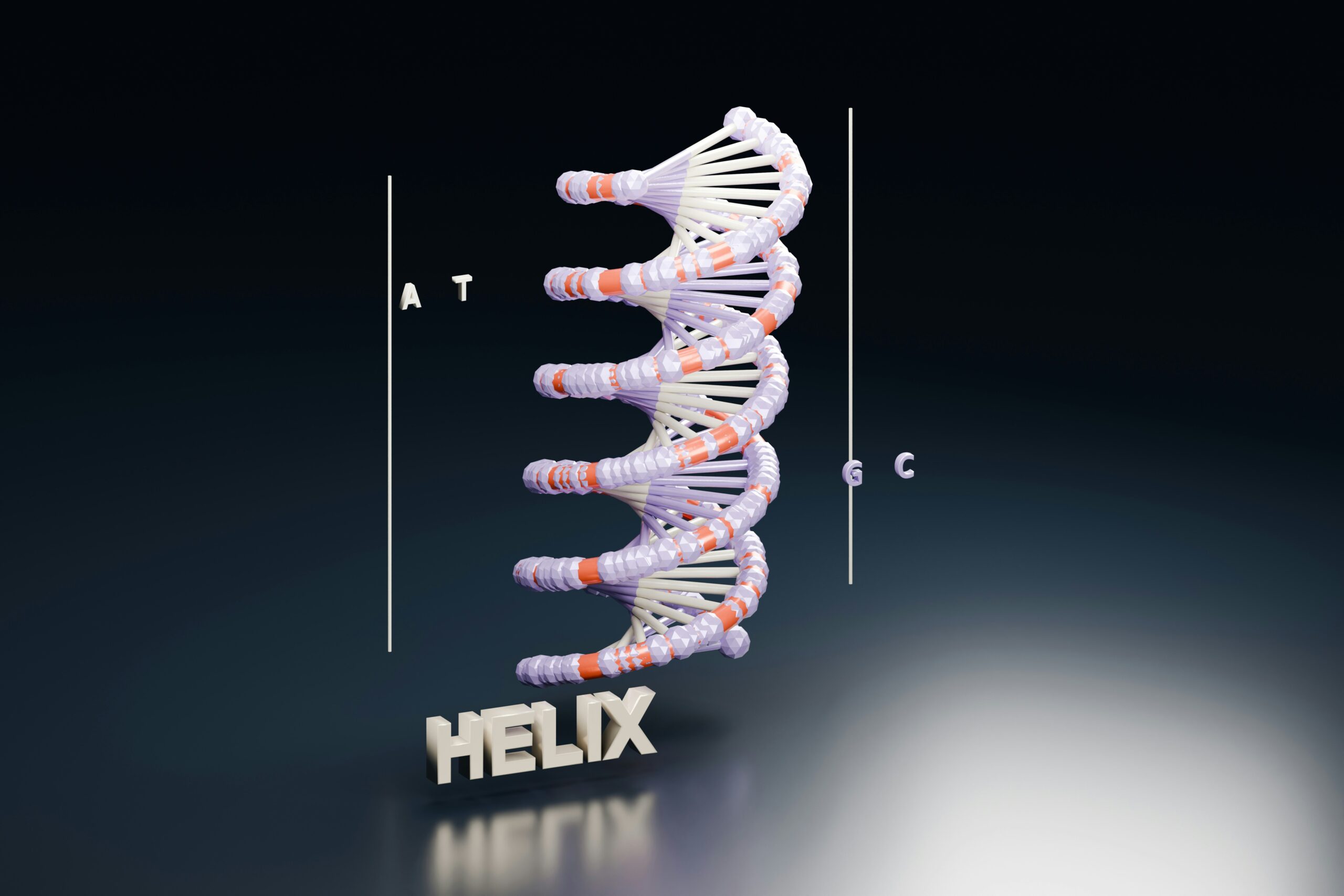
The landscape of ancestry and lineage is undergoing a profound transformation, moving beyond oral histories and faded documents to embrace the precision of modern science. DNA testing for verifying descendant claims has emerged as a powerful and increasingly accessible tool, offering individuals concrete evidence to support or refute their genealogical assertions. This scientific approach provides a level of certainty that traditional methods often struggle to achieve, opening new avenues for understanding personal heritage and family connections.
Unraveling the Genetic Tapestry
At its core, DNA testing for descendant claims relies on the inherent biological blueprint that every individual possesses. This blueprint, encoded within deoxyribonucleic acid (DNA), contains vast amounts of information about an individual’s ancestry, passed down through generations. The process involves collecting a biological sample, typically from saliva or a cheek swab, which is then analyzed in a specialized laboratory. This analysis focuses on specific regions of the DNA, such as mitochondrial DNA (mtDNA) and Y-chromosome DNA (Y-DNA) for tracing maternal and paternal lines respectively, or autosomal DNA (atDNA) which examines a broader spectrum of ancestry from all relatives.
The Science Behind the Certainty
The power of DNA testing lies in its ability to compare genetic markers between individuals. By analyzing these unique patterns, scientists can determine the probability of a biological relationship. For instance, when verifying a descendant claim, a direct descendant’s DNA will share a significant portion of its genetic material with their purported ancestor, assuming the ancestor’s DNA is available for comparison or can be inferred from close relatives. This comparison isn’t just about finding a match; it’s about quantifying the degree of genetic overlap, which directly translates to the likelihood of a familial link.
The technologies employed in DNA testing are sophisticated and constantly evolving. Polymerase Chain Reaction (PCR) is a fundamental technique used to amplify small amounts of DNA, making it possible to analyze even degraded samples. Next-generation sequencing (NGS) allows for rapid and comprehensive analysis of DNA, identifying variations at a high resolution. These advancements have made DNA testing more accurate, affordable, and accessible to the general public. The interpretation of these genetic results requires expertise in population genetics, statistical analysis, and bioinformatics, ensuring that the findings are both reliable and meaningful.
Different Types of DNA Tests and Their Applications
The choice of DNA test depends on the specific nature of the descendant claim being investigated. Mitochondrial DNA (mtDNA) testing traces lineage exclusively through the maternal line. Since mitochondria are inherited from the mother, a direct maternal descendant will share the same mtDNA sequence as their mother, grandmother, great-grandmother, and so on, all the way back to the original maternal ancestor. This makes mtDNA particularly useful for verifying claims of descent from a specific maternal lineage, especially when documentary evidence is scarce for very distant ancestors. However, mtDNA does not provide information about paternal lineage or the broader genetic makeup of an individual.
Y-chromosome DNA (Y-DNA) testing, conversely, traces lineage exclusively through the paternal line. The Y chromosome is passed down from father to son, meaning that a direct paternal descendant will inherit the same Y-chromosome from their father, grandfather, great-grandfather, and so forth. Y-DNA testing is invaluable for verifying claims of descent from a specific paternal ancestor, and it can also be used to identify paternal relatives who may not be aware of their shared ancestry. Like mtDNA, Y-DNA testing provides a narrow view of ancestry, focusing solely on one direct line.
Autosomal DNA (atDNA) testing offers a more comprehensive picture of ancestry. Autosomal DNA is inherited from all of an individual’s ancestors, both paternal and maternal, across all generations. This type of testing can identify relatives across many branches of the family tree, up to approximately 5-7 generations. For verifying descendant claims, atDNA testing is particularly powerful when combined with family tree research. If a claimant asserts descent from a particular individual, atDNA testing can reveal shared DNA segments with other individuals who are known to be descended from that same ancestor, or with potential collateral relatives whose DNA might confirm the shared lineage. The amount of shared DNA can be used to estimate the degree of relationship, providing strong evidence for or against a descendant claim.
DNA testing has become an essential tool for individuals seeking to establish descendant claims, providing a scientific basis for lineage verification. For those interested in exploring the broader implications of ancestry and historical connections, a related article discusses the fascinating topic of ancient water management systems and their impact on civilization. You can read more about this intriguing subject by visiting this article.
The Process of Verification: From Sample to Statement
The journey from a simple DNA sample to a verified descendant claim is a multi-step process that requires meticulous attention to detail and scientific rigor. It begins with the careful collection of biological material and culminates in the interpretation of complex genetic data, often in conjunction with existing genealogical research.
Sample Collection and Laboratory Analysis
The initial step involves obtaining a DNA sample from the claimant and, ideally, from individuals who can serve as reference points for the purported ancestor. This could include living relatives who are known to be descended from the ancestor in question, or, in some cases, DNA samples from the ancestor themselves if they are deceased and preserved remains are available (e.g., from historical sites or family crypts, though this is a less common scenario). The collection method is typically non-invasive, most commonly a cheek swab, which is then sealed and sent to a certified DNA testing laboratory.
Once at the lab, the collected samples undergo a series of technical procedures. The DNA is extracted from the cells, purified, and then amplified using techniques like PCR to generate sufficient quantities for analysis. The specific markers being analyzed will depend on the type of test being performed. For instance, STR (Short Tandem Repeat) markers are commonly used in Y-DNA and mtDNA testing due to their high mutation rates, which make them useful for distinguishing between individuals and tracing lineages. For atDNA testing, thousands of SNPs (Single Nucleotide Polymorphisms) across the autosomal chromosomes are analyzed. The raw data generated from these analyses is then processed and interpreted by specialized software and geneticists.
Interpreting Genetic Matches and Relationship Probabilities
The interpretation of DNA test results is a critical phase in verifying descendant claims. The laboratory provides a report detailing the genetic profiles of the individuals tested and, importantly, the degree of genetic overlap. For Y-DNA and mtDNA, this involves comparing specific marker values. A perfect match across all tested markers in a Y-DNA or mtDNA test strongly suggests a direct paternal or maternal link, respectively, although the possibility of parallel mutations or exceptionally rare coincidences cannot be entirely ruled out without further context.
For autosomal DNA testing, the interpretation focuses on the quantity of shared DNA, measured in centimorgans (cM). The more cM two individuals share, the closer their familial relationship. Geneticists use established databases and algorithms to compare the claimant’s DNA with that of reference individuals. They can then calculate a probability of relationship, indicating the likelihood that the observed amount of shared DNA is consistent with a specific degree of kinship (e.g., parent-child, sibling, first cousin, second cousin, etc.). This probability is often expressed as a percentage, providing a quantitative measure of confidence in the claimed descendant relationship.
The Role of Genealogical Research in Augmenting DNA Evidence
While DNA testing provides powerful biological evidence, it is often most effective when integrated with traditional genealogical research. Historical records such as birth certificates, marriage licenses, census data, wills, and obituaries can provide crucial context and corroborate DNA findings. For example, if DNA testing suggests a close relationship between two individuals, genealogical research might reveal documentary evidence of a shared ancestor that supports this finding. Conversely, if DNA results contradict a claimed lineage, genealogical research can help pinpoint where the discrepancy might have occurred, such as an adoption, a clerical error in a historical record, or a non-paternity event.
A comprehensive approach often involves a multi-generational family tree being constructed, identifying all known ancestors and descendants of the purported ancestral figure. DNA testing can then be used to specifically confirm the links within this tree. If a claimant alleges descent from a specific great-great-grandfather, and DNA testing shows a strong shared DNA segment with a known descendant of that great-great-grandfather’s son, it significantly bolsters the claim. The combination of scientific precision and historical documentation creates a robust foundation for verifying descendant claims, providing a level of confidence that neither method can achieve in isolation.
Legal and Social Implications of DNA Verification
The increasing reliance on DNA testing for verifying descendant claims carries significant legal and social ramifications. These scientific insights are impacting everything from inheritance disputes to the reconstruction of family histories and the understanding of historical events. As the technology becomes more widespread, its influence on societal norms and legal frameworks is becoming increasingly pronounced.
Inheritance and Probate Matters
In cases of disputed inheritance or probate, DNA testing can serve as definitive evidence to establish rightful heirs. If a will is unclear, or if multiple individuals claim to be the direct descendants of a deceased person, DNA analysis can objectively determine biological relationships. This can prevent protracted legal battles and ensure that assets are distributed according to the deceased’s wishes or legal statutes. For example, if a claimant asserts they are an illegitimate child of the deceased, a DNA test can confirm or deny this claim, which is crucial for their inheritance rights. The legal acceptance of DNA evidence in these matters has grown considerably, making it a vital tool in the judicial system.
Adoptions and Reconnecting Families
DNA testing has revolutionized the process of adoption reunion and reconnecting biological families. Individuals who were adopted may use DNA testing to find biological parents, siblings, or other relatives they may have lost contact with. Similarly, individuals who gave up children for adoption can use DNA to locate their offspring. This technology offers a path to understanding one’s genetic origins and can provide closure or facilitate relationships that were previously impossible to forge. The ethical considerations surrounding privacy and consent are paramount in these situations, and reputable testing companies have robust policies in place to address these concerns.
Historical Research and Genealogical Discoveries
Beyond individual family histories, DNA testing is also contributing to broader historical research and genealogical discoveries. By analyzing DNA from historical figures or from individuals with known ancestral ties to specific historical periods or events, researchers can gain new insights into population movements, migration patterns, and the genetic makeup of past societies. For instance, DNA analysis of ancient remains has shed light on the origins of various ethnic groups and the genetic relationships between ancient and modern populations. This scientific approach can corroborate or challenge existing historical narratives, offering a new layer of understanding to the human past.
Ethical Considerations and Privacy Safeguards
As DNA testing for descendant claims becomes more prevalent, addressing the associated ethical considerations and ensuring robust privacy safeguards is paramount. The personal and familial information contained within an individual’s DNA is highly sensitive, and its collection, storage, and use must be managed with the utmost care and responsibility.
Data Security and Confidentiality
Reputable DNA testing companies employ stringent data security measures to protect the sensitive genetic information of their customers. This includes encrypting data, using secure servers, and adhering to industry best practices for data protection. Customers are typically provided with clear privacy policies that outline how their data will be used and stored, and they are often given the option to have their DNA data deleted after analysis. Maintaining confidentiality is crucial to building trust and ensuring that individuals feel secure in utilizing these services for verifying descendant claims.
Informed Consent and Data Usage
The principle of informed consent is fundamental in DNA testing. Individuals must fully understand what they are consenting to, including the types of tests being performed, how their data will be analyzed, and how it might be used or shared (even in anonymized form for research purposes). Clear and accessible consent forms are essential. Furthermore, individuals should have control over their genetic data and the ability to decide whether it can be used for future research or shared with third parties. This empowers individuals and respects their autonomy over their most personal biological information.
Addressing Potential Misuse and Discrimination
The potential for misuse of genetic information, including discrimination based on genetic predispositions, is a serious concern. While DNA testing for descendant claims primarily focuses on ancestry, the broader implications of genetic data require careful consideration. Legislation and ethical guidelines are being developed to prevent genetic discrimination in areas such as employment and insurance. Users of DNA testing services should be aware of these risks and choose providers with strong ethical track records and a commitment to responsible data handling. The future of DNA testing relies on maintaining public trust through transparency and a proactive approach to ethical challenges.
DNA testing has become an increasingly popular method for individuals seeking to establish descendant claims, providing a scientific basis for genealogical connections. For those interested in exploring the intersection of ancestry and historical insights, a related article discusses how ancient wisdom can inform our understanding of lineage and heritage. You can read more about this fascinating topic in the article Uncovering Ancient Secrets, which delves into the lessons from the past that can enrich our present-day explorations of family history.
The Future of Descendant Claim Verification
| Metric | Description | Typical Range/Value | Relevance to Descendant Claims |
|---|---|---|---|
| Autosomal DNA Match Percentage | Percentage of shared autosomal DNA between two individuals | 0.1% to 50% | Indicates degree of relatedness; higher percentage suggests closer relationship |
| Centimorgans (cM) Shared | Measure of genetic linkage used to estimate relatedness | 0 to 3400 cM | Used to estimate relationship; e.g., parent-child ~3400 cM, 2nd cousins ~200 cM |
| Y-DNA Haplogroup | Genetic marker passed from father to son | Various haplogroups (e.g., R1b, E1b1a) | Useful for tracing paternal lineage in male descendants |
| mtDNA Haplogroup | Genetic marker passed from mother to offspring | Various haplogroups (e.g., H, L3) | Useful for tracing maternal lineage in descendants |
| Probability of Relationship | Statistical likelihood that two individuals share a specific relationship | Varies; often >90% for close relatives | Helps confirm or refute claimed descendant relationships |
| Number of Shared Segments | Count of DNA segments shared between two individuals | Varies widely; typically 1 to 50+ | More shared segments can indicate closer genetic relationship |
| False Positive Rate | Chance that a DNA match is coincidental rather than biological | Less than 1% for close matches | Important for assessing reliability of descendant claims |
The trajectory of DNA testing for verifying descendant claims points towards even greater precision, accessibility, and integration with other scientific disciplines. As technology advances and our understanding of the human genome deepens, the ability to unravel intricate family histories and confirm ancestral links will only become more sophisticated.
Advancements in Genetic Genealogy and Predictive Modeling
Future advancements are likely to include more refined algorithms for interpreting complex genetic relationships, particularly for more distant cousins and less direct lines of descent. Predictive modeling may become more sophisticated, offering even higher probabilities of specific familial connections based on larger and more diverse reference databases. This could further enhance the accuracy of verifying descendant claims, especially in cases where documentary evidence is scarce or ambiguous. The integration of whole-genome sequencing might also become more common, providing an even richer dataset for genealogical analysis.
Broader Access and International Collaboration
As the cost of DNA testing continues to decrease and awareness grows, its accessibility will expand globally. This will foster greater international collaboration among genetic genealogists, researchers, and testing laboratories. The establishment of larger, more diverse genetic databases will be crucial for accurately interpreting results for individuals from a wider range of ancestral backgrounds. This global perspective is essential for truly understanding the interconnectedness of human lineage and for robustly verifying descendant claims across different populations.
Integration with Other Scientific Disciplines
The future will likely see a greater integration of DNA testing for descendant claims with other scientific disciplines. For example, in forensic genealogy, DNA analysis is already playing a crucial role in identifying unknown individuals in cold cases. In the field of paleogenomics, DNA from ancient remains is being used to reconstruct human migration patterns and evolutionary history, which can indirectly inform descendant claims by providing a deeper understanding of population ancestries. This interdisciplinary approach promises to unlock even more profound insights into our past and strengthen the scientific underpinnings of verifying our lineage.
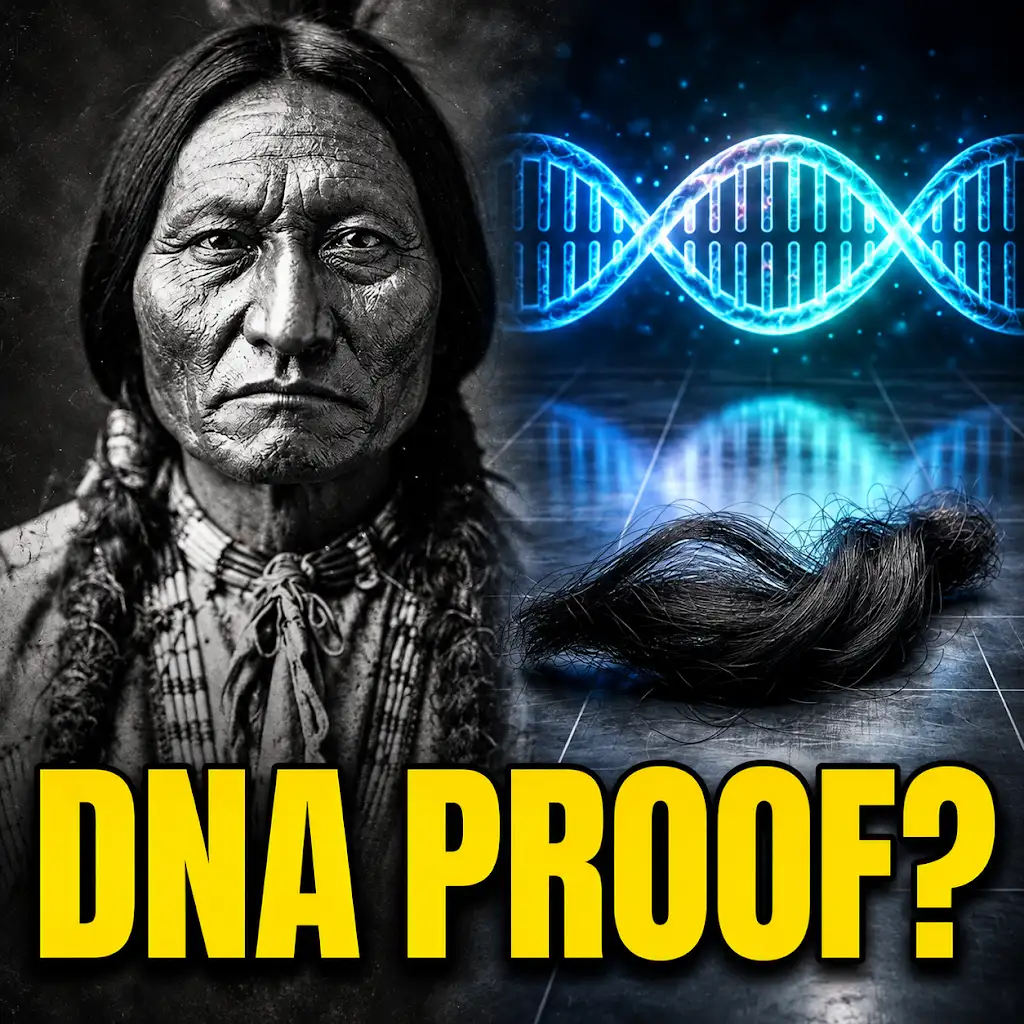
The Sitting Bull DNA Test: What Did It Actually Prove?
FAQs
1. How does DNA testing help with descendant claims?
DNA testing can provide evidence of biological relationships between individuals, helping to confirm or refute claims of descent from a particular ancestor.
2. What types of DNA tests are commonly used for descendant claims?
The most common types of DNA tests used for descendant claims are Y-DNA testing for paternal lineage, mtDNA testing for maternal lineage, and autosomal DNA testing for a broader look at overall ancestry.
3. Can DNA testing definitively prove descent from a specific ancestor?
While DNA testing can provide strong evidence of biological relationships, it is important to consider other factors such as paper trail documentation and historical context when making claims of descent from a specific ancestor.
4. Are there limitations to using DNA testing for descendant claims?
Yes, limitations include the possibility of false positives or false negatives, the need for comparison with other individuals’ DNA results, and the inability to provide information on non-biological relationships such as adoption or step-parenting.
5. How accurate are DNA tests for descendant claims?
DNA tests are generally considered to be highly accurate when conducted by reputable testing companies and interpreted correctly. However, it is important to understand the limitations and potential margin of error associated with each type of DNA test.