
The saga of the Vikings, once primarily pieced together from sagas, archaeology, and historical accounts, is undergoing a profound transformation. For centuries, these Norse seafarers have been popularly depicted as fair-haired, blue-eyed warriors who pillaged and plundered across Europe. However, the advent and refinement of DNA testing have begun to paint a far more nuanced and diverse picture, challenging long-held assumptions and revealing surprising truths about their origins, migrations, and societal makeup. This new wave of genetic research is not merely adding detail; it is fundamentally redefining our understanding of who the Vikings truly were.
The Shifting Sands of Ancestry: Beyond the Fair-Haired Myth
The romanticized image of the Viking is deeply ingrained in popular culture, often featuring individuals with pale skin, blonde hair, and blue eyes. This stereotype, amplified by literature and media, has been a persistent feature of our collective imagination. However, genetic studies are increasingly demonstrating that this popular perception is an oversimplification, if not an outright misrepresentation. The Viking Age, roughly spanning from the late 8th to the mid-11th centuries, was a period of extensive seafaring and settlement, bringing Norse peoples into contact with a vast array of other cultures. This interaction, coupled with the inherent genetic diversity within Scandinavia itself, has resulted in a much more complex ancestral landscape than previously understood.
Unraveling Scandinavian Roots: Diversity Within
While the core populations of Norway, Sweden, and Denmark formed the bedrock of Viking expansion, these regions were not homogenous. Centuries of migration and intermingling with neighboring populations, including those from the Baltic and even further east, had already contributed to a genetic tapestry within Scandinavia before the Viking Age truly began. DNA analysis of ancient Scandinavian remains has revealed that while certain genetic markers might be more prevalent in some regions, a significant degree of variation existed. This means that even within the seemingly uniform “Viking homeland,” there were individuals with ancestries that stretched beyond the immediate geographical boundaries.
The Melding Pot of Migration: Genes on the Move
The defining characteristic of the Viking Age was, of course, their outward migration. Vikings traveled east across the Baltic Sea to what is now Russia and Ukraine, west to Iceland and Greenland, and south to the British Isles, France, and even as far as the Mediterranean. These journeys were not solely military expeditions; they involved trade, settlement, and, inevitably, intermarriage with local populations. DNA studies of ancient individuals buried in Viking settlements across these diverse regions have provided irrefutable evidence of this genetic exchange. For instance, skeletal remains found in Viking Age England often show a significant admixture of Norse and Anglo-Saxon DNA, highlighting the deep integration and intermingling that occurred. Similarly, studies of Viking Age individuals in Russia have revealed genetic links to Slavic and even Finnic populations.
Beyond the Warrior Archetype: The Everyday Viking
The prevailing narrative of the Viking Age often focuses on the warrior, the raider, and the explorer. While these roles were undeniably important, DNA testing is also shedding light on the genetic makeup of the broader Viking society, including farmers, artisans, and merchants. By analyzing the genomes of individuals from various social strata, researchers can gain a more comprehensive understanding of the genetic diversity present within Viking communities. This includes understanding the prevalence of certain traits and predispositions within the population, offering insights into their health, diet, and potential susceptibilities to diseases.
DNA testing has significantly altered our understanding of Viking history, revealing new insights into their origins and migrations. A fascinating article that delves into the broader implications of historical narratives and the role of scientific advancements in reshaping our understanding of the past can be found at Navigating the Unknown: Mapping the World Before Discovery. This piece explores how modern techniques, such as DNA analysis, can challenge long-held beliefs and provide a more nuanced view of historical events, including those related to the Vikings.
Tracing the Trails of Trade and Conquest: Genetic Footprints Across Continents
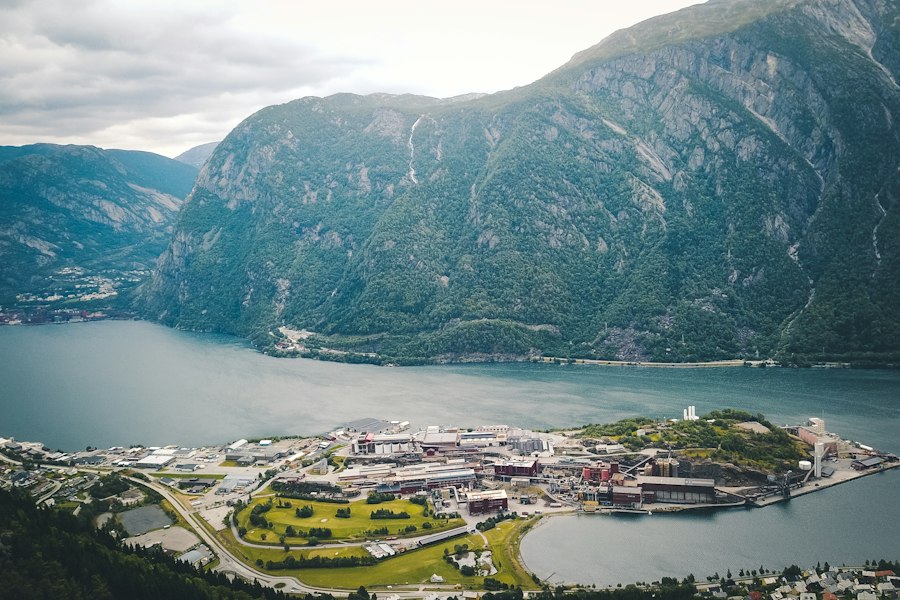
The far-reaching voyages of the Vikings left an indelible mark not only on the historical and archaeological record but also on the genetic landscape of the regions they encountered. DNA testing acts as a powerful tool, allowing scientists to trace these ancient migratory pathways and understand the extent of Viking influence through the lens of inherited genetic material. The patterns of genetic variation observed in modern and ancient populations across Europe and beyond provide compelling evidence of the scale and impact of Viking expansion.
The Western Isles: Norse Settlements in Britain and Ireland
The Viking impact on the British Isles is well-documented through historical sagas and archaeological finds. However, genetic studies have provided a quantitative dimension to this understanding. Analysis of DNA from individuals in Scotland, England, and Ireland has revealed significant Norse genetic contributions, particularly in areas that were major centers of Viking settlement, such as the Northern Isles of Scotland (Orkney and Shetland), the Isle of Man, and parts of northern England. These studies show that the Norse influence was not a fleeting presence but led to enduring genetic legacies, with specific Y-chromosome and mitochondrial DNA haplogroups associated with Norse ancestry found at notable frequencies in these regions. This suggests not only male Norse migration but also the integration of Norse women into local communities.
Eastern Adventures: Vikings in Eastern Europe and Russia
The eastward expansion of the Vikings, often referred to as the Rus’, is another area where DNA testing has provided groundbreaking insights. The establishment of trade routes along the rivers of Eastern Europe led to extensive interaction with Slavic and Finnic populations. Genetic studies of ancient and modern populations in areas like Ukraine, Belarus, and Russia have revealed evidence of Norse genetic input. This is particularly evident in the genetic profiles of populations in regions associated with early Rus’ settlements, such as Novgorod and Kyiv. The findings suggest that the Norse played a significant role in the formation of early Eastern European states, not just as warriors but also as traders and settlers who integrated with the indigenous populations.
Beyond the Familiar Shores: Viking Presence in the Mediterranean and Beyond
While the most prominent Viking settlements are found in Western and Eastern Europe, evidence suggests their reach extended even further. Genetic markers indicative of Norse ancestry have been detected, albeit in smaller proportions, in populations further south, including in parts of the Iberian Peninsula and even in the Mediterranean. These findings are often attributed to Viking mercenaries who served in the Byzantine Empire or participated in raids and trade along these southern routes. While these genetic traces are less pronounced than in the core settlement areas, they highlight the remarkable breadth of Viking maritime activities and their ability to traverse vast distances.
Unearthing Family Secrets: The Power of Ancient DNA

The analysis of ancient DNA (aDNA) has revolutionized the study of human history, and the Viking Age is no exception. By extracting and sequencing DNA from skeletal remains, researchers can obtain direct genetic information about individuals who lived over a thousand years ago. This allows for a level of detail and accuracy that was previously unimaginable, moving beyond inference and interpretation to direct genetic evidence. The painstaking process of aDNA extraction and analysis, often performed on fragmented and degraded samples, has opened a window into the genetic makeup of individual Vikings and their ancestral connections.
The Challenge of Degradation: Preserving Ancient Clues
Ancient DNA is notoriously fragile and prone to degradation due to environmental factors such as heat, moisture, and microbial activity. Extracting usable genetic material from Viking-era remains requires specialized techniques and meticulous laboratory conditions to avoid contamination with modern DNA. Researchers employ a variety of methods to isolate and purify the DNA, often working with small bone fragments or teeth, which are generally better preserved than other tissues. The success of these endeavors relies heavily on the quality of the archaeological context and the preservation state of the remains.
Reconstructing Ancestry: Y-Chromosomes and Mitochondrial DNA
Key to understanding Viking ancestry are the analyses of Y-chromosomes and mitochondrial DNA (mtDNA). Y-chromosomes are passed down exclusively from father to son, allowing researchers to trace paternal lineages and identify specific haplogroups that can be indicative of Norse origins. mtDNA, on the other hand, is inherited from the mother and passed down through maternal lines, providing insights into maternal ancestry. By analyzing these markers in ancient Viking samples and comparing them to modern populations, scientists can identify patterns of migration and settlement and reconstruct the ancestral origins of individuals and communities.
Whole Genome Sequencing: A Deeper Dive into Identity
While Y-chromosome and mtDNA analysis provide valuable insights into lineage, whole genome sequencing offers a much more comprehensive picture of an individual’s genetic makeup. This process decodes the entire DNA sequence, revealing information about a person’s biogeographical ancestry, potential physical traits, and even predispositions to certain health conditions. The application of whole genome sequencing to Viking remains has yielded astonishing results, revealing unexpected genetic affiliations and providing detailed insights into the complex ancestral mosaics of individuals. This technology allows for a finer resolution in tracing genetic connections and understanding the intricate web of relationships within Viking society and its interactions with other populations.
Social Structures and Genetic Ties: Beyond the Patriarchy
The traditional view of Viking society often emphasizes a patriarchal structure, with men as the primary travelers and decision-makers. However, genetic evidence is beginning to challenge this simplified narrative by revealing the significant genetic contributions of women and the complex social dynamics at play. The integration of female lineages into settlement patterns and the genetic impact of intermarriage are providing a more nuanced understanding of Viking social organization and the dynamics of their interactions with other cultures.
The Maternal Thread: Viking Women in Migration
While male Vikings are often depicted as the primary agents of expansion, genetic studies are increasingly highlighting the crucial role of women in migration and settlement. The presence of Norse maternal lineages in settlement areas, alongside paternal markers, suggests that women accompanied men, either voluntarily or as captives, and played a vital part in establishing new communities. The analysis of mtDNA in Viking Age remains from Britain and Ireland, for instance, has revealed a substantial proportion of Norse maternal ancestry, indicating that women were not merely passive observers but active participants in the demographic shifts of the era.
The Interwoven Fabric: Intermarriage and Assimilation
The genetic evidence strongly supports the idea that intermarriage between Vikings and local populations was common and played a significant role in the assimilation and integration of Norse settlers. The admixture of Norse DNA with that of Anglo-Saxons, Celts, Slavs, and other groups demonstrates that Viking settlements were not isolated enclaves but became intertwined with existing societies. This intermingling likely facilitated cultural exchange and contributed to the development of hybrid identities and traditions in the regions where Vikings settled, blurring the lines between “Viking” and “native.”
Beyond Nobility: The Genetics of the Common Folk
Much of the historical and archaeological record from the Viking Age focuses on the elite – chieftains, kings, and wealthy merchants. However, DNA testing allows researchers to analyze the genetic makeup of individuals from all social strata, offering a glimpse into the lives of ordinary Vikings. By studying the remains of farmers, laborers, and even those of lower status, scientists can gain a broader understanding of the genetic diversity within Viking communities and how it differed across social classes. This also helps to address questions about mobility within society and the genetic impact of slave populations.
Recent advancements in DNA testing have significantly altered our understanding of Viking history, revealing unexpected truths about their origins and migrations. In a fascinating exploration of this topic, an article discusses how genetic analysis has reshaped narratives surrounding Viking settlements and their interactions with other cultures. For those interested in diving deeper into this subject, you can read more about these groundbreaking findings in the article available at this link. The implications of these discoveries continue to challenge long-held beliefs about the Viking Age and its diverse population.
Redefining the Narrative: New Questions and Future Directions
| Aspect | Pre-DNA Testing Narrative | Post-DNA Testing Insights | Impact on Viking Historical Narrative |
|---|---|---|---|
| Origins and Migration | Vikings primarily from Scandinavia (Norway, Sweden, Denmark) | Genetic evidence shows diverse origins including Eastern Europe and the British Isles | Expanded understanding of Viking migration and integration with local populations |
| Population Diversity | Assumed homogenous Scandinavian genetic makeup | Revealed significant genetic admixture with other European and Asian groups | Challenged the idea of Vikings as a single ethnic group, highlighting multiculturalism |
| Gender Roles | Vikings mostly male warriors and explorers | DNA from burial sites shows presence of female warriors and leaders | Revised views on gender roles and social structure in Viking society |
| Health and Disease | Limited knowledge of Viking health conditions | Genetic markers identified for diseases and traits prevalent among Vikings | Improved understanding of Viking lifestyle, diet, and health challenges |
| Legacy and Descendants | Descendants traced mainly through historical records and surnames | DNA testing identifies living descendants and genetic legacy across Europe | Enhanced connection between modern populations and Viking ancestry |
The insights gleaned from DNA testing have not only reshaped our understanding of Viking history but have also opened up a wealth of new questions and avenues for future research. As genetic technologies continue to advance, the potential for uncovering even more detailed and surprising information about the Viking Age is immense. This ongoing scientific exploration promises to further refine and enrich our perception of these remarkable historical figures.
The Limits of Genetic Data: Bridging the Gap with Other Disciplines
While DNA testing offers powerful insights, it is crucial to remember that genetic data is only one piece of the historical puzzle. Understanding the full complexity of the Viking Age requires integrating genetic findings with archaeological evidence, historical texts, linguistic studies, and other disciplines. For instance, genetic data can tell us who migrated and where they settled, but it may not fully explain why they migrated or the social and political motivations behind their actions. A multidisciplinary approach is essential to weave a comprehensive and accurate historical narrative.
The Evolution of Viking Identity: A Continuously Shifting Picture
The concept of “Viking” itself is becoming increasingly fluid as genetic research progresses. It is becoming clear that Viking identity was not a static, monolithic entity but rather a dynamic construct that evolved over time and varied across different regions and social groups. Genetic studies are contributing to this understanding by revealing the diverse ancestral backgrounds of individuals who identified or were identified as Viking, challenging the notion of a single, pure Norse lineage. This allows for a more nuanced appreciation of the composite nature of Viking societies.
Future Frontiers: Unlocking More Secrets with Advanced Technologies
The rapid advancements in DNA sequencing technology, particularly in areas like ancient protein analysis and the study of epigenetics, hold immense promise for future Viking research. These technologies could potentially reveal more about an individual’s diet, health, and even their physical appearance, adding further layers of detail to our understanding. The ongoing discovery and analysis of new Viking Age burial sites, coupled with sophisticated genetic techniques, will undoubtedly continue to unveil surprising truths and further redefine the history of these fascinating Norse peoples. The saga of the Vikings, it seems, is far from over, with their genetic story still unfolding.
The Viking “Bison” Myth That Was Just Debunked
FAQs
1. How has DNA testing impacted our understanding of Viking history?
DNA testing has provided new insights into the genetic makeup of the Viking population, revealing their diverse origins and connections to other regions.
2. What have DNA studies revealed about the travel and trade routes of the Vikings?
DNA studies have shown that the Vikings traveled extensively and had contact with various populations, leading to genetic exchanges and mixing with different groups.
3. How has DNA testing challenged previous assumptions about the appearance of Vikings?
DNA testing has debunked the stereotype of Vikings being solely blonde and blue-eyed, showing a more diverse range of physical characteristics among the population.
4. What role has DNA testing played in identifying Viking descendants in modern populations?
DNA testing has helped individuals trace their ancestry back to Viking roots, providing a connection to their historical past and heritage.
5. How has DNA testing influenced the study of Viking familial relationships and social structures?
DNA testing has allowed researchers to analyze kinship patterns, familial connections, and social hierarchies within Viking society, offering a more nuanced understanding of their community dynamics.