The Kola Superdeep Borehole stands as a testament to human ambition, a profound and complex scientific endeavor that sought to probe the very depths of our planet. For decades, this remarkable project pushed the boundaries of engineering and our understanding of Earth’s interior. However, like many monumental undertakings, it was not without its challenges. Among the most significant and ultimately defining setbacks was the recurring and catastrophic problem of drill string failure. This article will delve into the intricate details of these failures, exploring their causes, consequences, and the enduring lessons learned from this pioneering venture.
The idea of drilling deep into the Earth’s crust was not new. Scientists had long theorized about the composition and structure of the deep Earth, but the technological limitations of the mid-20th century made such aspirations seem like science fiction. It was in the late 1960s that the Soviet Union, driven by a combination of scientific curiosity and a desire to demonstrate technological prowess, officially launched the Kola Superdeep Borehole project. The chosen location, on the Kola Peninsula in northwestern Russia, offered a geological setting deemed relatively stable and suitable for such an ambitious undertaking. The primary objective was to reach the Mohorovičić discontinuity, the boundary between the Earth’s crust and mantle, a feat that had never before been accomplished.
Scientific Ambitions and Technological Hurdles
The scientific objectives were vast. Researchers hoped to gather unprecedented data on the composition, temperature, pressure, and physical properties of the Earth’s crust and upper mantle. This knowledge was expected to revolutionize geology, geophysics, and our understanding of planetary formation and evolution. However, the technical challenges were equally immense. The sheer depth required – a target of 15,000 meters – meant pushing existing drilling technologies to their absolute limits and beyond. The extreme pressures and temperatures encountered at these depths posed significant threats to the integrity of the drill string, the lifeline connecting the surface to the rock face kilometers below.
The Drill String: A Critical Lifeline
The drill string is the backbone of any drilling operation. It is a complex assembly of interconnected pipes, typically made of high-strength steel, that transmits rotational force from the surface to the drill bit, simultaneously allowing for the circulation of drilling fluid and the retrieval of rock samples. The design and integrity of the drill string are paramount for successful drilling. For the Kola Superdeep Borehole, this meant developing specialized drill pipes capable of withstanding immense tensile and compressive stresses, as well as the corrosive effects of drilling fluids and the high temperatures and pressures of the deep Earth.
The Kola Superdeep Borehole project, which aimed to penetrate the Earth’s crust to study geological formations, faced significant challenges, including drill string failures that hindered progress. For a deeper understanding of the implications of such engineering challenges on broader economic strategies, you can explore a related article that discusses the importance of strengthening domestic manufacturing and investing in infrastructure to stimulate economic growth. This article can be found at Securing US Economic Survival: A Strategic Plan.
Understanding the Nature of Drill String Failure
The challenges of deep drilling are multifaceted, and the Kola Superdeep Borehole was a proving ground for these difficulties. The failures of the drill string were not isolated incidents but rather a recurring problem that plagued the project throughout its operational life. These failures manifested in various ways, each with its own set of contributing factors and devastating consequences for the drilling progress.
Types of Drill String Failures
The failures encountered at Kola could be broadly categorized into several critical types:
Tensile Failure (Rupture)
This occurred when the drill string was subjected to stresses exceeding its tensile strength, leading to a complete break. At great depths, the weight of the drill string itself contributes significantly to tensile stress, especially when lifting or lowering sections. The sheer length of the string amplified this effect.
Compressive Failure (Buckling)
As the drill string is pushed deeper into the wellbore, it experiences immense compressive forces. If these forces exceed the string’s buckling resistance, the pipes can deform and collapse, leading to a catastrophic failure. This was particularly problematic in deviated or inclined boreholes where lateral forces can also contribute to buckling.
Fatigue Failure
This is a slow and insidious form of failure that results from repeated cycles of stress and strain. The constant rotation, vibration, and pressure fluctuations experienced by the drill string over extended periods could weaken the metal, eventually leading to cracks and eventual fracture. This was exacerbated by the harsh drilling environment.
Corrosion and Material Degradation
The drilling fluids used, along with the naturally occurring geological formations, could be highly corrosive. Over time, this corrosion could weaken the pipe walls, making them more susceptible to tensile or fatigue failure. High temperatures also accelerated the rate of chemical reactions, contributing to material degradation.
Tool Joint Failures
The connections between individual drill pipe sections, known as tool joints, are critical points of stress concentration. Failures in these joints, due to manufacturing defects, improper makeup, or wear, could lead to a catastrophic disconnection of the entire string.
The Impact of Depth and Pressure
As the drill string penetrated deeper into the Earth’s crust, the conditions became exponentially more hostile. The hydrostatic pressure exerted by the overlying rock and fluids increased dramatically. This immense pressure not only stressed the drill string but also influenced the behavior of the surrounding rock formations.
Increased Hydrostatic Pressure
At depths of several kilometers, the pressure is equivalent to many hundreds of atmospheres. This pressure acted to crush the drill string, especially at its weakest points, and could also cause boreholes to collapse, further damaging the string.
High Temperatures
The temperature gradient in the Earth’s crust means that temperatures rise significantly with depth. At the target depths of Kola, temperatures approached those found in shallow magma chambers, exceeding the operational limits of many materials and lubricants. These high temperatures could lead to thermal expansion issues, weakening of metal, and accelerated chemical reactions.
Chronicling the Failures: A Pattern of Setbacks
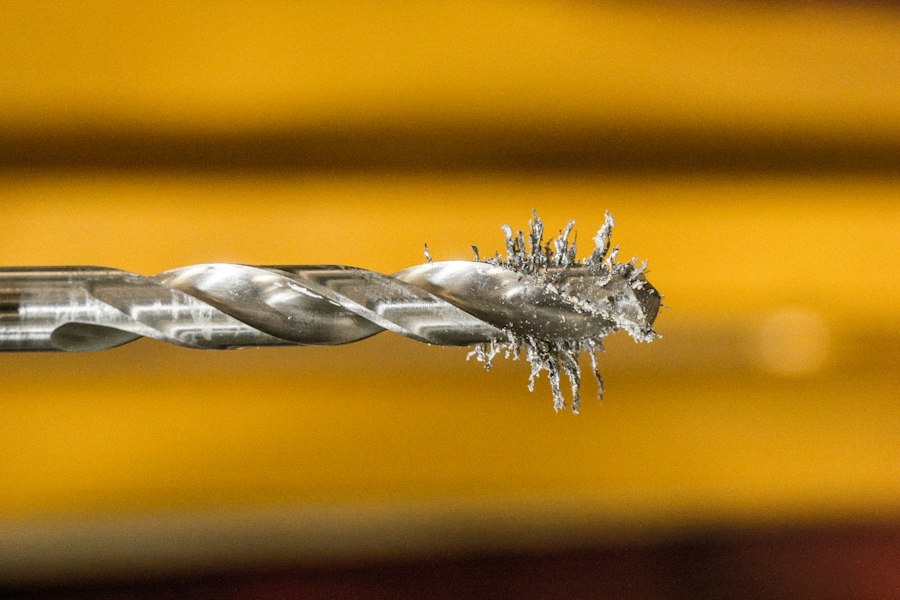
The history of the Kola Superdeep Borehole is punctuated by a series of significant drill string failures that repeatedly halted progress and necessitated costly and time-consuming recovery operations. These events were not mere inconveniences; they were critical junctures that shaped the trajectory and ultimate outcome of the project.
The Early Years and Emerging Challenges
In the initial stages of drilling, the challenges were manageable with existing technology. However, as the borehole extended beyond the familiar depths, the limitations of conventional drilling equipment and practices became apparent.
Initial Depth Milestones and Associated Issues
As the borehole progressed through the upper crust, the Soviet drilling teams successfully achieved several depth milestones, demonstrating the feasibility of deep drilling. However, even at these earlier stages, minor issues with drill pipe wear and connection integrity began to emerge, foreshadowing the larger problems to come.
The First Major String Break
The first truly significant drill string failure occurred at a depth that, while not the ultimate target, was already pushing the boundaries of scientific understanding and engineering capability. This event, likely involving a catastrophic rupture or disconnection, would have resulted in the loss of a substantial section of the drill string, necessitating extensive efforts to retrieve it or to redrill around it.
Escalation of Problems with Increasing Depth
As the borehole delved deeper, the frequency and severity of drill string failures increased. The harsh environment began to take a significant toll on the specialized equipment.
The 10,000-Meter Mark and Beyond
Crossing the 10,000-meter threshold was a remarkable achievement, but it also brought the drilling operation into a zone of extreme temperature and pressure that proved exceptionally challenging. It was during this phase that the failures became more frequent and impactful.
The Infamous “Lost String” Incidents
Perhaps the most dramatic and persistent problem was the repeated loss of large sections of the drill string. These “lost string” incidents meant that a significant amount of expensive and specialized equipment was irretrievably stuck in the borehole. The process of dealing with such a loss often involved attempting to retrieve the broken pieces, a technically demanding and often unsuccessful endeavor, or abandoning the current borehole and starting a new one nearby, effectively setting the project back years.
The Consequences of Repeated Failures
The impact of these recurring drill string failures extended far beyond the immediate loss of equipment. They had profound implications for the project’s timeline, budget, and scientific objectives.
Economic and Logistical Strain
The cost associated with replacing lost drill string sections, the specialized equipment for retrieval operations, and the extended downtime incurred by these failures placed immense financial strain on the project.
Material Costs and Replacements
The specialized drill pipes and tool joints used for such extreme depths were not mass-produced. Their custom manufacturing and the need for constant replacement of components that failed due to wear and tear represented a significant ongoing expense.
Operational Delays and Project Lifespan
Each drill string failure led to months, if not years, of lost drilling time. These delays significantly extended the project’s lifespan and ultimately prevented it from reaching its ultimate scientific targets within the planned timeframe and budget.
Impact on Scientific Exploration
The inability to maintain a stable and continuous drilling operation directly hampered the scientific goals of the Kola Superdeep Borehole project.
Limitations on Sample Retrieval and Data Collection
With the drill string repeatedly failing, it became increasingly difficult to retrieve intact rock samples from the deepest sections of the borehole. This limited the quality and quantity of geological and geochemical data that could be collected.
Inability to Reach Ultimate Depth Targets
The most significant scientific consequence was the ultimate failure to reach the Mohorovičić discontinuity. The persistent drill string issues, coupled with the increasing operational costs and decreasing political will, led to the project’s eventual termination before its primary scientific objective could be achieved.
The Kola Superdeep Borehole project, renowned for its ambitious drilling depths, has faced significant challenges, including drill string failures that highlight the complexities of deep Earth exploration. These failures not only impede scientific progress but also raise questions about the technological limits of drilling equipment. For a broader perspective on the implications of resource extraction in extreme environments, you might find the article on the geopolitical race for Antarctic resources insightful, as it discusses similar challenges faced in harsh conditions. You can read more about it here.
Lessons Learned and Enduring Legacy
| Metric | Value | Unit | Notes |
|---|---|---|---|
| Depth of Borehole | 12,262 | meters | Maximum depth reached by Kola Superdeep Borehole |
| Drill String Failure Depth | 10,500 | meters | Approximate depth where drill string failure occurred |
| Drill String Diameter | 76 | millimeters | Diameter of drill string used in deep sections |
| Failure Type | Fatigue and Stress Fracture | N/A | Primary cause of drill string failure |
| Temperature at Failure Depth | 180 | °C | High temperature contributed to material weakening |
| Pressure at Failure Depth | 350 | MPa | Extreme pressure conditions at depth |
| Duration of Drilling Before Failure | 3 | months | Continuous drilling time before failure occurred |
| Material of Drill String | High-strength Steel Alloy | N/A | Material used to withstand extreme conditions |
Despite its ultimate shortcomings, the Kola Superdeep Borehole project provided invaluable insights into the challenges of deep Earth exploration. The lessons learned from the recurring drill string failures have had a lasting impact on the field of drilling engineering and the planning of future deep scientific endeavors.
Advancements in Drilling Technology and Materials Science
The difficulties encountered at Kola spurred innovation and research into new drilling technologies and materials.
Development of Enhanced Drill Pipe Materials
The need for stronger, more durable drill pipes that could withstand extreme conditions led to advancements in metallurgy and the development of specialized alloys. These materials offered improved tensile strength, fatigue resistance, and corrosion resistance.
Improved Drilling Fluid Formulations
Research into drilling fluids was also a key outcome. New formulations were developed to better manage borehole stability, reduce corrosive effects, and operate effectively at high temperatures and pressures.
Insights into Deep Earth Geology and Geophysics
Even with the operational challenges, the data collected from the shallower sections of the Kola Superdeep Borehole provided unprecedented insights into the Earth’s crust.
Understanding the Continental Crust
The borehole provided direct evidence of the composition and structure of the continental crust, revealing unexpected mineral assemblages and geological formations.
Confirmation of Seismic Models
The data helped to confirm and refine existing seismic models of the Earth’s interior, providing a crucial link between surface observations and the deep geological reality.
The Importance of Risk Assessment and Contingency Planning
The Kola Superdeep Borehole serves as a stark reminder of the importance of thorough risk assessment and robust contingency planning in any ambitious scientific or engineering project.
The Need for Redundancy and Fail-Safes
The project highlighted the necessity of designing systems with built-in redundancy and fail-safe mechanisms to mitigate the impact of potential equipment failures.
The Iterative Nature of Scientific Exploration
Ultimately, the story of drill string failure at the Kola Superdeep Borehole underscores the iterative and often challenging nature of scientific exploration. While the ultimate goal was not fully realized, the endeavor pushed the boundaries of human knowledge and technological capability, paving the way for future generations of deep Earth research. The lessons learned from its struggles continue to inform and inspire those who seek to unravel the mysteries of our planet’s hidden depths.

They Drilled 12 KM Into Earth — Then Everything Changed
FAQs
What is the Kola Superdeep Borehole?
The Kola Superdeep Borehole is the deepest man-made hole on Earth, reaching a depth of over 7.5 miles (12 kilometers) in the Kola Peninsula, Russia.
What is drill string failure?
Drill string failure refers to the breaking or malfunctioning of the drill string, which is the series of connected drill pipes used to drill into the Earth’s crust during the drilling process.
What caused the drill string failure in the Kola Superdeep Borehole?
The drill string failure in the Kola Superdeep Borehole was caused by a combination of high temperatures and pressures encountered at extreme depths, as well as the challenging geological conditions in the region.
How was the drill string failure in the Kola Superdeep Borehole addressed?
After the drill string failure in the Kola Superdeep Borehole, engineers and scientists worked to retrieve the broken drill string and implement new technologies and materials to prevent similar failures in the future.
What were the implications of the drill string failure in the Kola Superdeep Borehole?
The drill string failure in the Kola Superdeep Borehole led to delays in the drilling process and highlighted the technical challenges of drilling to extreme depths. It also provided valuable insights into the Earth’s crust and deep geological structures.