Drought and the Bronze Age Collapse: Unraveling the Ancient Mystery
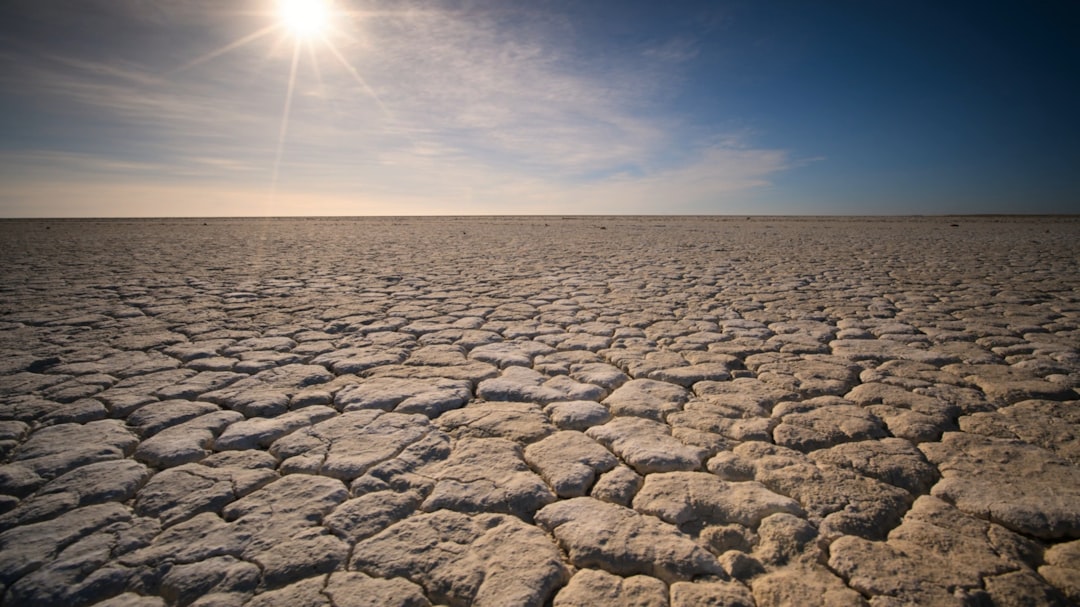
The twilight of the Late Bronze Age, roughly spanning from 1200 to 1150 BCE, is a period shrouded in a profound historical enigma. Across a vast swathe of the Eastern Mediterranean and Near East – from Greece and Crete to Anatolia, Cyprus, the Levant, and even parts of Egypt – powerful and interconnected civilizations experienced a catastrophic and rapid decline. Cities were razed, trade routes severed, empires crumbled, and established political structures dissolved. This “Bronze Age Collapse,” as it is known, left behind a landscape of ruins and a profound question: what force could have so comprehensively dismantled such sophisticated societies? For decades, scholars have debated a multitude of theories, ranging from invasion by mysterious “Sea Peoples” and internal rebellions to widespread earthquakes and climate shifts. Increasingly, scientific evidence points towards a potent, though perhaps underestimated, driver: prolonged and severe drought.
The relationship between drought and the collapse of Bronze Age civilizations has been a topic of significant research, highlighting how climate change can lead to societal upheaval. For a deeper understanding of how environmental factors can influence historical events, you might find this article on the implications of resource scarcity and societal resilience interesting: The End of Peaceful Space Exploration: A New Era Begins. This piece explores the broader themes of human adaptation and the challenges posed by changing environments, drawing parallels to ancient societies facing similar crises.
A Network of Interdependence
The Late Bronze Age was characterized by a vibrant and complex web of interconnected societies. Powerful kingdoms like the Mycenaean civilization in Greece, the Hittite Empire in Anatolia, the New Kingdom of Egypt, and city-states in the Levant – such as Ugarit and Alalakh – engaged in extensive trade, diplomacy, and cultural exchange. This was an era of monumental architecture, sophisticated metallurgy, advanced writing systems (like Linear B, cuneiform, and hieroglyphs), and organized warfare.
The Pillars of Bronze Age Society
The economies of these civilizations were largely agrarian, deeply reliant on predictable rainfall patterns for the cultivation of staple crops such as wheat and barley. Water management systems, including canals, reservoirs, and irrigation, were essential for supporting dense populations and enabling surplus production. The prosperity of these states was also intricately linked to the production and trade of bronze, a vital material for tools, weapons, and luxury goods. This trade required secure overland and maritime routes, facilitated by extensive diplomatic networks and naval capabilities.
A Culture of Connectivity
Beyond economic ties, a rich tapestry of cultural and religious interactions bound these societies. Royal marriages, the exchange of diplomats and scribes, and the sharing of artistic motifs and religious beliefs created a sense of a shared, interconnected world. The collapse of one major power had the potential to ripple outwards, impacting its neighbours and trading partners. This interdependence, a hallmark of their success, unfortunately also made them vulnerable to systemic shocks.
The Unseen Enemy: Palaces and Climate Change
Signs in the Sediments and Ice

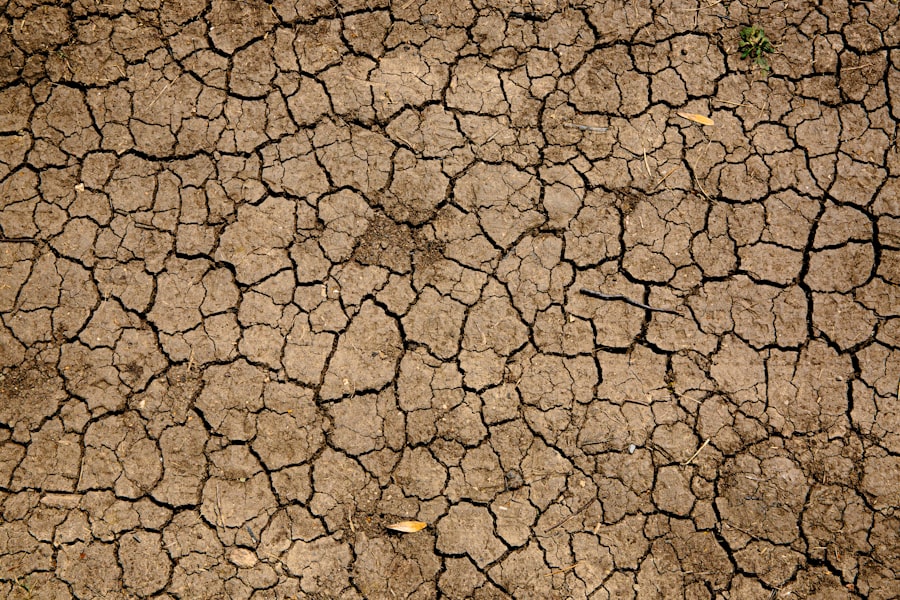
The notion that climate change played a significant role in the Late Bronze Age Collapse has gained considerable traction with the advent of new scientific methodologies. Paleoclimatology, the study of past climates, has provided a wealth of data that strongly suggests a period of severe climatic stress coincided with the collapse.
Echoes in the Stratigraphy
Archaeological excavations across the Mediterranean and Near East have revealed evidence of widespread abandonment, destruction layers, and a decline in the scale and sophistication of urban settlements around 1200 BCE. Layered within the archaeological strata, however, are subtle yet significant indicators of environmental change. Changes in pollen profiles, for instance, can reveal shifts in vegetation, indicating aridification. The presence of acacia and other drought-tolerant species in later layers, where previously more mesophytic (moisture-loving) flora dominated, is a robust signal of drier conditions.
Whispers from the Deep and the Peaks
Beyond terrestrial evidence, marine sediment cores and Greenland ice cores offer crucial insights into past climatic patterns. Analysis of oxygen isotopes in deep-sea sediments can reveal fluctuations in sea surface temperatures and the extent of ice sheets, indirectly reflecting global atmospheric circulation patterns. More directly, the isotopic composition of ice layers in high-altitude regions like Greenland traps atmospheric gases and dust particles from millennia past. These records have revealed a distinct period of prolonged drought conditions affecting the Eastern Mediterranean and its hinterlands during the late 2nd millennium BCE. This period, often referred to as the “Late Bronze Age drought,” appears to have been unusually severe and persistent, deviating significantly from the more stable climatic regimes that preceded it.
The connection between drought and the collapse of Bronze Age civilizations has been a topic of significant research, shedding light on how environmental factors can influence societal stability. A fascinating article explores the ancient wisdom surrounding weather patterns and their implications for agriculture and survival. By examining historical weather events, we can gain insights into the challenges faced by these early societies. For more information on this topic, you can read the article on ancient weather wisdom here.
The Parched Lands: Impact on Agriculture and Society
| Event | Location | Time Period | Impact |
|---|---|---|---|
| Drought | Mediterranean region | Late Bronze Age (1250-1150 BCE) | Severe agricultural decline, famine, and social unrest |
| Bronze Age Collapse | Mediterranean region | Late Bronze Age (1250-1150 BCE) | Disintegration of major civilizations, widespread warfare, and economic collapse |
From Fertile Crescent to Wasteland
The most immediate and devastating consequence of a prolonged drought is its impact on agriculture, the bedrock of Bronze Age economies. Societies that had developed sophisticated irrigation systems and relied on regular rainfall for their sustenance found themselves facing unprecedented challenges.
The Failure of the Harvest
When rainfall diminishes significantly for extended periods, rainfed agriculture collapses. Even where irrigation was present, rivers and reservoirs that fed these systems began to dwindple. The inability to cultivate staple crops led to widespread food shortages and famine. This would have had cascading effects on all levels of society, from the peasant farmer struggling to feed his family to the elite whose authority was often tied to their ability to ensure prosperity and abundance.
Water Scarcity and Social Unrest
Beyond agriculture, potable water scarcity would have become a pressing issue. Competition for dwindling water resources could have fueled internal tensions and conflict. Communities that had previously coexisted peacefully might have found themselves vying for survival, leading to localized disputes and migrations. The social fabric, already strained by food insecurity, could have unraveled under the pressure of such fundamental resource shortages.
The Cascading Effects: Systemic Collapse
The Unraveling of Interdependence
The drought did not operate in isolation; its impact exacerbated existing vulnerabilities and triggered a domino effect across the interconnected Bronze Age world. The collapse was not a single event but a complex process of disintegration.
The Breakdown of Trade Routes
With agricultural production faltering and populations struggling to survive, the elaborate trade networks that underpinned the Bronze Age economy began to collapse. The demand for luxury goods diminished as basic necessities became paramount. Furthermore, the disruption of agricultural surpluses meant less to trade. Disrupted overland routes due to instability and abandoned settlements, and the decline of maritime trade due to the inability to provision ships and the lack of lucrative markets, severed the vital arteries of exchange. This isolation further crippled regions, preventing them from accessing vital resources or receiving aid.
The Weakening of States and the Rise of New Threats
The internal strains caused by drought – food shortages, population displacement, and social unrest – severely weakened the authority of Bronze Age states. Rulers and elites, unable to provide for their people or maintain order, lost legitimacy. This power vacuum created opportunities for internal dissent and external opportunistic actors. While the “Sea Peoples” remain a shadowy presence in the historical record, their appearance during this period of instability is undeniable. These groups, potentially displaced by their own internal pressures or lured by weakened coastal settlements, may have contributed to the widespread destruction witnessed. However, it is crucial to understand that their success was likely enabled by the pre-existing fragility of the targeted societies.
Reinterpreting the Past: The Drought Hypothesis
Rethinking the Narrative
The traditional focus on military invasions or internal revolts as the primary drivers of the Bronze Age Collapse is being re-evaluated in light of the growing paleoclimatic evidence. The drought hypothesis offers a more holistic explanation, demonstrating how a profound environmental crisis could have triggered a cascade of social, economic, and political failures.
The Archaeological

How an Entire Civilization Collapsed
FAQs
What is the connection between drought and the Bronze Age collapse?
Drought is believed to have played a significant role in the Bronze Age collapse, a period of widespread societal collapse and upheaval in the Eastern Mediterranean region around 1200 BCE. The prolonged drought is thought to have led to crop failures, food shortages, and ultimately the collapse of several civilizations in the region.
How did drought impact the societies of the Bronze Age?
The drought during the Bronze Age is believed to have caused widespread crop failures, leading to food shortages and famine. This in turn would have put pressure on the social and political structures of the time, potentially contributing to the collapse of several civilizations in the Eastern Mediterranean region.
What evidence supports the theory that drought contributed to the Bronze Age collapse?
Archaeological and historical evidence, including sediment cores from the Eastern Mediterranean, tree ring data, and written records from the time, all point to a period of prolonged drought during the late Bronze Age. This evidence supports the theory that drought played a significant role in the societal collapse of the time.
Were there other factors that contributed to the Bronze Age collapse?
While drought is believed to have been a major contributing factor to the Bronze Age collapse, other factors such as invasions, internal rebellions, and political instability also likely played a role in the collapse of several civilizations in the Eastern Mediterranean region.
How does the study of the Bronze Age collapse and drought impact our understanding of ancient civilizations?
Studying the impact of drought on the Bronze Age collapse provides valuable insights into the vulnerabilities of ancient societies and the complex interactions between environmental factors and human societies. It also highlights the importance of understanding the potential impacts of climate change on modern societies.