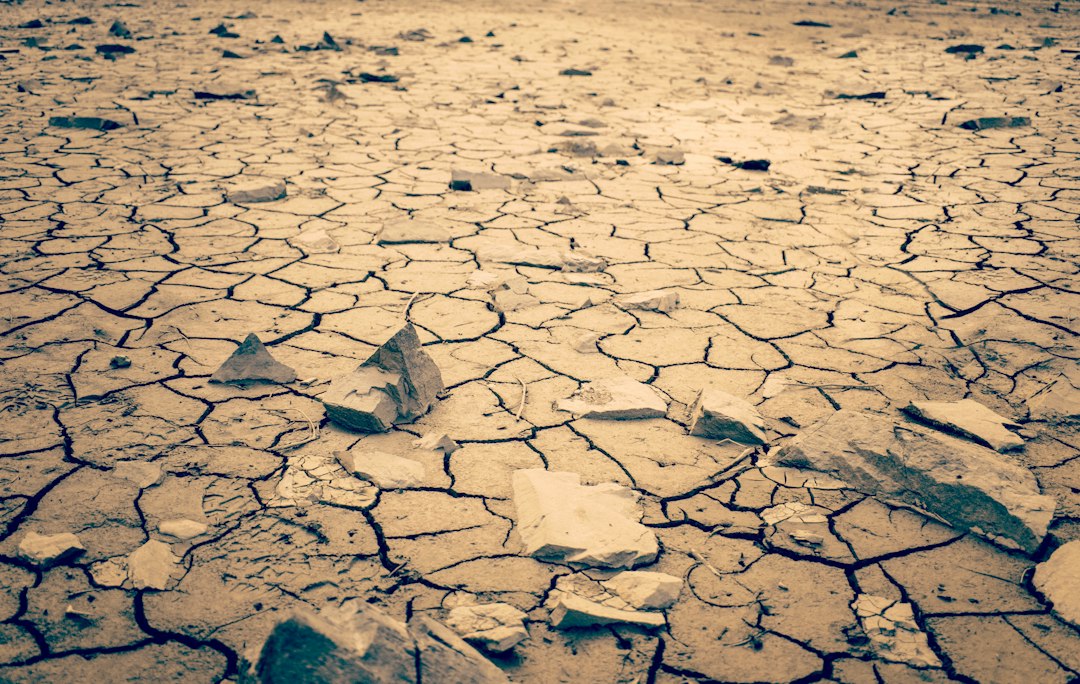
The dust storms that choked the Anatolian plains, once the vibrant heartland of a mighty empire, whispered a tale of slow decay. For centuries, the Hittites had commanded respect, their chariots thundering across the landscape, their cuneiform tablets chronicling diplomatic triumphs and military might. Yet, as the millennium turned and the Bronze Age drew to a close, a silent enemy began to erode their foundations, an enemy that offered no visible foe to engage in glorious battle, but which gnawed relentlessly at the very lifeblood of their civilization. This enemy was drought, a creeping desiccation that, historians now increasingly believe, played a pivotal role in the dramatic and mysterious collapse of the Hittite Empire.
The Flourishing Hittite Civilization
The Hittite Empire, at its zenith in the Late Bronze Age (roughly 1600-1178 BCE), was a formidable power in the ancient Near East. Their capital, Hattusa, nestled in the rugged Anatolian highlands, was a testament to their organizational prowess and military strength. The Hittites were not merely warriors; they were also astute diplomats, skilled administrators, and possessors of a sophisticated legal and religious system. Their empire spanned a vast territory, encompassing much of modern-day Turkey and extending into parts of Syria and northern Mesopotamia. They engaged in extensive trade networks, interacting with civilizations as far-flung as Egypt and Mycenaean Greece. Their military innovations, particularly the use of iron weaponry and advanced chariot tactics, made them a dominant force on the battlefield.
The Anatolian Heartland and its Agricultural Dependence
The Hittite civilization was deeply rooted in the Anatolian plateau, a region characterized by its fertile valleys and mountainous terrain. Agriculture formed the bedrock of their economy, with staple crops like wheat, barley, and emmer forming the cornerstone of their diet and trade. The success of these agricultural endeavors was intrinsically linked to the region’s water sources – its rivers, lakes, and, crucially, its rainfall. The Hittites developed sophisticated irrigation systems, channeling water from rivers to their fields, demonstrating a keen understanding of water management. However, even these advanced techniques were ultimately reliant on consistent and predictable precipitation patterns. The prosperity of cities like Hattusa, Karkemish, and Ugarit was inextricably tied to the bounty of the land, a bounty that could be easily disrupted by environmental shifts. The intricate network of settlements that dotted the landscape, from administrative centers to rural villages, all depended on the reliable cultivation of the soil.
The Hittite Military and Imperial Reach
The Hittite military machine was one of the most feared in the ancient world. Their iron weapons, a technological advantage over many of their contemporaries who still relied heavily on bronze, gave them a significant edge in combat. The Hittites were renowned for their disciplined armies and their devastating chariot warfare, which could overwhelm enemy formations. Their empire was maintained through a combination of military conquest, astute diplomacy, and the establishment of vassal states. This extensive reach meant that the Hittites were not isolated from the wider geopolitical currents of the Late Bronze Age. Their interactions with powers such as Egypt, Mitanni, and Assyria shaped their foreign policy and their internal development. The empire’s strength was not just in its military might, but also in its ability to project power and maintain order across a vast and diverse territory. This expansive influence, however, also meant that the empire was vulnerable to threats from multiple directions, both human and environmental.
The collapse of the Hittite Empire has long been a subject of intrigue for historians, particularly in relation to the role of environmental factors such as drought. Recent studies suggest that prolonged periods of aridity may have significantly contributed to the empire’s decline, leading to food shortages and societal unrest. For those interested in understanding the implications of natural disasters on civilizations, a related article discussing the authority of the U.S. government in declared disasters can provide valuable insights. You can read more about it here: The U.S. Government’s Authority in Declared Disasters.
Evidence of Environmental Stress

While the traditional narrative of the Hittite collapse often focused on external invasions and internal strife, a growing body of scientific evidence points towards a significant climatic factor. The Late Bronze Age, and particularly the period leading up to the Hittite downfall, witnessed a marked shift in regional climate patterns. This shift was not a sudden cataclysm but a gradual and insidious process that would have had profound consequences for an agrarian society. The very foundations of Hittite prosperity, their agricultural output, were being steadily undermined by changing weather patterns.
Paleoclimatic Reconstruction of Anatolia
The study of ancient climates, or paleoclimatology, provides crucial insights into the environmental conditions of the past. By examining proxy records such as lake sediments, ice cores (though less relevant for Anatolia specifically, but indicative of broader hemispheric trends), and tree rings, scientists can reconstruct past rainfall and temperature patterns. For Anatolia, studies of lake sediments have revealed a significant drying trend during the Late Bronze Age. The analysis of pollen grains within these sediments, for instance, can indicate the types of vegetation that thrived in a particular period. A decline in the pollen of moisture-loving plants and an increase in drought-tolerant species would strongly suggest arid conditions. Similarly, the isotopic composition of minerals within these sediments can offer clues about the salinity of ancient lakes, a direct indicator of evaporation rates and thus, rainfall. These scientific reconstructions paint a picture of a region that was becoming increasingly parched, a stark contrast to the more favorable climate of earlier centuries.
Archaeological Findings Indicating Water Scarcity
Beyond paleoclimatic data, archaeological discoveries also lend credence to the theory of prolonged drought. Excavations at Hittite sites have revealed evidence of agricultural distress and societal adaptation to water scarcity. For example, the discovery of abandoned settlements or settlements that show signs of reduced habitation density can indicate a population forced to move due to lack of resources. The presence of remarkably well-preserved granaries, some found empty or with reduced contents, might suggest a failure of harvests rather than a mere surplus being transported. Furthermore, analyses of skeletal remains can sometimes reveal signs of malnutrition and stress, which are often exacerbated by food shortages caused by drought. The careful examination of ancient water management systems, such as cisterns and dams, might also reveal periods where these were overused or in disrepair, suggesting a strain on water resources. The archaeological record, therefore, provides a tangible, ground-level view of the impact of environmental change on human populations.
Comparative Regional Drought Events
It is important to note that the drought experienced in Anatolia was not an isolated phenomenon. Evidence suggests that a broader pattern of aridification affected much of the Eastern Mediterranean and Near East during the Late Bronze Age. This regional drought, sometimes referred to as the “Late Bronze Age Collapse drought,” impacted numerous civilizations beyond the Hittites. Neighboring regions, including the Levant, Cyprus, and even parts of Egypt, also experienced significant environmental stress during this period. This widespread nature of the drought suggests a large-scale climatic shift rather than a localized anomaly. The interconnectedness of these ancient societies through trade and diplomacy meant that the environmental challenges faced by one civilization could have ripple effects across the region, exacerbating existing political and economic vulnerabilities. The shared experience of drought may have weakened the overall resilience of the entire Late Bronze Age world system.
The Cascade of Consequences

The relentless pressure of drought would have exerted a profound and multifaceted strain on the Hittite Empire, impacting every facet of their society, from their economy and agriculture to their social structures and political stability. The consequences were not immediate or singular but a slow, agonizing erosion of their power and influence.
Agricultural Failure and Famine
The most direct and devastating consequence of prolonged drought would have been widespread agricultural failure. Without sufficient rainfall, crops would wither and die, leading to drastic reductions in yields. This would have resulted in severe food shortages, leading to widespread famine across the empire. The Hittites, like many ancient civilizations, relied heavily on the predictable cycle of planting and harvesting. Disruptions to this cycle would have had catastrophic consequences for their food security. The granaries that once held plentiful harvests would have become empty, and the staple grains that formed the basis of their diet would have become scarce and prohibitively expensive. This would have placed immense pressure on the populace, leading to increased hardship and desperation.
Economic Disruption and Trade Collapse
The agricultural failures triggered by drought would have had a crippling effect on the Hittite economy. Agriculture was not just a source of food; it was also a primary driver of trade and revenue. Reduced agricultural output would have meant fewer goods to trade, leading to a decline in economic activity and a loss of income for the state. The Hittite Empire was involved in extensive trade networks, exchanging raw materials, manufactured goods, and agricultural products with neighboring civilizations. A collapse in their agricultural sector would have severely hampered their ability to participate in these networks, leading to economic isolation and further weakening their position. The vital flow of goods and resources that sustained the empire would have gradually ceased, leaving their cities and provinces increasingly impoverished.
Social Unrest and Migration
As famine and economic hardship intensified, social unrest would have inevitably followed. Starving populations are often desperate populations, prone to riots, internal conflicts, and challenges to authority. The state’s ability to provide for its citizens would have diminished, eroding its legitimacy and potentially leading to widespread dissatisfaction and rebellion. Furthermore, the inability to sustain themselves in their traditional homelands would have forced many people to migrate in search of more hospitable regions. This mass migration would have placed immense strain on neighboring areas, potentially leading to conflict over scarce resources and further destabilizing the region. The established social order, built on generations of settled agriculture, would have been fractured by the desperate movements of displaced populations.
Military Weakness and External Pressures
The internal stresses caused by drought, famine, and social unrest would have significantly weakened the Hittite military. A populace struggling to survive would have been less able or willing to serve in the army, and the state’s ability to provision and equip its soldiers would have been severely curtailed. This military weakness would have made the Hittites more vulnerable to external threats, including raids from nomadic groups and challenges from rival powers. The Hittite Empire, once a dominant military force, would have found itself increasingly unable to defend its borders or maintain its imperial control. The decline in their military capacity would have been a clear signal to opportunistic neighbors that the empire was in its final throes.
The Role of the Sea Peoples
While drought laid the groundwork for the Hittite Empire’s vulnerability, the final blow may have come from a more visible, albeit mysterious, force: the Sea Peoples. These confederations of seafaring raiders swept across the Eastern Mediterranean around the turn of the 12th century BCE, leaving a trail of destruction in their wake. Their precise origins and motivations remain subjects of scholarly debate, but their impact on the Late Bronze Age civilizations was undeniably devastating.
The Synchronicity of the Invasions
The incursions of the Sea Peoples appear to have occurred during the same period that the Hittite Empire was experiencing its most severe environmental challenges. While the drought weakened the empire from within, the Sea Peoples struck from without, exploiting the existing vulnerabilities. The precise timing of these events is crucial. Archaeological evidence from sites such as Ugarit, a Hittite vassal city in Syria, indicates that it was destroyed around 1175 BCE, a period of documented drought and significant upheaval in the region. The Hittite capital itself, Hattusa, also shows signs of destruction and abandonment around this time. The synchronicity of these events suggests a complex interplay of factors, where environmental stress made the empire susceptible to the violent incursions of these raiders.
Hittite Accounts and Egyptian Records
While definitive Hittite accounts directly detailing the Sea Peoples’ attacks are scarce, references to foreign invasions and pleas for aid do exist in the Hittite archives. These records, combined with the extensive inscriptions left by the Egyptians, who also bore the brunt of Sea Peoples’ raids, provide a fragmented but compelling narrative. Egyptian pharaohs, such as Ramesses III, famously depicted their repelling of the Sea Peoples in detailed reliefs and hieroglyphic inscriptions. These accounts, while often self-aggrandizing, offer valuable information about the nature of the threat, describing the Sea Peoples as a diverse group of warriors arriving by sea and land. The Hittite state, already struggling with internal issues, would have found it exceedingly difficult to mount a coherent defense against such a widespread and determined assault, especially if their own resources were depleted by drought.
The Impact on Hittite Infrastructure and Administration
The raids by the Sea Peoples, coupled with the ongoing environmental crisis, would have had a catastrophic impact on Hittite infrastructure and administrative capacity. Cities were sacked, trade routes were disrupted, and administrative centers were destroyed. This would have led to a breakdown in law and order, a loss of central authority, and a complete collapse of the organized systems that held the empire together. The sophisticated network of governance and resource management that had characterized the Hittite Empire would have crumbled under the combined weight of environmental disaster and military onslaught. The loss of vital records and the destruction of administrative infrastructure would have made any attempt at recovery virtually impossible.
The collapse of the Hittite Empire has long been a subject of intrigue for historians, with recent studies suggesting that prolonged drought may have played a significant role in their downfall. This theory aligns with broader discussions about how ancient civilizations faced environmental challenges, which can be crucial for understanding our own vulnerabilities today. For those interested in learning more about how to prepare for natural disasters and the lessons we can draw from history, you might find this article on survival tips quite enlightening. You can read it here: surviving natural disasters.
The End of an Empire
| Metric | Value | Details |
|---|---|---|
| Time Period | c. 1200 BCE | Late Bronze Age collapse era |
| Duration of Drought | Approx. 50 years | Severe multi-decadal drought identified in tree-ring data |
| Average Annual Rainfall Reduction | Up to 30% | Estimated decrease in rainfall affecting agriculture |
| Impact on Agriculture | Significant crop failures | Reduced food production leading to famine and social unrest |
| Population Decline | Estimated 20-30% | Due to famine, migration, and conflict |
| Political Consequence | Collapse of Hittite Empire | Loss of central authority and fragmentation of territories |
| Archaeological Evidence | Abandoned settlements | Signs of sudden depopulation and destruction layers |
| Climate Proxy Data | Tree rings, lake sediments | Indicate prolonged drought conditions in Anatolia |
The collapse of the Hittite Empire was not a single, instantaneous event but a gradual decline culminating in fragmentation and disappearance from the political map of the ancient Near East. The interplay of environmental pressures and external threats created a perfect storm that the once-mighty Hittites could not weather.
The Disintegration of the Empire
Following the catastrophic events of the late 13th and early 12th centuries BCE, the Hittite Empire ceased to exist as a unified entity. The central authority in Hattusa collapsed, and the vast territories that once constituted the empire fragmented into smaller, independent kingdoms and city-states. These successor states, often referred to as “Neo-Hittite” states, retained some Hittite cultural and linguistic traditions but lacked the imperial power and influence of their predecessors. This fragmentation marked a profound shift in the geopolitical landscape of Anatolia and the wider Near East, ushering in a new era characterized by smaller, more localized political entities.
The Legacy of the Hittites
Despite their dramatic collapse, the Hittites left an indelible mark on history. Their contributions to law, literature, and diplomacy were significant. The Hittite legal code, for instance, offers valuable insights into ancient justice systems. Their extensive archives, discovered through archaeological excavations, have revolutionized our understanding of their civilization and their interactions with other ancient powers. The Hittites were also pioneers in the use of iron, a technological advancement that would have profound implications for subsequent human history. Their influence can be seen in the development of subsequent civilizations in Anatolia and beyond. While their empire ultimately succumbed to environmental and political pressures, their legacy endured through their cultural and technological innovations.
Reconstructing the Narrative Through Interdisciplinary Research
The unraveling of the Hittite collapse is a testament to the power of interdisciplinary research. By combining the insights of archaeology, paleoclimatology, history, and philology, scholars are piecing together a more nuanced and comprehensive understanding of this pivotal period. The story of the Hittites is no longer solely a tale of kings and battles, but a complex narrative of human resilience and vulnerability in the face of environmental challenges. The ongoing efforts to decipher Hittite texts, analyze archaeological strata, and reconstruct ancient climates continue to shed light on the intricate causes of their downfall, reminding us that the rise and fall of civilizations are often shaped by forces far beyond the immediate actions of rulers and warriors. The dust storms that once choked the Anatolian plains now speak not only of ruin but also of the enduring power of human curiosity to uncover the secrets of the past.
Your 401(k) Withdrawal Can Make More of Your Social Security Taxable
FAQs
What role did drought play in the collapse of the Hittite empire?
The Hittite empire collapse was partly attributed to a severe and prolonged drought that affected the region, leading to crop failures, food shortages, and economic instability.
How did the drought impact the Hittite economy?
The drought significantly impacted the Hittite economy as agricultural productivity declined, trade routes were disrupted, and resources became scarce, ultimately weakening the empire’s financial stability.
Were there other factors besides drought that contributed to the collapse of the Hittite empire?
Yes, besides drought, other factors such as internal power struggles, invasions by neighboring civilizations, and political unrest also played a role in the collapse of the Hittite empire.
Did the Hittite empire attempt to mitigate the effects of the drought?
Historical records suggest that the Hittite empire made efforts to mitigate the effects of the drought by implementing irrigation projects, rationing food supplies, and seeking alliances with other civilizations for support.
How did the collapse of the Hittite empire impact the surrounding regions?
The collapse of the Hittite empire created a power vacuum in the region, leading to conflicts among neighboring civilizations vying for control, which ultimately reshaped the political landscape of the ancient Near East.