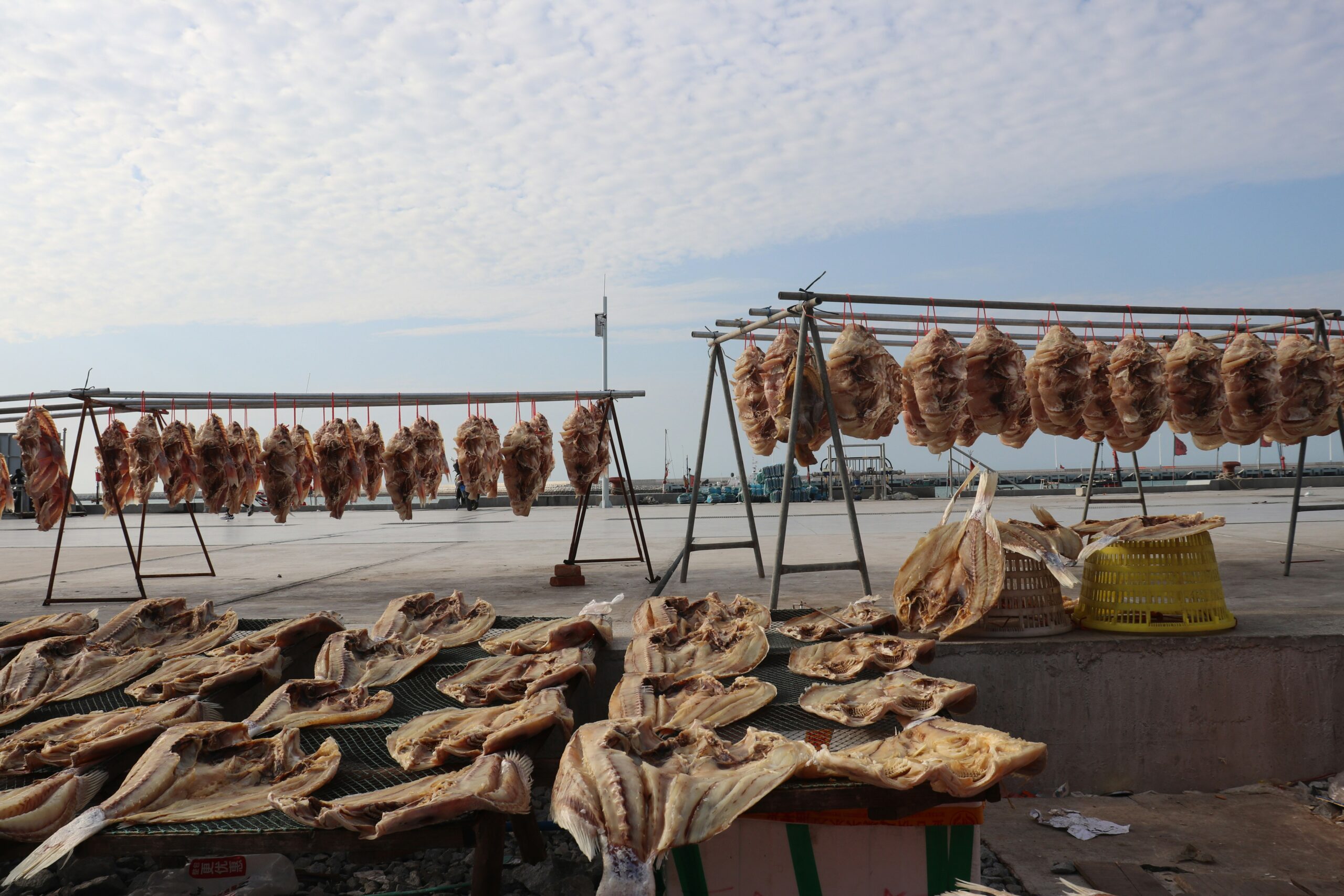
The enduring human drive to preserve food, a fundamental necessity for survival, has led to the development of ingenious techniques throughout history. Among the most primal and effective methods is the drying of meat on racks, a practice that predates written records and showcases an elegant understanding of environmental factors. This article delves into the prehistoric origins and enduring wisdom of meat drying on racks, exploring its scientific underpinnings, its significance in early human societies, and its surprising relevance even in the modern era.
The Science of Preservation: Why Drying Works
Drying meat on racks is far more than a simple act of leaving food exposed to the air; it is a carefully orchestrated process that manipulates the very conditions that allow spoilage to occur. At its core, the method targets moisture, the essential ingredient for the growth of bacteria, yeasts, and molds that lead to decomposition. By removing water, the biological processes that cause food to rot are effectively halted, transforming a perishable commodity into a shelf-stable product.
Water Activity: The Microbial Achilles’ Heel
Microorganisms, the primary culprits behind food spoilage, require a certain level of water availability to thrive and reproduce. This availability is quantified by a concept known as water activity (aW). Pure water has an aW of 1.0. Most bacteria, yeasts, and molds have optimal growth ranges within a specific aW spectrum, typically above 0.85 for bacteria and 0.70 for yeasts and molds. By drying meat, the goal is to reduce its water activity to a point where these microbes can no longer sustain themselves. The process of air-drying on racks facilitates this reduction by allowing ambient air to absorb the moisture from the meat’s surface and interior. The larger the surface area exposed, the more efficiently this evaporation can occur.
The Role of Airflow and Temperature
While reducing moisture is paramount, the effectiveness of drying on racks is significantly influenced by environmental factors like airflow and temperature. Consistent airflow is crucial for carrying away the evaporating moisture from the meat’s surface. Without adequate airflow, a humid microenvironment can form around the drying meat, slowing down or even halting the dehydration process and potentially creating conditions conducive to mold growth. This is why racks, by elevating the meat and allowing air to circulate freely around it, are so instrumental.
Temperature plays a dual role. Warmer temperatures generally accelerate the rate of evaporation, speeding up the drying process. However, excessively high temperatures can cook the meat on the outside before the interior is adequately dried, or they can also encourage the growth of thermophilic (heat-loving) bacteria if the initial stages of drying are not managed carefully. Prehistoric peoples would have instinctively understood the benefits of warm, dry climates for this preservation method, often choosing to dry meat during the warmer seasons or in naturally arid regions. The ideal scenario involves a combination of moderate warmth and low humidity, coupled with consistent air movement.
Salt as an Ally: Enhancing Preservation
While not always employed in the most rudimentary forms of meat drying, salt has historically served as a powerful adjunct to this preservation technique. Salt is a humectant, meaning it attracts and binds to water molecules, effectively drawing moisture out of both the meat and any microorganisms present. This further lowers the water activity, creating an even more hostile environment for spoilage agents. Furthermore, salt has direct antimicrobial properties, inhibiting the growth of certain bacteria. Early humans, through observation and experimentation, would have discovered the synergistic effect of salting meat before or during the drying process, significantly extending its shelf life and improving its safety. The practice of curing, which often involves salting, is a direct descendant of these early preservation strategies.
In exploring the prehistoric methods of drying meat on racks, it’s fascinating to consider how ancient cultures utilized their understanding of nature to preserve food. A related article that delves into the wisdom of ancient weather patterns and their significance in survival is available at Ancient Weather Wisdom: Understanding Nature’s Signs. This piece highlights how early humans relied on environmental cues not only for hunting and gathering but also for effective food preservation techniques, including the drying of meat.
Crafting the Racks: Early Innovations in Design
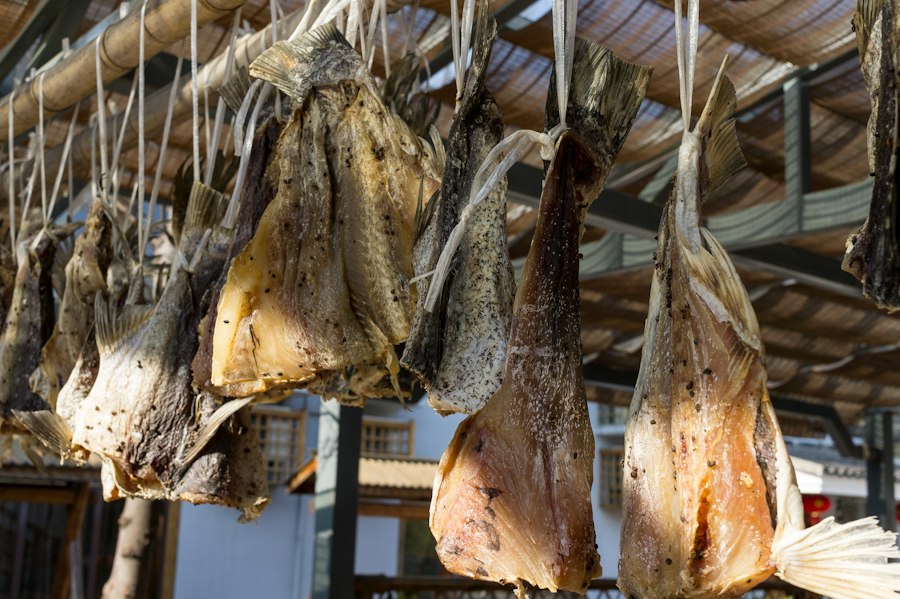
The concept of drying meat on racks implies a deliberate construction, a departure from simply laying meat on the ground. The design of these early racks would have been dictated by available materials and the specific needs of the communities employing them. While no direct archaeological evidence of elaborate rack structures from the deepest prehistoric periods survives, the logic of the method strongly suggests the development of simple, effective solutions.
Simplicity from Necessity: Natural Supports
The most basic form of meat drying on racks likely involved utilizing readily available natural structures. Large rocks with natural crevices or overhangs could have provided elevated surfaces. Sturdy branches of trees, strategically placed or woven together, could have served as rudimentary frames from which strips of meat could be hung or laid. The key was elevation and exposure to air. Imagine early humans returning from a successful hunt, faced with the challenge of preserving a large quantity of meat before it spoiled. Their immediate environment would have provided the inspiration for simple solutions: a fallen log with a flat surface, a cluster of upright stones, or branches lashed together with sinew or plant fibers. These were not complex constructions, but rather ingenious adaptations of natural elements.
Evolving Designs: Woven Materials and Frameworks
As tool use and crafting skills advanced, so too would the sophistication of meat drying racks. Archaeological evidence from later prehistoric periods and early historical times suggests the use of woven materials and more structured frameworks. Animal hides, particularly those that were tough and durable, could have been stretched over wooden frames, creating elevated platforms. Similarly, reeds, grasses, or flexible branches could have been woven into mats or baskets, providing a permeable surface upon which meat could be laid.
The development of more permanent settlements would have also facilitated the construction of dedicated drying structures. These might have evolved into simple A-frame designs constructed from branches, allowing meat to be hung from the apex, or low platforms built from interwoven branches or stones. The goal remained consistent: to maximize air circulation and prevent the meat from coming into direct contact with the ground, which harbors more moisture and a higher concentration of microorganisms. The availability of bone awls and sinew for lashing would have been crucial for creating more robust and durable frames.
Location, Location, Location: Strategic Placement
The effectiveness of any meat drying rack is intrinsically linked to its placement. Prehistoric peoples, keenly attuned to their environment, would have instinctively understood the importance of selecting optimal locations for their preservation efforts. Factors such as sunlight, wind direction, and proximity to water sources would have all played a role.
Sunlight, while beneficial for warming the meat and aiding evaporation, also needed to be managed. Excessive direct sunlight could lead to uneven drying or even scorch the outer layers. Therefore, a balance between sun exposure and shade might have been sought, perhaps by placing racks in areas that received morning sun but were shaded during the hottest part of the afternoon. Wind was a crucial element, driving the evaporation process. Racks would have been positioned to catch prevailing breezes, ensuring consistent airflow. Conversely, areas prone to stagnant air would have been avoided. Proximity to water, while necessary for survival, could also increase humidity. Therefore, drying racks would likely have been placed a safe distance from lakes, rivers, or marshy areas to minimize ambient moisture. The selection of a site that offered a combination of warmth, dryness, and airflow was a testament to their observational prowess.
The Journey of Preservation: From Hunt to Table
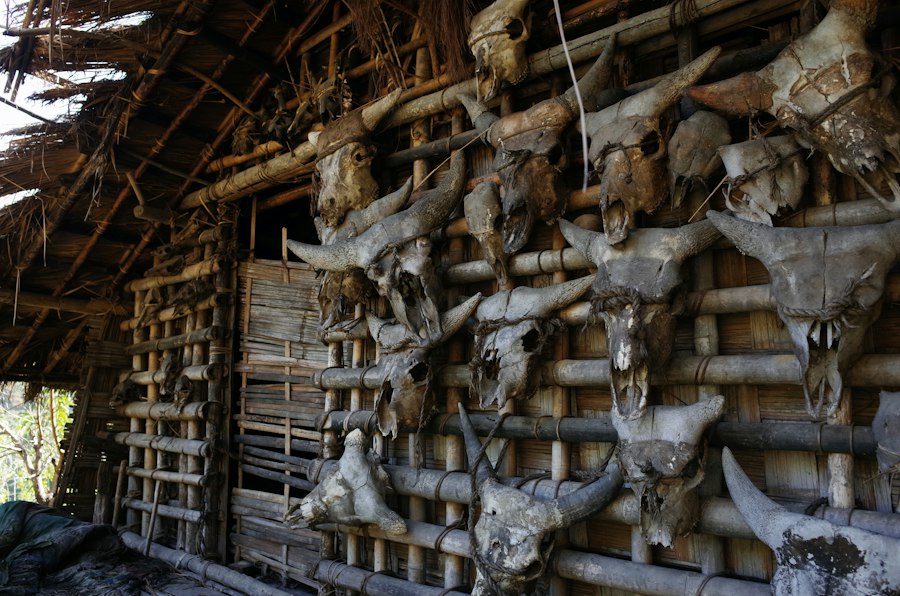
The process of drying meat on racks was an integral part of the larger economic and social systems of prehistoric societies. It was a crucial step that transformed a bounty from a hunt into a storable resource, enabling survival through lean periods and facilitating trade and resource management.
Preparing the Harvest: Butchering and Slicing Techniques
The success of drying meat on racks began with the careful preparation of the animal carcass. Immediately after a hunt, efficient butchering was paramount to maximize the edible yield and prepare the meat for preservation. Prehistoric hunters would have possessed a sophisticated understanding of animal anatomy, allowing them to skillfully dismember carcasses with stone tools.
The next critical step was slicing the meat into thin, uniform strips. This dramatically increased the surface area exposed to the air, thereby accelerating the drying process. Thicker cuts would have taken significantly longer to dry, increasing the risk of spoilage. The types of meat also influenced the preparation. Leaner cuts, such as those from the legs or back, were generally preferred for drying as they contained less fat. Fat can become rancid over time, imparting an unpleasant flavor and odor to the dried meat. The skill lay in achieving consistent thickness, ensuring that all parts of the strip dried at a similar rate, preventing a situation where the outside was dry and brittle while the inside remained moist and vulnerable.
The Waiting Game: Monitoring and Maturation
Drying meat on racks was not a passive process; it required ongoing attention and monitoring. Prehistoric people would have understood the need to check the drying meat regularly, assessing its progress and intervening if necessary. This monitoring would have involved tactile and visual inspection. The meat was ready when it had reached a leathery, pliable texture, with no discernible moisture when squeezed.
Factors that could have necessitated intervention included changes in weather. If rain threatened, the meat might need to be brought under cover. If the air became unusually humid, efforts might be made to increase airflow, perhaps by repositioning the racks or fanning the meat. Overdrying could also be a concern, leading to a brittle product that crumbled easily. The goal was to achieve a state of semi-aridity, where the meat was preserved but still retained some pliability for consumption. The maturation process was a gradual transformation, with the flavors becoming more concentrated and the texture changing over time.
Storing the Bounty: Extending its Life
Once dried to the desired consistency, the meat would be stored for future use. The method of storage was as important as the drying process itself to ensure its longevity. Ideally, dried meat would be stored in a cool, dry, and dark place, protected from pests and moisture. Simple woven bags, animal hides, or sealed earthenware containers could have served this purpose.
The dried meat could be consumed in its preserved state, providing a valuable source of protein and nutrients. It could also be rehydrated by soaking in water or broth, making it more palatable and versatile in cooking. Furthermore, dried meat could be pounded into a powder and mixed with fat to create pemmican, a highly concentrated and nutrient-dense food that was easily transportable and incredibly long-lasting. This remarkable innovation further extended the usability of dried meat, enabling long journeys and periods of scarcity. The ability to store meat effectively meant that communities were less vulnerable to the unpredictable nature of hunting and could maintain a more stable food supply.
Cultural Significance and Societal Impact
The practice of drying meat on racks transcended mere food preservation; it held deep cultural significance and profoundly impacted the social and economic structures of prehistoric societies. It was a cornerstone of their ability to thrive and expand.
A Buffer Against Scarcity: Ensuring Survival
In environments where food availability could fluctuate wildly, the ability to preserve meat was a critical factor in survival. Successful hunts provided a surplus of meat that, if left untreated, would quickly perish. Drying on racks allowed communities to stockpile this precious resource, creating a buffer against periods of scarcity, such as during harsh winters or when hunting grounds became depleted. This stored protein was essential for sustaining populations through lean times, preventing widespread starvation and contributing to population growth and stability. The confidence that food was available, even when immediate resources were scarce, would have had a profound psychological impact, fostering a sense of security and resilience.
Facilitating Mobility and Exploration: The Nomadic Advantage
The development of effective meat preservation techniques, including drying on racks, was a key enabler of human mobility and exploration. Dried meat, particularly in the form of pemmican, was lightweight and shelf-stable, making it an ideal food source for long journeys. This allowed prehistoric peoples to venture into new territories, follow migratory game herds, and establish trade networks over vast distances.
Nomadic and semi-nomadic lifestyles were intrinsically linked to the ability to transport and consume preserved food. The dried meat provided the sustained energy required for arduous travel and hunting expeditions in unfamiliar lands. This mobility facilitated the spread of human populations across the globe, enabling them to adapt to diverse environments and exploit new resources. The ability to carry provisions removed a significant constraint on their range and ambitions.
A Foundation for Trade and Social Exchange
The surplus of preserved meat generated through drying on racks also fostered opportunities for trade and social exchange between different groups. Communities with successful hunting grounds could trade their dried meat for other essential resources, such as tools, hides, or grains, which they might not have been able to produce themselves. This exchange of goods and resources led to the development of early economic systems and strengthened social ties between communities.
Dried meat could have served as a form of currency or a valuable commodity in barter. The ability to share or trade preserved food fostered cooperation and interdependence, laying the groundwork for more complex social structures. This exchange was not merely economic; it also facilitated the sharing of knowledge, cultural practices, and genetic material, contributing to the overall advancement and diversification of human societies. The presence of dried meat in a community’s stores was a symbol of their success and their ability to sustain themselves and engage with others.
In exploring the ancient practices of food preservation, one fascinating method is the drying of meat on racks, which has roots in prehistoric times. This technique not only allowed early humans to extend the shelf life of their food but also played a crucial role in their survival strategies. For a deeper understanding of how environmental factors influenced such methods, you can read about the significance of topography in human conflict and adaptation in this insightful article. The connection between geography and early food preservation techniques is truly remarkable, as it highlights the ingenuity of our ancestors in utilizing available resources effectively. You can find more information in the article here.
Modern Echoes: Timeless Wisdom in Contemporary Practices
| Aspect | Description | Prehistoric Method | Estimated Drying Time | Environmental Conditions | Purpose |
|---|---|---|---|---|---|
| Meat Type | Commonly used meats for drying | Game animals (deer, bison, wild boar) | N/A | N/A | Preservation and portability |
| Rack Material | Materials used to construct drying racks | Wooden sticks, branches, bone frames | N/A | N/A | Support meat during drying |
| Drying Method | Technique used to dry meat | Air drying on racks elevated above ground | Several days to 2 weeks | Dry, windy, shaded areas preferred | Reduce moisture to prevent spoilage |
| Temperature Range | Optimal temperature for drying meat | 15°C to 30°C (59°F to 86°F) | Varies with climate | Warm days, cool nights | Slow drying to avoid cooking or spoilage |
| Humidity | Ideal humidity levels | Low humidity (below 60%) | Varies | Dry air essential | Prevent mold and bacterial growth |
| Protection | Measures to protect drying meat | Covering with leaves or animal skins, elevated racks | N/A | Protection from insects and scavengers | Maintain hygiene and safety of meat |
| Preservation Outcome | Result of drying process | Reduced moisture content to 20-30% | Weeks to months of shelf life | Stored in cool, dry places | Long-term food storage |
While modern food preservation techniques have advanced considerably, the fundamental principles behind drying meat on racks remain remarkably relevant. The wisdom embedded in this prehistoric method continues to inform contemporary approaches to food production and sustainability.
Dehydrators and Home Preservation: A Direct Legacy
The widespread availability of electric food dehydrators in modern households is a direct testament to the enduring appeal and effectiveness of meat drying. These appliances, while technologically advanced, mimic the core principles of airflow, controlled temperature, and moisture removal that characterized prehistoric rack drying. Home enthusiasts now regularly dry fruits, vegetables, and, of course, meats like jerky, utilizing the same fundamental process to create healthy, convenient, and shelf-stable food products.
The popularity of homemade jerky, in particular, showcases the direct legacy of ancient meat preservation. Consumers are drawn to the naturalness of the process, the control over ingredients, and the satisfying texture and flavor of dried meat. Many recipes for modern jerky still draw inspiration from traditional methods, often incorporating salt and spices to enhance flavor and preservation. This modern hobbyist practice is a tangible link to our ancestors’ ingenious survival strategies.
Outdoor and Survivalist Applications: Practical Relevance
In contemporary contexts such as outdoor recreation, camping, and survivalism, the principles of meat drying on racks retain immense practical value. For those venturing into remote areas where refrigeration is unavailable, the ability to preserve meat through drying can be a critical factor in self-sufficiency and sustenance.
Hikers, hunters, and survivalists often employ portable drying methods or prepare dried meat before their expeditions. Understanding how to maximize airflow, control moisture, and use natural drying conditions can be essential for extending food supplies in the wilderness. This knowledge allows for longer expeditions and greater independence from resupply points. The simplicity and low resource requirement of basic drying techniques make them ideal for situations where modern conveniences are unavailable.
Food Security and Sustainability: A Lesson from the Past
As the world grapples with challenges of food security and sustainable food systems, the lessons learned from prehistoric preservation methods become increasingly valuable. The efficient utilization of resources and the ability to extend the shelf life of food are critical for reducing waste and ensuring that food reaches those who need it.
The emphasis on natural processes and minimal energy input in ancient meat drying offers a blueprint for more sustainable food practices. While modern methods often rely on energy-intensive refrigeration and freezing, understanding the efficacy of dehydration can lead to more energy-efficient preservation solutions. Furthermore, the historical ability of societies to store food effectively through drying played a crucial role in their resilience and ability to weather environmental changes, a lesson that resonates deeply in our current era of climate change and resource uncertainty. Reconsidering these ancient techniques can offer insights into creating more robust and adaptable food systems for the future. The ultimate takeaway is that the most fundamental human needs, like sustenance, can often be met with elegantly simple, time-tested methods.

Life 20,000 Years Ago: How Humans Survived the Ice Age
FAQs
1. How did prehistoric people dry meat on racks?
Prehistoric people dried meat on racks by slicing the meat into thin strips and hanging them on wooden racks or frames. The racks were typically placed in a well-ventilated area to allow air to circulate around the meat.
2. What was the purpose of drying meat on racks using prehistoric methods?
The purpose of drying meat on racks using prehistoric methods was to preserve the meat for future consumption. By removing moisture from the meat, it could be stored for longer periods without spoiling, making it a valuable food source for prehistoric communities.
3. What types of meat were commonly dried on racks by prehistoric people?
Prehistoric people commonly dried various types of meat on racks, including game meat such as deer, elk, and bison. Fish and smaller animals like rabbits were also dried using similar methods to create a long-lasting food supply.
4. How long did it take for meat to dry on racks using prehistoric techniques?
The time it took for meat to dry on racks using prehistoric techniques varied depending on factors such as the thickness of the meat slices, humidity levels, and temperature. Generally, it could take several days to a few weeks for the meat to fully dry and become preserved.
5. Were there any specific rituals or traditions associated with drying meat on racks in prehistoric times?
Some prehistoric cultures had specific rituals or traditions associated with drying meat on racks. For example, certain tribes may have performed ceremonies or prayers during the drying process to ensure a successful preservation of the meat and to honor the animals that provided sustenance.