Understanding the Shifting Sands: The Nature of Cave Dust Spills
Cave environments, often perceived as static and unchanging geological formations, are in reality dynamic systems subject to a multitude of forces. Among the most insidious and potentially dangerous phenomena within these subterranean realms are dust spills originating from cave ceilings. These are not simply minor inconveniences; they represent a tangible hazard that can drastically alter the safety and accessibility of cave passages. Understanding the genesis and characteristics of these spills is the first crucial step in mitigating their risks.
The Architects of Instability: Geological Processes
The very rocks that form cave ceilings are not monolithic entities. Over geological timescales, they are subjected to stresses and strains that can lead to fracturing, erosion, and ultimately, the detachment of material. Primary causes include the slow, inexorable forces of tectonic activity, which can cause uplift, subsidence, and subtle shifts in the bedrock. Water, a ubiquitous solvent and erosive agent in caves, plays a significant role. Seepage through rock, the dissolution of minerals, and the freeze-thaw cycle in colder regions can weaken and fragment the ceiling structure.
Dissolution and Chemical Weathering
Limestone, the most common rock type found in cave-forming environments, is particularly susceptible to dissolution by slightly acidic groundwater. As water containing dissolved carbon dioxide percolates through the rock mass above the cave, it can slowly etch away the carbonate minerals. This process, known as karstification, creates pores, conduits, and eventually, entire cave systems. However, this same process can weaken the overlying rock, creating thin spots or weakening the structural integrity of the ceiling. Over time, even microscopic fractures can enlarge, allowing for increased water ingress and further dissolution. The chemical reactions involved, while slow, are relentless and contribute to the gradual breakdown of the ceiling material.
Physical Stress and Mechanical Degradation
Beyond chemical weathering, physical forces also contribute to ceiling instability. Gravitational forces, though seemingly constant, can exert significant pressure on rock formations. In large or complex cave systems, the sheer weight of the overlying rock mass can create tensile stresses within the ceiling. Tectonic uplift can introduce new stresses, while subsidence can relieve existing ones, leading to further fracturing. In areas with fluctuating temperatures, the expansion and contraction of rock due to freeze-thaw cycles can create micro-fractures that propagate over time. These physical stresses work in conjunction with chemical weathering to weaken the ceiling.
Triggers of Detachment: Precipitating Events
While the underlying geological processes create the conditions for ceiling failure, specific events often act as the immediate triggers for dust spills. These triggers can range from subtle environmental shifts to more dramatic occurrences.
The Role of Water Ingress
Water is arguably the most significant trigger for dust spills. Increased rainfall or snowmelt can lead to a rise in the water table, saturating the rock mass above the cave. This added weight of water can stress already weakened ceilings. Furthermore, water can act as a lubricant between rock layers, reducing friction and facilitating slippage. In some cases, water can also contribute to the formation of “soda straws” or stalactites, which, while aesthetically pleasing, can also indicate areas of active seepage and potential weakness. The sudden influx of water from a heavy downpour or a localized flooding event can rapidly exacerbate existing instabilities.
Seismic Activity and Vibrations
Even minor seismic events, such as small earthquakes or distant tremors, can send shockwaves through the earth that resonate within cave systems. These vibrations can be sufficient to dislodge loose material from an already compromised ceiling. Similarly, surface activities like heavy machinery operation or even loud, sustained noises in proximity to a cave entrance can transmit vibrations that could trigger a dust spill. The cumulative effect of repeated vibrations, even if individually minor, can also lead to the gradual loosening of rock fragments.
Temperature Fluctuations and Atmospheric Changes
Significant and rapid changes in temperature can also play a role, particularly in caves that experience seasonal temperature variations or those with active ventilation systems. The expansion and contraction of rock materials with temperature shifts can create stresses that contribute to fracture propagation. Rapid cooling of a saturated ceiling, for instance, could lead to ice formation within existing cracks, exerting further pressure. Conversely, rapid warming after a period of cold can cause the release of tension. Changes in atmospheric pressure, while generally more subtle, can also influence water movement within rock pores and potentially contribute to stress.
In light of the recent dust spill cave ceiling warning, it is crucial to consider the broader implications of environmental safety and economic stability. An insightful article that discusses strategic plans for enhancing domestic resilience can be found here: Securing US Economic Survival: A Strategic Plan. This piece emphasizes the importance of strengthening domestic manufacturing and investing in infrastructure, which can ultimately contribute to safer and more sustainable environments.
Assessing the Risk: Recognizing Warning Signs
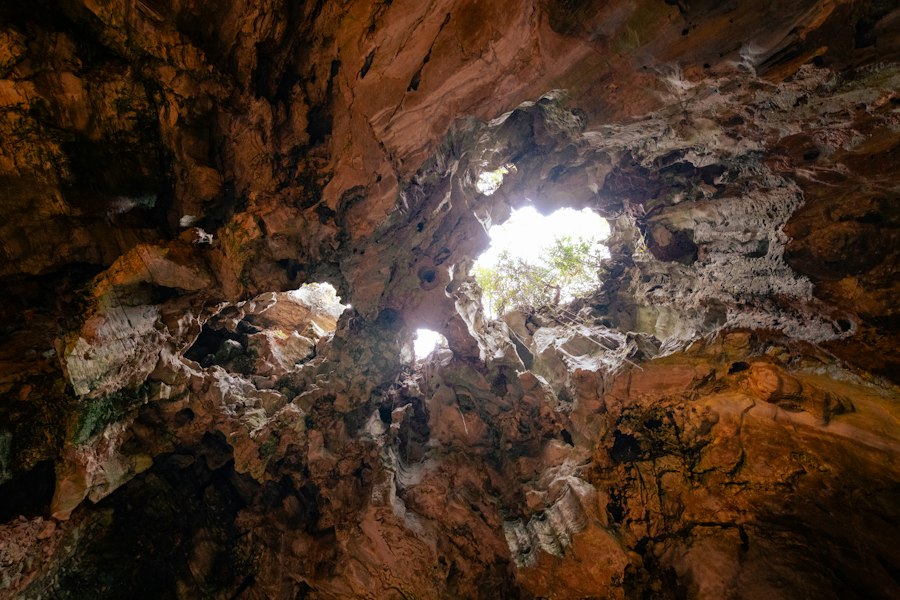
The presence of dust spills is not an entirely unpredictable event. Experienced cavers and geologists can often identify precursor indicators that suggest an increased risk of ceiling collapse or detachment. Vigilance and an understanding of these warning signs are paramount for ensuring safety.
Visible Indicators of Instability
The most immediate and observable signs of potential ceiling hazards are visual. These are the tell-tale marks left by the ongoing processes of degradation.
Surface Discoloration and Staining
Water seepage is a primary driver of ceiling instability, and its presence is often betrayed by visible evidence. Discoloration, ranging from earthy brown and rust-red to stark white efflorescence, can indicate ongoing water flow through the rock. These mineral deposits, left behind as water evaporates, highlight areas where the ceiling is not completely dry and stable. Dark, damp patches are also a clear indicator of moisture ingress. The pattern and extent of these stains can provide clues about the volume and persistence of water flow.
Cracks, Fissures, and Fractures
The most direct indication of structural weakness in a cave ceiling is the presence of visible cracks, fissures, and fractures. These can range from hairline separations to significant chasms. The widening of existing cracks or the appearance of new ones is a particularly concerning sign. The direction and depth of these fractures can also offer insights into the stresses acting upon the rock. A network of interconnected cracks might suggest a larger section of the ceiling is under imminent threat of detachment.
Loose Debris and Small Rockfalls
The accumulation of loose debris on ledges or directly below a section of the ceiling is a strong indicator of ongoing erosion and weakening. Small, pebble-sized rockfalls, even if seemingly insignificant, demonstrate that the ceiling is actively shedding material. The presence of freshly broken rock fragments, contrasting with older, weathered material, is a direct sign of recent instability. If one is observant, they might notice a dusting of fine particles on the floor beneath a particular section, suggesting a subtle but continuous shedding process.
Auditory Clues and Sensory Perception
Beyond what can be seen, the cave environment can also communicate its instability through sound and the subtle perception of danger.
Creaking, Groaning, and Other Unusual Noises
As rock under stress deforms, it can emit audible sounds. These can range from faint creaks and groans to sharper cracking noises. These sounds are akin to the “singing” of a glacier or the “groaning” of a stressed building. Experienced individuals may learn to distinguish the ambient sounds of a cave from those that signal genuine instability. These noises often occur just before a larger detachment event. They are the audible manifestation of internal stresses being released.
The Sensation of Drafts and Air Currents
Changes in air currents can sometimes be indicative of underlying geological activity. If a section of the ceiling is beginning to separate from the main body of rock, it can create new pathways for air to flow. A sudden, inexplicable draft in an otherwise still cave passage, or a noticeable change in the direction or intensity of an existing air current, might suggest that a void is forming or expanding within the ceiling. This can be particularly relevant in caves with well-established air circulation patterns.
Navigating the Perilous Path: Safety Protocols and Mitigation Strategies

The knowledge of potential hazards is only valuable if it is translated into effective safety protocols. When dealing with the risk of dust spills, a proactive and cautious approach is essential.
Pre-Cave Entry Assessment and Planning
The safety measures begin long before setting foot inside the cave. Thorough preparation and risk assessment are critical.
Geological Reconnaissance and Mapping
Ideally, a cave system should have undergone some form of geological assessment, particularly if it is a frequently visited or commercially operated cave. Understanding the known geological formations, areas of historical instability, and rock types present can inform risk assessments. For less documented caves, experienced cavers might attempt to gather information from previous visitors or local geological surveys. Mapping the cave and noting any areas of concern for future reference is also a valuable practice. This initial research can highlight sections of the cave that warrant extra caution.
Weather Monitoring and Environmental Checks
As mentioned, weather is a significant trigger for dust spills. Before entering a cave, checking current and forecasted weather conditions is vital. Heavy rainfall, rapid snowmelt, or extreme temperature fluctuations should be taken into account. If significant precipitation has occurred recently, routes that pass under known weak ceiling sections might need to be avoided or approached with extreme caution. Monitoring environmental conditions during the cave trip itself, such as noticing an increase in water seepage or unexpected air currents, is also part of ongoing risk management.
On-Site Safety Procedures and Best Practices
Once inside the cave, continuous vigilance and adherence to established safety protocols are non-negotiable.
Maintaining Situational Awareness and Observation
The most important safety tool is an alert and observant mind. Cavers should constantly be scanning their surroundings, paying attention to the ceiling, walls, and floor. This includes noting any changes in the visual or auditory cues discussed previously. Avoiding distractions and maintaining a focus on the immediate environment is crucial. Establishing a buddy system where individuals look out for each other’s safety and are encouraged to voice any concerns is highly recommended. Never assume a section of the cave is inherently safe.
Minimal Disturbance and Controlled Movement
The principle of “leave no trace” extends to minimizing any potential disturbance to the cave environment, particularly to ceiling stability. Loud noises, banging on walls or formations, or unnecessary climbing and scrambling can transmit vibrations that might dislodge loose material. Movement should be controlled and deliberate. When traversing beneath potentially unstable sections, maintaining a lower profile and avoiding direct contact with the ceiling is advisable. This also means being mindful of the size and weight of equipment carried.
Establishing Safe Zones and Egress Routes
Identifying and designating safe zones within the cave – areas that appear structurally sound and are away from potential fall zones – is an important planning step. Similarly, pre-determining clear and unobstructed egress routes is essential in case of an emergency. This includes understanding where to retreat to if a dust spill occurs. In areas known for high risk, it may be prudent to limit the time spent beneath suspect ceilings or to avoid them altogether. Having a designated rallying point outside the cave is also part of emergency preparedness.
Specialized Environments and Unique Threats
Certain types of cave environments, or specific geological contexts, can present unique and amplified risks associated with dust spills. Understanding these particularities allows for even more targeted safety measures.
Active Karst Systems and High Water Tables
Caves located within highly active karst landscapes, characterized by extensive dissolution features and a shallow water table, are inherently more prone to ceiling instability. These environments often have thinner rock roofs and are more directly influenced by surface hydrological changes.
The Impact of Fluctuating Water Levels
In such systems, rapid rises in the water table, often triggered by heavy rainfall or snowmelt, can exert significant hydrostatic pressure on the cave ceiling. This increased pressure, combined with the weakening effect of saturated rock, can lead to the detachment of large sections of the ceiling. Conversely, periods of drought can also lead to instability as the supporting water pressure decreases. The dynamic interplay of water levels in these karst environments creates a continuous risk.
The Role of Solution Pockets and Voids
Active karst formation often involves the creation of solution pockets and voids within the rock mass above the cave. These pre-existing cavities can weaken the overlying rock, creating zones of reduced structural integrity. When these pockets become saturated, or when the rock bridges supporting them fail, it can lead to localized or widespread ceiling collapse. Identifying such features through geological surveys or by observing specific formations on the cave surface can be crucial for risk assessment.
Mines and Anthropogenically Altered Caves
Man-made caves, such as mines, often present a significantly different set of hazards compared to natural cave systems. The excavation process itself inherently alters the geological stability.
The Legacy of Mining Excavations
Mines, by their very nature, involve the removal of large volumes of rock, creating artificial voids and altering stress distributions within the remaining strata. Unstable support structures, remnants of old mining equipment, or compromised tunnel linings can all contribute to ceiling collapse. Furthermore, water seepage in mines can carry dissolved minerals and accelerate weathering processes, exacerbating instability. The risk in mines is often compounded by a lack of ongoing maintenance and the potential for hidden structural weaknesses.
The Effects of Blasting and Vibrations
The use of explosives in mining operations can send powerful shockwaves through the surrounding rock, potentially destabilizing already stressed ceilings. Even abandoned mines can be subject to lingering effects from past blasting. The cumulative impact of seismic activity on these altered geological structures can be far more severe than in natural caves. Rigorous assessment of mine stability, often requiring specialized geotechnical expertise, is paramount before any entry.
In light of the recent warning regarding the dust spill cave ceiling, it’s essential to stay informed about the potential risks associated with such natural phenomena. For those interested in understanding how environmental factors can impact various aspects of life, a related article discusses the implications of elite assets in unexpected situations. You can read more about this intriguing topic by visiting this article, which explores the intersection of wealth and environmental challenges.
Future Directions and Ongoing Research
| Metric | Description | Typical Values | Warning Threshold | Unit |
|---|---|---|---|---|
| Dust Concentration | Amount of dust particles suspended in air near cave ceiling | 0.1 – 5 mg/m³ | > 10 mg/m³ | mg/m³ |
| Airflow Velocity | Speed of air movement that can disturb dust deposits | 0.1 – 1.5 m/s | > 2 m/s | m/s |
| Ceiling Vibration | Frequency of vibrations that may cause dust to fall | 0 – 5 Hz | > 10 Hz | Hz |
| Humidity | Relative humidity affecting dust adhesion to ceiling | 40% – 80% | 90% | % |
| Temperature | Ambient temperature inside the cave | 10 – 20 °C | Outside 5 – 25 °C range | °C |
| Dust Spill Incidents | Number of dust spill events recorded | 0 – 2 per month | > 3 per month | Count |
The study of cave ceiling hazards is an evolving field, with ongoing research seeking to refine our understanding and develop more effective prediction and mitigation strategies.
Advancements in Monitoring Technologies
Technological innovation is playing an increasingly important role in assessing and monitoring cave ceiling stability.
Remote Sensing and Geophysical Techniques
Techniques such as ground-penetrating radar (GPR), seismic surveys, and laser scanning can be employed to map subsurface structures and identify areas of weakness within the rock mass. These methods allow for non-invasive assessments of cave ceiling integrity, helping to identify potential failure points without direct human intervention. The development of more portable and affordable versions of these technologies could make them more accessible for cave safety assessments.
Smart Sensors and Real-Time Data Collection
The deployment of smart sensors that can monitor factors such as rock stress, water content, and micro-seismic activity in real-time offers a promising avenue for early warning systems. Data collected from these sensors can be transmitted remotely, allowing researchers and cave managers to track changes in stability and issue warnings before significant events occur. This continuous monitoring can provide invaluable insights into the dynamic nature of cave ceiling hazards.
Enhancing Predictive Models and Risk Assessment Tools
Improving our ability to predict where and when dust spills are likely to occur is a key goal for researchers.
Sophisticated Geomechanical Modeling
Developing more sophisticated geomechanical models that incorporate a wide range of geological, hydrological, and environmental factors can help to predict areas of high risk. These models can simulate the complex interplay of forces acting on cave ceilings and estimate the probability of failure under different conditions. The increasing availability of computational power and advanced software is facilitating the creation of these more detailed and accurate models.
Collaborative Research and Data Sharing
The sharing of data and research findings among geologists, speleologists, and environmental scientists is crucial for advancing our understanding of cave ceiling hazards. Collaborative projects and open-source platforms for data sharing can accelerate the pace of discovery and lead to the development of more robust risk assessment tools. By pooling knowledge and resources, the scientific community can better address the challenges posed by these subterranean phenomena.
