The Genesis of Flow: Unearthing the Origins of Qanat Technology
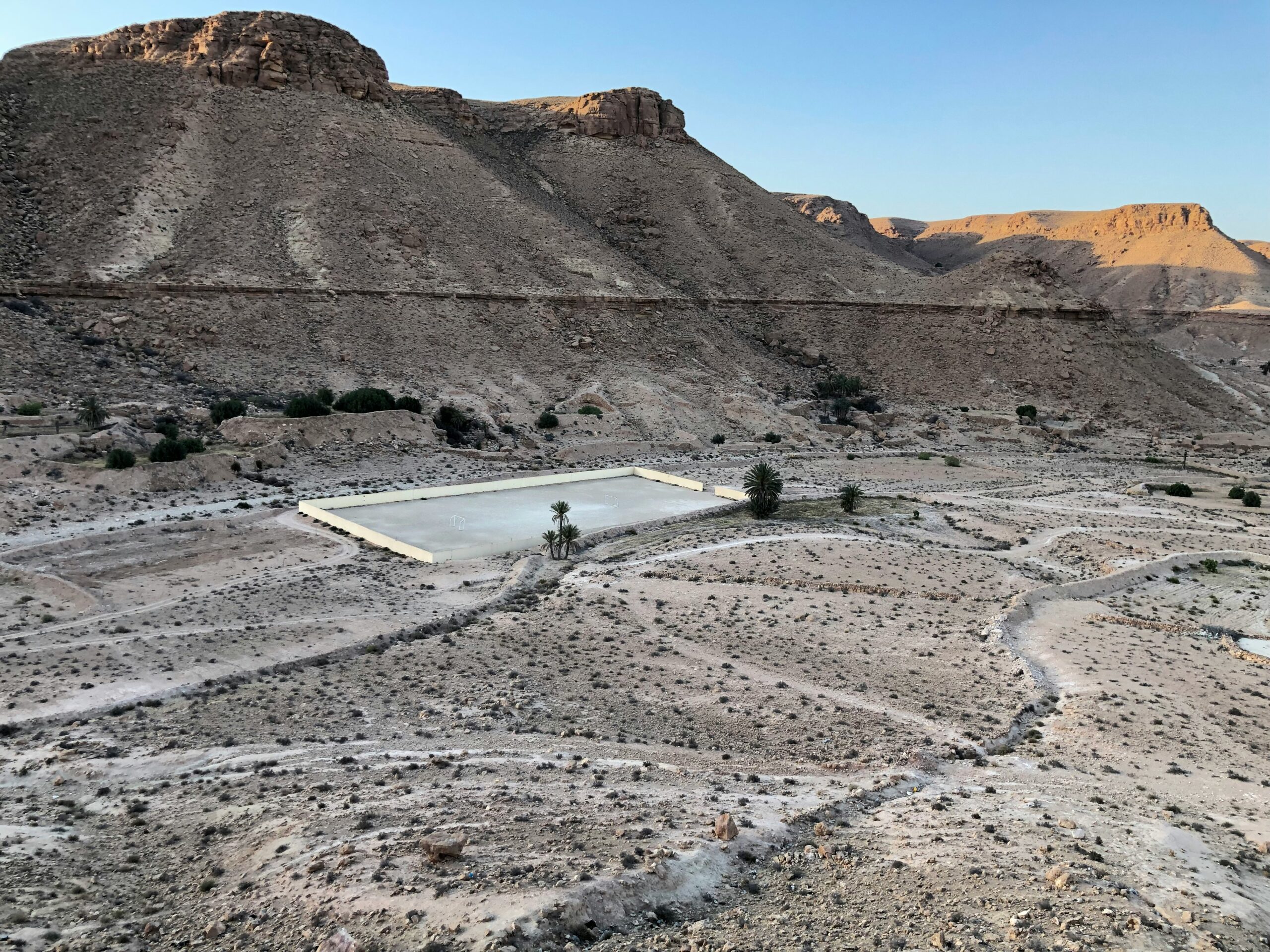
The story of human civilization is inextricably linked to the control and management of water. Before the grand aqueducts of Rome or the complex irrigation networks of Mesopotamia, a more subtle yet profoundly impactful technology emerged, silently shaping landscapes and nurturing life: the qanat. These subterranean water channels, an ingenious solution to arid environments, represent one of the earliest and most sophisticated examples of human engineering, predating many of the monumental feats of engineering we often associate with ancient cultures. The origins of qanat technology are not found in a single, dramatic invention, but rather in a gradual evolution of understanding and adaptation to environmental challenges, likely arising in regions where water scarcity was a constant, pressing concern. The precise geographical locus of the very first qanat remains a subject of scholarly debate, with evidence pointing towards the ancient Near East, particularly the Iranian plateau, as a strong contender for its genesis. This region, characterized by its high mountain ranges, vast arid plains, and seasonal rainfall, would have provided fertile ground for the development of a system that could reliably tap into subterranean water sources and transport them to where they were most needed. The ingenuity lay not just in digging tunnels, but in understanding the subtle geological cues that indicated the presence of water, the correct gradient for gravity-fed flow, and the perennial nature of aquifers, often recharged by snowmelt from distant mountains.
Whispers from the Earth: Early Innovations and Influences
The earliest qanats, while sophisticated for their time, were likely simpler in design and construction compared to later iterations. These initial systems might have been more akin to rudimentary well systems that gradually evolved into a connected series of shafts and tunnels. The foundational principle, however, remained the same: tapping into an underground aquifer and using gravity to guide water to the surface. The precise moment of transition from a simple well to a true qanat is difficult to pinpoint, but it likely involved recognizing the potential for a continuous water supply by linking multiple wells with a horizontal tunnel. This required a keen observational capacity – understanding how water moved through different soil and rock strata, and how to maintain a consistent slope over often considerable distances. The geological and hydrological knowledge necessary to construct even the earliest qanats would have been accumulated over generations. It’s probable that early nomadic or semi-nomadic peoples, who relied heavily on finding and managing water sources, were instrumental in developing this understanding. Their survival depended on their ability to locate springs, recognize areas with higher moisture content in the soil, and exploit any naturally occurring water seepages.
The Accidental Discovery: Serendipity in Water Management
It is plausible that some of the earliest qanat constructions were not entirely planned endeavors but involved elements of serendipity. In regions where rainfall was infrequent but intense, erosion could create natural gullies and channels that sometimes exposed subterranean water. The observation of these natural phenomena, perhaps coupled with attempts to dig deeper wells that inadvertently intersected with these naturally occurring water flows, could have sparked the idea of intentionally creating such pathways. The cumulative effect of these observations, passed down through oral traditions and practical demonstrations, would have gradually refined the techniques required. The gradual understanding of how to excavate stable tunnels, how to prevent collapse, and how to ensure a consistent flow of water would have been a slow but vital process.
The Interplay of Geology and Necessity: Environmental Drivers
The geological makeup of regions like the Iranian plateau played a crucial role in the development and success of qanat technology. The presence of layered sedimentary rocks and alluvial fans, often containing permeable gravels and sands interspersed with impermeable clay layers, creates ideal conditions for the formation of aquifers. The mountainous terrain surrounding these plains ensures that these aquifers are often recharged by precipitation and snowmelt, creating a reliable, albeit often deeply buried, water source. The extreme aridity of these regions made surface water unreliable for sustained agriculture or settlement. This environmental pressure, the constant threat of drought and the need for a dependable water supply, would have acted as a powerful catalyst for innovation. Faced with this stark reality, communities would have been driven to explore and exploit any available water resources, pushing the boundaries of their engineering capabilities. The qanat, by tapping into these hidden reserves, offered a solution that was both sustainable and relatively protected from evaporation, a critical advantage in hot, dry climates.
The earliest qanat technology, which dates back to ancient Persia, played a crucial role in the development of irrigation systems that allowed civilizations to thrive in arid regions. This innovative method of channeling groundwater to the surface has been linked to the sustainability of agricultural practices in ancient societies. For a deeper understanding of how environmental factors, including climate change, influenced the rise and fall of ancient civilizations, you can explore the article on the Bronze Age collapse and the role of climate at this link.
The Anatomy of Ingenuity: Deconstructing Early Qanat Construction

The construction of a qanat was a labor-intensive and technically demanding undertaking. It involved a remarkable understanding of surveying, excavation, and structural engineering, all without the benefit of modern tools or methodologies. The fundamental components of a qanat system are relatively simple yet brilliantly conceived: a source well (or wells) located in the vicinity of an aquifer, a subterranean tunnel (the qanat itself) that slopes gently downhill, and a series of vertical access shafts to facilitate construction, ventilation, and maintenance. The success of the entire system hinged on the precise gradient of the main tunnel, ensuring that water flowed by gravity from the aquifer to the point of use without excessive velocity that could cause erosion or insufficient flow.
The Art of the Slope: Precision in Gradient Management
Achieving the correct gradient was arguably the most critical and challenging aspect of qanat construction. A gradient that was too steep could lead to the tunnel’s collapse due to erosion, while a gradient that was too shallow would result in stagnant water, sedimentation, and an inefficient flow rate. Early qanat builders likely employed rudimentary yet effective surveying techniques. This might have involved using simple leveling tools, such as a water-filled trough or a plumb bob suspended from a string stretched between two points, to estimate differences in elevation. They would have also relied on their intimate knowledge of the local topography and the subtle visual cues of the land to guide their excavation. The initial source wells were dug until they reached the aquifer. From these points, the main qanat tunnel was excavated downhill. The gradient was maintained by carefully observing the flow of water (or the dampness of the soil) as the tunnel progressed, making minute adjustments as needed. This iterative process of excavation and observation, repeated over hundreds or even thousands of meters, speaks volumes about the patience, skill, and accumulated knowledge of these ancient engineers.
Navigating the Depths: Techniques for Subterranean Excavation
The excavation of the qanat tunnel itself was a feat of considerable difficulty. Workers would have to dig through various soil and rock formations, often in confined, dark, and potentially unstable conditions. The primary tools would have likely been hand-held implements such as picks, shovels, and hammers. In harder rock, they might have used fire-setting – heating the rock and then dousing it with water to cause thermal shock and fracturing, making it easier to break apart. The excavated material, known as spoil, had to be removed from the tunnel. This was a laborious process, typically involving baskets or rudimentary carts, which were then hauled up the access shafts. The efficiency of spoil removal was directly tied to the speed of construction and the overall success of the qanat. The access shafts, dug vertically from the surface, served multiple purposes. They provided light and ventilation, crucial for the workers’ safety and ability to breathe. They also allowed for the removal of excavated material and, importantly, provided access for inspection and repair once the qanat was operational.
Securing the Flow: Early Tunnel Reinforcement and Stabilization
While many qanats were designed to be self-supporting, particularly in stable soil conditions, early builders would have also developed techniques for reinforcing tunnel sections that were prone to collapse. This might have involved lining the tunnel walls with stones or mud bricks, especially in areas of soft or sandy soil. The primary concern would have been to prevent cave-ins that could not only halt construction but also endanger the lives of the workers. The judicious placement of timber supports, if available, might also have been employed, though the long-term preservation of such organic materials in subterranean environments would have been a challenge. The skill in recognizing unstable ground and applying appropriate stabilization measures would have been learned through hard experience. The longevity of many ancient qanats, some still functioning today, is a testament to the effectiveness of these early structural considerations.
The Rippling Impact: Qanat Technology’s Influence on Society and Settlement
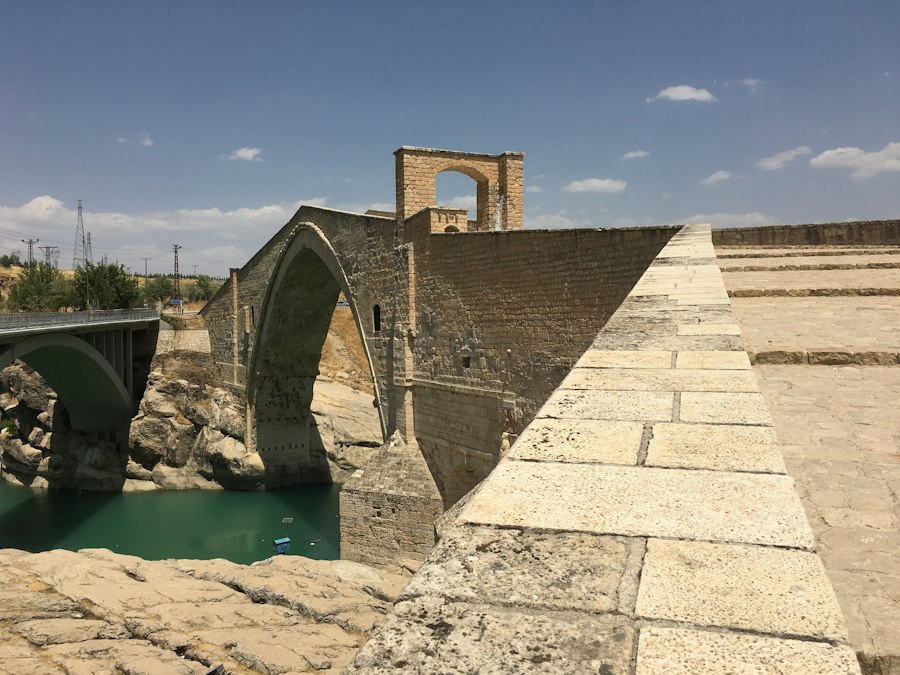
The introduction and widespread adoption of qanat technology had a transformative effect on the societies that embraced it. By providing a reliable and accessible source of water, qanats enabled the development of settled agriculture, the growth of populations, and the establishment of permanent urban centers in regions that would otherwise have been too arid to support them. This technological innovation was not merely an engineering marvel; it was a fundamental driver of social, economic, and political development, literally reshaping the landscape and the lives of the people who inhabited it. The ability to consistently irrigate crops, even during prolonged dry spells, allowed for the cultivation of a wider variety of foodstuffs, leading to increased food security and a surplus that could support specialized labor and trade.
Cultivating the Desert: Revolutionizing Agriculture and Food Production
Before the advent of qanats, agriculture in arid regions was largely dependent on unpredictable rainfall or the proximity of scarce surface water sources. This limited the types of crops that could be grown and often resulted in subsistence farming, with little surplus. Qanats changed this paradigm. By delivering a steady, controlled supply of water directly to agricultural fields, they facilitated the expansion of irrigation systems. This allowed for the cultivation of staple crops like wheat and barley, as well as fruits and vegetables, in areas previously deemed unsuitable for farming. The increased agricultural productivity not only supported larger populations but also fostered the development of a more complex economy. Farmers could produce more than they needed for immediate consumption, leading to the emergence of markets and trade networks. This surplus also freed up labor from subsistence farming, allowing individuals to pursue other crafts and trades, contributing to the growth of specialized economies and the development of more sophisticated societies.
From Subsistence to Surplus: The Economic Repercussions
The transition from subsistence farming to surplus production, enabled by qanat irrigation, had profound economic repercussions. It laid the foundation for settled communities and the development of market economies. The reliability of water meant that farmers could invest more time and resources into their land, knowing that their efforts were likely to yield a predictable return. This led to increased wealth and prosperity in qanat-dependent regions. The surplus agricultural produce could be traded for goods and services not readily available locally, stimulating economic activity and fostering interregional exchange. Furthermore, the maintenance and expansion of qanat systems themselves created employment opportunities, requiring skilled labor for construction, repair, and water management. This created a symbiotic relationship between the technological infrastructure and the economic vitality of the society.
Sustaining Growth: Population Dynamics and Urbanization
The increased food security and economic stability provided by qanat irrigation directly contributed to population growth and the development of larger, more permanent settlements. As communities were no longer forced to move in search of water or fertile land, they could establish deeper roots, build more substantial infrastructure, and raise larger families. The ability to sustain a larger population in a given area led to the gradual growth of villages into towns and, eventually, cities. These urban centers became hubs of economic activity, administration, and culture, further accelerating societal development. The qanat system not only supplied the water for daily life and agriculture but also facilitated the logistical needs of these growing settlements, providing water for domestic use, for crafts, and even for early forms of sanitation. The presence of a reliable water source became a defining characteristic of a successful and prosperous settlement, often influencing trade routes and political power.
The Social Fabric: Community, Governance, and Water Rights
The management and distribution of water from qanats often led to the development of complex social structures and systems of governance. Water was a precious commodity, and its equitable distribution was crucial for maintaining social harmony and economic stability. This often necessitated the establishment of rules, regulations, and communal agreements regarding water usage and maintenance. The responsibility for maintaining the qanats often fell to the communities they served, fostering a sense of collective ownership and shared responsibility. This communal effort in upkeep and management was vital for the long-term viability of the qanat system.
The Guardians of the Flow: Water Management and Governance Structures
In many qanat-dependent societies, specialized roles emerged for overseeing water management. These individuals or councils were responsible for ensuring that water was distributed fairly among users, for organizing repairs and maintenance of the qanat system, and for resolving any disputes that arose. These water management bodies often held significant social and political influence, as their decisions directly impacted the livelihood of the community. The rules governing water usage could be complex, often based on factors such as land ownership, the volume of water required for different crops, and the timing of water delivery. These regulations were crucial for preventing conflict and ensuring the sustainability of the water resource. The tradition of water management often became deeply ingrained in the cultural fabric, passed down through generations.
The Value of Water: Establishing Water Rights and Traditions
The scarcity of water and its vital importance led to the development of elaborate systems of water rights and traditions. These rights were often tied to land ownership or historical usage, and their establishment was a gradual process, shaped by custom and necessity. The concept of “water as a shared resource” was often prevalent, with an emphasis on communal responsibility for its conservation and distribution. However, as settlements grew and demand increased, more formalized systems of allocation and control emerged. Disputes over water were common, and the resolution of these disputes often relied on established traditions, arbitration by elders or community leaders, and, in some cases, more formal legal frameworks. These traditions and rights surrounding water usage are a critical part of the cultural heritage of many qanat-dependent regions, and some of these practices continue to influence water management today.
The Enduring Legacy: Qanat Technology Through the Ages
The ingenuity of early qanat builders laid the groundwork for a technology that would persist for millennia, adapting and evolving as societies progressed. While the heyday of qanat construction might be considered to be in ancient and medieval times, the principles and techniques developed then continued to influence water management in arid regions for centuries. The enduring legacy of qanats is not only in the physical remnants of these ancient systems but also in the profound impact they had on the development of human civilization, demonstrating the power of innovative engineering to overcome environmental challenges and foster societal growth. The knowledge and experience gained from constructing and maintaining qanats represented a significant repository of hydraulic engineering expertise.
The earliest qanat technology, which dates back to ancient Persia, showcases an impressive engineering feat that allowed for the efficient transportation of water from aquifers to arid regions. This innovative system not only revolutionized irrigation practices but also supported the growth of civilizations in harsh environments. For those interested in understanding how such ancient technologies continue to influence modern water management strategies, a related article can be found here: exploring global map shifts. This piece delves into the ongoing evolution of water distribution methods and their implications for future societies.
Evolutionary Threads: Qanats in Later Civilizations and Their Decline
As empires rose and fell, the qanat system proved remarkably resilient. It was adopted and adapted by various cultures, including the Romans, who built their own versions in arid territories, and later by the Islamic civilizations, which saw a flourishing of qanat construction and maintenance, particularly in Persia, North Africa, and parts of the Iberian Peninsula. During the Islamic Golden Age, qanat technology reached new heights of sophistication, with larger and more complex systems being constructed. However, with the advent of new technologies, particularly in modern times, and often due to neglect, political instability, or the over-extraction of groundwater, the widespread use of traditional qanats began to decline. The focus shifted towards more visible and seemingly easier-to-manage surface water diversions and, more recently, to modern pumping technologies, which, while efficient, can sometimes lead to unsustainable groundwater depletion.
The Spread of Knowledge: Transmission and Adaptation Across Cultures
The geographical spread of qanat technology is a testament to its effectiveness and the human capacity for innovation and adaptation. From its presumed origins in the Iranian plateau, the knowledge and techniques for constructing qanats diffused across vast distances. Traders, travelers, and conquering armies likely played a role in transmitting this vital knowledge. Different cultures adopted and modified the qanat system to suit their specific environmental conditions, available resources, and cultural practices. For instance, while the basic principles remained constant, the materials used for lining tunnels, the design of access shafts, and the methods of water distribution could vary significantly. This cross-cultural transmission highlights the universal appeal of a technology that offered a lifeline in arid lands, demonstrating that human ingenuity can transcend geographical and cultural boundaries.
The Modern Era: Challenges to Traditional Systems
The 20th and 21st centuries have presented significant challenges to the continued viability of traditional qanat systems. The development of powerful electric and diesel pumps has offered a seemingly more convenient and cost-effective alternative for extracting groundwater. However, this often leads to the over-extraction of aquifers, causing water tables to drop and the eventual abandonment of traditional qanat systems. Furthermore, the rise of large-scale, centralized water management projects and the increasing urbanization of rural areas have sometimes led to a decline in the communal maintenance and management structures that were essential for the upkeep of qanats. In many regions, the traditional skills and knowledge associated with qanat construction and maintenance are also at risk of being lost as younger generations move to urban centers and adopt different lifestyles. Despite these challenges, there is a growing recognition of the sustainable and environmentally friendly nature of qanat technology, leading to renewed interest in its preservation and revitalization in some areas.
The Living Heritage: Qanat Systems Today and Their Future Potential
Despite the decline in their widespread use, many qanat systems, particularly in regions like Iran, are still in operation, providing vital water resources for local communities. These living heritage sites are not only important sources of water but also invaluable historical and archaeological resources, offering a direct link to the ingenuity of our ancestors. There is a growing global appreciation for the sustainable and low-impact nature of qanat technology, prompting efforts to preserve and even revive these ancient systems, especially in the face of increasing water scarcity and climate change.
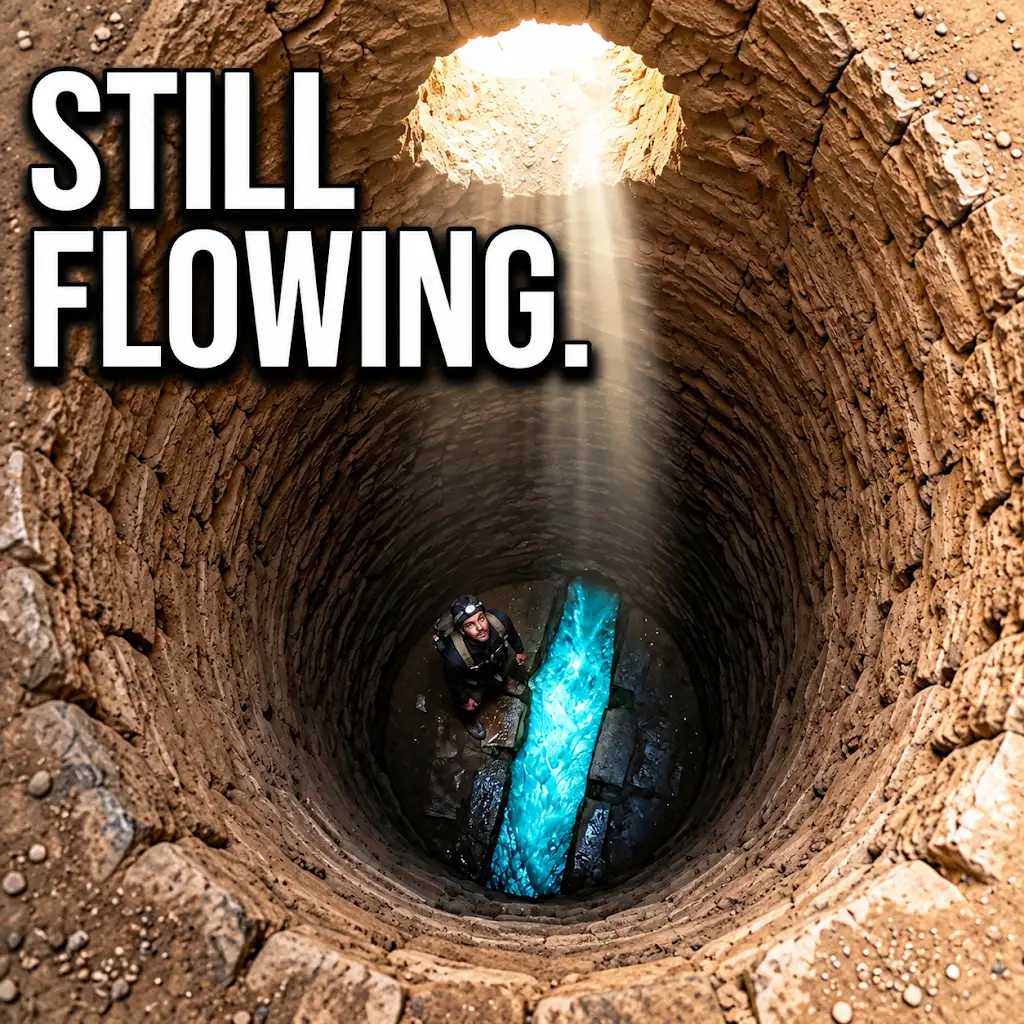
Still Flowing: Operational Qanats as Modern Water Sources
Remarkably, a significant number of qanats continue to function today, particularly in their ancestral homeland of Iran and in other parts of the Middle East and North Africa. These operational qanats serve as a testament to the robust and enduring nature of the engineering principles employed by their ancient builders. For many rural communities, these subterranean channels remain the primary source of water for drinking, agriculture, and livestock. They provide a sustainable and relatively low-maintenance water supply, often requiring minimal energy input compared to modern pumping systems. The continued functionality of these ancient systems underscores their inherent efficiency and their ability to adapt to changing environmental conditions over millennia. Their ongoing use highlights the practical and sustainable solutions that can be derived from understanding and respecting natural hydrological processes.
A Model for Sustainability: Lessons for Contemporary Water Management
In an era grappling with the severe challenges of water scarcity, climate change, and the need for sustainable resource management, the ancient qanat technology offers invaluable lessons. The principles of gravity-fed water delivery, minimal energy consumption, and communal management inherent in qanat systems provide a compelling model for contemporary water infrastructure. Their ability to tap into deep aquifers without the need for energy-intensive pumping, and their reliance on community involvement for maintenance, resonate with modern goals of sustainability and resilience. Efforts to revive and integrate qanat principles into modern water management strategies are underway in various regions, recognizing their potential to provide a more environmentally sound and socially equitable approach to water distribution, particularly in arid and semi-arid environments. The enduring wisdom embedded in these ancient systems offers a crucial perspective as humanity seeks to navigate the complexities of water security in the 21st century.
They Dug Water Tunnels Under the Desert… And They Still Flow
FAQs
What is a qanat?
A qanat is an underground water management system used to transport water from an aquifer under a hill to the surface for irrigation and drinking purposes.
When was the earliest qanat technology developed?
The earliest qanat technology is believed to have been developed in ancient Persia around 1000 BCE.
How does a qanat work?
A qanat works by tapping into an underground water source at the base of a hill, then using a series of gently sloping tunnels to transport the water to the surface at a lower elevation.
What are the benefits of using qanat technology?
Qanats provide a reliable and sustainable source of water for agriculture and human consumption, reduce water loss due to evaporation, and help prevent waterlogging and salinization of the soil.
Where can qanats be found today?
Qanats can still be found in various parts of the world, including Iran, Afghanistan, North Africa, and parts of the Middle East, where they continue to be used for irrigation and water supply purposes.