
How did early communities keep their food from going bad? It was a pretty big deal, considering there was no fridge or freezer. Mostly, they relied on a clever mix of natural processes and a good understanding of what made food spoil. Think drying, smoking, salting, fermenting, and even just using the cold. These weren’t just random ideas; they were hard-won knowledge passed down through generations, essential for survival.
The Basics of Keeping Food Safe
Before we dive into the specific methods, it’s helpful to understand why food spoils. It’s usually down to microorganisms like bacteria, yeasts, and molds. These tiny things need certain conditions to thrive: moisture, the right temperature, and nutrients. Early preservation methods were essentially about removing one or more of these critical elements.
Moisture Removal: The Art of Drying
Drying is perhaps the oldest and most straightforward food preservation technique. By removing water, you make it incredibly difficult for those spoilage microbes to survive. Early communities were experts at this, utilizing nature’s own drying agents: the sun and wind.
Sun Drying: Nature’s Own Dehydrator
In sunnier climates, this was the go-to method. Fruits, vegetables, and even meats were thinly sliced and spread out on mats, rocks, or elevated racks. The intense heat of the sun, combined with air circulation, would slowly but surely draw out the moisture. Think of raisins, prunes, or dried fish – these are all products of sun drying that have been enjoyed for millennia. The key was finding a location that was dry, sunny, and safe from pests.
Air Drying: For Cooler, Breezy Climates
In regions where direct, intense sunlight wasn’t always reliable, air drying still worked. This involved hanging food items in well-ventilated areas, often indoors near a fire (but not too close to cook it!) or under sheltered eaves. The constant flow of air would carry away moisture. This was particularly useful for herbs, root vegetables, and tougher cuts of meat that could be hung.
Smoke and Fire: More Than Just Cooking
Smoking was another ingenious method that served a dual purpose. Not only did the heat from the fire help to dry out the food, but the smoke itself contained compounds that acted as antimicrobial agents, further inhibiting spoilage. This gave food a distinct flavor, which became desirable in many cultures.
Cold Smoking vs. Hot Smoking
There were variations in smoking techniques. Cold smoking (at lower temperatures) primarily imparted flavor and acted as a preservative without fully cooking the food. Hot smoking (at higher temperatures) cooked the food while also preserving it. Meats and fish were commonly preserved this way, creating products that could last for extended periods.
Early communities faced significant challenges in managing scarce food resources, often developing innovative preservation techniques to ensure their survival. An insightful article that delves into this topic is titled “Uncovering Ancient Famine: Archaeological Insights,” which explores how ancient societies adapted to periods of food scarcity through various methods of preservation and storage. For more information on this fascinating subject, you can read the article here: Uncovering Ancient Famine: Archaeological Insights.
Harnessing the Power of Salt and Acidity
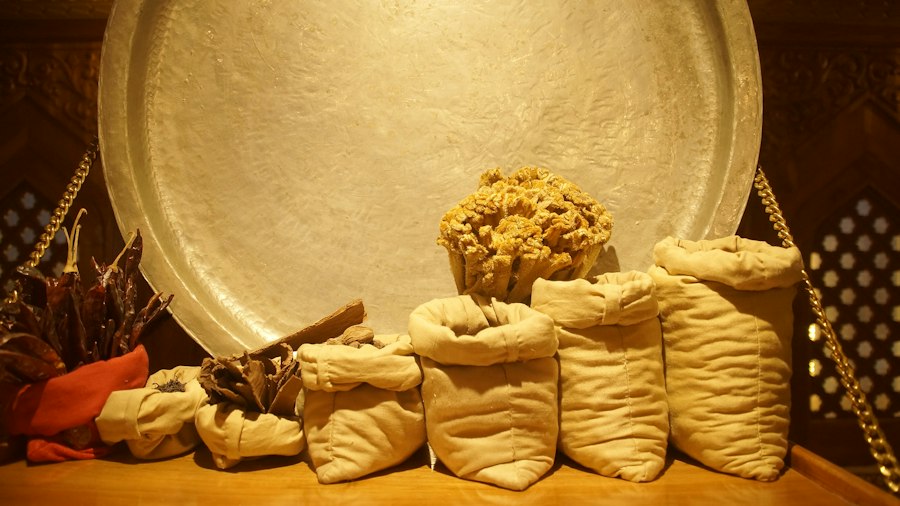
Salt has been a precious commodity for a very long time, not just for flavoring but for its remarkable ability to preserve food. Similarly, creating acidic environments made it hard for many harmful bacteria to grow.
Salting: The Ancient Preservative
Salt works by drawing water out of food through osmosis, a process that dehydrates the microbes responsible for spoilage. It also directly inhibits their growth. Early communities would pack meats and fish in layers of salt, or sometimes brine (saltwater solution). This was especially important for preserving animal proteins, which spoil relatively quickly. The result was food that could be stored for months, providing vital sustenance during leaner times.
Pickling: The Tangy Defender
Pickling involves preserving food in an acidic medium, most commonly vinegar. The high acidity creates an environment where most spoilage bacteria cannot survive. This method was particularly effective for vegetables. Cucumbers, onions, and various fruits were submerged in vinegar, sometimes with added spices for flavor. This technique not only preserved the food but also transformed its taste and texture, creating a new culinary experience.
Fermentation: The Controlled Rot
Fermentation might sound counterintuitive, but it’s a highly controlled process where beneficial microorganisms, like certain bacteria and yeasts, break down food components in the absence of oxygen. These beneficial microbes produce acids (like lactic acid) and other compounds that actually inhibit the growth of spoilage-causing organisms.
Lactic Acid Fermentation: The Power of Bacteria
This is the process behind things like sauerkraut, kimchi, and yogurt. Cabbage, for example, can be salted and then allowed to ferment. Lactic acid bacteria naturally present on the cabbage convert sugars into lactic acid, lowering the pH and preserving the food. This process not only preserved the cabbage but also enhanced its nutritional value by increasing vitamin content and making it more digestible.
Utilizing the Earth’s Natural Refrigeration

Long before electric refrigerators, people were incredibly adept at using the natural cold to their advantage. This was a game-changer for storing perishable items.
Root Cellars: Underground Sanctuaries
Root cellars were a common feature in many early communities. These were essentially underground or partially underground structures designed to maintain a cool, stable temperature and high humidity year-round. They were perfect for storing root vegetables like potatoes, carrots, and turnips, as well as apples and other fruits. The consistent coolness slowed down respiration and enzyme activity, delaying spoilage. The darkness also helped prevent sprouting.
Natural Chilling: Snow and Ice
In colder regions, natural ice and snow were utilized. People would harvest ice from frozen lakes and rivers in winter and store it in insulated ice houses, packed with straw or sawdust for insulation. This ice could then be used throughout the warmer months to keep foods cool, extending the shelf life of dairy products, meats, and other highly perishable items. Access to ice was a significant advantage for food preservation.
Advanced Methods and Community Efforts
As communities grew and developed, so did their food preservation techniques. These often involved more complex processes and shared efforts, highlighting the importance of cooperation in ensuring everyone had enough to eat.
The Dawn of Canning: A Revolution in Preservation
While seemingly modern, the roots of canning go back further than many realize. The process of sealing food in airtight containers and heating them to kill microbes became a significant step forward. Initially, it was a laborious process, often done in large kettles.
Community Canning: Sharing the Load
In some areas, like the Appalachian region explored by East Tennessee State University’s exhibit, community canneries played a vital role. Instead of each household having to invest in expensive equipment, they could bring their produce to a central location. This allowed for efficient preservation on a larger scale, with organizations often prioritizing those in need. It transformed preservation from an individual chore into a shared community service, ensuring food security for many families, especially during challenging times. This communal approach underscores how crucial consistent food access was and how people worked together to achieve it.
Early Use of Ash for Preservation
Fascinating research reveals that even much earlier hominins, like those at Qesem Cave over 300,000 years ago, were using wood ash. This wasn’t for cooking, but for preservation. Wood ash is alkaline and can help to dry out food and inhibit bacterial growth. While the exact mechanisms are still being studied, it shows a very early understanding of how to manipulate the environment to extend the life of perishable resources. This suggests that the impulse to preserve food is a deeply ancient human trait, driven by the need to survive lean periods.
In exploring the strategies of early communities in managing scarce food resources, it is fascinating to see how they developed innovative preservation techniques to ensure survival during harsh times. These methods not only helped in extending the shelf life of food but also fostered a sense of community as people shared knowledge and resources. For a deeper understanding of how communities prepare for various challenges, including food scarcity, you can read this insightful article on surviving natural disasters.
The Legacy of Preservation Today
| Community | Time Period | Food Preservation Method | Scarcity Management Strategy | Estimated Food Storage Duration | Impact on Community Survival |
|---|---|---|---|---|---|
| Ancient Egyptians | 3000 BCE – 1000 BCE | Drying and Salting | Seasonal Harvest Storage | 6-12 months | Enabled year-round food availability during Nile floods |
| Neolithic European Villages | 7000 BCE – 3000 BCE | Smoking and Fermentation | Communal Food Sharing | 3-9 months | Reduced food waste and improved nutrition during winters |
| Indigenous Arctic Communities | Prehistoric – Present | Freezing and Drying | Hunting Quotas and Food Rationing | Up to 12 months | Maintained food supply during scarce hunting seasons |
| Ancient Chinese Settlements | 2000 BCE – 500 BCE | Pickling and Salting | Grain Storage in Silos | 6-18 months | Stabilized food supply during droughts and famines |
| Early Mesopotamian Cities | 3500 BCE – 1500 BCE | Sun Drying and Storage in Clay Jars | Centralized Food Distribution | 6-9 months | Supported urban populations through seasonal shortages |
Even with modern refrigeration and a globalized food supply, the interest in these older food preservation methods remains strong. Many people are rediscovering the benefits of drying, fermenting, and pickling.
Continuing the Tradition
Organizations like the National Center for Home Food Preservation continue to provide guidance on safe and effective home food preservation techniques. This reflects a desire to connect with ancestral foodways, reduce food waste, and gain a greater understanding of where our food comes from and how it can be sustained. The skills and knowledge developed by early communities are not just historical curiosities; they are practical skills that still have relevance today, offering a valuable connection to our past and a more resilient approach to our future.

Life 20,000 Years Ago | When Your Ice Age Family Can’t Feed the Dog
FAQs
What methods did early communities use for food preservation?
Early communities employed various methods for food preservation, including drying, smoking, salting, fermenting, and pickling. These techniques helped to extend the shelf life of perishable foods and ensured a stable food supply during lean seasons.
Why was food preservation important for early communities?
Food preservation was crucial for early communities as it allowed them to store surplus food during harvest times for use during periods of scarcity. This practice helped to prevent famine and ensured that communities could survive through harsh weather conditions or crop failures.
How did climate influence food preservation techniques in early communities?
Climate played a significant role in determining the food preservation techniques used by early communities. For instance, communities in arid regions often relied on drying and smoking, while those in cooler climates might have used fermentation and root cellaring to keep food from spoiling.
What role did community cooperation play in food preservation?
Community cooperation was vital in food preservation as it allowed for the pooling of resources and labor. Groups would often work together to harvest, process, and store food, sharing knowledge and techniques that enhanced their overall food security.
How did early food preservation methods impact modern practices?
Many early food preservation methods laid the groundwork for modern practices. Techniques such as canning, freezing, and dehydration have evolved from traditional methods, and understanding these historical practices can inform sustainable food management and preservation strategies today.