The Ingenuity of the Ice Age Hunter
The story of Homo sapiens is inextricably linked to the challenges and opportunities presented by their environments. Among the most significant of these was the hunt for large game, particularly the abundant herds of reindeer that roamed the vast landscapes of Pleistocene Eurasia. For early Homo sapiens, mastering the art of hunting these elusive and powerful animals was not merely a matter of sustenance; it was a testament to their developing cognitive abilities, their social structures, and their innovative use of tools and strategies. The techniques employed by these prehistoric hunters reveal a deep understanding of animal behavior, an ability to predict movement patterns, and a remarkable capacity for cooperation, all essential for survival in a world shaped by ice and open plains.
Early Homo sapiens developed sophisticated hunting strategies to pursue reindeer, utilizing their understanding of animal behavior and seasonal migrations. These early humans crafted tools from stone and bone, which allowed them to effectively hunt in the challenging environments of the Ice Age. For a deeper exploration of the techniques and social structures that supported these early hunting practices, you can read more in the article “Unearthing Ancient Secrets: Revealing Hidden History” available at this link.
Understanding the Prey: Reindeer Ecology and Behavior

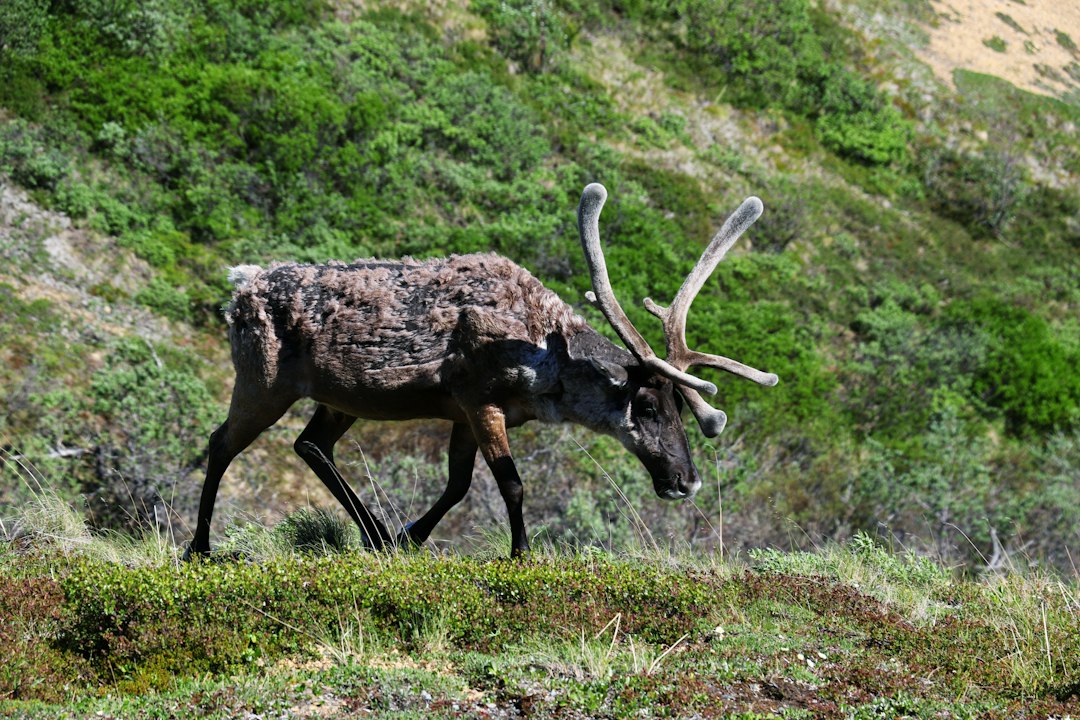
Before delving into the hunting techniques, it is crucial to understand the nature of the prey. Reindeer, also known as caribou in North America, are highly adapted to cold climates. Their thick fur, broad hooves for traversing snow and soft ground, and their ability to digest lichen during winter months made them a reliable, albeit challenging, food source. Early Homo sapiens would have spent generations observing these animals, learning their seasonal migration routes, their feeding habits, and their social dynamics. This detailed knowledge was the foundation upon which their hunting strategies were built.
Seasonal Migrations and Their Exploitation
Reindeer are well-known for their extensive annual migrations, often traveling hundreds or even thousands of kilometers between calving grounds in the north and wintering areas in the south. These migrations represented predictable windows of opportunity for human hunters. By understanding the timing and pathways of these movements, Homo sapiens could position themselves to intercept herds at vulnerable points. Washes, narrow valleys, and river crossings were particularly attractive ambush sites, concentrating the animals and making them easier to target. The predictable nature of these movements allowed for a degree of planning and coordination that would have been impossible for opportunistic, individualistic hunters. Archeological evidence, such as the concentration of reindeer remains at specific sites, supports the theory that early humans strategically exploited these migratory routes. The accumulation of bones at sites like those found in the Magdalenian period in Europe strongly suggests repeated successful hunts tied to seasonal gatherings of reindeer.
Herd Dynamics and Vulnerable Individuals
The social structure of reindeer herds also presented opportunities. Herds are not monolithic entities but rather complex social units with dominant individuals and sub-groups. Young, old, and injured animals are often more susceptible to predation. Hunters would have learned to identify these weaker members of the herd, either through direct observation or by analyzing the herd’s general behavior. Targeting these individuals would have been more efficient, requiring less energy and posing a lower risk to the hunters. Furthermore, the panic and fragmentation that can occur when a herd is startled or attacked could be exploited. A well-timed intervention could separate a portion of the herd, making it easier to isolate and overwhelm a smaller group or individual animals. The ability to discern and exploit subtle cues within the herd’s behavior would have been a hallmark of successful early Homo sapiens hunting groups.
The Toolkit of the Hunter: Weapons and Implements
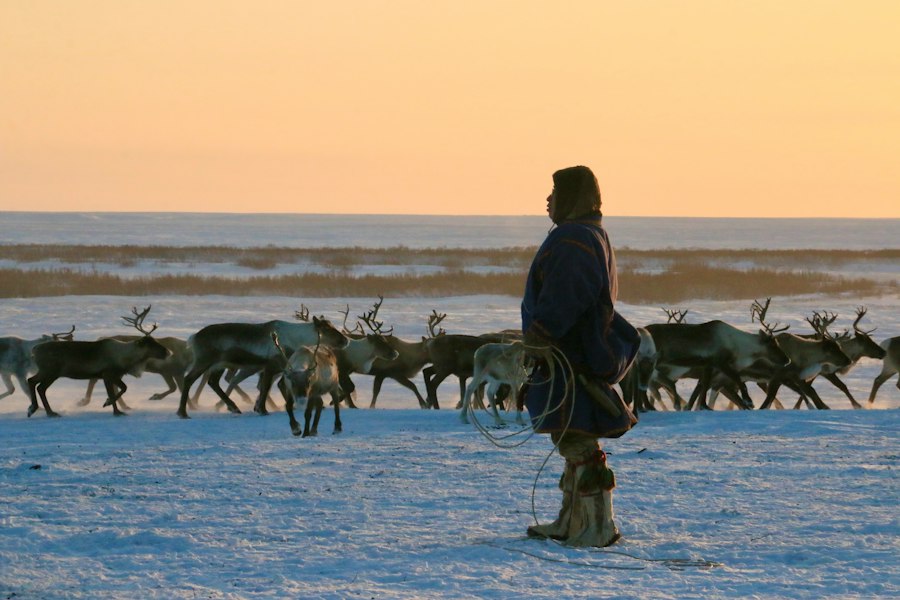
The success of early Homo sapiens in hunting large game like reindeer was heavily reliant on the development and refinement of a sophisticated toolkit. These tools were not simply rudimentary sticks and stones; they were ingeniously crafted implements designed for specific purposes, reflecting a growing understanding of physics, materials, and biomechanics. The ability to create and utilize these tools allowed for effective hunting at a distance, reducing the risk of direct confrontation.
Projectile Technology: Spears and Spear-Throwers
The spear was likely one of the earliest and most fundamental hunting weapons. Fashioned from sturdy wood and tipped with sharpened stone points, these spears could be thrown with considerable force and accuracy. The development of the atlatl, or spear-thrower, represented a significant technological leap. This device, a lever that increased the velocity and range of a thrown spear, allowed hunters to strike prey from a safer distance. The archeological record provides abundant evidence of finely crafted stone projectile points, some of which are clearly designed for hafting onto spears. The variations in point morphology suggest adaptation to different prey types and hunting scenarios. The effectiveness of the spear and atlatl combination would have been crucial for bringing down large, fast-moving animals like reindeer. Experiments with replica atlatls have demonstrated their ability to propel spears with significant force, capable of penetrating thick hides and causing substantial damage to large animals.
The Power of the Haft: Axes, Knives, and Scrapers
Beyond projectile weapons, a range of hafted tools played vital roles in both the hunt and the subsequent processing of the carcass. Hand axes and adzes, often with carefully shaped stone heads, would have been used for tasks such as felling trees to create hunting blinds or constructing barriers. Sharply flaked stone knives were indispensable for skinning, butchering, and preparing hides for clothing and shelter. Scrapers, with their finely honed edges, were crucial for cleaning and preparing hides, a process vital for survival in cold climates. The careful selection of stone materials, such as flint and obsidian, and the meticulous knapping techniques employed to create these tools highlight the advanced craftsmanship of early Homo sapiens. The bifacial nature of many of these tools, meaning they were worked on both sides to create a sharp edge, indicates a high degree of skill and precision in their manufacture.
Collaborative Strategies: The Power of the Group
Hunting large game, especially in challenging environments, was rarely a solitary endeavor for early Homo sapiens. The scale and danger of such hunts necessitated cooperation, planning, and communication. The development of complex social structures and the ability to coordinate group efforts were as vital to their success as any physical tool.
Driving and Ambush Tactics
One of the most effective cooperative hunting strategies involved driving the prey towards a pre-determined ambush point. This could be achieved by a group of hunters, often positioned in strategic locations, who would systematically herd the reindeer. The use of noise, movement, or even controlled fires might have been employed to direct the animals. The goal was to channel the herd into a natural trap, such as a steep ravine, a narrow gorge, or a body of water, where they could be more easily attacked. In other scenarios, hunters might have used landscape features to their advantage, herding reindeer towards cliff edges or into dense thickets where their movements were restricted. The success of such tactics depended on precise timing, clear communication (likely through vocalizations and gestures), and a shared understanding of the plan. Archeological sites situated near geographic bottlenecks, such as river crossings or narrow valleys, often show evidence of concentrated reindeer remains, suggesting the effectiveness of these driving and ambush techniques.
Coordinated Pursuit and Interception
In some instances, a more direct, coordinated pursuit might have been employed. This would involve groups of hunters fanning out, some actively flushing the animals, while others positioned themselves for the kill. The ability to track a fleeing herd and anticipate its movements over considerable distances would have been essential. This often involved understanding the terrain and how the reindeer would navigate it. For example, hunters might have anticipated that a herd would seek refuge in dense forest cover or attempt to cross a river. Knowing these likely escape routes allowed other hunters to intercept them. This type of coordinated pursuit would have required exceptional levels of communication and trust among the hunting party. The division of labor within the group, with some individuals acting as “flushers” and others as “killers,” would have maximized efficiency and minimized risk. The development of long-distance communication methods, even rudimentary ones, would have been crucial for coordinating such efforts across open landscapes.
Early Homo sapiens developed sophisticated hunting techniques to pursue reindeer, utilizing tools made from stone and bone to increase their efficiency. These early humans likely employed strategies such as cooperative hunting and the use of natural landscapes to their advantage, which allowed them to successfully track and capture these large animals. For a deeper understanding of how ancient societies adapted their skills and technologies for survival, you can explore a related article that discusses various manufacturing practices in different cultures by visiting this link.
Ritual and Belief: The Spiritual Dimension of the Hunt
| Aspect | Details |
|---|---|
| Hunting Techniques | Group hunting with coordinated drives, ambush tactics, and use of natural terrain features |
| Weapons Used | Spears (thrusting and throwing), atlatls (spear-throwers), and stone-tipped projectiles |
| Seasonal Timing | Primarily during autumn and winter when reindeer migrated and were more vulnerable |
| Hunting Group Size | Small to medium-sized groups (5-20 individuals) for effective coordination |
| Tracking Skills | Advanced knowledge of reindeer behavior, migration patterns, and signs such as footprints and droppings |
| Use of Environment | Utilized natural traps like cliffs, narrow passes, and frozen lakes to trap or herd reindeer |
| Processing | Immediate butchering at kill site; use of all parts for food, tools, clothing, and shelter |
The act of hunting was not solely a pragmatic endeavor for early Homo sapiens; it was also deeply interwoven with their spiritual beliefs and social rituals. The reverence for the animals that sustained them, coupled with the inherent dangers of the hunt, likely fostered a complex relationship between humans and the natural world that extended beyond mere survival.
Cave Art and Symbolic Representations
The striking cave paintings found in sites across Europe, such as Lascaux and Chauvet, offer a compelling glimpse into the symbolic world of these early hunters. Reindeer are a recurring and prominent motif in these artworks, depicted with remarkable detail and realism. The fact that these animals were so frequently represented suggests their profound cultural and spiritual significance. These paintings may have served various purposes: as records of successful hunts, as instructional tools for younger generations, or as part of ritualistic practices aimed at ensuring future success in the hunt. The meticulous detail in which the reindeer are depicted suggests a deep understanding and perhaps even a form of respect for the animals. Some interpretations suggest that the paintings were part of shamanistic rituals, designed to invoke the spirits of the animals or to ensure a successful hunt through sympathetic magic. The placement of these paintings in deep, often inaccessible parts of caves further suggests their ceremonial importance.
Offerings and Votive Practices
Evidence of offerings and votive practices at hunting sites also points to the spiritual dimension of the hunt. The careful placement of animal bones, often in specific arrangements, or the deposition of crafted artifacts alongside animal remains, can be interpreted as attempts to appease the spirits of the animals or to express gratitude for their sacrifice. These practices would have served to reinforce the social bonds within the group and to maintain a sense of balance with the natural world. The ritualistic dismantling and deposition of animal carcasses, as observed at some Paleolithic sites, suggests that the act of hunting was imbued with meaning beyond the simple acquisition of food. It was a process that connected humans to the cycle of life and death, and to the spiritual forces that governed their world. This spiritual connection likely fostered a sense of responsibility and respect towards the animal populations, ensuring a more sustainable approach to hunting over the long term.
The Legacy of the Reindeer Hunter: Adaptation and Innovation
The techniques developed by early Homo sapiens for hunting reindeer were not static; they evolved over millennia, driven by changing environmental conditions, technological advancements, and the accumulation of knowledge. This continuous process of adaptation and innovation was a hallmark of our species, enabling our ancestors to thrive in diverse and often challenging environments across the globe.
Environmental Pressures and Technological Advancement
The fluctuating climate of the Pleistocene, with its periods of glaciation and interglacial warming, would have profoundly influenced reindeer populations and their distribution. Early Homo sapiens had to constantly adapt their hunting strategies to these shifts. For example, as glaciers advanced and retreated, reindeer might have concentrated in different regions or adopted new migration patterns. This would have necessitated the refinement of existing tools and the development of new ones. The mastery of fire, for instance, likely played a role in hunting by allowing for the creation of driving barriers or by making campsites more comfortable and defensible. The increasing sophistication of stone tool technology, from simple choppers to finely flaked blades and projectile points, directly reflects the ongoing need to improve hunting efficiency and safety. The development of specialized tools for different aspects of the hunt and carcass processing demonstrates a growing understanding of material properties and biomechanics.
Social Complexity and Cultural Transmission
The transmission of hunting knowledge and techniques across generations was critical for the long-term survival of Homo sapiens. This cultural transmission likely occurred through observation, imitation, and storytelling. The development of more complex social structures, including larger family groups and more intricate social networks, would have facilitated the sharing of information and the coordination of larger-scale hunting expeditions. The successful exploitation of reindeer herds, a resource that could sustain larger populations, likely contributed to the increasing social complexity of early human societies. This feedback loop, where successful hunting enabled greater social organization, which in turn facilitated even more successful hunting, is a key aspect of human evolution. The archaeological evidence of increasingly sophisticated campsites and the wider distribution of human populations during the Upper Paleolithic further supports the idea of enhanced social organization and successful resource management. The ability to pass down not just technical skills but also the cultural and spiritual context surrounding the hunt ensured the continuity of these vital practices.
