
Adapting to the Ice: The Ingenuity of Early Human Ancestors in Winter’s Grip
The story of human evolution is indelibly linked to our remarkable capacity for adaptation, a trait forged in the crucible of challenging environments. Among the most formidable of these were the harsh, unforgiving winters experienced by our early human ancestors. The Pleistocene epoch, often characterized by glacial cycles and frigid temperatures, demanded an extraordinary level of ingenuity and resilience. Survival was not a given; it was a testament to the developing cognitive abilities, social structures, and technological advancements that allowed these hominins to not just endure, but thrive, in landscapes dominated by ice and snow. This article delves into the multifaceted strategies employed by early human ancestors to navigate the formidable challenges of winter survival, revealing a profound interconnectedness between environmental pressures and the evolutionary trajectory of our species.
Recent studies on early human ancestors have shed light on their remarkable strategies for winter survival, showcasing their adaptability to harsh climates. For a deeper understanding of ancient cultures and their resilience, you can explore the article about the mystical sound of Chavín de Huantar, which highlights the significance of sound in ancient rituals and its potential role in community cohesion during challenging times. To read more, visit this article.
The Frozen Frontier: Understanding the Winter Environment
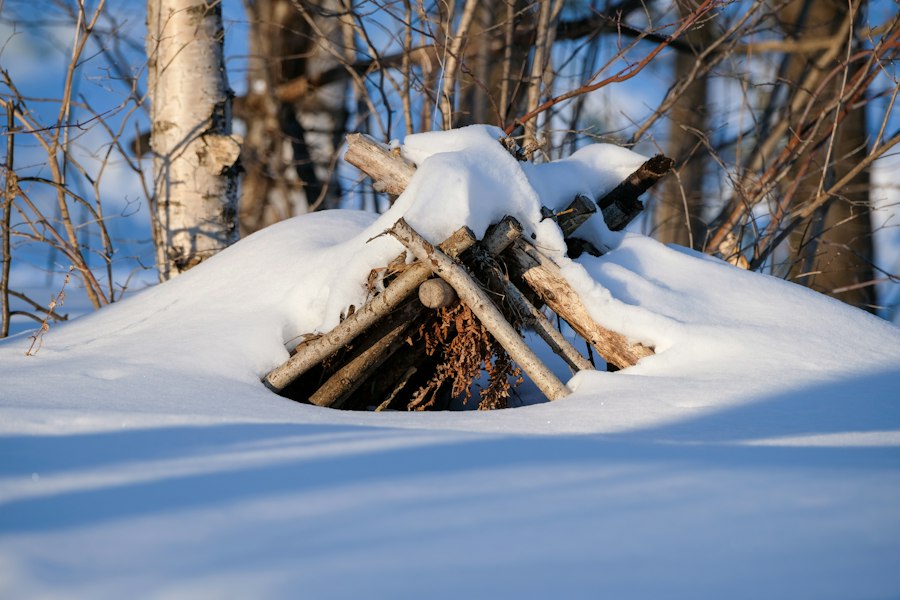
The world our early ancestors inhabited was a starkly different place from the one we know today. Periods of intense glaciation, known as glacial periods or ice ages, saw vast ice sheets expand across continents, dramatically altering landscapes and climates. These periods were interspersed with warmer interglacial periods, but even the “milder” winters posed significant challenges. Understanding the specific environmental conditions faced is crucial to appreciating the adaptive strategies that emerged.
The Reign of Ice and Cold
During glacial periods, large portions of North America, Europe, and Asia were covered by thick glaciers, some kilometers deep. These ice sheets exerted immense pressure on surrounding landmasses, sculpting mountains, carving out valleys, and influencing weather patterns far beyond their immediate reach. Temperatures plummeted, with average winter temperatures significantly lower than those experienced in tropical or temperate regions today. This intense cold meant that exposed skin could quickly succumb to frostbite, and hypothermia posed a constant threat to life.
Resource Scarcity in a White Landscape
The frozen environment presented a formidable challenge to food procurement. Vegetation, the primary food source for many herbivorous prey animals, became scarce or inaccessible beneath blankets of snow and ice. Rivers and lakes often froze over, restricting access to aquatic resources. The availability of edible plants dwindled, forcing hominins to rely more heavily on animal protein. This scarcity not only impacted direct food acquisition but also influenced the availability of other essential resources like wood for fuel and materials for shelter and tools.
The Shifting Seasons and Migration Patterns
While glacial periods were characterized by extreme cold, the cyclical nature of ice ages meant that even within these periods, there were fluctuations in temperature and ice cover. These shifts, along with the annual seasonal changes, dictated the migratory patterns of prey animals. Understanding these movements and predicting their timing was vital for successful hunting expeditions. Early human ancestors had to develop sophisticated observational skills and a deep understanding of their environment to track herds and anticipate their needs. This often involved long-distance movements, following the availability of food and temperate conditions, which in itself presented its own set of survival challenges.
Hearth and Home: Shelter as a Shield Against the Elements

The development of effective shelter was a paramount strategy for survival in frigid winter conditions. Beyond simply providing a roof over their heads, these early shelters served as critical microclimates, protecting hominins from the biting wind, snow, and extreme cold. The sophistication and effectiveness of these structures evolved over time, reflecting a growing understanding of materials science and construction techniques.
Ingenuity in Natural Dwellings
Early hominins likely took advantage of natural shelters offered by the landscape. Caves and rock overhangs provided immediate protection from the elements, offering a stable environment and often a degree of insulation. These natural formations would have been scouted and utilized for their strategic locations, offering proximity to water sources and hunting grounds. Evidence of fire use within these caves, such as charcoal deposits and heat-altered sediments, indicates their importance as communal living spaces where warmth and light were essential for survival and social cohesion during the long winter nights.
The Dawn of Constructed Shelters
As hominin populations grew and their territories expanded, the reliance on natural shelters became insufficient. This spurred the development of constructed dwellings, ranging from simple windbreaks to more elaborate structures. These early constructions often utilized readily available natural materials. Weaving branches and grasses together could create rudimentary walls, and piles of stones could form windbreaks. The discovery of evidence of postholes and hearths in open-air sites suggests the construction of circular or semi-circular dwellings, often with a central fire pit. These structures, while seemingly basic by modern standards, represented a significant leap in human agency and control over their environment.
Mastering the Art of Insulation
The effectiveness of any shelter is greatly enhanced by its ability to retain heat. Early human ancestors likely experimented with various insulating materials. The use of animal hides, furs, and dried grasses would have been crucial for lining shelters and creating bedding that provided warmth and comfort. Evidence of bone needles and awls suggests the ability to stitch hides together, creating more complex and effective coverings. Understanding the thermal properties of different materials and how to layer them would have been an acquired skill, passed down through generations, contributing significantly to their ability to survive prolonged periods of extreme cold.
Fueling the Flame: The Indispensable Role of Fire
Fire was arguably the single most transformative technology for early human ancestors, and its importance in winter survival cannot be overstated. Beyond its role in cooking and light, fire provided essential warmth, a crucial defense against hypothermia and a catalyst for social interaction during the dark, cold months. The control and manipulation of fire represent a pivotal moment in human evolution, unlocking a suite of adaptive strategies.
The Genesis of Fire Control
The precise timeline and methods of fire control remain subjects of ongoing research. However, archaeological evidence, such as fire-hardened tools and hearths containing burnt animal bones and plant matter, indicates that hominins, at least by the Middle Pleistocene, were capable of controlling and utilizing fire. Initially, this may have involved the opportunistic use of naturally occurring fires, such as those ignited by lightning. Over time, the ability to ignite and maintain fires would have been developed, a skill requiring significant knowledge of fuel sources and combustion.
Fire as a Source of Warmth and Protection
The most immediate benefit of fire during winter was its ability to generate warmth. A well-maintained fire could raise the temperature within a shelter significantly, making it a habitable space even in sub-zero conditions. This warmth not only prevented hypothermia but also allowed for increased activity during colder periods, facilitating tool making, food preparation, and social engagement. Furthermore, fire served as a deterrent against predators, creating a safer living environment during the vulnerable winter months.
Fire’s Impact on Diet and Resource Utilization
Fire revolutionized food preparation. Cooking meat and plant matter made them more digestible, unlocked nutrients that would otherwise be unavailable, and killed harmful pathogens. This improved diet contributed to better health and energy levels, crucial for surviving the rigors of winter. Fire also played a role in resource management. It could be used to clear land for temporary encampments, to harden wooden tools, and even to extract certain resources, such as resin from trees for use as adhesive. The ability to process food and resources more effectively through fire had a profound impact on the sustainability of human populations during winter.
Recent studies have shed light on how early human ancestors adapted to survive harsh winter conditions, showcasing their remarkable resilience and ingenuity. These findings are crucial for understanding the evolutionary strategies that allowed our ancestors to thrive in diverse environments. For a deeper exploration of survival challenges, you might find it interesting to read about future challenges in building and defending habitats in extreme conditions, as discussed in this article on lunar bases. The connection between ancient survival tactics and modern challenges can provide valuable insights into human adaptability. You can read more about it here.
Nourishing the Tribe: Foraging, Hunting, and Preserving
| Metric | Value | Notes |
|---|---|---|
| Average Winter Temperature | -10°C to 5°C | Estimated range in Ice Age habitats |
| Body Fat Percentage | 10-15% | Increased for insulation and energy storage |
| Clothing Use | Simple animal skins | Evidence from tool marks on bones |
| Shelter Type | Caves and constructed huts | Protection from cold and wind |
| Fire Use | Controlled use ~400,000 years ago | Crucial for warmth and cooking |
| Diet Composition | High protein and fat | Includes hunted game and stored foods |
| Group Size | 10-30 individuals | Social cooperation for survival |
| Winter Survival Rate | Estimated 60-70% | Based on fossil and archaeological data |
The winter months presented a stark challenge to food security. With vegetation largely dormant and prey animals often migrating or seeking shelter, foraging and hunting strategies had to be adapted to exploit limited resources and ensure the survival of the group. The development of specialized hunting techniques and methods for food preservation were vital components of winter survival.
Adapting Foraging Strategies
While plant-based foods became scarce, early ancestors likely continued to utilize any available resources. This might have included digging up roots and tubers that were still accessible beneath the snow, consuming hardy evergreen leaves, or scavenging for carrion. The knowledge of which plants remained viable throughout the winter, and where to find them, would have been a crucial element of their ecological understanding. The ability to identify and process these less palatable or nutrient-dense winter flora would have been a hard-won skill.
The Art of Winter Hunting
Hunting was likely the cornerstone of winter subsistence for many early human groups. This involved a combination of opportunistic encounters and planned expeditions. Tracking herds that remained in the area, such as reindeer, mammoths, or bison, would have been a primary focus. The development of sophisticated hunting techniques, such as driving prey into natural traps like ravines or bogs, or utilizing the terrain to ambush animals, became increasingly important. Cooperative hunting, where individuals worked together to corner, isolate, and bring down large game, would have been essential for acquiring sufficient food and for safety. This required advanced communication and coordination skills.
The Science of Food Preservation
Given the unpredictable nature of winter hunting success, preserving food was a critical strategy for ensuring survival. While the exact methods used by early hominins are debated, several possibilities exist. Drying meat and fish in the sun or over smoke would have reduced moisture content, inhibiting bacterial growth and extending shelf life. Another possibility is the use of natural cold storage, burying caches of food in frozen ground or in ice-covered areas, effectively creating natural freezers. The ability to successfully preserve food meant that a successful hunt could sustain the group through leaner periods, reducing the risk of starvation.
Early human ancestors faced numerous challenges during winter months, requiring innovative survival strategies to endure harsh conditions. A fascinating article explores how these early humans adapted their behaviors and tools to thrive in the cold, shedding light on their resilience and ingenuity. For a deeper understanding of how survival strategies have evolved over time, you can read more in this related piece on building sustainable practices in extreme environments, which can be found here.
Social Bonds and Knowledge Transfer: The Power of the Collective
Beyond technological innovations and environmental understanding, the success of early human ancestors in navigating the harsh realities of winter was deeply intertwined with their social structures and the transmission of knowledge. The collective nature of survival and the ability to learn from one another provided a significant evolutionary advantage.
Cooperation as a Survival Imperative
The challenges of winter survival were often too great for individuals to overcome alone. Cooperative hunting, as mentioned earlier, is a prime example of collective action. Beyond hunting, sharing resources, such as food and warmth from fires, was crucial for the survival of vulnerable members of the group, including the young, the elderly, and the injured. The establishment of strong social bonds and reciprocal relationships would have fostered a sense of mutual dependency, ensuring that the entire community had a greater chance of weathering the harsh conditions.
The Unwritten Curriculum: Passing Down Essential Skills
The complex skills required for winter survival – identifying edible plants, tracking animals, constructing shelters, controlling fire, and preserving food – were not innate. They were learned through observation, practice, and instruction. This transmission of knowledge from older generations to younger ones was facilitated by the development of more complex communication abilities, including language. Storytelling, demonstration, and shared experiences would have been vital pedagogical tools, ensuring that essential survival strategies were passed down, accumulating over time and contributing to the ongoing success of the species.
The Psychological Buffer: Community and Resilience
The psychological toll of long, dark, and cold winters would have been immense. The presence of a supportive community provided a vital buffer against the stresses of isolation and scarcity. Shared activities around the hearth, communal storytelling, and the simple comfort of being together would have been crucial for maintaining morale and a sense of hope. This social cohesion not only supported individual well-being but also fostered the resilience of the group as a whole, enabling them to persevere through the most challenging of seasons. The ability to adapt to and thrive in such demanding environments speaks volumes about the inherent adaptability and intelligence of our earliest ancestors, laying the foundation for the continued success and global expansion of humanity.

20,000 Years Ago | The Coldest Journey in Human History
FAQs
What evidence suggests that early human ancestors were able to survive winter?
Archaeological findings show that early human ancestors developed tools and clothing suitable for cold weather, such as animal skins and shelters, indicating their ability to adapt to winter conditions.
How did early human ancestors obtain food during the winter months?
Early human ancestors likely relied on hunting animals that were more active in the winter, such as deer and other mammals. They may have also gathered nuts, seeds, and roots that were available during the colder months.
Did early human ancestors migrate during the winter to survive?
Some evidence suggests that early human ancestors may have migrated seasonally to follow food sources, while others may have stayed in one location year-round and adapted their hunting and gathering strategies to survive the winter.
What role did fire play in the winter survival of early human ancestors?
Fire was crucial for early human ancestors during the winter as it provided warmth, protection from predators, and a means to cook food. It also allowed them to extend their hunting and gathering activities into the night.
How did early human ancestors’ social structures contribute to their winter survival?
Early human ancestors likely lived in groups or communities, which would have allowed them to share resources, knowledge, and labor during the winter months. This social structure would have increased their chances of survival in harsh winter conditions.