
It’s fascinating to think about those incredibly tough early days of humanity. The idea of a young boy putting himself in danger to help a friend out in the wild might sound like something out of a movie, and in a way, it is. While there aren’t specific news reports of a real prehistoric boy doing exactly this, the themes are incredibly relevant to how our ancestors survived and thrived. These stories tap into something deep about human nature: our ability to form bonds, show bravery, and even act altruistically, especially when facing extreme challenges. We’ll explore what these kinds of narratives tell us about early human life and the survival strategies that helped our species make it through.
Echoes of Survival: What Stories Like This Reveal
When we hear about an early human boy risking everything for a companion, it immediately sparks our imagination. It paints a vivid picture of a world far removed from our own, a world where every day was a fight for survival. This kind of story isn’t just an entertaining tale; it’s a window into the very real pressures and social dynamics that shaped early humanity. These narratives, whether they’re from films, speculative fiction, or broader discussions on human evolution, highlight some crucial aspects of how our ancestors lived.
The Heart of the Matter: Cooperation as a Survival Tool
The core of these survival stories, particularly those involving acts of bravery for others, lies in the concept of cooperation. For early humans, the solitary individual was at a massive disadvantage. Surviving the harsh environments, finding food, and defending against predators required a collective effort. Stories of one individual, especially a young one, risking their life for another underscore the immense value placed on group cohesion and mutual support.
This wasn’t just about friendship; it was about the survival of the group, and by extension, the species. An act of sacrifice, even by a younger member, could preserve knowledge, strengthen alliances, or simply prevent the loss of a valuable member of the community. These narratives, therefore, resonate because they touch upon a fundamental evolutionary advantage: our capacity for social bonding and altruism.
Beyond the Individual: The Evolutionary Advantage of Empathy
The idea that a boy might disregard his own immediate safety for another’s well-being is a profound one. From an evolutionary perspective, this behavior, while seemingly counterintuitive to self-preservation, can be explained by the broader benefits it offered to the group. Early human societies relied on strong social bonds and a degree of empathy to function.
When one member was in danger, the survival of the group might depend on that person being saved. This could be due to their skills, their knowledge, or simply their familial ties. The willingness to risk oneself, therefore, wasn’t just a random act of kindness; it was often a calculated, albeit instinctual, investment in the collective. This concept is something evolutionary thinkers have grappled with for centuries, noting that even in early human societies, the group’s survival often trumped individual concerns.
In a remarkable tale of bravery and loyalty, an early human boy risks his life to save a companion, showcasing the deep bonds that existed even in prehistoric times. This story resonates with themes of friendship and sacrifice, which are often explored in various historical narratives. For those interested in the broader implications of ancient human relationships and the potential cover-ups in our understanding of history, a related article can be found at The Political Cover-Up of Ancient History. This piece delves into how our perceptions of early human societies may be influenced by modern interpretations and political agendas.
Modern Interpretations: Cinema and Speculative Narratives

While we don’t have definitive historical accounts of specific events like a prehistoric boy saving his companion, modern media has done a great job of exploring these themes. Films and speculative stories allow us to imagine what those intense survival scenarios might have been like and how our ancestors might have behaved under extreme duress. These creative works often draw on our understanding of early human capabilities and social structures.
The “Alpha” Phenomenon: A Wolf’s Tale of Companionship
One prominent example that captures the spirit of this kind of story is the film “Alpha” (2018). While the central relationship isn’t between two humans, it powerfully illustrates the themes of risk, survival, and unlikely companionship in a prehistoric setting. In the movie, a young hunter named Keda is separated from his tribe and presumed dead. During his struggle to survive the harsh Ice Age wilderness, he encounters and rescues a wounded wolf.
Instead of seeing the wolf as a threat, Keda nurses it back to health. This act of compassion and risk on Keda’s part leads to a profound bond forming between him and the wolf. They learn to rely on each other, combining their strengths to overcome the dangers of their environment. The film highlights how mutual dependence and overcoming initial apprehension can lead to survival against overwhelming odds, a scenario that strongly echoes the potential for human-to-human rescue in similar circumstances.
Visions of the Future and the Past: “Prehistoric Survival Story | Alien Baby”
Another interesting example comes from the realm of speculative fiction, such as the YouTube narrative “Prehistoric Survival Story | Alien Baby Saved from a Crashed UFO by Early Human” (2026). This story takes the concept of protecting the vulnerable to an extreme, with an early human risking survival to save and shield an alien infant from the dangers of the prehistoric landscape and its predators.
This narrative, while fictional, plays on the same core human instincts of protection and altruism. It asks us to consider what drives a being, even one facing immense personal risk, to extend aid to something entirely unknown and helpless. The “early human” in this context becomes a symbol of inherent protective behavior, demonstrating that the capacity for rescue and self-sacrifice might not be limited to one’s own kind, but extends to the utterly defenseless. It’s a thought-provoking, albeit fantastical, exploration of deep-seated human empathy.
The Reality of Early Human Life: Cooperation and Risk
When we move beyond fictional narratives and look at what anthropologists and evolutionary biologists tell us about early human life, the importance of cooperation and the willingness to take risks for the group become clear. These weren’t just acts of individual heroism; they were fundamental to the survival and success of our species.
Risking Life for the Group: A Constant Necessity
Numerous studies and theoretical models suggest that early humans frequently found themselves in situations where individuals had to risk their lives to save others. This could involve defending the group from predators, venturing into dangerous territory to find resources, or rescuing someone who had fallen into a trap or been injured. The success of these interventions often depended on swift and decisive action, even if it meant putting oneself in harm’s way.
The prevalence of such behavior points to a strong evolutionary pressure favoring individuals and groups that exhibited these traits. A group that was more cooperative and more willing to support its members was more likely to survive famines, diseases, and attacks. Therefore, even seemingly self-sacrificing acts could have had a net positive effect on the survival of the individual’s genes, passed down through the surviving members of their kinship group.
Social Bonds and Altruism: The Glue of Survival
The social bonds that formed within early human groups were incredibly important. These bonds weren’t just about companionship; they were about creating a reliable support system. Altruism, the act of helping others at a cost to oneself, is a key component of these strong social structures.
In the context of early human survival, altruism could manifest in many ways. Sharing food, caring for the sick or injured, and defending vulnerable members were all forms of altruistic behavior. The capacity for empathy and the understanding that others’ well-being was connected to one’s own likely played a significant role in fostering these behaviors. These actions, repeated over generations, helped to build the resilient, cooperative societies that allowed humans to spread across the globe.
Philosophical Roots: Darwin’s Insights on Self-Sacrifice
The very notion of individuals, especially younger ones, potentially disregarding their own safety for the sake of another has been a subject of contemplation for thinkers for a long time. Even foundational texts in evolutionary biology touched upon this aspect of human behavior, offering a lens through which to understand such actions.
The Boy Who Knows No Fear (or Too Much Love)
Charles Darwin himself, in his seminal work The Descent of Man, explored the complexities of human morality and behavior. While not detailing a specific prehistoric rescue, he acknowledged that even a child might, in certain circumstances, act in ways that defy immediate self-preservation. This was often framed within the context of social instincts and the desire to gain the approval of one’s community or to protect those within one’s social circle.
Darwin’s observations suggest that while self-preservation is a powerful instinct, it’s not the only one that governs behavior, particularly in social species like humans. The capacity for empathy, loyalty, and a sense of duty towards kin and community can, under specific pressures, override the instinct for personal survival. This philosophical undercurrent adds depth to our understanding of why such narratives, even if fictionalized, resonate so strongly with us.
In a remarkable tale of bravery, an early human boy risks his life for his companion, showcasing the deep bonds of friendship that have existed throughout history. This story resonates with themes found in various cultures, including those explored in a recent article that delves into the rich history and mythology of the Elder Scrolls universe. To learn more about the intricate lore that shapes these narratives, you can read the article here.
Broader Implications: Lessons from the Past for Today
| Risk Factor | Description | Potential Consequences | Mitigation Strategies |
|---|---|---|---|
| Physical Injury | Exposure to dangerous terrain or predators while helping companion | Broken bones, wounds, or fatal injuries | Careful navigation, use of tools or weapons, staying alert |
| Exhaustion | Overexertion from prolonged effort to assist companion | Fatigue, decreased ability to respond to threats | Rest breaks, sharing tasks, pacing efforts |
| Social Risk | Potential conflict with other group members over resource allocation | Isolation, reduced support from group | Communication, cooperation, establishing social bonds |
| Resource Depletion | Using limited food or water to aid companion | Malnutrition, dehydration | Resource sharing plans, efficient use of supplies |
| Predation Risk | Increased vulnerability to predators while distracted or slowed down | Attack or death | Maintaining vigilance, group defense strategies |
Thinking about these early human survival stories, and the very real pressures our ancestors faced, offers us more than just a glimpse into the past. It provides valuable insights into human nature and the enduring importance of cooperation and empathy, lessons that are still incredibly relevant today.
The Enduring Power of the Human Connection
The core message that emerges from exploring these themes is the profound power of human connection and mutual support. In an environment where danger was constant and resources were scarce, the ability to rely on others, and to be relied upon, was not just beneficial; it was essential for survival. Stories of young boys risking their lives for companions, or of communities banding together, highlight a fundamental aspect of what makes us human.
This intrinsic drive for connection and mutual aid is a legacy of our evolutionary past. It’s a reminder that even in the face of immense hardship, the bonds we forge with others can be our greatest strength. Understanding this historical context helps us appreciate the deep-seated roots of altruism, cooperation, and the heroic impulse that continues to shape human societies across the globe.
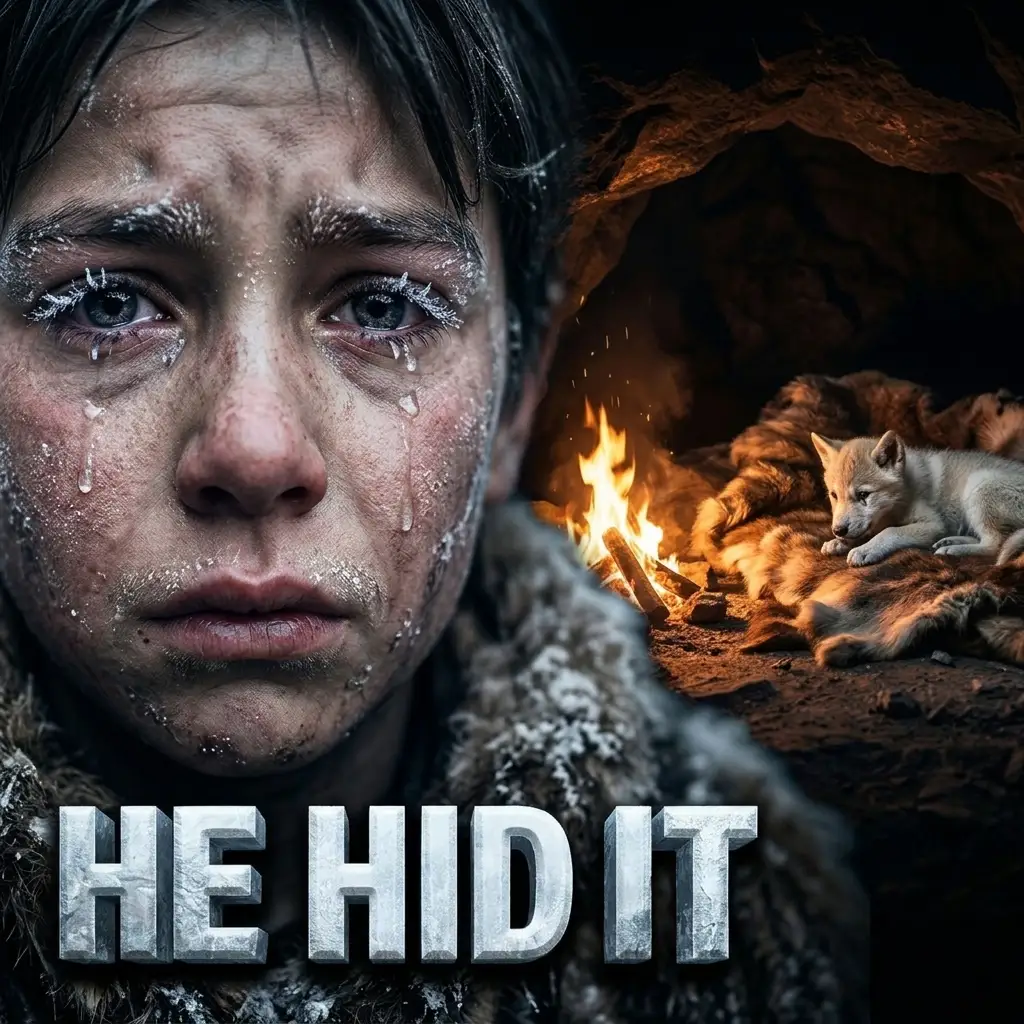
Life 20,000 Years Ago | When Your Ice Age Family Can’t Feed the Dog
FAQs
What motivated the early human boy to risk his life for his companion?
The early human boy was motivated by a strong sense of loyalty and friendship towards his companion. In prehistoric societies, social bonds were crucial for survival, and the boy likely felt a deep emotional connection that compelled him to take significant risks to protect his friend.
What dangers did the boy face while trying to save his companion?
The boy faced various dangers, including potential attacks from wild animals, treacherous terrain, and environmental hazards. These risks were common in the harsh conditions of early human life, where survival depended on navigating a perilous landscape.
How did the actions of the boy reflect the social dynamics of early human communities?
The boy’s actions reflect the importance of social cohesion and mutual support in early human communities. Such acts of bravery and sacrifice were likely essential for fostering trust and cooperation among group members, which were vital for collective survival.
What can we learn about early human behavior from this incident?
This incident highlights the capacity for empathy and altruism in early humans, suggesting that emotional bonds and social responsibilities were integral to their way of life. It indicates that early humans were not only focused on individual survival but also on the well-being of their companions.
Are there any archaeological findings that support the narrative of such acts of bravery in early human history?
Yes, archaeological findings, such as burial sites with evidence of care for injured individuals and artifacts indicating social cooperation, support the narrative of bravery and sacrifice in early human history. These findings suggest that early humans engaged in behaviors that prioritized group welfare and mutual aid.