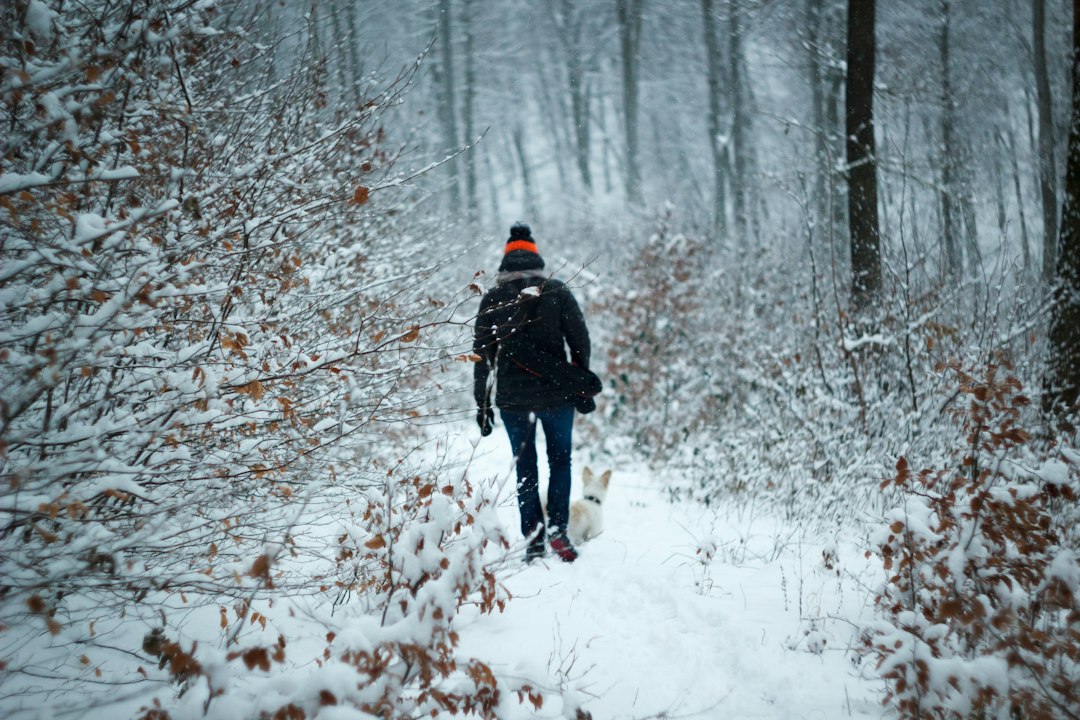
The biting winds and the relentless descent of snow marked the annual threat to early human existence. Survival through the harsh winter months was not a passive endurance but an active, strategic endeavor. Long before the advent of modern technology, our ancient ancestors relied on a sophisticated understanding of their environment and a remarkable capacity for collective action to navigate the challenges posed by seasonal scarcity and extreme cold. Their strategies were not born of instinct alone but were honed through generations of observation, experimentation, and adaptation, forming the bedrock of communal resilience.
The Strategic Imperative of Resource Management
The most pressing concern for any early human community facing winter was the acquisition and preservation of vital resources. Unlike the abundance of spring and summer, the dormant season offered limited opportunities for foraging and hunting. Consequently, the ability to stockpile and carefully ration provisions became paramount. This involved a multifaceted approach, encompassing not only the collection of food but also materials essential for shelter and warmth.
Securing and Storing Food Reserves
The successful passage of winter was intrinsically linked to the success of autumn’s provisioning. Communities dedicated significant effort to maximizing their food yields before the cold set in. This included extensive hunting expeditions targeting game that might offer a sustained food source throughout the lean months. Large herbivores, such as mammoths, bison, and reindeer, were particularly valuable. Their successful hunting provided not only meat but also fat, a crucial source of calories and insulation, as well as hides for clothing and shelter. Gathering of plant-based foods was equally important. Nuts, seeds, roots, and dried berries, often collected by women and children, provided essential carbohydrates and vitamins.
The method of food preservation was as critical as its acquisition. Drying, smoking, and salting were common techniques. Meat and fish, when available, were often smoked over slow fires, a process that not only preserved them but also imparted a distinct flavor. Drying in the sun or near hearths was another effective method for reducing moisture content and inhibiting spoilage. For root vegetables and some berries, burying them in cool, dry pits helped to extend their edibility. The careful organization and accessibility of these stored provisions were vital. Communities would designate specific areas for storage, often in caves or specially constructed pits, to protect their precious reserves from scavengers and the elements. The management of these stores often fell to individuals or groups within the community, requiring a keen understanding of spoilage rates and consumption needs.
Maximizing Firewood and Fuel
Beyond sustenance, warmth was a non-negotiable requirement for survival. Fire was the heart of any early human dwelling, providing heat, light, and a means of cooking and deterring predators. Consequently, the collection and storage of ample firewood were as critical as securing food. Communities would engage in widespread gathering of fallen branches and deadwood throughout the warmer months, ensuring a substantial reserve was available. In areas with dense forests, this might involve organized expeditions to fell trees, carefully selecting species known for their longevity and heat output.
The storage of this fuel also required foresight. Dry, sheltered locations were essential to prevent the wood from becoming waterlogged, rendering it useless. This might involve stacking wood near dwellings, under overhangs, or within dedicated shelters. The efficient use of fuel was also a practiced skill. Understanding how to maintain a low, consistent burn, utilizing embers effectively, and minimizing waste were learned behaviors that contributed to prolonged warmth from a finite supply. In some instances, communities may have developed methods for preserving dried grasses or animal dung as supplementary fuel sources, especially in treeless environments.
Early human communities faced numerous challenges, particularly during harsh winter conditions, which required effective management strategies to ensure survival. An insightful article that explores resilience in the context of small island developing states can provide valuable parallels to these early practices. For a deeper understanding of how communities adapt to emergencies, you can read more in the article titled “Resilience in Small Island Developing States” at this link.
Adapting Shelter for the Cold

The construction and maintenance of shelters underwent a significant transformation as winter approached. While summer dwellings might have been more open and ephemeral, winter residences needed to be robust, insulated, and capable of withstanding snow loads and icy winds. This often involved a combination of natural features and ingenious construction techniques.
Enhancing Natural Dwellings
Many early human groups utilized natural shelters like caves and rock overhangs. As winter loomed, these existing structures were often enhanced to improve their thermal efficiency. The entrances to caves might be partially blocked with stones, brush, or animal hides to reduce drafts. Floors could be insulated with layers of dried leaves, grass, or animal pelts. In areas with exposed rock shelters, the addition of windbreaks, constructed from branches and mud, would further protect inhabitants from the elements.
The Ingenuity of Built Structures
Where natural shelters were scarce, early humans demonstrated remarkable architectural innovation. Dwellings were often built partially or entirely underground, utilizing the earth’s natural insulation to maintain a more stable temperature. These subterranean homes, such as pit houses, offered protection from extreme temperature fluctuations and high winds. The construction involved digging a pit, lining it with wood, stone, or earth, and then roofing it with a framework of branches covered with sod, mud, or animal hides.
Above-ground structures were also common, particularly those designed for communal living. Mammoth bone huts, found in some Eastern European sites, are a testament to this. These were substantial dwellings constructed from the large bones of mammoths, providing a sturdy framework that was then covered with hides, grass, and mud. The circular or oval shape of many of these structures was not only structurally sound but also minimized surface area, thus reducing heat loss. The entrance was often designed with a vestibule or a curtain of hides to further prevent cold air from entering. The interior of these dwellings would be lined with furs and animal skins for added insulation, and a central hearth would provide warmth.
Social Cohesion and Collective Survival

The challenges of winter amplified the importance of social bonds and cooperative strategies. Individual survival was significantly enhanced, if not entirely dependent, on the collective efforts and mutual support within the community.
The Role of the Group in Resource Sharing
The concept of individual hoarding was often superseded by a communal understanding of resource distribution. During times of scarcity, the success of the group was paramount. Essential food stores, firewood, and even the warmth of the hearth were likely shared amongst all members of the community. This created a safety net, ensuring that the most vulnerable – the young, the elderly, and the sick – had access to necessary provisions. The decision-making regarding allocation would have been a communal process, perhaps guided by elders or experienced hunters, who understood the community’s needs and the available resources.
Cooperative Hunting and Defense
Winter often necessitated more organized and cooperative hunting strategies. The increased difficulty in tracking and bringing down prey meant that larger groups were often required to successfully hunt large game. This not only increased the chances of success but also ensured that the meat and other resources were distributed among those who participated in the hunt and the wider community. Furthermore, isolated individuals or small groups were more vulnerable to predators and the elements. Communal living provided a collective defense mechanism, with shared vigilance and mutual protection against threats, both animal and environmental. The presence of a larger group also provided a psychological boost, alleviating the isolation and fear that could be associated with extreme winter conditions.
Knowledge Transmission and Skill Specialization
Winter was a period of heightened learning and skill refinement. Younger members of the community would observe and learn from their elders the crucial techniques for survival, from tracking game in the snow to identifying edible winter plants and efficiently managing fire. Certain individuals within the community might have developed specialized skills that became invaluable during the winter months. These could include master hunters with exceptional tracking abilities, skilled craftspeople who could mend clothing and tools, or individuals with extensive knowledge of medicinal plants for treating ailments. The sharing and preservation of this knowledge ensured that the community’s collective capacity for survival was maintained and passed down through generations.
Navigating the Psychological Landscape of Winter
Beyond the tangible challenges of food, warmth, and shelter, early humans also had to contend with the psychological toll of prolonged darkness, confinement, and the constant threat of hardship. Their communities developed strategies to maintain morale and social cohesion during these difficult times.
The Importance of Ritual and Storytelling
Rituals and storytelling played a vital role in maintaining a sense of continuity and purpose during the winter. While evidence for specific winter solstice rituals is scarce for the earliest periods, the human need for meaning and connection likely drove the development of practices that marked the passage of time and reinforced social bonds. Oral traditions, passed down through generations around the communal hearth, would have provided entertainment, education, and a shared cultural identity. These stories, often recounting tales of past triumphs over adversity, could instill hope and resilience in the face of present challenges. The act of gathering around the fire, sharing food and stories, provided a vital sense of community and belonging, mitigating the potential for isolation and despair.
Maintaining Social Bonds Through Shared Activities
Even within the confines of their shelters, early human communities likely engaged in shared activities to maintain social cohesion. The mending of tools and clothing, the preparation of hides, and the crafting of new implements would have been communal endeavors. These tasks, while practical, also provided opportunities for interaction, conversation, and the reinforcement of social ties. The sharing of songs, chants, or simple games might have also served to alleviate boredom and foster a sense of shared experience. The collective effort in preparing for and enduring winter created a shared identity and purpose, strengthening the bonds that held the community together.
Early human communities faced numerous challenges, particularly during harsh winter months when resources became scarce. Their ability to adapt and manage emergency situations was crucial for survival, often relying on communal strategies and shared knowledge to navigate these difficulties. For a deeper understanding of how such dynamics played out in historical contexts, you can explore this insightful article on the rise of failed government states, which sheds light on the complexities of community resilience in the face of adversity. You can read more about it here.
Long-Term Adaptation and Evolution of Winter Strategies
| Metric | Description | Estimated Value | Significance |
|---|---|---|---|
| Average Shelter Insulation Thickness | Thickness of materials used in shelters to retain heat | 30-50 cm (organic materials) | Improved heat retention during cold spells |
| Fire Usage Frequency | Number of times fire was maintained or rekindled daily | 3-5 times per day | Essential for warmth and cooking in winter emergencies |
| Food Storage Duration | Length of time food was preserved for winter use | Up to 3 months | Ensured food availability during scarce winter months |
| Group Size | Number of individuals cooperating in emergency management | 10-25 people | Facilitated resource sharing and survival strategies |
| Emergency Resource Stockpile | Amount of gathered food and materials stored for winter | Approximately 50-70 kg of dried meat and roots | Critical for sustaining the community during harsh conditions |
| Winter Mobility Reduction | Decrease in travel distance during emergency winter periods | Reduced by 60-80% | Minimized exposure to cold and preserved energy |
The strategies employed by early human communities for winter emergencies were not static but evolved over vast stretches of time. This continuous adaptation was driven by a complex interplay of environmental pressures, technological innovation, and cumulative cultural knowledge.
The Influence of Climate Change and Environmental Shifts
The long-term success of human expansion across diverse climates was intrinsically linked to the ability to adapt to seasonal variations, particularly winter. As early humans migrated into colder regions, their survival depended on refining their existing strategies and developing new ones. Periods of prolonged cold, such as ice ages, would have placed immense pressure on these communities, forcing them to innovate or perish. Those that developed more effective methods of food preservation, more insulated shelters, and more robust hunting techniques were more likely to survive and reproduce, passing on these advantageous adaptations to their descendants.
The Gradual Development of Technology
The development of new tools and technologies played a crucial role in enhancing winter survival. The invention of more efficient hunting weapons, such as the spear-thrower (atlatl) and later the bow and arrow, significantly improved the success rate of hunting game, especially in snowy conditions. The development of more sophisticated techniques for working with bone, antler, and stone allowed for the creation of better tools for processing hides, crafting warm clothing, and constructing more durable shelters. The understanding and control of fire, while an ancient technology, was continuously refined, leading to more efficient methods of heating and cooking. The slow but steady accumulation of such technological advancements provided early humans with an ever-increasing capacity to mitigate the threats posed by winter.
The Unfolding Legacy of Resilience
The strategies developed by early human communities for winter emergencies represent a profound testament to human ingenuity, adaptability, and the power of collective action. These ancient practices, honed over millennia, laid the groundwork for subsequent human development and expansion. The knowledge gained from surviving harsh winters allowed our ancestors to populate diverse environments, laying the foundation for the complex societies that exist today. The enduring legacy of their resilience continues to resonate, reminding us of the fundamental human drive to overcome adversity and ensure the survival and prosperity of the community.

➡️Life 20,000 Years Ago | When Strangers Claim Your Winter Shelter 🚨
FAQs
What strategies did early human communities use to prepare for winter emergencies?
Early human communities employed various strategies to prepare for winter emergencies, including stockpiling food, creating insulated shelters, and developing communal support systems. They would gather and preserve food during the warmer months, often drying or smoking meat and storing grains. Additionally, they built shelters using materials like wood, animal hides, and earth to provide insulation against the cold.
How did early humans ensure food security during harsh winters?
To ensure food security during harsh winters, early humans practiced techniques such as hunting, fishing, and gathering in the fall to stockpile resources. They also utilized methods like fermentation and drying to extend the shelf life of perishable items. Some communities developed trade networks to exchange goods, ensuring a more diverse food supply during winter months.
What role did community cooperation play in managing winter emergencies?
Community cooperation was crucial in managing winter emergencies, as it allowed for shared resources and collective problem-solving. Groups would often come together to hunt or gather food, build shelters, and provide mutual aid during difficult times. This collaboration not only enhanced survival rates but also strengthened social bonds within the community.
How did early human communities adapt their living conditions for winter?
Early human communities adapted their living conditions for winter by constructing more robust shelters that could withstand cold temperatures and harsh weather. They often chose locations that provided natural windbreaks and access to resources like water and firewood. Additionally, they would line their shelters with animal skins or plant materials for added insulation.
What evidence do we have of early human responses to winter emergencies?
Evidence of early human responses to winter emergencies can be found in archaeological sites, where researchers have discovered remnants of food storage facilities, tools used for hunting and gathering, and the remains of winter dwellings. Additionally, ancient texts and oral histories from various cultures provide insights into the strategies and practices employed by early humans to survive winter challenges.