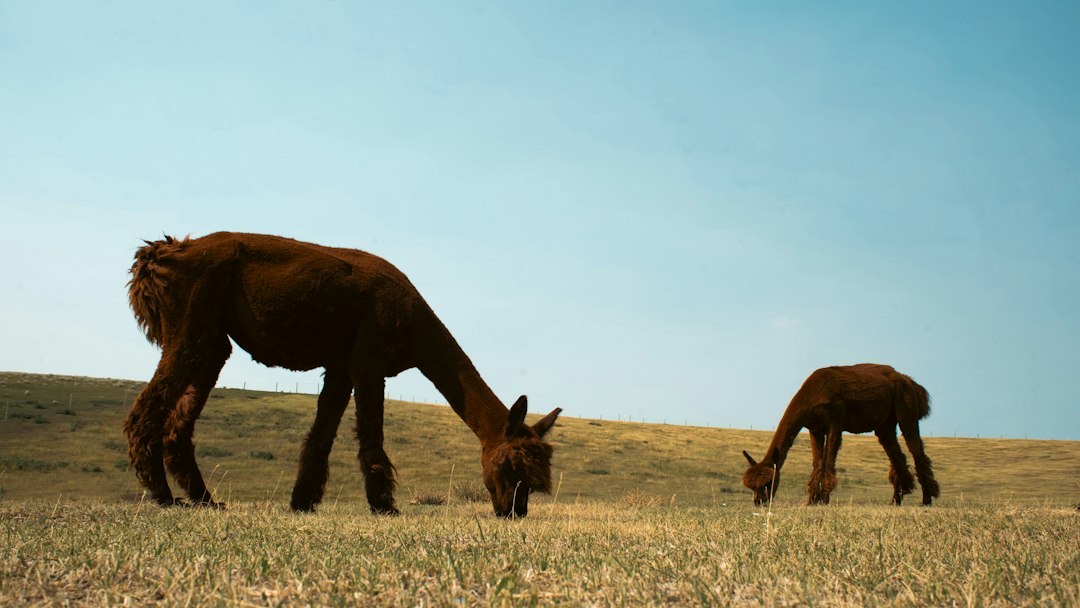
The question of what early humans fed their “livestock” is a bit like asking what a farmer today feeds their cows. It wasn’t always about neatly penned animals on farms as we know them. For a long time, the relationship was much more fluid, involving a mix of wild animals, semi-domesticated ones, and eventually, fully managed herds. What they ate largely depended on what was available locally and the stage of the human-animal relationship.
The Dawn of Tending: Early Signs of Managed Animals
When we talk about “livestock” in the context of very early humans, we need to adjust our thinking from modern farms to something far more experimental. The earliest evidence points to a more opportunistic and less structured approach. This wasn’t about creating feed rations; it was about coexisting and, eventually, influencing the lives of certain animal species.
From Wild Encounters to Intentional Care
Long before agriculture took hold, humans were interacting with a wide range of animals. Some of these interactions were for hunting, others for avoiding, and increasingly, some for a more sustained relationship. The idea of “feeding” animals as we understand it today wouldn’t have been a primary concern for the first hominins who encountered animals in the wild. However, as human societies developed, particularly with the advent of settled life and early forms of animal management, the question of diet for these associated animals becomes relevant.
The evidence from places like Abu Hureyra in Syria, dating back around 12,500 years ago, is crucial here. Archaeological findings, including ancient dung deposits, strongly suggest that humans were actively bringing sheep-like animals into their settlements and tending to them. This isn’t just about allowing animals to graze nearby; it implies a level of intentionality in their management. The diet of these animals would have been directly influenced by what was available in the immediate vicinity of these early settlements. This would have primarily been grasses, herbs, and other vegetation that could be found in the surrounding landscape.
The Wolf Connection: A Precursor to Herding?
One of the most fascinating early human-animal relationships is with wolves, which eventually led to dogs. While full domestication is a complex process that unfolded over tens of thousands of years, there are hints of managed relationships much earlier than we might assume. The discovery of ancient wolves on a Baltic island, dating back 3,000 to 5,000 years ago, who may have been fed and cared for by humans, is a prime example.
For these animals, their “feed” would have been a mix. It’s likely they were scavenging around human settlements, picking up scraps from kills or waste. But the evidence suggests intentional feeding too. This could have involved providing them with leftover meat, bones, or perhaps even allowing them access to certain areas where food sources were more concentrated. The exact composition of their diet in these early managed scenarios is hard to pinpoint precisely, but it would have been heavily meat-based, supplemented by whatever edible organic matter humans discarded. This period represents a crucial bridge between wild wolf populations and the eventual emergence of domesticated dogs, where human intervention began to shape their dietary habits.
Early humans had a unique relationship with their animals, often feeding them scraps from their own meals or foraging for food in the wild. This practice not only helped in domesticating animals but also played a crucial role in the development of agriculture. For a deeper understanding of how ancient civilizations interacted with their environment and the innovations they created, you can explore the article on ancient technologies and lost civilizations at Uncovering Ancient Tech: Lost Civilizations’ Innovations.
Early Herding: Managing Sheep and Goats
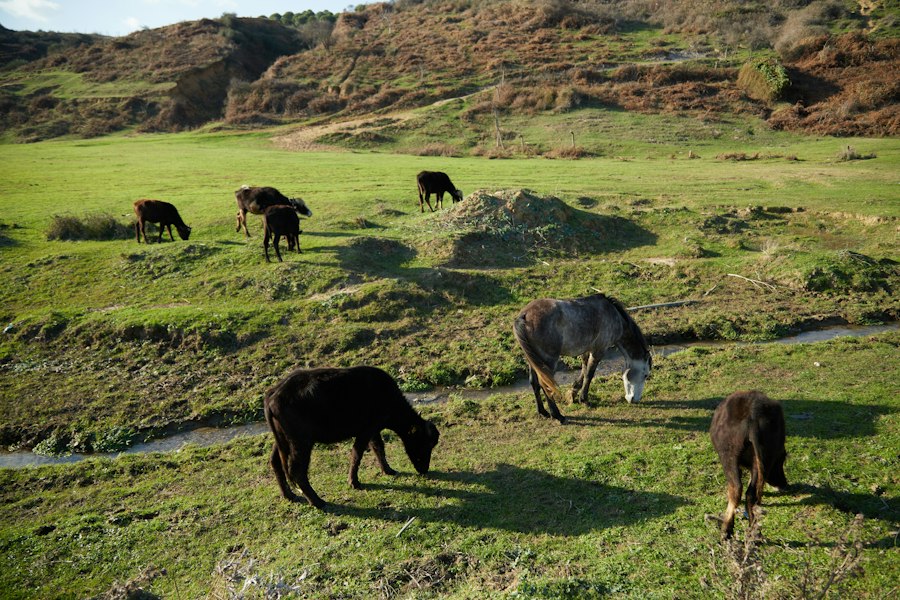
As human societies transitioned towards more settled lifestyles and the Neolithic Revolution began, the management of livestock became more defined. The focus shifted from simply interacting with animals to actively controlling and utilizing them for various purposes, including food, fiber, and labor. This is where the concept of “feeding” animals takes on a more deliberate meaning, even if it was still largely reliant on natural resources.
The First Farmers and Their Flocks
The evidence from Abu Hureyra, Syria, again, is pivotal. The 12,500-year-old dung deposits not only indicate that humans were bringing sheep-like animals to settlements but also that they were actively tending them. This implies a nascent form of herding. The diet of these early managed sheep and goats would have been directly tied to the available vegetation in the areas where they were kept. This would have included a variety of grasses, legumes, and other herbaceous plants.
In the absence of cultivated fodder crops, these animals would have been grazed on natural pastures. This might have been in the immediate vicinity of the settlement, or they might have been taken to nearby grazing lands by herders. The key point is that humans were influencing where these animals fed and, by extension, what they ate. This was not about providing a specific, processed diet but about managing access to natural food sources. The success of these early herds would have been directly linked to the quality and availability of these wild or semi-wild food sources.
Dietary Adaptations of Early Herded Animals
The animals themselves would have been adapted to grazing and browsing on whatever was available. Early domesticated sheep and goats were hardy and could thrive on a variety of plant matter. Their diet would have been a reflection of the local flora. If the area surrounding the settlement was rich in certain types of grasses or edible shrubs, that would have formed the bulk of their food.
There’s also the possibility of supplementary feeding, even in these early stages. This might have involved collecting certain desirable plants or offering waste products from human consumption to the animals. However, the primary mode of feeding would have been grazing. The development of more organized agriculture, including the cultivation of fodder crops like barley and wheat, would come later, allowing for more controlled and intensified animal husbandry. But for these very early herders, the focus was on making the most of the natural bounty available to sustain their growing animal populations.
The Curious Case of the Hairless Dog
The archaeological record offers some unique insights into the care of specific animals, demonstrating a level of attention that goes beyond mere utility. The 1,200-year-old mummified hairless dog found in Peru, dating to the Wari Empire, is a striking example of this. This discovery provides tangible clues about the diet, breeding practices, and the overall human care these animals received.
Diet of the Wari Companion Dogs
The mummified remains allow for analysis of the dog’s digestive system and stomach contents, offering a window into its diet. While specific analyses would detail the exact proportions, it’s reasonable to infer that these dogs, being companions and potentially working animals within a sophisticated civilization like the Wari, would have been fed a diet that differed from stray animals.
Their diet likely consisted of food scraps from human meals. This would have included leftover meats, fish, grains, and potentially starchy vegetables that were part of the Wari diet. In societies with developing agriculture and established foodways, companion animals often benefit from the byproducts of human food preparation. It’s unlikely they were solely subsisting on scavenging. The fact that they were buried with such care suggests they were valued members of the household or community, implying a deliberate effort to provide them with adequate sustenance. This wasn’t just about survival; it was about maintaining their health and well-being.
Beyond Scraps: Implications of Human Care
The presence of this mummified dog at a Wari Empire burial site is significant. It points to a relationship where animals were not just a resource but were afforded a level of respect and care. The careful mummification itself indicates a cultural significance and a desire to preserve the animal, perhaps as a cherished pet or a ritualistic offering.
The analysis of diet, breeding, and care associated with such remains helps us understand the evolving relationship between humans and their animal companions. It suggests a shift towards more intentional management of animal diets, moving beyond simple scavenging. For the Wari, their “livestock,” in this context, their canine companions, were likely provided with food that was a direct reflection of their own diet, ensuring they were well-nourished and integrated into the human social structure. This level of care also implies an understanding of basic animal needs, suggesting a proactive approach to their sustenance.
Early Human-Animal Interactions: A Broader Perspective
It’s important to remember that the relationship between early humans and animals was incredibly diverse and varied across time and geography. The development of human societies and their interactions with the animal kingdom were not a single, linear progression. The evidence from different regions highlights the multifaceted nature of these early connections.
The Southernmost American Continent’s Early Inhabitants
In the southern reaches of the Americas, at Lake Tagua Tagua in Chile, archaeological findings from around 12,000 to 13,000 years ago reveal a different facet of early human-animal interaction. Here, the focus was on the direct utilization of large animals. Evidence of butchering and consumption indicates that early humans were actively hunting and processing these animals for food.
While this doesn’t directly address “feeding livestock,” it speaks to how these early humans managed their animal resources. They were skilled hunters who understood the habits and behaviors of the large fauna in their environment. Their “diet” for these animals was, in essence, their own hunting prowess and the natural availability of prey. The animals were not being tended or managed in a herd sense but were part of the wild ecosystem that humans were successfully exploiting for survival. This demonstrates an early understanding of animal populations and their role in the human food chain.
Expanding the Timeline: The Earliest Human Presence
The very early presence of humans in regions like the Jordan Valley, with evidence pushing human presence back to at least 1.9 million years ago, provides an even broader context for early human-animal interactions. At this extreme remove in time, the concept of “livestock” is entirely anachronistic. However, these findings remind us that humans have been interacting with animals for an immense period.
During this epoch, the relationship was almost exclusively one of predator and prey, or competitor. Humans were hunter-gatherers, and their sustenance would have come from a combination of plant resources and animals they could acquire through hunting or scavenging. The “diet” of any animals they encountered was dictated by their natural environment and their own evolutionary adaptations. The earliest humans would have been opportunistic, consuming whatever they could find and digest. The development of managing or “feeding” animals, as we understand it in the context of livestock, was a very, very distant evolutionary outcome. These early interactions, however, laid the groundwork for the eventual domestication and management of animals that would later become central to human civilization.
Early humans had a unique relationship with animals, often feeding them scraps from their own meals or foraging for specific foods that would sustain them. This practice not only helped in domesticating animals but also provided essential companionship and assistance in daily tasks. For a deeper understanding of how trade agreements, like the USMCA, have influenced agricultural practices and animal husbandry over time, you can read more in this insightful article on trade agreements.
The Evolution of Animal Feeding Strategies
| Animal | Type of Feed | Source | Purpose |
|---|---|---|---|
| Dogs | Leftover meat, bones, scraps | Hunting remains, kitchen scraps | Companionship, hunting assistance |
| Goats | Wild grasses, shrubs, leaves | Natural vegetation near settlements | Milk, meat, hides |
| Sheep | Grasses, herbs, wild plants | Pasture lands | Wool, meat, milk |
| Cattle | Grasses, aquatic plants | Open grasslands, riverbanks | Milk, meat, labor |
| Pigs | Roots, tubers, food scraps | Forest floor, human leftovers | Meat |
As human societies advanced and our understanding of animal behavior and needs grew, so too did the strategies for feeding and managing animals. This wasn’t an overnight transformation but a gradual process shaped by environmental factors, technological innovation, and social development.
From Natural Grazing to Supplemental Feeds
In the earliest stages of animal management, the primary “feed” for livestock was whatever the animals could forage for themselves in the natural environment. This meant grazing on grasses, browsing on shrubs, and seeking out edible plants. The quality and availability of this natural feed were paramount to the health and productivity of the herds. Humans would have played a role in directing animals to richer grazing lands or protecting them from predators, but the direct provision of food was minimal.
As settlements became more established and the density of livestock increased, the pressure on local grazing lands would have grown. This likely led to the development of more intentional feeding strategies. Early forms of supplemental feeding might have involved collecting specific types of fodder plants, storing certain grains, or utilizing food waste from human settlements. This was a move away from purely natural foraging towards a more managed system, where humans began to influence the animals’ diet to ensure their survival and well-being, especially during leaner seasons.
The Impact of Agriculture on Livestock Diets
The advent of agriculture had a profound impact on how livestock were fed. With the cultivation of crops like barley, wheat, and other grains, humans gained a more reliable and controllable food source. These grains, which were staples for human consumption, could also be used to feed livestock, particularly during periods when natural grazing was insufficient.
This marked a significant shift. Instead of relying solely on the unpredictable bounty of nature, humans could now actively produce food for their animals. This allowed for greater control over herd size, health, and productivity. The diet of livestock became more varied, incorporating grains, legumes, and eventually, specially cultivated fodder crops designed to optimize animal growth and yield. This evolution in feeding strategies was instrumental in the development of more intensive forms of animal husbandry, leading to the highly managed systems of livestock production that we see today. The ancient practices, however, were the foundational steps in this long journey of human-animal interdependence.

Life 20,000 Years Ago | When Your Ice Age Family Can’t Feed the Dog
FAQs
What types of animals did early humans domesticate?
Early humans primarily domesticated animals such as dogs, sheep, goats, pigs, and cattle. These animals were chosen for their utility in providing food, labor, and companionship.
What did early humans feed their domesticated animals?
Early humans fed their domesticated animals a variety of foods, including grains, fruits, vegetables, and foraged plants. The diet often depended on the type of animal and the availability of resources in their environment.
How did early humans ensure their animals had enough food?
Early humans practiced various methods to ensure their animals had enough food, such as foraging, farming, and storing surplus crops. They also moved their herds to different grazing areas to access fresh pastures.
Did early humans use any specific feeding techniques for their animals?
Yes, early humans employed specific feeding techniques, such as selective breeding and training animals to eat certain foods. They also learned to recognize which plants were safe and nutritious for their animals.
How did the diet of domesticated animals evolve over time?
The diet of domesticated animals evolved as agriculture developed, leading to more systematic feeding practices. As humans cultivated crops, they began to provide more consistent and varied diets for their animals, which improved their health and productivity.