
It’s a good question to wonder when exactly humans and dogs first became a thing, and the answer is that our furry friends have been with us for a very long time. Current evidence, particularly from ancient DNA studies, suggests that dogs were likely domesticated and widespread across Eurasia by at least 15,800 years ago, and perhaps even earlier. This isn’t just a recent idea; new research continues to push back that timeline and show just how integrated dogs were with early human societies.
The Deep Roots of Our Canine Companionship
The relationship between early humans and dogs isn’t a fleeting trend. It’s a partnership that stretches back into the mists of prehistory, fundamentally shaping both species. For years, the exact timing of this bond was a subject of debate, with estimates varying widely. However, recent scientific discoveries have dramatically clarified our understanding, painting a picture of a much older and more established connection than we previously knew.
Rewriting the Timeline: The Oldest Canine Evidence
Forget the idea that dogs are a relatively recent development in human history. New genetic research is completely rewriting the book on when our canine companions first appeared. Studies analyzing ancient DNA have now provided solid evidence of domestic dogs dating back to around 15,800 years ago. This pushes the confirmed timeline for dog domestication back by over 5,000 years, making it a much more ancient phenomenon. These discoveries were made in locations like Türkiye and the United Kingdom, suggesting a wide initial spread.
What the Genes Tell Us
When scientists can extract and analyze DNA from ancient bones, it’s like unlocking a direct line to the past. These genetic studies don’t just tell us when dogs existed, but also offer clues about their lineage and their relationship with humans. By comparing the DNA of these ancient dogs with modern breeds and their wolf ancestors, researchers can trace the evolutionary path and identify the markers of domestication. This genetic fingerprint is crucial for establishing the earliest confirmed dates.
A Widespread Presence by the Ice Age
It wasn’t just a few isolated pockets where humans and dogs coexisted. By the time we look back to about 14,000 years ago, the evidence points to domestic dogs being quite widespread across Eurasia. This means they weren’t confined to one region; they were already distributed across Western Eurasia, showing up in archaeological sites in both Europe and Western Asia. This geographic spread indicates that the domestication process had already taken root and was successfully integrated into various human cultures.
Hunter-Gatherer Partnerships
The archaeological context of these early dogs is also telling. They are consistently found associated with hunter-gatherer groups. This isn’t surprising when you consider the lifestyle of early humans. Hunter-gatherers were constantly on the move, following prey and adapting to their environments. Having a canine partner would have offered significant advantages, and it seems this was recognized by these ancient peoples very early on.
Dogs in the Americas: An Earlier Arrival?
The story of dogs and humans isn’t solely confined to Eurasia. There’s growing evidence to suggest that dogs may have made their way to the Americas and formed close bonds with indigenous populations much earlier than previously thought. A significant study from Alaska, for example, has proposed that close human-canine relationships existed as far back as 12,000 years ago.
Diet as a Clue
One of the fascinating aspects of the Alaskan study is how they used diet to infer the relationship. By examining isotopes in the remains, they found that the dogs were regularly consuming salmon. This isn’t just about a dog finding scraps; it suggests a level of integration into the human diet and lifestyle, where the dog was a valued member of the community, likely sharing in the spoils of successful hunts or fishing expeditions. This dietary evidence paints a picture of a partnership, not just a coincidental proximity.
The relationship between early humans and domestic dogs has been a topic of fascination for researchers, as it highlights the deep bond that has developed over thousands of years. An insightful article that explores the complexities of human-animal relationships can be found at City of Secrets: The Unsinkable City. This piece delves into how domestication has shaped not only the lives of dogs but also the social structures of early human communities, providing a glimpse into the mutual benefits that arose from this unique companionship.
Shaping Each Other: Mutual Evolution
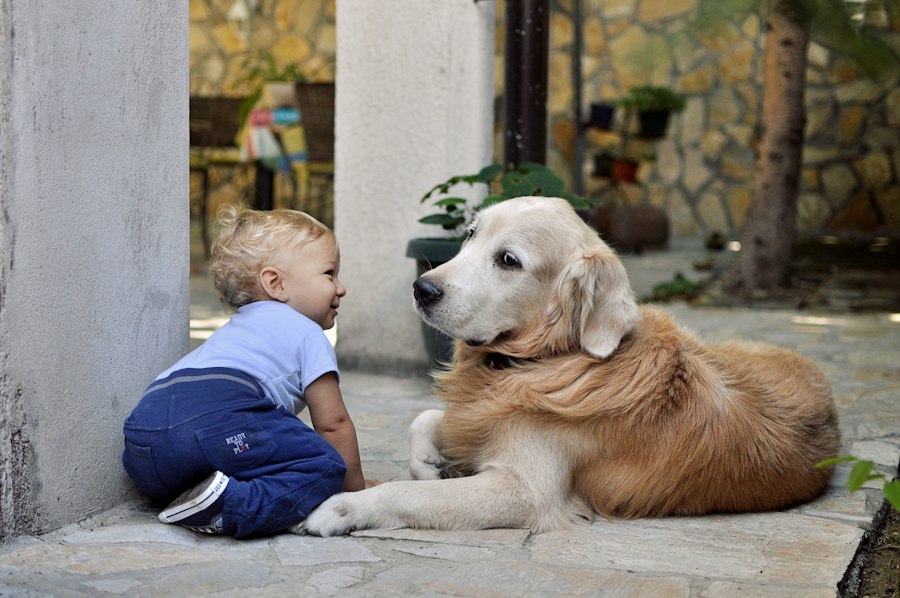
The interaction between early humans and dogs was not a one-way street. It was a dynamic relationship where both species influenced each other’s evolution, physically and behaviorally. This mutual shaping is a key reason why dogs are so unique and why their bond with us is so profound.
The Physical Adaptations of Early Dogs
When we talk about early domestic dogs, we’re not talking about the sleek breeds we see today. The physical characteristics of these ancient canines likely differed significantly from their wolf ancestors. Research into ancient dog skulls provides tangible evidence of these changes. An analysis published around 2026, for instance, identified some of the oldest confirmed domestic dogs in sites like Veretye, Russia. These findings, alongside others from America and Asia, show distinct skull shapes that point towards domestication.
Changes in Skull Morphology
The shape of a skull can tell us a lot about an animal’s diet, social behavior, and even its temperament. The subtle yet significant changes observed in the skulls of early domestic dogs compared to wolves suggest adaptations related to living with humans. This could include changes in jaw structure or cranial capacity, potentially linked to a different diet or a less aggressive social hierarchy within the pack, which was now intertwined with a human group.
The fascinating relationship between early humans and domestic dogs has been a subject of extensive research, revealing insights into how these two species developed a unique bond over thousands of years. This connection not only highlights the role of dogs as companions but also their significance in hunting and protection. For a deeper understanding of how human interactions with animals have evolved, you might find this article on Mexico’s thriving industrial real estate particularly interesting, as it touches on the broader implications of human development and community dynamics. To explore more, you can read the article here.
The Behavioral Shift: From Wild to Companion
Domestication is as much about behavior as it is about physical appearance. Early dogs underwent a profound behavioral shift to become integrated into human society. This involved a reduction in fear and aggression towards humans, an increased willingness to cooperate, and a capacity to understand and respond to human cues. This behavioral adaptability was likely a primary driver for their successful integration.
The Role of Socialization
A crucial element in this behavioral shift would have been early socialization. Puppies that were less fearful of humans and more inclined to interact would have been the ones most likely to be accepted and cared for. This selection process, whether intentional or unintentional by early humans, would have favored individuals with traits conducive to living alongside us. Over generations, these traits would become more pronounced, leading to the companionable nature we associate with dogs.
The Evolutionary Advantage: Why the Bond Endured
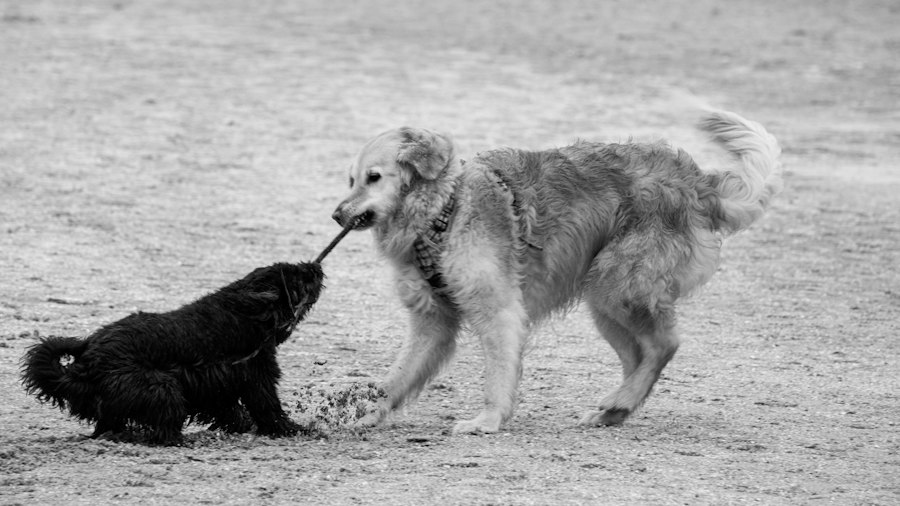
The partnership between early humans and dogs wasn’t just a matter of convenience; it was likely a significant evolutionary advantage for both species. This mutually beneficial relationship provided tangible benefits that helped both humans and dogs thrive.
Benefits for Human Survival
For early humans, particularly hunter-gatherers, dogs offered a range of practical advantages. They could act as scouts, alerting humans to the presence of prey or potential dangers like predators. Their keen sense of smell could help in tracking game. Furthermore, in cold climates, dogs could provide warmth, and their presence could deter smaller predators. In essence, dogs acted as an early form of security and efficiency for human groups.
Enhanced Hunting and Foraging
The synergy between humans and dogs in hunting scenarios would have been powerful. Dogs, with their speed and stamina, could help to flush out prey or corner it, making the hunt more successful for the human spear-wielders. This increased success rate in acquiring food would have directly contributed to the survival and well-being of human communities, allowing them to sustain larger populations.
Benefits for Canine Survival
From the dog’s perspective, aligning with humans provided a reliable source of food and shelter. While wolves had to constantly hunt and compete for resources, early domestic dogs could benefit from scraps, leftovers, and even direct provision from humans. This stability would have reduced the pressures of natural selection that wolves faced, allowing the dog lineage to flourish in a new ecological niche.
Access to Resources
The access to human settlements and campsites meant a more predictable food supply. This could have included discarded food waste, but also potentially shared kills or food that humans actively provided. This shift from a solely wild existence to one that included human provisioning would have been a significant advantage, especially during leaner times or challenging environmental conditions.
The Long Game: A Partnership for the Future
The relationship forged between early humans and dogs wasn’t a fleeting alliance. It was a deep and enduring partnership that has persisted for at least 15,000 years, and likely much longer. This incredible longevity speaks to the profound impact this bond has had, not just on our past, but on our present and future.
From Hunter-Gatherers to Specialized Companions
The journey of the dog from a wild ancestor to a domesticated partner alongside hunter-gatherer groups is a testament to adaptability and mutual benefit. Over millennia, this partnership has evolved. We’ve seen dogs move from being primarily functional partners in survival to becoming highly specialized companions. This evolution has taken countless forms, with different breeds being developed for specific tasks – from herding livestock to guarding homes to providing emotional support.
The Modern Legacy
Today, dogs are an integral part of human societies worldwide. Their roles are incredibly diverse, reflecting the long history of human-dog interaction. This journey, stretching back to the very beginnings of our settled lives and even before, has created a bond that is unique in the animal kingdom. It’s a relationship built on trust, cooperation, and a shared evolutionary path that continues to shape us both.
The Ongoing Research and Discovery
It’s important to remember that our understanding of this ancient partnership is constantly evolving. As new archaeological sites are uncovered and as scientific techniques, like ancient DNA analysis, become more sophisticated, we continue to gain deeper insights into the origins and development of the human-dog bond. What we consider “latest facts” today might be refined or expanded upon by future discoveries. The story of our earliest canine companions is far from fully told.

Life 20,000 Years Ago | When Your Ice Age Family Can’t Feed the Dog
FAQs
What is the historical timeline of the domestication of dogs?
Dogs are believed to have been domesticated from wolves between 20,000 and 40,000 years ago. This process likely began when early humans started to form settlements and wolves began to scavenge near these camps. Over time, a mutually beneficial relationship developed, leading to the domestication of dogs.
How did early humans benefit from their relationship with dogs?
Early humans benefited from their relationship with dogs in several ways. Dogs provided companionship, helped in hunting by tracking and retrieving game, and offered protection from predators. Additionally, their keen senses enhanced the survival chances of early human groups.
What roles did dogs play in early human societies?
In early human societies, dogs played various roles including hunting partners, herders for livestock, and guardians of camps and settlements. They also served as emotional support and companions, helping to strengthen social bonds within human communities.
How did the relationship between early humans and dogs evolve over time?
The relationship between early humans and dogs evolved from a wild partnership to a more domesticated bond. As humans transitioned from nomadic lifestyles to agriculture, dogs became more integrated into daily life, leading to the development of specific breeds for various tasks such as herding, guarding, and companionship.
What evidence supports the connection between early humans and dogs?
Evidence supporting the connection between early humans and dogs includes archaeological findings such as dog remains found in human burial sites, cave paintings depicting dogs, and genetic studies showing the close relationship between modern dogs and ancient wolf populations. These findings illustrate the long-standing bond between the two species.