The discovery of finely crafted flint and obsidian cutting tools, meticulously preserved and unearthed from ancient archaeological sites, has long captivated the human imagination. These artifacts offer tangible glimpses into the ingenuity and resourcefulness of our early ancestors. For decades, researchers have meticulously studied the wear patterns, chipping techniques, and stylistic variations of these prehistoric implements. However, a recent paradigm shift in understanding how these tools were utilized and preserved has emerged, suggesting a level of care and foresight far exceeding previous assumptions. The prevailing narrative has begun to incorporate a fascinating new dimension: evidence indicates that early humans not only created sophisticated cutting tools from stone but also took great care to protect them, often by wrapping them in animal skins. This revelation has profound implications for our understanding of prehistoric technology, material culture, and the cognitive abilities of early hominins.
The Genesis of Prehistoric Cutting Tools
The dawn of tool use marks a pivotal moment in human evolution, a quantum leap that separated our ancestors from the rest of the animal kingdom. The ability to manipulate the environment, to shape materials for specific purposes, and to augment physical capabilities provided a significant evolutionary advantage. Among the earliest and most impactful innovations were cutting tools. The selection and modification of stone for these purposes were not random acts but rather deliberate processes that evolved over vast stretches of time, demonstrating a growing understanding of material properties and the application of force.
The Material Science of Early Stone Tools
The choice of stone was not arbitrary. Early humans possessed an innate, albeit empirical, understanding of lithology – the study of rocks. They sought out specific types of stone that possessed desirable characteristics for tool manufacture. Flint, a cryptocrystalline sedimentary rock, was highly prized for its conchoidal fracture. This property means that when struck with a hammerstone, flint breaks in a predictable, curved manner, producing sharp, predictable edges. This predictable fracture allowed for the creation of controlled flakes that could be further shaped into sophisticated tools. Obsidian, a naturally occurring volcanic glass, offered even sharper cutting edges than flint, making it ideal for tasks requiring extreme precision, such as skinning delicate hides or butchering small animals. Its smooth, glassy texture and vitreous fracture, similar to flint’s conchoidal break, made it a favored material where the keenest possible edge was paramount. The geological availability of these materials also played a crucial role. Hominin populations tended to settle in areas where suitable stone sources were abundant, facilitating the consistent production and distribution of these essential tools.
The Art and Science of Flaking
The creation of a stone tool, or lithic artifact, was a complex process that involved a deep understanding of physics and mechanics. Percussion flaking, the most common method, involved striking a core stone (the raw material) with a hammerstone. This action detached smaller pieces, known as flakes, which possessed the desired sharp edges. The angle of impact, the force applied, and the choice of hammerstone material (e.g., quartzite for harder blows, bone or antler for finer retouching) all influenced the shape and quality of the flake. More advanced techniques, such as pressure flaking, allowed for more precise shaping and retouching of tool edges. This involved using a pointed tool, often made of bone or antler, to press and push small chips off the edge, refining its sharpness and form. The development of standardized tool types, such as handaxes, scrapers, and points, demonstrates a growing tradition of knowledge transmission and a shared understanding of effective tool design across different groups and generations.
Early humans utilized various cutting tools made from stone, bone, and wood, which they often kept wrapped in animal skin for protection and ease of transport. This practice not only safeguarded their tools from damage but also allowed them to carry essential implements for hunting and gathering. For a deeper understanding of how early human practices have evolved and influenced modern society, you can explore the article on geopolitical dynamics in the contemporary world at The New Cold War: A High-Stakes Geopolitical Analysis.
Unveiling the Purpose and Preservation of Stone Implements
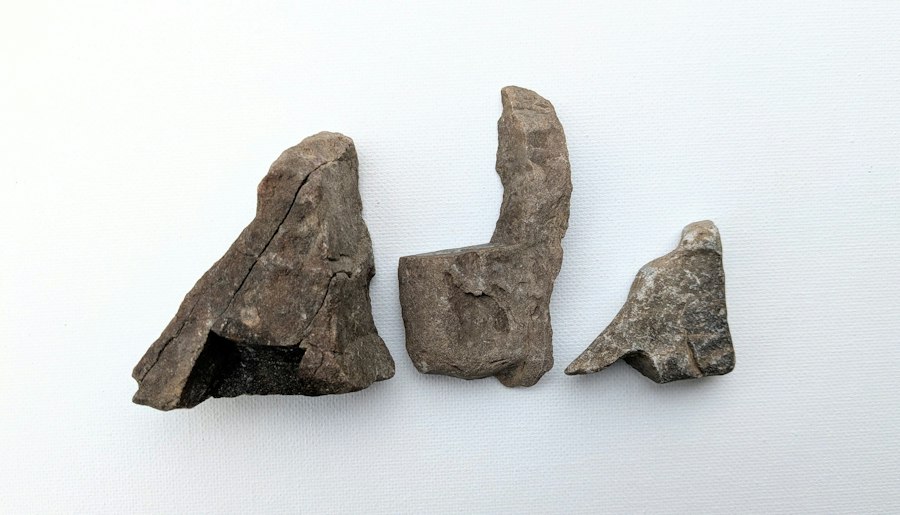
The sheer ubiquity of stone tools across the Paleolithic landscape attests to their critical importance in the daily lives of early humans. They were not merely disposable implements but rather valuable assets, essential for survival and the advancement of their societies. This inherent value, coupled with the practicalities of prehistoric life, likely led to the development of methods for their careful maintenance and preservation.
The Multifaceted Roles of Cutting Tools
The applications of flint and obsidian cutting tools were incredibly diverse, reflecting the broad spectrum of activities undertaken by early humans. Beyond the obvious uses in butchery and hunting, these tools were indispensable for a myriad of other tasks. Skinning and fleshing animal hides to produce clothing, shelters, and containers were fundamental processes that relied heavily on sharp cutting edges. Woodworking, for shaping projectiles, crafting shelters, and creating other wooden implements, also demanded the use of stone tools. Scrapers, often made from flakes with one shaped edge, were used to prepare hides, clean bone, and process plant materials. The efficiency and effectiveness of these tools directly impacted the survival rates of individuals and groups, influencing their ability to acquire food, create shelter, and protect themselves from the elements and predators.
The Emergence of Preservation Strategies
The long-term utility of a well-crafted stone tool meant that its loss or damage would have been a significant setback. This economic and practical consideration, combined with a dawning appreciation for the effort and skill invested in their creation, likely spurred the development of rudimentary preservation techniques. Imagine a skilled knapper spending hours meticulously shaping a fine biface. This tool represented a considerable investment of time and energy. Losing it or allowing its edge to become dulled through neglect would be a waste of that investment. Therefore, it is logical to infer that early humans would have sought ways to protect these valuable assets. The preservation of an edge, the prevention of chipping, and the overall safeguarding of the tool from the harsh elements and accidental damage would have been paramount.
The Revelation: Skin as a Protective Sheath
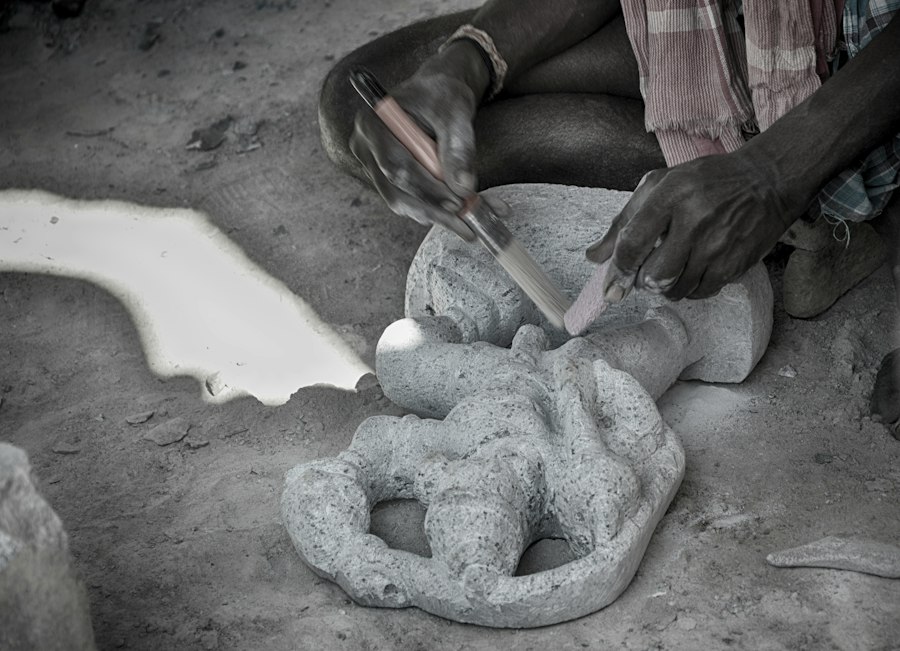
The most compelling evidence for the deliberate wrapping of cutting tools in skin comes from the careful examination of archaeological finds and comparative ethnographic studies. While direct, fossilized examples of skin wrapping are exceedingly rare due to the ephemeral nature of organic materials, indirect clues strongly support this practice. The preservation of stone tools themselves, particularly those found in waterlogged or anoxic environments, can sometimes reveal impressions or residues that hint at their former casings.
Archaeological Clues and Micro-wear Analysis
In certain archaeological contexts, particularly those with exceptional preservation conditions, researchers have encountered stone tools with unusual surface alterations or residues. These can include faint organic stains or impressions that, when analyzed with high-powered microscopy, suggest contact with organic materials like animal hide. Furthermore, micro-wear analysis, which involves examining the microscopic patterns of wear on the edges of stone tools, can sometimes provide indirect evidence. If a tool was consistently stored or transported wrapped in a soft material, its edges might exhibit less abrasion or dulling from random contact with harder materials compared to tools that were stored openly. This type of subtle evidence, when pieced together with other findings, builds a compelling case for the practice.
Ethnographic Parallels and Analogical Reasoning
The study of contemporary indigenous cultures that historically relied on stone tools, even into the relatively recent past, offers valuable insights through ethnographic parallels. Many such groups developed sophisticated methods for tool maintenance and storage, often involving wrapping their prized implements in animal skins or plant fibers. These practices were not merely for aesthetic purposes but served crucial functional roles: protecting the sharp edges from chipping, preventing rust or corrosion (if metal tools were also present), and making them easier and safer to transport. By observing these modern-day traditions, archaeologists can draw informed analogies to infer similar behaviors among prehistoric populations, even in the absence of direct physical evidence of the wrapping material itself. The logic is straightforward: if a behavior proved highly effective for preserving valuable tools in one context, it is highly probable that a similar behavior would have emerged and persisted in earlier human societies facing similar challenges.
The Benefits of a Skin-Bound Toolkit
The practice of wrapping flint and obsidian cutting tools in animal skins would have offered a multitude of advantages to early human tool users, enhancing the longevity, usability, and safety of their most critical implements. This seemingly simple act would have had far-reaching implications for their efficiency and survival.
Edge Preservation and Durability
The most immediate and significant benefit of wrapping tools in skin would have been the protection of their delicate, sharp edges. Stone edges, while incredibly sharp when freshly made, are also brittle. Unprotected, they are susceptible to chipping, dulling, and breakage through accidental impacts during transport or storage. A layer of soft, pliable animal hide would have acted as a buffer, absorbing shocks and preventing direct contact with hard surfaces. This would have significantly extended the functional lifespan of the tools, reducing the need for frequent resharpening or replacement, which were time-consuming and resource-intensive activities. The durability of the tools was directly linked to the group’s ability to perform essential tasks effectively.
Enhanced Portability and Safety
Carrying sharp stone tools in a prehistoric context without any protective covering would have been both inconvenient and dangerous. The tools could have snagged on clothing, damaged personal belongings, or even caused accidental injuries to the carrier. Wrapping them in skin would have created a more secure and manageable package. The skin could have been fashioned into simple pouches or tied around the tools, making them easier to carry in hands, in baskets, or slung over the shoulder. This improved portability would have been particularly important for nomadic or semi-nomadic groups who frequently moved their campsites. Furthermore, the wrapping would have mitigated the risk of accidental cuts and injuries, contributing to the overall safety and well-being of individuals within the group.
Maintaining Optimal Cutting Performance
The constant need for sharp tools meant that early humans would have been highly motivated to maintain their cutting edges in optimal condition. Wrapping tools in skin would have contributed to this by minimizing unnecessary wear and tear. This meant that when a tool was needed for a critical task, such as butchering a large animal or preparing a vital resource, its edge would be in its best possible state, ready for immediate use. This maintained performance level would have translated directly into greater efficiency in food procurement, processing, and other essential activities. The difference between a perfectly sharp edge and a slightly dulled one could have been the difference between success and failure in crucial survival situations.
Early humans utilized various cutting tools made from stone, bone, and wood, often wrapping them in animal skin for protection and portability. This practice not only safeguarded their tools from damage but also made it easier to carry them during their nomadic lifestyles. For a deeper understanding of how early human practices have evolved over time, you might find it interesting to read about modern trade dynamics in the article on Mexico surpassing China as a top trading partner, which highlights how tools and resources have played a crucial role in shaping economies. You can explore this topic further by visiting this link.
Broader Implications for Understanding Early Human Cognition
| Cutting Tool | Material | Purpose | Skin Wrapping Use | Estimated Time Period |
|---|---|---|---|---|
| Flint Knives | Flint Stone | Cutting meat, plants, and crafting | Wrapped in animal skin for protection and portability | Lower Paleolithic (~1.5 million years ago) |
| Obsidian Blades | Obsidian (volcanic glass) | Precision cutting and scraping | Stored in leather pouches or wrapped in skin | Upper Paleolithic (~40,000 years ago) |
| Bone Scrapers | Animal bones | Scraping hides and woodworking | Sometimes bundled and wrapped in skin | Middle Paleolithic (~300,000 years ago) |
| Hand Axes | Stone (flint, quartzite) | Chopping, cutting, digging | Occasionally wrapped in skin for transport | Lower Paleolithic (~1.5 million years ago) |
The practice of wrapping tools in skin, while seemingly a minor detail in the grand scheme of human evolution, offers profound insights into the cognitive capabilities of our early ancestors. It suggests a level of forethought, planning, and abstract thinking that goes beyond simple instinctual behavior.
Planning, Foresight, and Abstract Thought
The act of deliberately protecting a tool requires a conceptual understanding of future needs. It implies that early humans were not solely living in the present but were capable of anticipating future requirements. They understood that their tools, while valuable now, would continue to be valuable later, and that investing a small amount of effort in their protection would yield significant benefits in the future. This demonstrates a capacity for planning and foresight, key components of advanced cognition. Furthermore, the ability to conceive of a protective casing for an object implies a degree of abstract thought. The skin is not a part of the tool itself, but rather an external entity applied to enhance its functionality and longevity. This involves a mental separation of the tool from its protective covering, a conceptualization of their distinct roles and their synergistic relationship.
Material Culture and Technological Sophistication
The development of wrapping techniques further underscores the growing sophistication of early human material culture. It indicates an understanding of the properties of different materials – the resilience of stone, the pliability of skin – and how to combine them effectively. This is not just about making a tool; it is about managing a toolkit. It suggests a more nuanced approach to technology, where the maintenance and care of implements were as important as their initial creation. This is a crucial step in the development of complex technological systems, where the understanding of a tool’s lifecycle, from manufacture to repair and eventual obsolescence, becomes increasingly important. The deliberate wrapping of tools suggests an early form of “tool kit management,” a concept that underpins much of modern technology.
Social Learning and Cultural Transmission
The widespread adoption and persistence of such a practice across different groups and over vast stretches of time would have relied heavily on social learning and cultural transmission. This implies that knowledge about how to effectively wrap and protect tools was not solely discovered by individuals but was passed down from generation to generation through observation, imitation, and direct instruction. This reinforces the idea of developing cultural traditions and the ability of early humans to learn from each other, a fundamental aspect of human sociality and a key driver of cultural evolution. The very existence of such a tradition points to the development of social structures that facilitated the sharing of knowledge and best practices, laying the groundwork for the complex cultural systems that define humanity today. The careful wrapping of flint and obsidian cutting tools, therefore, is not just about preserving an object; it is about preserving knowledge, tradition, and the very essence of what it means to be human.

Life 20,000 Years Ago | When an Ice Age Wildfire Traps Your Primitive Family
FAQs
What types of cutting tools did early humans use?
Early humans primarily used stone tools, such as hand axes, flint knives, and scrapers. These tools were made from materials like flint, obsidian, and other hard stones that could be shaped through a process called knapping.
Why did early humans wrap their cutting tools in skin?
Early humans wrapped their cutting tools in skin to protect the edges from damage and to keep them from becoming dull. The skin also provided a means of carrying the tools easily and safely, preventing injury to the user.
How did early humans create their cutting tools?
Early humans created cutting tools through a technique known as flint knapping, where they struck stones together to create sharp edges. This process required skill and knowledge of the materials to produce effective tools for various tasks.
What were the primary uses of cutting tools by early humans?
Cutting tools were primarily used for hunting, butchering animals, and processing plant materials. They were essential for survival, aiding in food preparation and the construction of shelters and clothing.
Did early humans use any other materials for cutting tools besides stone?
Yes, in addition to stone, early humans also used bone and wood to create cutting tools. Bone tools were often used for tasks requiring precision, while wooden tools could serve various purposes, including digging and crafting.