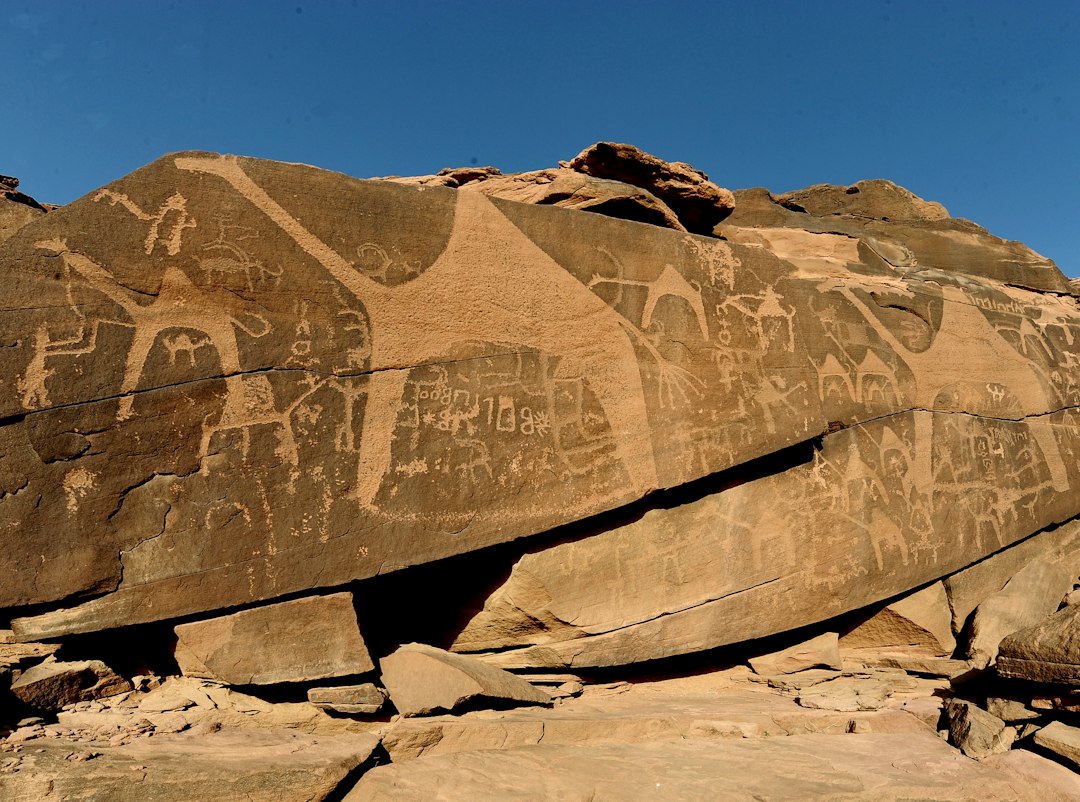
The stark, arid landscapes of the Arabian Peninsula, long perceived as a realm defined by its modern oil wealth and ancient trade routes, are now yielding a far deeper and more profound narrative of human settlement. Recent archaeological endeavors, painstakingly excavating and meticulously analyzing sites across the peninsula, are pushing back the timeline of sophisticated human activity, revealing a vibrant and complex Early Neolithic culture that laid the foundational stones for the region’s enduring human footprint. These discoveries are not merely about dates and artifacts; they speak to innovative subsistence strategies, intricate social structures, and an evolving relationship with the environment that shaped the very essence of Arabian identity.
Unearthing the Dawn of Sedentism and Innovation
The most striking revelations from the Early Neolithic period in Arabia revolve around the nascent stages of sedentism and the remarkable innovations that accompanied this shift. For millennia, hunter-gatherer populations roamed the peninsula, their lives dictated by the ephemeral availability of water and game. However, as the climate began to stabilize after the last glacial period, offering more predictable rainfall and the emergence of more verdant landscapes, certain communities started to explore the possibilities of a more settled existence. This was not a sudden abandonment of mobile lifestyles but rather a gradual process of experimentation and adaptation, leading to the establishment of more permanent or semi-permanent encampments.
The Emergence of Permanent Settlements and Early Architecture
Archaeological evidence from sites such as Ba’ja in Jordan (though often considered part of the broader Levantine Neolithic but with strong connections to Arabian influences and early desert adaptations) and more directly within the Arabian heartland, is painting a picture of communities that were not just transient visitors to the landscape but were actively shaping it. Excavations have unearthed foundations of structures, often circular or rectangular, built from local materials like stone and mudbrick. These are not the ephemeral shelters of nomadic peoples but represent a commitment to place, suggesting an increased investment in communal living and the storage of resources. The construction techniques, though seemingly rudimentary to modern eyes, demonstrate a deep understanding of local geology and an ability to harness available materials for durable shelter. The clustering of these structures, sometimes forming discernible villages or hamlets, indicates a move towards greater social cohesion and the development of communal spaces. These early architectural endeavors are a testament to the growing desire for stability and the foundational steps towards the complex societies that would later flourish in the region.
The Dawn of Agriculture and Animal Husbandry
Perhaps the most transformative aspect of the Early Neolithic in Arabia is the nascent adoption of agricultural practices and the domestication of animals. While the arid conditions of much of the peninsula present unique challenges for full-scale agriculture as seen in more fertile river valleys, evidence suggests that early Arabian communities were experimenting with cultivating wild grasses and legumes, adapting them to the local environment. This often involved finding oases, wadis, and areas with slightly more reliable water sources. Alongside plant cultivation, the management and domestication of animals like goats and sheep became increasingly important. These animals provided a more consistent source of protein, milk, and wool, reducing reliance on the uncertainties of hunting. This transition from purely hunter-gatherer economies to mixed farming and herding systems was a monumental shift, fundamentally altering human-environment interactions and paving the way for population growth and greater societal complexity. The selection and breeding of animals, along with the development of tools and techniques for their management, represent a profound intellectual and practical leap forward.
The early Neolithic period in Arabia has garnered significant attention from researchers exploring the region’s prehistoric developments. A related article that delves into the broader historical context of ancient maps and their implications for understanding early human societies can be found at this link: Uncovering Glacial History with the Piri Reis Map. This article highlights how ancient cartography can provide insights into the environmental conditions and human migrations that shaped early Neolithic life in Arabia and beyond.
Tracing the Threads of Early Arabian Culture and Belief
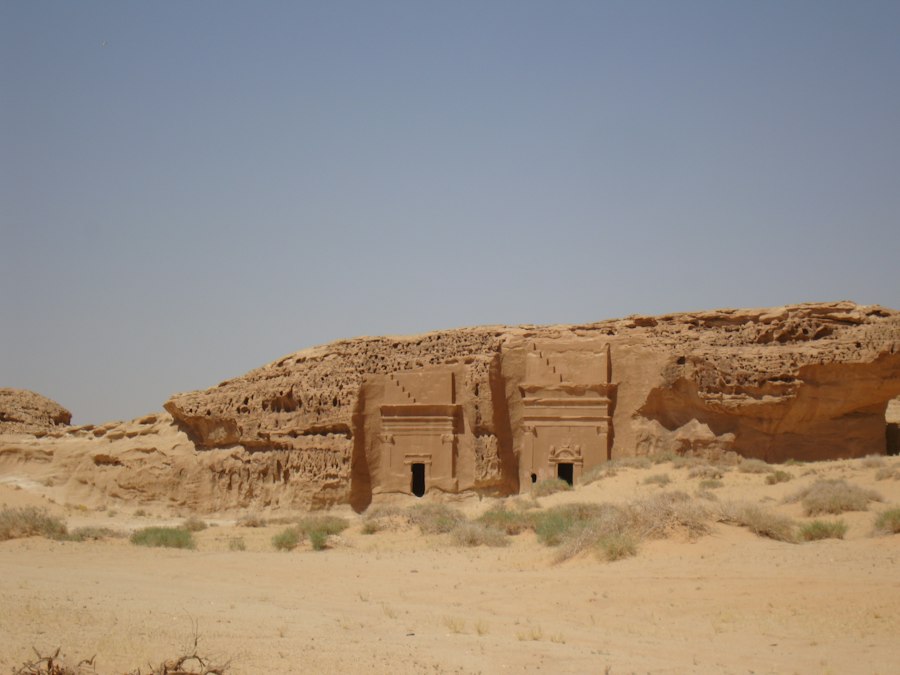
Beyond the material evidence of settlement and subsistence, the Early Neolithic period also offers glimpses into the cultural and perhaps even spiritual lives of its inhabitants. While direct evidence of elaborate belief systems is scarce due to the nature of archaeological preservation, the patterns of settlement, the artifacts recovered, and the organization of burials provide tantalizing clues about their worldview, social structures, and symbolic expressions.
Social Organization and Communal Living
The presence of larger, more permanent settlements implies a need for more complex social organization. The arrangement of houses, the presence of communal structures such as hearths or gathering spaces, and the shared effort required for building and resource management all suggest a degree of cooperation and shared responsibility. Archaeologists are analyzing burial practices for insights into social stratification. While many early Neolithic burials appear relatively egalitarian, subtle differences in grave goods or burial location might indicate emerging social hierarchies or specialized roles within the community. The development of mechanisms for conflict resolution, resource allocation, and the transmission of knowledge would have been essential for the survival and prosperity of these settled communities. This period marks a crucial transition from smaller, kin-based groups to larger, more integrated social units.
Artistic Expression and Symbolic Representation
The human impulse for artistic expression is evident even in the earliest stages of settled life in Arabia. While large-scale monumental art is not characteristic of this period, smaller, portable artifacts often bear incised decorations or are shaped in ways that suggest aesthetic considerations beyond pure utility. These might include pottery shards with geometric patterns, bone tools with carved motifs, or small stone figurines. The meaning of these designs is largely lost to us, but they likely held symbolic significance, perhaps relating to fertility, protection, or spiritual beliefs. The discovery of pigments and grinding stones suggests the use of color in decorating bodies, shelters, or objects. These early attempts at symbolic representation offer a window into the minds of these ancient peoples, hinting at a rich inner life and a desire to imbue their world with meaning.
Early Forms of Trade and Exchange
The geographical position of Arabia, bridging continents and connecting disparate environments, has always lent itself to networks of exchange. Even in the Early Neolithic, there is evidence of long-distance trade and interaction. The presence of exotic materials, such as certain types of stone or shell not found locally, at archaeological sites indicates that these communities were not isolated. These exchanges could have been driven by the need for specific resources, the desire for prestige goods, or the simple human impulse to connect with other groups. The development of these early trade networks, however nascent, laid the groundwork for the more extensive and sophisticated exchange systems that would characterize later periods of Arabian history, fostering cultural diffusion and economic interdependence.
Navigating the Environmental Shifts: Adaptation and Resilience

The success of Early Neolithic communities in Arabia was inextricably linked to their ability to adapt to and navigate the prevailing environmental conditions. The period generally saw a more humid climate than the extreme aridity of much of the Holocene, but climatic fluctuations were still a significant factor. These communities developed sophisticated strategies to exploit the available resources and mitigate the risks associated with environmental variability.
Water Management and Resource Exploitation
Access to water was, and remains, the most critical factor for human survival in Arabia. Early Neolithic communities demonstrated an acute understanding of hydrogeology, settling near reliable water sources such as springs, perennial rivers (in limited areas), and importantly, wadis that retained moisture for longer periods. Evidence of simple water catchment systems, such as small depressions or channels designed to collect rainwater, might also exist. Their subsistence strategies were finely tuned to the seasonal availability of resources. They likely practiced a form of opportunistic farming, planting crops when conditions were favorable and relying on stored provisions during drier spells. Foraging for wild edibles and hunting game would have remained important components of their diet, complementing their cultivated crops and domesticated animals. This adaptive approach to resource exploitation was key to their resilience.
Understanding the Paleoenvironment Through Archaeology
Archaeological investigations are not only unearthing human activity but also providing crucial data about the ancient environment in which these people lived. The analysis of pollen, seeds, and animal bones recovered from stratified archaeological layers helps reconstruct past vegetation, fauna, and climatic conditions. By understanding the flora and fauna that were present, archaeologists can infer the types of ecosystems that existed – whether they were savannas, grasslands, or more open woodlands. This paleoenvironmental reconstruction is vital for understanding the challenges and opportunities faced by Early Neolithic peoples and how their subsistence strategies were shaped by these conditions. It allows us to move beyond speculation and build a more accurate picture of their ecological context.
The Legacy of Early Neolithic Arabia: Foundations for the Future
The discoveries of Early Neolithic Arabia are more than just academic curiosities; they represent the very bedrock upon which subsequent civilizations in the region were built. The innovations in subsistence, the development of social structures, and the deep understanding of the Arabian environment forged during this formative period had a lasting impact.
Continuity and Transformation in Later Periods
The agricultural and pastoral practices initiated in the Early Neolithic laid the groundwork for the more established farming communities and extensive pastoral networks that characterized later periods, such as the Chalcolithic and Bronze Age. The social organization that began to coalesce in these early settlements evolved into more complex chiefdoms and city-states in later eras. The understanding of trade routes and the establishment of early networks of exchange would be amplified in the subsequent millennia, making Arabia a pivotal hub for commerce and cultural interaction. These early developments were not isolated events but rather the crucial first steps in a long trajectory of human adaptation and societal development in the Arabian Peninsula.
Re-evaluating Arabia’s Place in Ancient History
These findings compel a significant re-evaluation of Arabia’s historical narrative. For too long, the region has been viewed primarily through the lens of its role as a crossroads for later empires or as a producer of vital resources in the modern era. The Early Neolithic discoveries firmly establish Arabia not as a passive recipient of external influences but as a dynamic center of innovation and cultural development in its own right. They highlight the ingenuity and resilience of its ancient inhabitants, who, long before the advent of written records or major empires, were actively shaping their landscape and building the foundations of complex societies. This ancient cultural heritage is now being recognized as a crucial, albeit previously underappreciated, chapter in the broader story of human civilization.
Recent studies have shed light on the early Neolithic period in Arabia, revealing significant advancements in agricultural practices and settlement patterns. For a deeper understanding of how these developments influenced the region’s socio-economic structures, you can explore this insightful article on Mexico’s strategic development plans, which, while focused on a different region, offers parallels in the evolution of early societies. To read more about it, visit this article.
Modern Archaeological Techniques Illuminating the Past
| Metric | Data/Value | Notes |
|---|---|---|
| Time Period | c. 8000 – 6000 BCE | Early Neolithic phase in Arabian Peninsula |
| Key Sites | Jebel Faya, Shuwaymis, Jubbah | Important archaeological locations |
| Subsistence | Hunting, gathering, early pastoralism | Transition from foraging to food production |
| Tool Technology | Microlithic stone tools, grinding stones | Indicates advanced tool-making skills |
| Domesticated Plants | Early evidence of barley and wheat cultivation | Limited but emerging agriculture |
| Domesticated Animals | Goats and sheep | Early pastoralism introduced |
| Climate | More humid than present | Supported human settlement and agriculture |
| Population Density | Low to moderate | Small, mobile groups |
| Material Culture | Pottery emerging towards late Early Neolithic | Indicates sedentism and food storage |
The remarkable advancements in archaeological methodology and scientific analysis have been instrumental in unlocking the secrets of Early Neolithic Arabia. Traditional excavation techniques are now augmented by sophisticated tools and technologies that provide unprecedented levels of detail and accuracy in dating, environmental reconstruction, and artifact analysis.
Precision Dating and Chronological Frameworks
Radiocarbon dating has been a cornerstone of establishing a chronological framework for the Early Neolithic. By analyzing organic materials found in association with human activity, scientists can determine the age of sites and artifacts with increasing precision. Newer techniques, such as optically stimulated luminescence (OSL) dating, which dates the last time sediments were exposed to sunlight, further refine our understanding of site formation processes and provide crucial temporal context. These precise dating methods allow archaeologists to map the spread of settlements, track the development of cultural practices over time, and correlate findings across different regions of the Arabian Peninsula and with neighboring areas.
Isotope Analysis and Diet Reconstruction
The analysis of stable isotopes in human and animal remains offers a powerful way to reconstruct ancient diets and migratory patterns. By examining the ratios of different isotopes of elements like carbon, nitrogen, and strontium in bones and teeth, researchers can determine the types of plants and animals that were consumed and, in the case of strontium, infer the geographical origin of individuals. This type of analysis has provided concrete evidence for the adoption of new food sources, the impact of environmental changes on dietary stability, and the extent of movement and interaction between different communities. For example, detecting a shift in isotopic signatures in human populations might indicate the introduction of new domesticated crops or a change in reliance on terrestrial versus marine resources, offering direct insights into subsistence strategies and lifestyle changes.
Geophysical Survey and Non-Invasive Exploration
Before the painstaking work of excavation begins, a range of non-invasive geophysical survey techniques are employed to map subsurface features and identify areas of potential archaeological significance. Ground-penetrating radar (GPR), magnetometry, and electrical resistivity surveys can detect buried walls, hearths, ditches, and other structures without disturbing the ground. This allows archaeologists to target their excavations more effectively, minimizing unnecessary disturbance and maximizing the recovery of valuable data. These technologies are particularly useful in the vast and often challenging terrain of Arabia, enabling researchers to cover large areas and prioritize promising locations for more intensive investigation. They are also invaluable in protecting fragile archaeological sites from accidental damage.
The ongoing exploration of Early Neolithic Arabia is a testament to the enduring human story etched into its sands and rocks. Each discovery, from the simplest stone tool to the carefully laid foundation of a dwelling, contributes to a richer understanding of our shared past, revealing a dynamic and culturally rich heritage that continues to shape the identity of the Arabian Peninsula today. The efforts of archaeologists, armed with an ever-expanding toolkit of scientific techniques, are ensuring that these ancient voices are finally heard, adding a vital new chapter to the global narrative of human civilization.
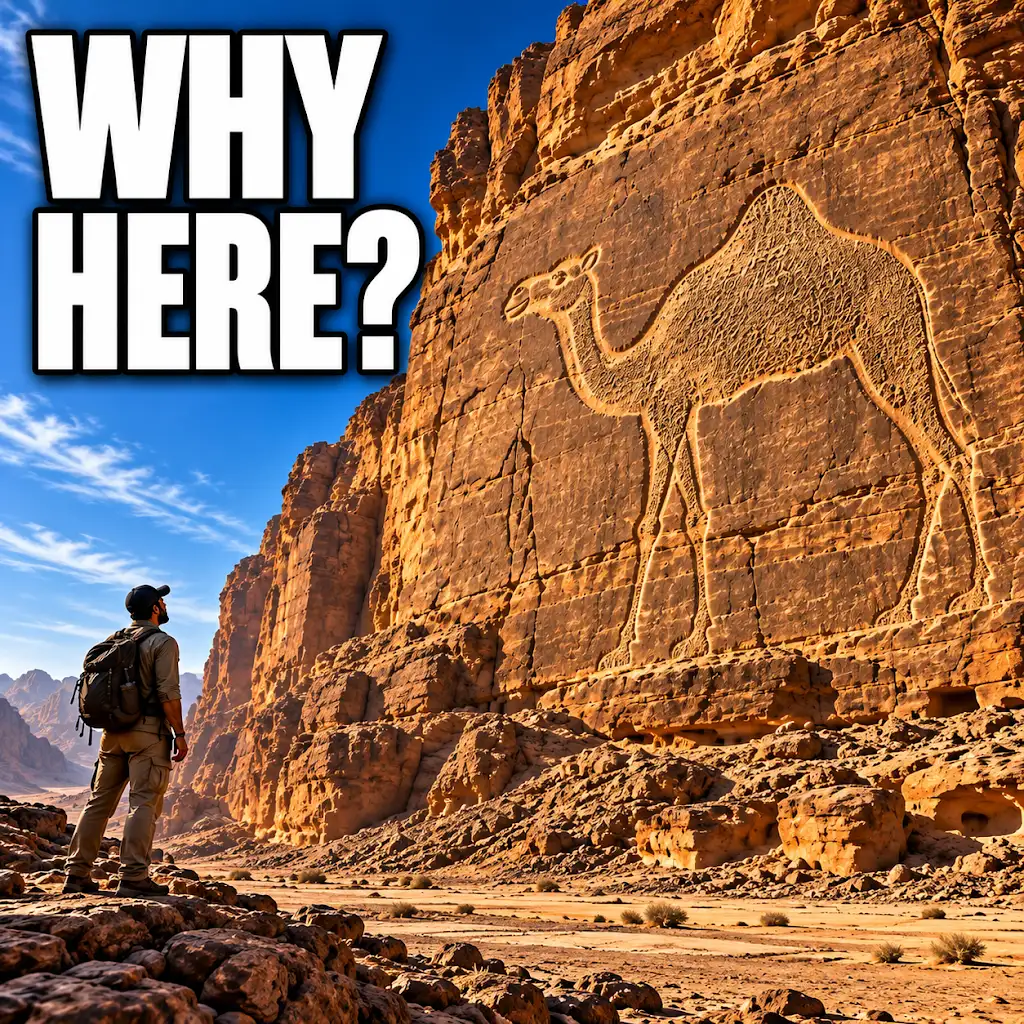
Why Were Giant Camels Carved Above the Desert?
FAQs
What is the early Neolithic period in Arabia?
The early Neolithic period in Arabia refers to a time in prehistory when the region experienced significant cultural and technological advancements, including the transition from a nomadic lifestyle to settled agricultural communities.
What are some key characteristics of early Neolithic societies in Arabia?
Early Neolithic societies in Arabia were known for their development of agriculture, domestication of animals, pottery making, and the construction of permanent settlements. These advancements marked a shift towards a more sedentary way of life.
How did the environment in Arabia influence early Neolithic communities?
The environment in Arabia, characterized by arid deserts and limited water sources, played a significant role in shaping early Neolithic communities. These communities developed innovative techniques for water management, such as the construction of falaj irrigation systems, to support their agricultural activities.
What evidence supports the existence of early Neolithic communities in Arabia?
Archaeological excavations in the Arabian Peninsula have uncovered remains of early Neolithic settlements, including structures, tools, pottery, and agricultural artifacts. These findings provide valuable insights into the lifestyle and practices of early inhabitants in the region.
How did trade and interaction with neighboring regions impact early Neolithic societies in Arabia?
Trade networks and interactions with neighboring regions played a crucial role in the development of early Neolithic societies in Arabia. These exchanges facilitated the spread of ideas, technologies, and goods, contributing to the cultural diversity and economic prosperity of the region.