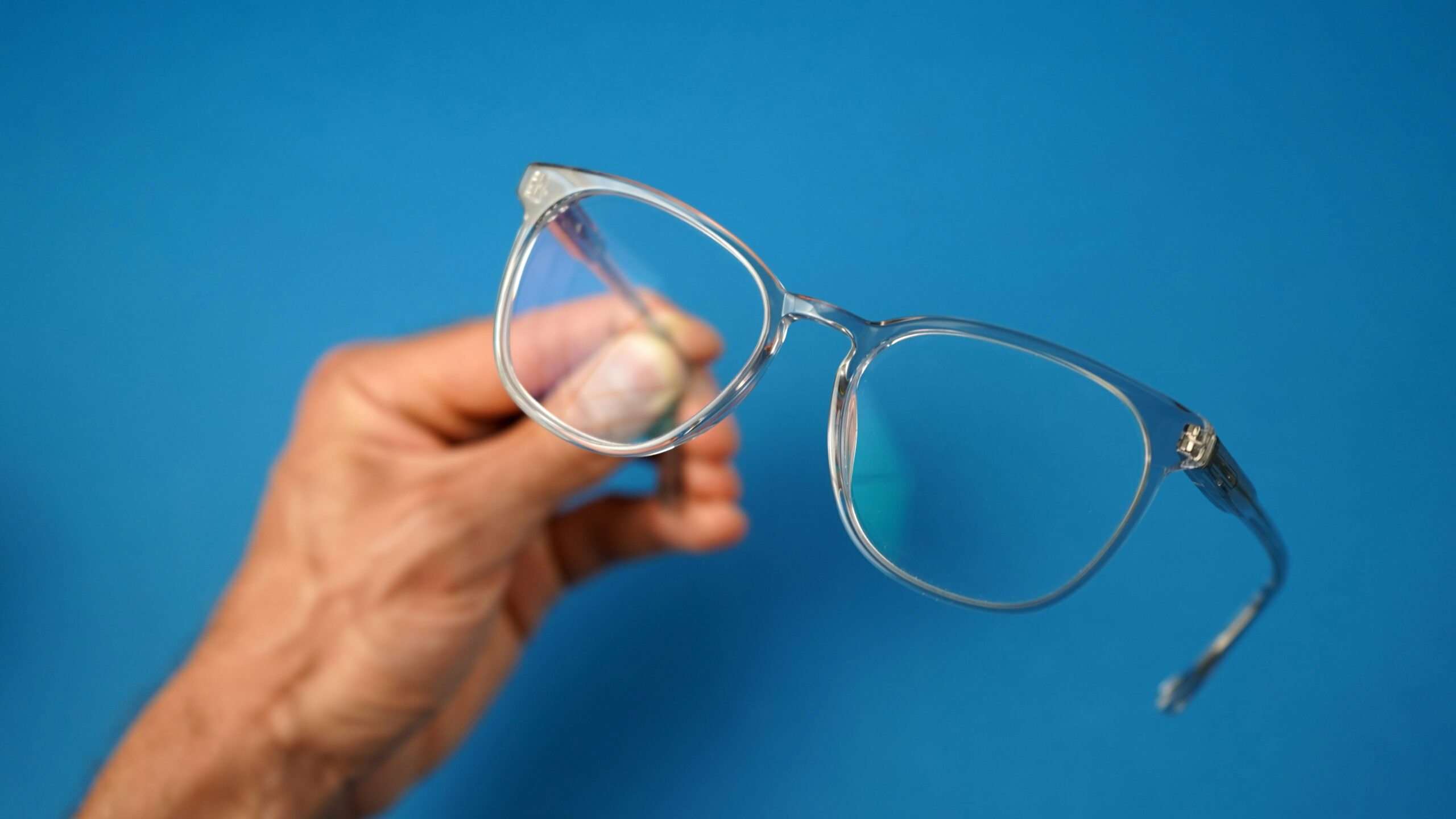
The world, for many, has always been a blur. Before the advent of spectacles, individuals experiencing declining eyesight faced a stark reality of diminished engagement with their surroundings, impacting everything from their ability to work and read to their participation in everyday life. This pervasive challenge, however, was not an immutable fate. The ingenious invention of eyeglasses, a testament to human innovation, offered a revolutionary solution, a bridge across the growing gulf between the seen and the unseen. This remarkable development, shrouded in the mists of time, represents a pivotal moment in the history of human perception and accessibility, profoundly altering the lives of countless individuals and paving the way for advancements in literacy, craftsmanship, and scientific inquiry.
Unraveling the Dimming: The Pre-Glasses Landscape
Before the focused beam of artificial vision, the experience of failing eyesight was a gradual, often disheartening, descent into a less defined reality. For those who relied on keen vision for their livelihoods – scribes meticulously copying texts, artisans shaping intricate designs, or even farmers scanning the horizon for approaching weather – the onset of presbyopia, the age-related farsightedness that typically begins in one’s early to mid-40s, was a significant professional and personal blow. The ability to discern fine details, to thread a needle, to read the fine print of a contract, or to simply appreciate the nuances of the world around them, would begin to fade.
The Tyranny of Age and Imperfect Vision
The natural aging process, particularly the hardening of the lens within the eye, leads to a reduced ability to focus on close-up objects. This condition, presbyopia, is an almost universal human experience. In societies where literacy was a rare and valued commodity, the inability to read as one aged meant a potential loss of access to knowledge, religious texts, and the burgeoning world of printed material. For craftsmen, the diminishment of their visual acuity could signal the end of their careers, forcing them into less demanding, and often less lucrative, roles or even complete retirement. The frustration and social isolation that must have accompanied such a decline in visual capability were likely immense. Imagine the elder scholar, once renowned for their erudition, now struggling to decipher the very texts that formed their life’s work, or the skilled jeweler, whose steady hands were once guided by precise vision, now fumbling with delicate components.
Early Attempts at Visual Aid
While the invention of eyeglasses as we know them is a relatively late development, humans have long sought ways to augment their senses. Before spectacles, various rudimentary tools and techniques were employed to improve vision. These ranged from simple magnifying lenses, often fashioned from polished quartz or beryl, used as reading aids, to the practice of holding objects further away to achieve a clearer focus, a natural, albeit limited, compensatory mechanism. Pliny the Elder, in his Natural History, famously noted that Nero used an emerald to view gladiatorial contests, likely due to its perceived ability to reduce glare and improve clarity, a very early, albeit primitive, form of tinted lens. These early attempts, while not achieving the widespread utility of eyeglasses, demonstrate a persistent human desire to overcome visual limitations. They represent the nascent stages of a journey that would eventually lead to a truly transformative invention.
The invention of glasses has a fascinating history that dates back to the late 13th century, marking a significant advancement in vision correction. For those interested in exploring how historical innovations have shaped our understanding of health and medicine, a related article titled “The Silent Plague: Ancient Microbial Bloom” provides insights into the impact of ancient diseases on society. You can read more about it here: The Silent Plague: Ancient Microbial Bloom.
The Dawn of Spectacles: A Glimpse of the Future

The true genesis of eyeglasses lies in the late 13th century, a period of burgeoning intellectual curiosity and technological advancement in Europe. While the exact inventor remains lost to history, the emergence of this revolutionary device can be pinpointed to northern Italy, likely within the glassmaking centers of Venice or Pisa. The invention wasn’t a sudden flash of inspiration but rather a gradual evolution, building upon existing knowledge of optics and glass manipulation.
The Birthplace of Vision: Italian Glassmaking Prowess
The Italian city-states, particularly Venice, had long been at the forefront of glassmaking innovation. Their expertise in creating clear, high-quality glass was unparalleled in medieval Europe. This mastery of glass production was the essential prerequisite for the invention of eyeglasses. The ability to grind and polish glass into specific shapes, to achieve the necessary curvature to refract light effectively, was a skill honed over centuries. It is within this fertile environment of skilled artisans and advanced techniques that the concept of placing lenses before the eyes to correct vision likely took root. The intricate, and often dangerous, work of glassblowing and shaping demanded immense precision, and it was this very precision that was ultimately harnessed to restore clarity to aging or imperfect eyes.
The “Spectacle Makers’ Guild” and Early Records
While no single individual is definitively credited, historical records begin to emerge in the late 13th and early 14th centuries that hint at the existence and proliferation of eyeglasses. The earliest written mention that strongly suggests their use comes from a sermon by the Dominican friar Giordano da Rivalto in Pisa in 1306. He spoke of the importance of spectacles, stating that “it is not yet twenty years since there was found the art of making spectacles which make it possible to read well, an art which makes the good letter readable, though a person’s eyes are weak.” This quote is significant as it not only confirms the existence of eyeglasses around this time but also emphasizes their immediate and profound impact on the ability to read, a cornerstone of intellectual and spiritual life. The subsequent formation of guilds, such as the Spectacle Makers’ Guild in Florence, further attests to the growing demand and established craft of producing eyeglasses. These guilds not only regulated quality and trade but also protected the secret knowledge of their manufacture, further contributing to the mystique surrounding this transformative invention.
Crafting Clarity: The Mechanics of Early Eyeglasses

The earliest eyeglasses were a far cry from the sleek
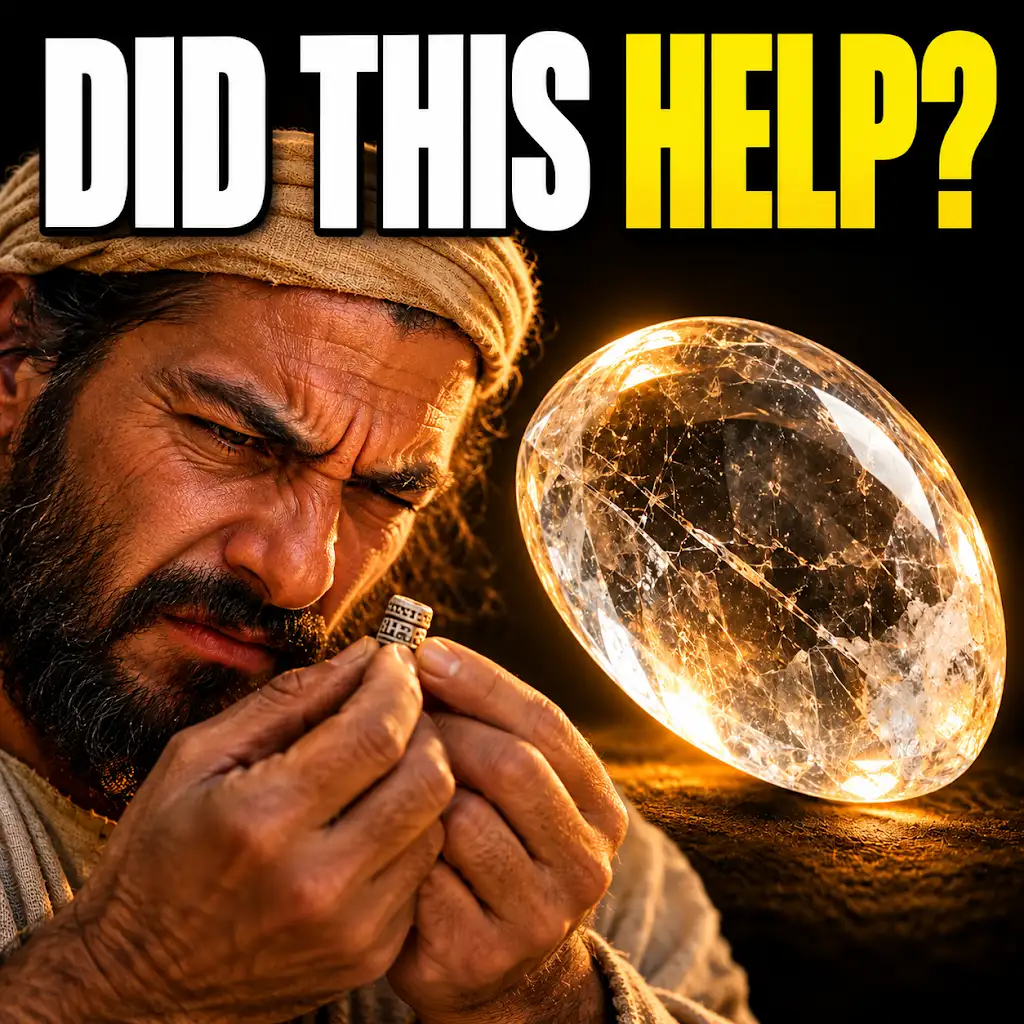
Did This Ancient Crystal Help People See?
FAQs
1. When were glasses invented?
Glasses were invented in the 13th century, around the year 1286 in Italy.
2. Who invented glasses?
The inventor of glasses is believed to be Salvino D’Armate, an Italian inventor.
3. What was the purpose of the first glasses?
The first glasses were invented to aid individuals with vision problems, specifically those who had difficulty seeing objects up close.
4. How did the invention of glasses impact society?
The invention of glasses revolutionized the way people with vision impairments could see and function in their daily lives, leading to improved quality of life for many.
5. How have glasses evolved since their invention?
Since their invention in the 13th century, glasses have evolved significantly in terms of design, materials, and technology, offering a wide range of styles and functionalities to suit different needs and preferences.