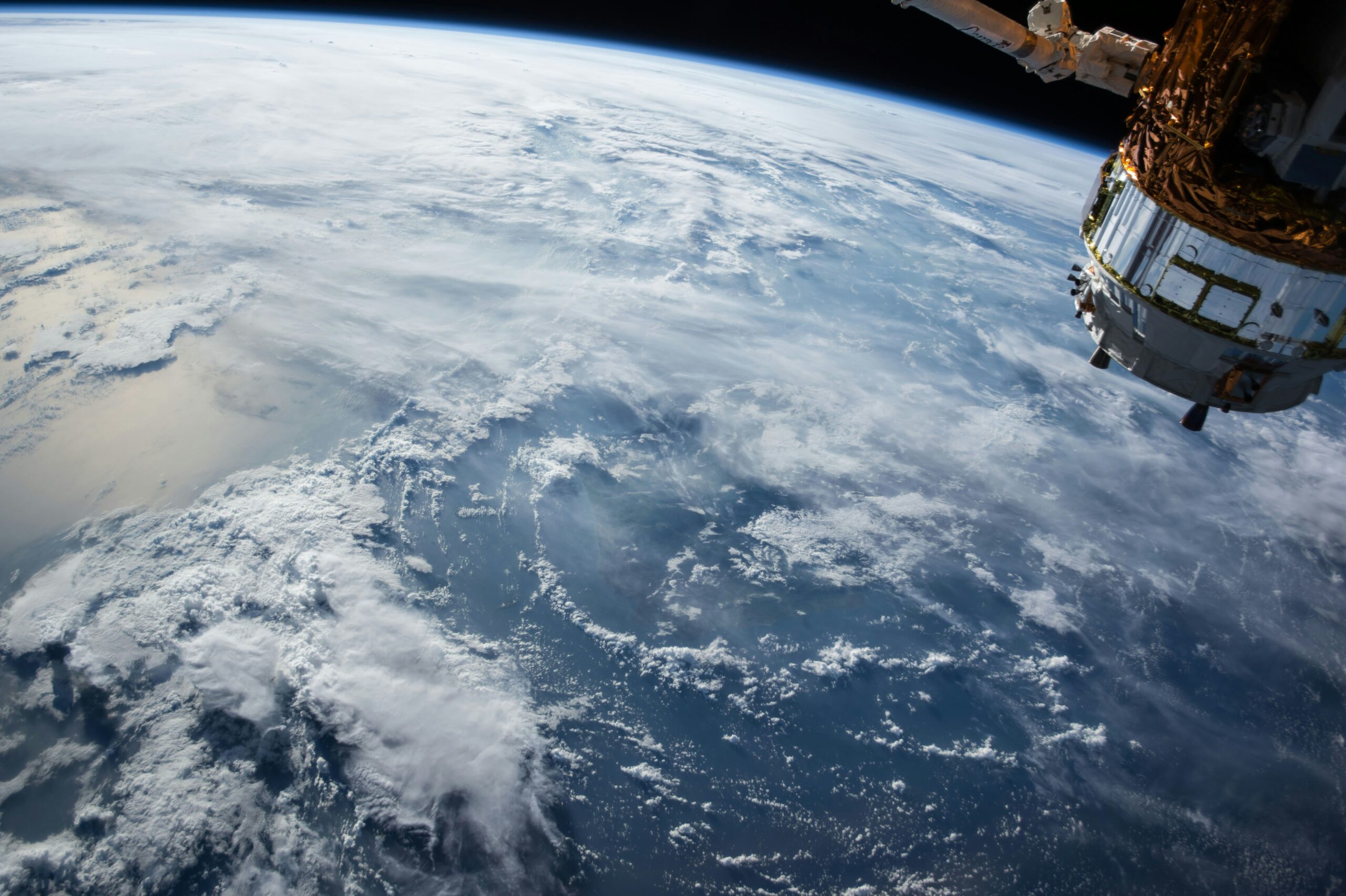
The Earth before humans was a planet of colossal shifts, breathtaking biodiversity, and unimaginable timescales. For billions of years, long before the first hominids sharpened a stone or gazed at the stars, our planet underwent radical transformations, shaping the very foundations of life and the landscapes we inhabit today. This is not a story of empires or civilizations, but one of elemental forces, evolutionary triumphs, and the slow, inexorable march of geological and biological time. It is the epic saga of Earth before humanity, a world alien yet profoundly familiar, where the echoes of ancient life still resonate in the rocks beneath our feet.
The story of Earth before humans begins not with life, but with its very formation. Our planet coalesced from the swirling dust and gas of the early solar nebula around 4.6 billion years ago. This chaotic period was characterized by intense bombardment from asteroids and comets, a violent crucible that molded the nascent planet.
The Hadean Eon: A Fiery Beginning
The earliest chapter of Earth’s history, the Hadean Eon (roughly 4.6 to 4 billion years ago), is aptly named. It was a time of extreme heat, volcanism on a global scale, and a molten surface constantly reshaped by impacts and radioactive decay. The atmosphere, if one could call it that, would have been noxious, composed of volcanic gases like methane, ammonia, and water vapor. There was no liquid water on the surface for most of this eon, and certainly no life as we understand it. The formation of the Moon, a cataclysmic event thought to be caused by a Mars-sized protoplanet colliding with the early Earth, likely occurred during this period, profoundly influencing the planet’s rotation and tides.
The Archean Eon: The Dawn of Life
The Archean Eon (approximately 4 to 2.5 billion years ago) witnessed a gradual cooling of the planet and the formation of a solid crust. As temperatures dropped, water vapor condensed, leading to the formation of the first oceans. This was the critical juncture where the stage was set for the emergence of life.
The First Stirrings: Prokaryotes and the Oxygen Crisis
The earliest evidence of life points to simple, single-celled organisms known as prokaryotes – bacteria and archaea. These microbial mats, found in ancient rocks, represent the oldest known fossils. For billions of years, life remained confined to these microscopic realms, evolving in diverse forms within the anoxic oceans. A pivotal development within the Archean was the evolution of cyanobacteria, capable of photosynthesis. This revolutionary process, which utilizes sunlight to convert carbon dioxide and water into energy, also released oxygen as a byproduct. Initially, this oxygen was absorbed by iron in the oceans, forming banded iron formations – vast geological deposits that serve as a testament to this early biochemical innovation.
The Proterozoic Eon: Oxygenation and Eukaryotic Evolution
The Proterozoic Eon (roughly 2.5 billion to 541 million years ago) was a period of immense global change. The gradual accumulation of oxygen in the atmosphere, known as the Great Oxidation Event, fundamentally altered Earth’s chemistry and paved the way for more complex life.
The Rise of Eukaryotes
The Proterozoic also witnessed the evolution of eukaryotes, cells with a nucleus and other complex organelles. This was a monumental leap in biological complexity, allowing for greater specialization and the eventual development of multicellular organisms. The scientific theory of endosymbiosis explains how mitochondria and chloroplasts, the powerhouses and photosynthetic machinery of eukaryotic cells respectively, likely originated as free-living prokaryotes that were engulfed by larger host cells.
The Snowball Earth Episodes
This eon was punctuated by the extreme “Snowball Earth” events, periods where the planet may have been almost entirely covered in ice. The exact causes and durations of these glaciations are still debated, but they underscore the dramatic climatic swings Earth has experienced. Surviving these harsh conditions would have required remarkable resilience and adaptation from early life forms.
Before the advent of human civilization, Earth was a dynamic planet shaped by geological processes and the evolution of diverse ecosystems. An intriguing aspect of our planetary history is the exploration of celestial bodies, such as the Moon, which has been a focal point for scientific inquiry and speculation. For a deeper understanding of the implications of lunar exploration, particularly in relation to Earth’s future, you can read the article on the militarization of the Moon’s south pole at this link.
The Age of Giants: The Paleozoic Era
The Paleozoic Era, spanning from 541 to 252 million years ago, was a time of explosive diversification of life, particularly in the oceans, and the eventual colonization of land by plants and animals. This era is marked by dramatic evolutionary innovations and significant geological events.
The Cambrian Explosion: A Burst of Biodiversity
The Cambrian Period, the start of the Paleozoic, is characterized by the “Cambrian Explosion,” a relatively short geological period in which most major animal phyla appeared in the fossil record. This rapid diversification of life saw the emergence of creatures with hard shells, exoskeletons, and complex body plans, many of which are recognizable ancestors of modern marine animals. Trilobites, ancient arthropods, became incredibly diverse and abundant, dominating marine ecosystems.
The Silurian and Devonian: The Conquest of Land
The Silurian Period saw the first evidence of terrestrial life, with early plants and arthropods venturing onto land. The Devonian Period, often called the “Age of Fishes,” witnessed a remarkable diversification of aquatic life, with the evolution of jawed fish. More importantly, the Devonian also saw the definitive colonization of land by plants, transforming terrestrial landscapes. Forests began to emerge, and with them, the first land animals, including amphibians.
The Carboniferous: Lush Forests and the First Reptiles
The Carboniferous Period was characterized by vast, swampy forests dominated by giant ferns and early trees. The decomposition of this abundant plant matter, under conditions of high atmospheric oxygen and low microbial activity, led to the formation of the vast coal deposits that fuel much of our modern world. It was during this period that the first reptiles evolved, with their amniotic egg allowing them to reproduce away from water, a crucial adaptation for terrestrial life.
The Permian Extinction: A Cataclysmic End
The Paleozoic Era ended with the Permian-Triassic extinction event, also known as the “Great Dying.” This was the most severe extinction event in Earth’s history, wiping out an estimated 96% of marine species and 70% of terrestrial vertebrate species. The causes are thought to be multifaceted, likely involving massive volcanic activity in Siberia, leading to rapid climate change, ocean acidification, and widespread anoxia. This event reshaped the biosphere, clearing the way for new groups of organisms to rise in the subsequent era.
The Reign of Dinosaurs: The Mesozoic Era

The Mesozoic Era, from 252 to 66 million years ago, is forever associated with the dominance of dinosaurs. This era witnessed the breakup of the supercontinent Pangaea, the evolution of birds and mammals, and dramatic changes in flora and fauna.
The Triassic: The Dawn of the Dinosaurs
The Triassic Period, following the Permian extinction, saw the recovery and diversification of life. Among the emerging forms were the dinosaurs, which gradually grew in size and ecological importance. Early dinosaurs were generally small, but by the end of the Triassic, they were beginning to dominate terrestrial ecosystems. Mammals also made their appearance during this period, though they remained small and likely nocturnal, living in the shadows of the reptiles.
The Jurassic: Giants Roam the Earth
The Jurassic Period is perhaps the most iconic of the Mesozoic. This was the golden age of the giant sauropods, long-necked herbivores like Brachiosaurus and Diplodocus, and fearsome theropods like Allosaurus. The landscape was dominated by gymnosperms, including conifers and cycads, with vast forests stretching across the continents. The supercontinent Pangaea continued to break apart, leading to the formation of new oceans and the isolation of landmasses.
The Cretaceous: Diversification and the Rise of Flowering Plants
The Cretaceous Period saw further diversification of dinosaur groups, including the iconic Tyrannosaurus rex and the armored Ankylosaurus. A significant development of this era was the evolution and widespread proliferation of flowering plants (angiosperms). This revolutionized terrestrial ecosystems, providing new food sources and habitats for insects, birds, and mammals. The Cretaceous also saw the rise of more advanced birds, and while mammals remained relatively small, they also diversified significantly.
The K-Pg Extinction: The End of an Era
The Mesozoic Era, and the reign of the dinosaurs, came to a sudden and dramatic end with the Cretaceous-Paleogene (K-Pg) extinction event, approximately 66 million years ago. The prevailing scientific consensus points to a massive asteroid impact in the Yucatán Peninsula as the primary cause. This impact triggered a cascade of catastrophic events, including global wildfires, tsunamis, and a prolonged period of darkness and cooling due to atmospheric dust. While the non-avian dinosaurs perished, a small lineage of feathered dinosaurs survived and evolved into the birds we know today.
The Age of Mammals: The Cenozoic Era

The Cenozoic Era, spanning from 66 million years ago to the present, is often referred to as the “Age of Mammals.” With the demise of the dinosaurs, mammals underwent an explosive radiation, filling the ecological niches vacated by their reptilian predecessors and eventually giving rise to myriad forms, including our own species.
The Paleogene: Mammalian Radiance
The Paleogene Period, encompassing the Paleocene, Eocene, and Oligocene epochs, witnessed the incredible diversification of mammals. From shrew-like ancestors, they evolved into a wide range of forms, including early primates, ungulates (hoofed mammals), carnivores, and marine mammals. This era was characterized by generally warmer climates than today, with lush forests covering much of the land.
The Neogene: Shaping Modern Landscapes
The Neogene Period, comprising the Miocene and Pliocene epochs, saw further evolution and specialization of mammalian groups. Grasslands expanded, and with them, the evolution of grazing animals and their predators. The continents continued to drift towards their present positions, shaping ocean currents and global climate. This period also saw the emergence of the earliest hominins, the ancestors of humans, in Africa.
The Quaternary: Ice Ages and the Dawn of Humanity
The Quaternary Period, the most recent epoch, is characterized by cycles of glacial and interglacial periods – the Ice Ages. These dramatic shifts in climate profoundly impacted ecosystems and forced species to adapt, migrate, or perish. It was within this dynamic and challenging environment that modern humans, Homo sapiens, evolved and began to spread across the globe, marking the end of the Earth’s prehistoric past and the beginning of our own recorded history.
Before humans began to shape the planet, Earth was a dynamic and ever-changing environment, marked by the rise and fall of various ecosystems and species. A fascinating exploration of the challenges and opportunities that arose in different regions can be found in an article discussing the complexities of the South China Sea. This piece delves into how natural formations and climate have influenced human activity over time. You can read more about it in this insightful article on navigating the South China Sea.
Echoes of the Prehistoric: Fossils and Geological Records
| Aspect | Measurement |
|---|---|
| Age of Earth | 4.5 billion years |
| Atmospheric Composition | Nitrogen: 78%, Oxygen: 21%, Other: 1% |
| Surface Temperature | Average: 15°C (59°F) |
| Landmasses | Approximately 29% of Earth’s surface |
| Water Bodies | Approximately 71% of Earth’s surface |
The story of Earth before humans is not lost to time. It is meticulously preserved in the rock layers that form our planet’s crust. Fossils, the preserved remains or traces of ancient organisms, provide tangible evidence of the life that once thrived.
The Power of the Fossil Record
From the microscopic fossils of bacteria to the colossal skeletons of dinosaurs, fossils offer unparalleled insights into evolutionary history. Paleontologists meticulously study these remnants, piecing together clues about the anatomy, behavior, and environment of extinct creatures. The relative dating of rock layers, combined with radiometric dating techniques, allows scientists to place these fossils within a chronological framework, reconstructing the timeline of life.
Beyond Fossils: Geochemical and Paleoclimatic Clues
The Earth itself acts as a record keeper. Geochemical analysis of ancient rocks can reveal the composition of early atmospheres and oceans, providing context for the evolution of life. Ice cores, drilled from polar glaciers, contain trapped air bubbles that reveal atmospheric composition and temperature from hundreds of thousands of years ago, offering a glimpse into past climates. Studying sedimentary rocks, volcanic ash layers, and the patterns of tectonic activity further illuminates the geological forces that have shaped our planet and its inhabitants.
The Earth before humans was a realm of constant flux, a testament to the enduring power of natural selection and the immense forces of geology and climate. It was a world of unimaginable life forms, of oceans teeming with bizarre creatures, and of landscapes shaped by fire, ice, and time. Understanding this prehistoric world is not merely an academic pursuit; it is essential for comprehending our own place within the grand tapestry of life and for appreciating the profound journey that has led to the existence of humanity. The rocks beneath our feet, the air we breathe, and the very landscapes we inhabit are all echoes of this ancient, enduring Earth.

When the Mediterranean Became a Desert | The Messinian Salinity Crisis Explained
FAQs
1. What was the Earth like before humans?
The Earth before humans was a vastly different place, with different landscapes, climates, and ecosystems. The continents looked different due to plate tectonics, and the climate was influenced by natural factors such as volcanic activity and variations in the Earth’s orbit.
2. What types of animals lived on Earth before humans?
Before humans, the Earth was home to a wide variety of animals, including dinosaurs, mammoths, saber-toothed cats, and giant sloths. These animals lived in different habitats and played important roles in their respective ecosystems.
3. How did the Earth’s environment change before humans?
The Earth’s environment changed over time due to natural processes such as volcanic eruptions, asteroid impacts, and shifts in the Earth’s climate. These changes shaped the landscapes and ecosystems that existed before humans appeared on the scene.
4. What impact did prehistoric humans have on the Earth?
Prehistoric humans had a significant impact on the Earth’s environment, including hunting and driving some species to extinction, altering landscapes through agriculture, and contributing to climate change through the use of fire.
5. What can we learn from studying the Earth before humans?
Studying the Earth before humans can provide valuable insights into the planet’s natural history, the evolution of life, and the impact of environmental changes. It can also help us understand the long-term effects of human activities on the Earth’s ecosystems and climate.