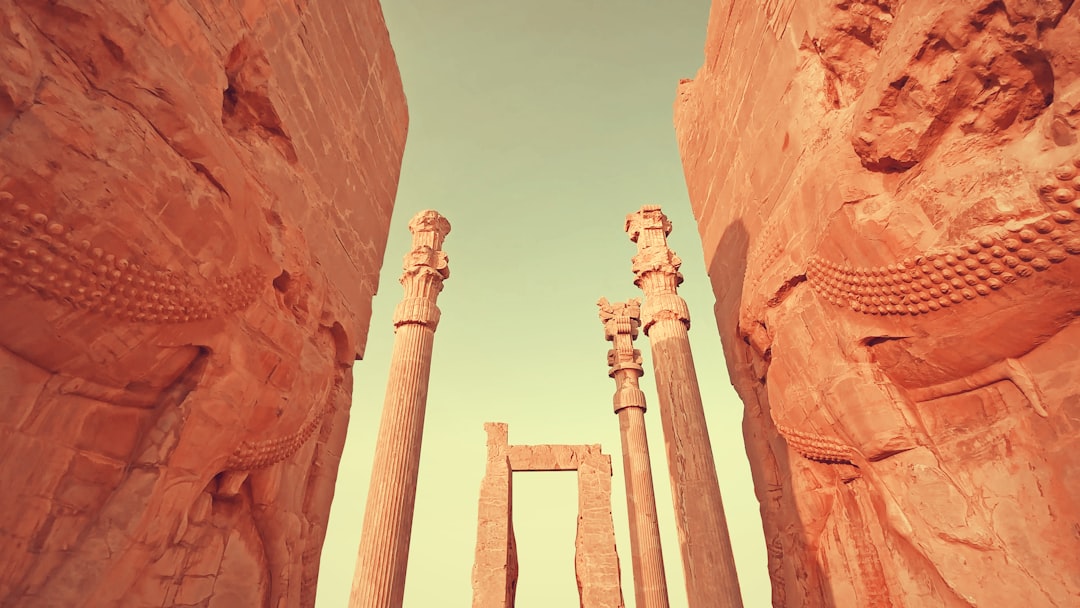
Echoes of the Ancient World: Connecting Past and Present
For millennia, humanity has been shaped by the profound wisdom and enduring legacies of civilizations long gone. The ancient world, a tapestry woven with the threads of innovation, philosophy, art, and governance, continues to resonate within the fabric of our modern lives. These echoes, though sometimes faint, are undeniably present, offering not only a glimpse into our origins but also invaluable insights that can guide our present and inform our future. The study and appreciation of these ancient echoes are not merely an academic pursuit; they are a vital process of self-discovery and a cornerstone of human progress. By understanding how our ancestors grappled with fundamental questions of existence, society, and the natural world, we can better navigate the complexities of our own time.
The very stones and structures left behind by ancient civilizations stand as testament to their ingenuity and ambition. From the colossal pyramids of Egypt to the sophisticated aqueducts of Rome, these architectural marvels speak volumes about the organizational capabilities, engineering prowess, and artistic sensibilities of bygone eras. Their influence can be observed not only in historical preservation but also in the practical application of their foundational principles in contemporary construction and urban planning. These tangible remnants serve as a constant reminder of the human capacity for monumental achievement, inspiring awe and fostering a sense of continuity across vast stretches of time.
Pyramidal Power: Engineering and Symbolism
The pyramids of Egypt, perhaps the most iconic remnants of the ancient world, represent more than just tombs for pharaohs. They are monumental feats of engineering, constructed with a precision and scale that continues to perplex and impress modern scientists and engineers. The sheer volume of stone moved, the sophisticated quarrying techniques, and the almost perfect alignment with celestial bodies suggest a profound understanding of mathematics, astronomy, and logistics. Beyond their engineering brilliance, the pyramids are deeply imbued with symbolic meaning, reflecting ancient Egyptian cosmology, beliefs about the afterlife, and the divine power of their rulers. Their enduring presence on the landscape prompts reflection on the human desire to create lasting legacies and to connect with something larger than oneself. The methodologies employed, from the understanding of leverage to the precise calculation of volumes, laid groundwork for future advancements in construction and physics.
Roman Roads and Aqueducts: Infrastructure for Empire
The Roman Empire, renowned for its military might and administrative efficiency, also left an indelible mark on the world through its infrastructure. The vast network of Roman roads, engineered for durability and speed, facilitated trade, communication, and troop movement, effectively unifying a sprawling empire. The principles of Roman road construction, emphasizing drainage and stable foundations, are still relevant in modern road building. Equally remarkable are their aqueducts, sophisticated systems of channels and pipes that transported fresh water over considerable distances, enabling the growth of cities and improving public health. These engineering triumphs not only sustained the Roman populace but also demonstrated a forward-thinking approach to urban development and resource management that continues to inspire contemporary city planners. Their legacy is evident in the principles of gravity-fed water systems and the enduring importance of well-maintained transportation networks.
Greek Temples and Public Spaces: Aesthetics and Civic Life
Ancient Greece, the birthplace of democracy and Western philosophy, also bequeathed to us a rich architectural heritage. The elegant proportions and harmonious designs of Greek temples, such as the Parthenon, embody principles of aesthetic balance and mathematical precision that continue to influence architectural theory and design. Beyond religious structures, the Greeks developed public spaces like the agora, a central marketplace and gathering place that fostered civic engagement and intellectual discourse. These spaces were designed to encourage interaction and the exchange of ideas, a concept that remains central to the functioning of vibrant and democratic societies. The lingering aesthetic ideals of Greek architecture, emphasizing order, symmetry, and proportion, can be seen in countless public buildings and monuments worldwide.
The ancient world was characterized by extensive trade networks and cultural exchanges that laid the groundwork for modern globalization. A fascinating article that explores contemporary shifts in global trade dynamics is available at this link: Exploring the Shift: Companies Flocking to Mexico from China. This piece delves into how companies are re-evaluating their supply chains and moving operations closer to home, echoing the historical patterns of trade and migration that have shaped civilizations throughout history.
Philosophical Foundations: Shaping Thought and Ethics
The philosophical inquiries of the ancient world have profoundly shaped Western thought and continue to provide frameworks for understanding the human condition. From the Socratic method of questioning to the Stoic pursuit of virtue, these ancient philosophical traditions offer enduring wisdom on ethics, knowledge, and the pursuit of a meaningful life. Their ideas have permeated religious doctrines, political ideologies, and individual moral compasses, demonstrating the lasting power of abstract thought to influence tangible human experience.
Socrates, Plato, and Aristotle: The Pillars of Western Philosophy
The intellectual giants of ancient Greece – Socrates, Plato, and Aristotle – laid the groundwork for much of Western philosophical inquiry. Socrates’ emphasis on critical self-examination, his relentless questioning of assumptions, and his pursuit of truth through dialogue laid the foundation for rational discourse. Plato, his most famous student, explored complex ideas about justice, the ideal state, and the nature of reality through his dialogues. Aristotle, Plato’s most brilliant pupil, developed systematic approaches to logic, ethics, metaphysics, and political science, creating a comprehensive intellectual system that dominated Western thought for centuries. The Socratic method, the Platonic theory of Forms, and Aristotelian ethics continue to be debated, reinterpreted, and applied in contemporary philosophical discourse.
Stoicism and Epicureanism: Paths to a Good Life
Beyond the grand philosophical systems, ancient thinkers also offered practical guidance on living a virtuous and fulfilling life. Stoicism, with its emphasis on virtue, reason, and acceptance of what cannot be controlled, provided a framework for resilience and inner peace. Figures like Epictetus and Marcus Aurelius articulated principles of self-discipline and detachment from external circumstances that remain remarkably relevant in navigating the stresses of modern life. Epicureanism, often misunderstood, sought to achieve happiness through the absence of pain and the pursuit of moderate pleasures, emphasizing friendship and intellectual pursuits. These Hellenistic philosophies offer enduring insights into managing emotions, cultivating contentment, and finding meaning in a challenging world.
The Legacy of Ancient Logic and Rhetoric
The formalization of logic by Aristotle and the sophisticated art of rhetoric practiced by figures like Demosthenes provided essential tools for argumentation, persuasion, and clear communication. Ancient logic, with its syllogistic reasoning, continues to underpin formal reasoning and computational thinking. The principles of effective public speaking and persuasive argumentation developed in ancient Greece and Rome remain fundamental to fields such as law, politics, and marketing. Understanding these ancient traditions allows us to appreciate the evolution of critical thinking and the enduring power of well-crafted discourse.
Scriptural and Literary Reverberations
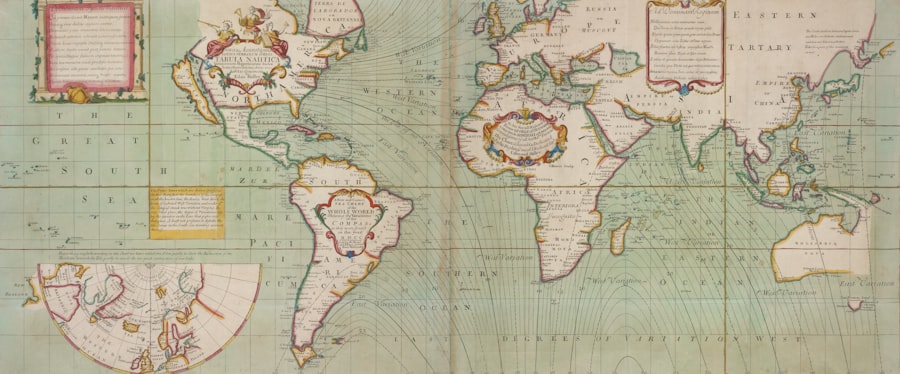
The literature and religious texts of the ancient world have served as foundational narratives, ethical guides, and sources of cultural identity for countless generations. These works, whether epic poems, philosophical treatises, or sacred writings, offer profound insights into human nature, societal values, and the search for meaning. Their enduring relevance lies in their ability to speak to universal human experiences, transcending their original contexts to resonate with readers across time and cultures.
The Epics of Homer: Foundations of Narrative and Heroism
The Iliad and the Odyssey of Homer are cornerstones of Western literature, shaping our understanding of epic storytelling, character archetypes, and the human struggle with fate, honor, and duty. These ancient Greek poems, passed down through oral tradition before being written, provide a window into the values, beliefs, and societal structures of the Bronze Age. The heroic journeys, the exploration of human flaws and virtues, and the complex relationships depicted have served as a wellspring for countless subsequent literary works, influencing everything from ancient Roman epics to modern adventure novels and films. The archetypes of the hero, the mentor, the trickster, and the tragic figure, first vividly portrayed in Homer’s epics, continue to populate our stories and shape our understanding of character.
The Sacred Texts of Antiquity: Guiding Morality and Meaning
The religious and philosophical texts of ancient civilizations – the Vedas and Upanishads of India, the Torah and Old Testament of the Abrahamic faiths, the Avesta of Zoroastrianism, and the early Buddhist sutras – have provided moral frameworks, spiritual guidance, and cosmological understandings for billions. These texts, often born from profound spiritual experiences and ancient wisdom traditions, have shaped ethical systems, cultural norms, and the individual search for purpose. The narratives, parables, and teachings within these ancient scriptures continue to be studied, interpreted, and lived by people around the globe, demonstrating their profound and lasting impact on the human spiritual landscape. Their enduring power lies in their ability to articulate fundamental human questions about existence, morality, and the divine, offering solace and direction.
The Plays of the Ancient Theatre: Exploring Human Emotion and Society
The tragedies and comedies of ancient Greek playwrights like Sophocles, Euripides, Aeschylus, and Aristophanes offered profound explorations of human nature, morality, and the complexities of society. These plays, performed in grand amphitheaters, provided a communal space for audiences to confront universal themes of love, loss, duty, fate, and justice. The dramatic structures, character development, and thematic depth established by these ancient playwrights have profoundly influenced the development of theatre and drama throughout history. Their continued performance and study reveal the timelessness of human emotions and the enduring power of storytelling to provoke thought and foster empathy. The Oedipus cycle, the Oresteia, and the satirical comedies of Aristophanes remain potent explorations of the human psyche and the dynamics of social order.
Legacies in Governance and Law
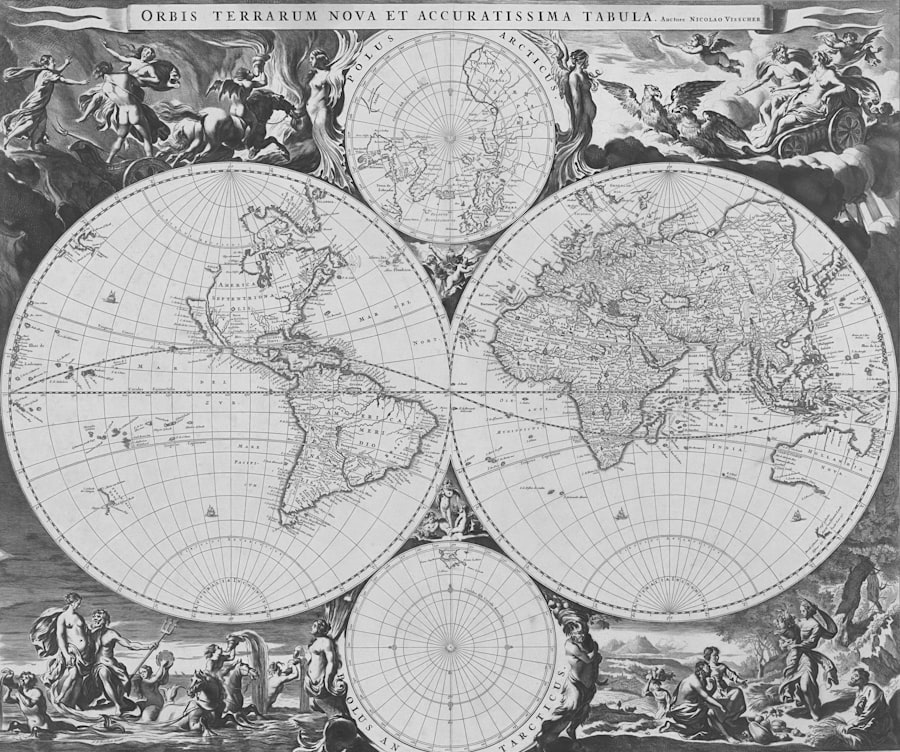
The systems of governance and legal frameworks developed by ancient civilizations have laid the groundwork for many of the political and legal structures that govern us today. From the nascent democracies of Athens to the codified legal systems of Rome, these ancient innovations have shaped our understanding of justice, citizenship, and the organization of society. Their influence can be seen in constitutional principles, legislative processes, and the very concept of rule of law.
The Athenian Democracy: The Birth of Citizen Participation
The Athenian experiment with democracy, though limited in its scope by modern standards, represented a radical departure in governance. The concept of citizens directly participating in decision-making, albeit a select group, was a revolutionary idea that laid the foundation for representative democracy. The Athenian agora served as a physical manifestation of this participatory spirit, where citizens debated issues and shaped policy. The principles of direct democracy, the importance of public discourse, and the ideals of civic responsibility, though evolved, remain central to ongoing discussions about effective governance and the rights of citizens. The enduring question of how to best empower citizens and ensure fair representation continues to echo from the Pnyx hill of ancient Athens.
Roman Law: The Foundation of Modern Legal Systems
The Roman legal system, characterized by its codification, emphasis on precedent, and sophisticated legal reasoning, has had a profound and lasting impact on legal traditions worldwide. The Corpus Juris Civilis, compiled under Emperor Justinian, provided a systematic body of law that influenced civil law jurisdictions for centuries, and its principles can be seen even in common law systems. Concepts such as contracts, property rights, and due process have their roots in Roman jurisprudence. The ancient Romans understood the importance of clear, codified laws for maintaining order and ensuring fairness within a complex society, a lesson that remains paramount in contemporary legal practice. The enduring principles of ius civile and ius gentium continue to inform legal thinking.
Republics and Empires: Models of Statecraft
The rise and fall of ancient republics and empires offered invaluable lessons in statecraft, administration, and the challenges of maintaining stability and prosperity. The Roman Republic’s balance of powers, its senatorial system, and its expansionist policies, as well as the administrative innovations of empires like Persia and the Maurya Empire in India, provided models and cautionary tales for subsequent rulers and states. The study of these historical precedents helps us understand the cyclical nature of power, the importance of effective leadership, and the inherent difficulties in managing large and diverse populations. The enduring debate between republican ideals and imperial ambitions continues to inform political discourse.
Exploring the intricate web of connections in the ancient world reveals how civilizations interacted and influenced one another, much like the modern need for international cooperation to prevent conflicts in space. For a deeper understanding of contemporary global dynamics, you can read about the importance of collaboration in the context of space exploration in this insightful article on preventing a space arms race. By examining these connections, we can draw parallels between past and present efforts to foster peace and cooperation among nations. To learn more, visit this article.
Scientific and Technological Forebearers
| Connection | Metrics |
|---|---|
| Trade Routes | Number of trade routes, goods exchanged |
| Cultural Exchange | Number of shared cultural practices, languages |
| Religious Influence | Spread of religious beliefs, number of temples/shrines |
| Warfare | Number of conflicts, military strategies |
While often perceived as rudimentary, the scientific and technological endeavors of the ancient world were remarkably sophisticated and laid the groundwork for many modern advancements. From ancient astronomical observations to early forms of mathematics and medicine, these pioneering efforts demonstrate a persistent human drive to understand and manipulate the natural world. Their impact is felt in our scientific methodologies, our understanding of natural phenomena, and the very tools we use.
Ancient Astronomy: Charting the Heavens and Predicting Cycles
Civilizations across the globe, from Mesopotamia and Egypt to China and Mesoamerica, developed sophisticated observational astronomy. They meticulously charted the movements of celestial bodies, identifying patterns, predicting eclipses, and developing calendars. These efforts were not purely abstract; they were crucial for agriculture, navigation, and religious practices. The ancient Greeks, for instance, developed geometric models to explain planetary motion, and their observations formed a basis for later astronomical breakthroughs. The curiosity and systematic observation demonstrated by these ancient sky-watchers represent the nascent stages of the scientific method and an enduring human fascination with the cosmos. The meticulous record-keeping of Babylonian astronomers continues to be a source of valuable data.
The Quest for Knowledge in Ancient Medicine
Ancient medical traditions, while often intertwined with spiritual beliefs, also exhibited significant practical knowledge. The medical schools of ancient Greece, particularly those influenced by Hippocrates, emphasized observation, diagnosis, and treatment based on natural causes rather than purely supernatural ones. Egyptian physicians developed sophisticated surgical techniques, and Ayurvedic medicine in India offered a comprehensive system of herbal remedies and holistic health practices. While many ancient medical practices have been superseded by modern science, the foundational principles of careful observation, empirical evidence, and the pursuit of healing remain central to contemporary medicine. The Hippocratic Oath continues to be a cornerstone of medical ethics.
Early Mathematics and Engineering: The Language of the Universe
The development of mathematics in ancient civilizations, from the practical arithmetic of the Egyptians and Babylonians to the geometric discoveries of the Greeks, provided the essential language for understanding and manipulating the world. The invention of zero, the development of algebraic concepts, and the theorems of geometry laid the foundation for all subsequent scientific and technological progress. Similarly, ancient engineering feats, from the construction of complex irrigation systems to the development of early machines like the Archimedes screw, demonstrate an intuitive understanding of physics and mechanics that continues to inspire. These foundational mathematical and engineering principles are the bedrock upon which modern innovations are built. The Pythagorean theorem and Euclid’s Elements remain foundational texts for mathematical education.
Cultural Transmissions and Enduring Ideals
Perhaps the most pervasive and profound echoes of the ancient world lie in its cultural transmissions and the enduring ideals it fostered. Language, art, mythology, and the very concepts of beauty and virtue have been shaped and refined by the contributions of these ancient civilizations. Their artistic expressions continue to inspire, their mythologies offer timeless narratives, and their ideals of justice, reason, and human dignity continue to guide our aspirations.
The Art of Antiquity: Aesthetics and Narrative Across Millennia
The art of the ancient world – whether it be the monumental sculptures of Greece, the intricate mosaics of Rome, or the vibrant frescoes of Egypt – continues to captivate and influence artistic expression today. These works not only showcase technical skill and aesthetic sensibility but also offer insights into the values, beliefs, and daily lives of ancient peoples. The principles of balance, proportion, and idealized forms established in classical art have resonated through countless artistic movements, and the narrative power of ancient artworks continues to inspire contemporary artists. The enduring appeal of classical aesthetics underscores a timeless human appreciation for beauty and form.
Mythologies as Universal Narratives
The mythologies of the ancient world, from Greek and Roman pantheons to Norse sagas and Egyptian legends, are more than just fanciful stories. They are profound explorations of the human condition, offering explanations for natural phenomena, grappling with moral dilemmas, and providing archetypal characters and plot devices that have permeated global storytelling. These myths continue to be retold, reinterpreted, and adapted in literature, film, and other forms of popular culture, demonstrating their enduring relevance in shaping our understanding of heroism, tragedy, and the search for meaning. The archetypes of the hero’s journey, the tragic flaw, and the divine intervention are all deeply rooted in ancient mythologies.
The Enduring Pursuit of Virtue and Reason
The ancient world bequeathed to us the concept of striving for virtuous living and the power of human reason. The emphasis on cultivating character, exemplified by philosophers like Plato and Aristotle, and the Stoic ideal of living in accordance with nature and reason, continue to inform ethical discourse and personal development. These ancient ideals, though challenged and reinterpreted, represent a persistent aspiration for a life guided by wisdom, justice, courage, and temperance. The ongoing human endeavor to understand ourselves and to live ethically is a direct continuation of these ancient philosophical quests. The pursuit of knowledge and the capacity for critical thinking, so highly valued by ancient thinkers, remain indispensable tools for navigating the complexities of the modern world.

How Volcanic Glass Solved a 10,000-Year-Old Mystery
FAQs
What are some examples of ancient world connections?
Some examples of ancient world connections include trade routes such as the Silk Road, cultural exchanges between civilizations, and the spread of religious beliefs and practices.
How did ancient civilizations communicate and interact with each other?
Ancient civilizations communicated and interacted with each other through trade, diplomatic missions, military conquests, and cultural exchanges. They also exchanged knowledge and ideas through written communication and oral traditions.
What impact did ancient world connections have on the development of civilizations?
Ancient world connections had a significant impact on the development of civilizations by facilitating the exchange of goods, ideas, technologies, and cultural practices. This led to the enrichment and advancement of societies in various ways.
What role did trade play in ancient world connections?
Trade played a crucial role in ancient world connections by enabling the exchange of goods, resources, and ideas between different civilizations. It also contributed to the economic prosperity and cultural diversity of ancient societies.
How did ancient world connections contribute to the spread of knowledge and innovation?
Ancient world connections contributed to the spread of knowledge and innovation by allowing for the exchange of scientific, technological, and philosophical ideas between different civilizations. This cross-cultural exchange led to advancements in various fields and the development of new ideas and inventions.