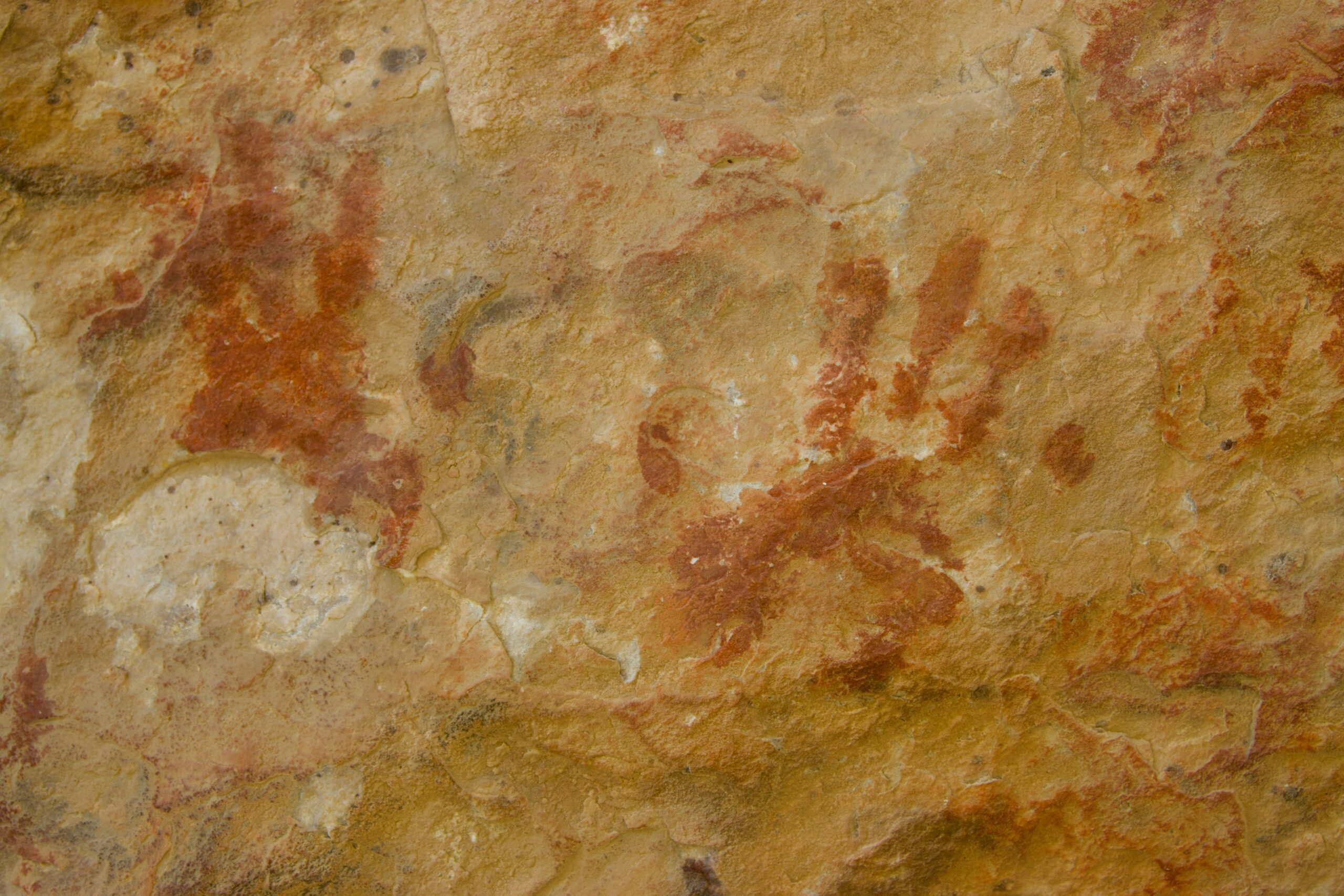
The Rhythmic Pulse of the Past: Unveiling Repetition in Ancient Rock Art
The silent canvases of the ancient world, etched into the very bedrock of our planet, whisper tales of forgotten peoples and their profound connections to the cosmos. These rock art sites, scattered across continents and millennia, are not mere random scribbles but deliberate compositions, often imbued with a deeply embedded logic. Among the most striking and pervasive features of this ancient visual language is the deliberate use of repetition. Whether in geometric forms, animal depictions, or abstract symbols, the recurrence of motifs is not an accident; it is a fundamental aspect of their meaning, function, and transmission. Exploring these echoes of time, scholars are beginning to unravel the multifaceted roles that repetition played in the creation and understanding of these enduring artworks, revealing a sophisticated approach to communication, ritual, and the ordering of the world as perceived by our ancestors.
Repetition in ancient rock art serves as a fascinating lens through which we can explore the cultural and spiritual practices of early civilizations. This concept is not only relevant in the context of prehistoric art but also resonates with contemporary themes in various fields. For instance, an article discussing the impact of Mexico’s infrastructure on nearshoring opportunities highlights how historical patterns can influence modern economic strategies. You can read more about this connection in the article found here: Mexico’s Infrastructure Boosts Nearshoring Opportunities.
Decoding the Language of Recurrence: Geometric Patterns as Foundational Elements
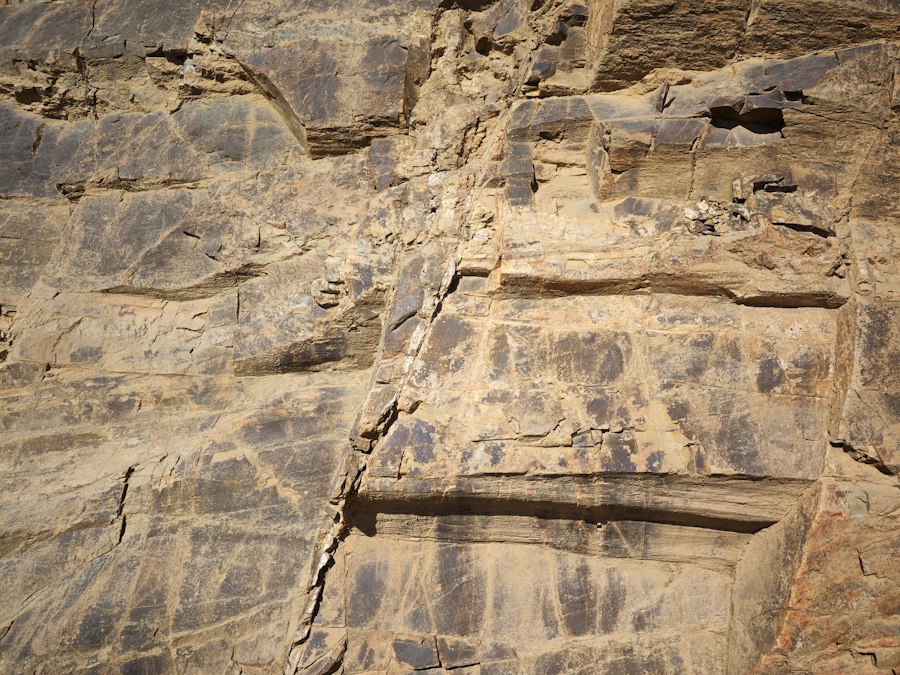
Geometric patterns are arguably the most ubiquitous and enduring form of repetition found in ancient rock art. These abstract designs, often simple yet profoundly complex in their implications, form the bedrock upon which many other symbolic systems are built. Their inherent mathematical qualities lend themselves naturally to repeated application, and their abstract nature allows for a wide range of interpretations that transcend specific narratives. From the simple dots and lines to intricate mazes and starbursts, these repeating geometric forms served as a fundamental visual language, accessible across diverse groups and potentially holding universal meanings.
The Universal Grammar of Dots and Lines
The most basic forms of repetition in rock art often involve dots and lines. A single dot might represent a star, a person, or a point of origin. When repeated, however, these dots can transform into constellations, gatherings of people, or even representations of the landscape. A simple line, similarly, can signify a path, a river, or the horizon. Yet, when strung together or arranged in specific configurations, lines can create grids, networks, and directional cues, suggesting a more complex understanding of space and movement. The repetition of these elements, whether clustered or linearly arranged, imbues them with a sense of order and structure. This systematic arrangement suggests that these were not casual observations but intentional arrangements designed to convey specific information or evoke particular states of mind. The rhythm established by the repetition of these elemental forms creates a visual cadence, drawing the viewer into a contemplative or mnemonic engagement with the artwork.
Spirals, Concentrics, and the Infinite Cycle
Spirals and concentric circles represent a more advanced yet equally prevalent form of repetition. The spiral, with its continuous, outward-expanding or inward-contracting form, is a powerful symbol of journey, transformation, and the cyclical nature of existence. Its repetition can amplify these meanings, suggesting the eternal recurrence of seasons, the progression of life and death, or the journey of the soul. Concentric circles, with their layered, repeating rings, evoke a sense of enclosure, focus, and potentially, cosmic order. They can represent the sun, the moon, or the layered structure of the universe as understood by the artists. The rhythmic expansion and contraction inherent in these forms, achieved through their repeated application, speak to fundamental cosmological beliefs and the perception of time as a continuous, flowing entity. The deliberate and careful execution of these repeating forms suggests a deep understanding of geometry and its symbolic resonance.
Grids and Lattices: Mapping the World and the Mind
The repetition of lines to form grids and lattices introduces a new dimension of abstract organization. These patterns can be interpreted as attempts to map the world – a rudimentary form of cartography, perhaps, or a representation of social structures and territorial boundaries. They can also be seen as visualizations of abstract concepts, such as order, division, or logical progression. The regular spacing and alignment of the repeating elements within these grids suggest a desire to impose order on chaos, to categorize and understand the surrounding environment. The repetition here is not just visual; it is conceptual, reflecting a cognitive process of breaking down the world into manageable, repeatable units. The meticulous repetition in these forms highlights a sophisticated understanding of pattern recognition and its application to both the tangible and intangible aspects of existence.
The Narrative Power of Repeating Figures: From Animals to Anthropomorphs
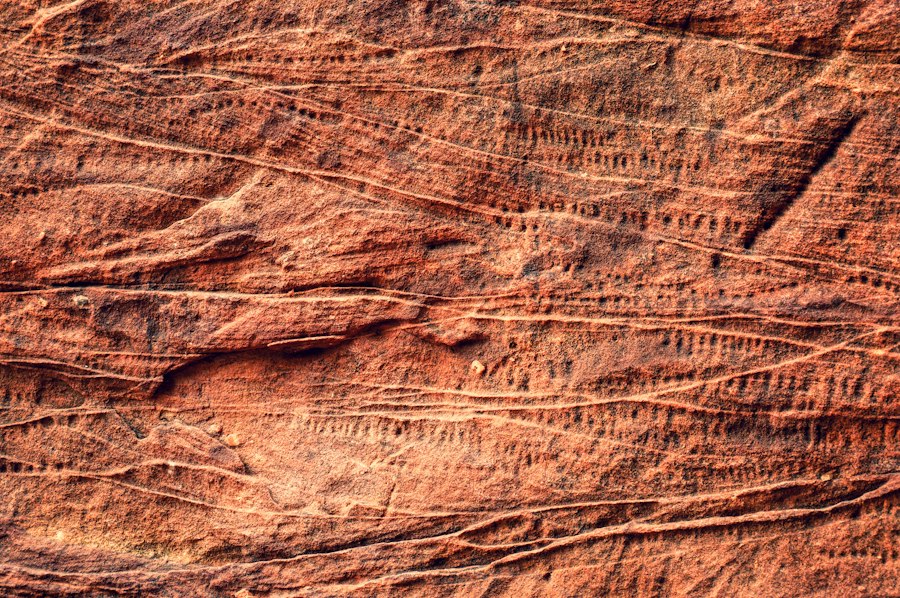
While geometric patterns provide a foundation of abstract order, the repetition of figurative elements in rock art adds a layer of narrative, symbolic, and perhaps even mnemonic complexity. The careful replication of animal forms, human figures, and hybrid beings suggests a deliberate intent to communicate stories, reinforce beliefs, and pass down knowledge across generations. This repetition is not mere mimicry but a nuanced exploration of form and meaning, often imbued with spiritual or social significance.
Animal Cycles: Hunting, Totems, and the Spirit World
The depiction of animals is a cornerstone of much ancient rock art. When these animal figures are repeated, they can signify several things. Repeated depictions of a specific animal, such as a bison or a deer, might reflect its importance in the diet and daily life of the community, serving as a mnemonic aid for hunting strategies or as a visual representation of abundance. More profoundly, these repetitions could allude to totemic relationships, where certain animals were seen as ancestors or spiritual guides, their repeated presence serving to maintain a connection to these sacred beings. The variations in posture or the placement of the repeated animals can also suggest narratives – a hunt in progress, a migration, or a spiritual journey. The rhythmic appearance of these animal forms can thus serve as a visual chronicle, a testament to the ecological and spiritual interconnectedness of the ancient peoples with the fauna that shared their world.
The Human Form in Motion and Ritual
The repetition of human figures, or anthropomorphs, offers a glimpse into the social and ritualistic lives of ancient peoples. Repeated human outlines can indicate community gatherings, dances, or ceremonies. Variations in posture, size, or the addition of decorative elements on these figures can suggest different roles, statuses, or stages of a ritual. A procession of identical figures might depict a collective effort, while a sequence of figures engaged in different actions could narrate a story or a myth. The repetition here acts as a way to emphasize collective identity, shared experience, and the importance of communal activities. It also serves as a powerful tool for transmitting cultural practices and social norms, ensuring that the memory of these rituals and their meanings endured.
Mythic Beasts and Transformative Beings
Beyond recognizable animals and humans, rock art often features hybrid creatures and beings that defy easy categorization. The repetition of these mythic figures is particularly significant, suggesting their central role in the cosmology and belief systems of the artists. These repeating chimera or shape-shifters can represent transformative processes, the liminal spaces between worlds, or the embodiment of powerful, often dualistic, forces. Their recurrence on different panels or at different sites might indicate the widespread nature of certain myths or the importance of these beings in guiding spiritual journeys or mediating between the human and supernatural realms. The deliberate and consistent repetition of these fantastical beings underscores their enduring power and their role in shaping the worldview of ancient communities.
Echoes in the Landscape: Repetition as a Spatial and Temporal Marker
The placement and repetition of rock art within the landscape are not arbitrary. These artworks were often integrated into the natural environment, and their recurrence served to imbue specific locations with meaning, to mark important routes, and to anchor a sense of place across time. The deliberate repetition of motifs in relation to natural features suggests a sophisticated understanding of spatial relationships and a desire to create a layered, meaningful geography.
Sacred Sites and the Amplification of Power
The repetition of specific motifs or the clustering of numerous artworks in particular locations often signifies sacred sites. These areas, imbued with spiritual energy or historical significance, might have been marked by the recurring presence of certain symbols. This repetition amplified the power and meaning of these places, transforming them from ordinary landscapes into sacred precincts. The visual rhythm created by multiple instances of the same symbol in close proximity would draw the attention of those who knew how to read these signs, drawing them into a deeper engagement with the spiritual essence of the location. Such repeated markings could have served as beacons, guiding individuals or groups to places of ritual importance or ancestral connection.
Marking Trails and Navigational Clues
In more practical terms, repetition in rock art could have served as navigational markers. Along ancient trails or migration routes, the recurrence of a particular symbol or cluster of images would provide visual cues, confirming the correct path and preventing disorientation. These repeating markers acted as a form of ancient signage, guiding travelers through sometimes challenging terrain. The consistency of these repeating images would have reinforced their reliability as navigational aids, ensuring that knowledge of these routes, and the stories associated with them, could be passed down effectively. This practical application highlights the multi-layered functionality of rock art, where aesthetic and symbolic considerations were interwoven with pragmatic needs.
Territorial Boundaries and Ancestral Claims
The deliberate repetition of specific art styles or motifs within a defined geographical area can also be interpreted as a way of marking territorial boundaries. These recurring visual signatures would have asserted the presence and claims of a particular group, distinguishing their territory from that of others. Furthermore, the repetition of ancestral imagery or clan symbols within a territory would have served to reinforce ancestral claims and connections to the land, solidifying the group’s identity and their rights to the resources and sacred sites within their domain. This form of visual demarcation provided a tangible representation of social organization and belonging, etched into the very fabric of the landscape.
Repetition in ancient rock art often serves as a powerful tool for understanding the cultural and spiritual practices of early civilizations. A fascinating exploration of this theme can be found in a recent article that delves into the significance of these patterns and their implications for our understanding of human history. For those interested in uncovering more about these ancient secrets, you can read the article here. The insights provided not only highlight the artistic techniques used but also shed light on the broader context of these remarkable creations.
The Art of Memory: Repetition as a Mnemonic Device and Teaching Tool
| Region | Estimated Age (Years) | Common Motifs | Repetition Frequency | Interpretation of Repetition |
|---|---|---|---|---|
| Europe (e.g., Lascaux, France) | 17,000 – 15,000 | Animals (bison, horses, deer) | High – multiple similar animal figures repeated | Ritualistic significance, possibly related to hunting magic |
| Australia (Aboriginal rock art) | Up to 40,000 | Human figures, animals, hand stencils | Moderate – repeated patterns and symbols | Storytelling and cultural transmission |
| Africa (Tassili n’Ajjer, Algeria) | 12,000 – 8,000 | Humans, cattle, geometric shapes | Moderate to high – repeated cattle and human forms | Social or religious symbolism |
| North America (Southwest USA) | 2,000 – 1,000 | Spirals, animals, anthropomorphic figures | High – repeated geometric and animal motifs | Communication and ceremonial purposes |
| South America (Serra da Capivara, Brazil) | 12,000 – 10,000 | Human figures, animals, hunting scenes | Moderate – repeated hunting scenes and figures | Documentation of daily life and rituals |
Beyond its communicative and spatial functions, repetition in ancient rock art served as a powerful mnemonic device and an essential tool for education and cultural transmission. In societies that relied heavily on oral traditions and visual learning, the consistent reappearance of symbols and patterns was crucial for remembering complex information, stories, and rituals.
Visual Mnemonics: Encoding Knowledge in Patterns
The human brain is naturally adept at recognizing and remembering patterns. Ancient artists likely leveraged this cognitive bias by encoding important knowledge into repeating visual forms. A complex myth, a set of laws, or a detailed understanding of the natural world could be broken down into a series of recurring visual elements and arrangements. By repeatedly encountering these patterns, individuals would have been able to recall the associated narratives and information more easily. The rhythmic and predictable nature of repetition made the art more accessible to memory, acting as a visual anchor for abstract concepts and complex sequences of events. This allowed for the retention of knowledge across generations in a pre-literate world.
Storytelling Through Sequential Repetition
The repetition of figures or symbols in a sequence can effectively convey a narrative arc. The same element appearing multiple times, perhaps with slight variations in posture or context, can signify a progression of actions or events. This sequential repetition creates a visual narrative that viewers could follow and internalize. For example, a repeated image of a shaman interacting with a spirit animal, followed by the repeated image of the same animal in a different form, could represent a transformative ritual. This storytelling through repetition made complex myths and historical accounts accessible and memorable, ensuring their continuity within the community.
Passing Down Skills and Rituals
Repetition in rock art was also instrumental in the transmission of practical skills and complex ritualistic practices. Depictions of hunting techniques, tool-making processes, or the steps involved in elaborate ceremonies, when repeated with variations, could serve as visual instruction manuals. Novices could learn by observing and replicating these patterns, gradually internalizing the necessary knowledge and motor skills. The repetition would ensure that the correct sequences and movements were understood and remembered, preventing errors and maintaining the integrity of vital traditions and practices. This educational aspect underscores the functional sophistication of ancient rock art.
Repetition in ancient rock art often serves as a fascinating window into the cultural practices and beliefs of early societies. This concept is explored in depth in various studies, highlighting how repeated motifs can signify important themes or rituals. For those interested in a broader context of how patterns and repetition influence different fields, you might find this article on securing commercial satellites and defending against cyber attacks particularly insightful. The connection between repetition in art and patterns in technology reveals much about human behavior across different domains. You can read more about it here.
The Enduring Resonance: Repetition and the Universal Human Experience
The pervasive nature of repetition in ancient rock art across diverse cultures and time periods points to its fundamental role in the human experience. It speaks to our innate desire to find order in chaos, to connect with the cyclical rhythms of the universe, and to preserve and transmit knowledge and meaning. The echoes of time found in these repeating patterns offer a profound insight into the shared cognitive and spiritual landscapes of our ancestors.
The Human Psyche and the Need for Order
At a fundamental psychological level, humans are drawn to repetition. It provides a sense of predictability, comfort, and understanding in a complex world. The repetition in rock art reflects this inherent human need to find and create order. Whether through geometric arrangements, naturalistic depictions, or abstract symbols, the deliberate recurrence of motifs suggests a conscious effort to impose structure and meaning onto the world, both internal and external. This drive for order is a testament to our capacity for cognition and our desire to make sense of our existence.
Cosmic Rhythms and the Cyclical View of Existence
The repetition of patterns that mirror natural cycles – the waxing and waning of the moon, the turning of seasons, the life and death of organisms – highlights a deep understanding and appreciation of cosmic rhythms. The ancient artists were not merely observing their environment; they were internalizing its cyclical nature and reflecting it in their art. The repetition of spirals, concentric circles, and animal cycles, in particular, suggests a worldview where time was not linear but cyclical, emphasizing renewal, rebirth, and the eternal recurrence of fundamental processes. This cyclical perspective shaped their understanding of life, death, and the interconnectedness of all things.
A Universal Language of Symbolism and Meaning
The fact that similar forms of repetition appear in rock art from vastly different geographical locations and temporal periods suggests that certain symbolic meanings may be universal or at least widely shared. While the specific interpretations of individual motifs can vary, the fundamental principles behind repetition – emphasis, memory, order, and rhythm – seem to resonate across human cultures. The study of these repeating patterns, therefore, offers a unique window into a shared human heritage, revealing a universal language of symbolism that transcends spoken tongues and connects us to the enduring quest for meaning that has characterized humanity throughout its history. The enduring presence of these echoed designs serves as a powerful reminder of our shared humanity and the timeless impulse to create, communicate, and connect.
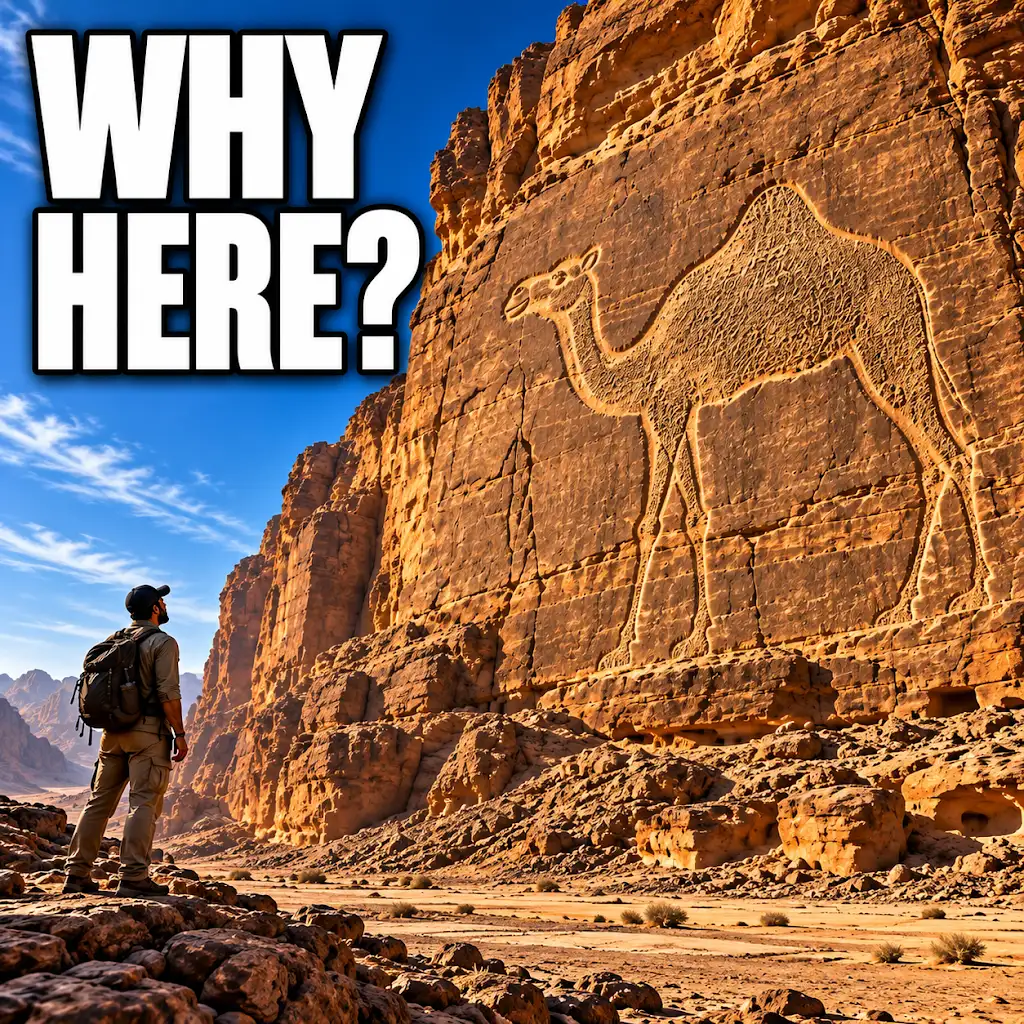
Why Were Giant Camels Carved Above the Desert?
FAQs
What is repetition in ancient rock art?
Repetition in ancient rock art refers to the practice of depicting the same symbols, motifs, or patterns multiple times within a single artwork or across different rock art sites.
Why did ancient cultures use repetition in rock art?
Ancient cultures used repetition in rock art for various reasons, such as emphasizing the importance of certain symbols or motifs, creating a sense of rhythm or movement in the artwork, or conveying specific cultural or spiritual beliefs.
What are some common motifs that were repeated in ancient rock art?
Common motifs that were often repeated in ancient rock art include animals, human figures, geometric shapes, handprints, footprints, and symbols representing celestial bodies or natural elements.
How did ancient people create repetition in rock art?
Ancient people created repetition in rock art by using various techniques such as carving, painting, or engraving the same symbols or motifs multiple times on rock surfaces using tools like chisels, brushes, or their fingers.
What can the study of repetition in ancient rock art tell us about ancient cultures?
The study of repetition in ancient rock art can provide insights into the beliefs, rituals, social structures, and artistic practices of ancient cultures, helping researchers better understand the cultural significance and symbolism behind these ancient artworks.