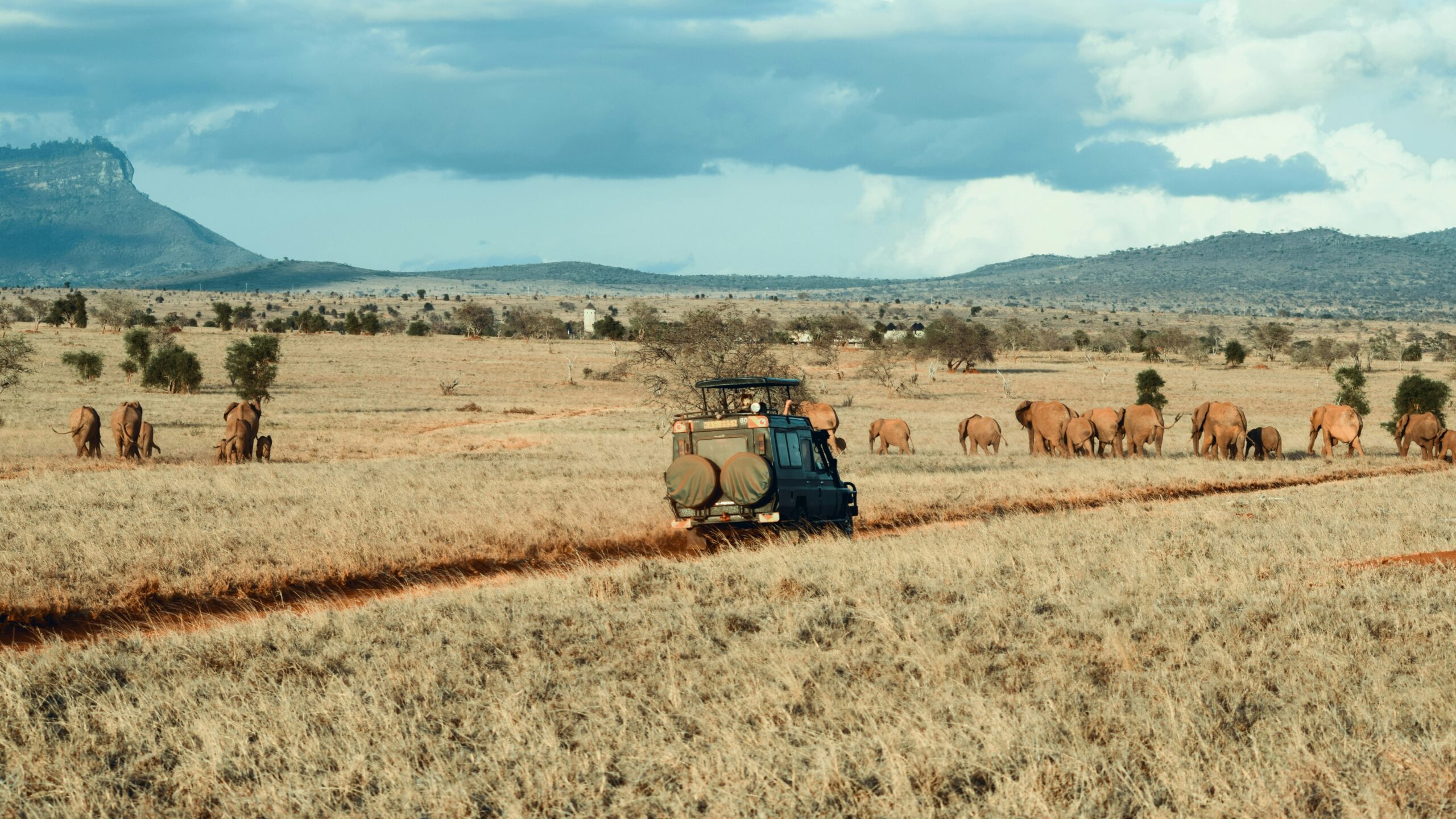
The vast Australian savanna landscapes, a mosaic of eucalyptus woodlands, grasslands, and open woodlands, are inextricably linked to fire. For millennia, Indigenous Australians have utilized fire as a tool to manage these ecosystems, shaping their biodiversity, promoting healthy growth, and maintaining a balance crucial for their survival and cultural practices. In contemporary times, understanding and implementing effective fire management strategies remains paramount to safeguarding these unique environments, their inherent ecological values, and the human communities that depend on them. This article delves into the multifaceted aspects of effective fire management in Australian savannas, exploring historical context, ecological principles, contemporary challenges, and innovative approaches.
The Australian savanna ecosystem has evolved in the presence of fire. The region’s climate, characterized by distinct wet and dry seasons, creates conditions where fire is a natural and recurring phenomenon.
Fire as a Catalyst for Biodiversity
Fire plays a pivotal role in maintaining the biodiversity of Australian savannas. Many plant species have evolved adaptations to fire, relying on it for germination, seed dispersal, and regeneration.
Seed Germination and Scarification
Numerous savanna plant species possess seeds that are impervious to water. These seeds require the heat or smoke from fire to break dormancy, a process known as scarification. For instance, many acacia species, common in the savanna, depend on fire to crack their hard seed coats, allowing them to germinate after the rains. Without periodic fires, the seed banks of these species can deplete, leading to a decline in their populations.
Promoting Structural Diversity
Fire influences the structure of savanna vegetation. While frequent, low-intensity fires can prevent the accumulation of fuel and maintain open grasslands, less frequent but more intense fires can clear dense undergrowth, allowing for the regeneration of canopy species and creating a more diverse vertical structure. This structural diversity provides a wider range of habitats for various fauna, supporting a greater array of insect, bird, reptile, and mammal species.
Nutrient Cycling and Soil Health
The burning of vegetation releases essential nutrients, such as nitrogen and phosphorus, back into the soil. This rapid nutrient cycling is crucial for the productivity of savanna ecosystems, particularly in nutrient-poor soils. Ash from fires can also act as a temporary fertilizer, promoting the growth of grasses and other herbaceous plants. Furthermore, fire can break down organic matter, contributing to the overall health and fertility of the soil.
Adapting to Fire Regimes
The fauna of Australian savannas have also adapted to fire. Many animals have developed strategies to survive or benefit from fire events.
Mobility and Shelter
Larger animals, such as kangaroos and emus, can often outrun fires or seek refuge in riparian areas or rocky outcrops that are less susceptible to burning. Smaller animals may burrow underground or seek shelter in dense vegetation that remains unburnt.
Post-Fire Foraging Opportunities
The regeneration of vegetation following a fire presents new food sources for many animals. Fresh green shoots emerging after a fire are highly nutritious and can support increased populations of herbivores. Insect populations also often rebound quickly, providing a feast for insectivorous birds and reptiles.
Obligate Fire Followers
Some species are so intimately linked to fire that they are considered “fire followers.” For example, certain insects, such as the black beetle, are attracted to burnt areas for breeding or feeding. The availability of specific resources created by fire can influence the distribution and abundance of these specialist species.
Effective fire management in the Australian savanna is crucial for maintaining biodiversity and preventing large-scale wildfires. A related article that explores the intricate relationship between fire management practices and ecological balance can be found at this link. It discusses how traditional Indigenous fire management techniques can contribute to sustainable practices in contemporary settings, highlighting the importance of integrating ancient knowledge with modern science.
Traditional Indigenous Fire Management Practices
For tens of thousands of years, Indigenous Australians have been custodians of the land, employing sophisticated fire management techniques that are deeply interwoven with their cultural practices, knowledge systems, and spiritual beliefs. These practices represent a profound understanding of the savanna ecosystem and its inherent fire dynamics.
The Purpose and Philosophy of Indigenous Fire Use
Indigenous fire management was not simply about suppressing or igniting fires; it was a holistic approach aimed at shaping and sustaining the landscape for ecological health, resource availability, and cultural continuity.
“Patch Burning” and Mosaic Burning
A cornerstone of Indigenous fire management was the practice of “patch burning,” or mosaic burning. This involved deliberately lighting small, controlled fires at different times of the year and in various locations across the landscape. The intention was to create a mosaic of burnt and unburnt areas, thereby reducing the risk of large, uncontrollable wildfires. This also provided a variety of habitats at different stages of ecological succession, catering to a wide range of flora and fauna.
Fuel Reduction and Fire Hazard Mitigation
By regularly burning dry grass and leaf litter, Indigenous peoples effectively reduced the fuel load in the landscape. This proactive approach significantly minimized the potential for intense, destructive bushfires that could devastate the ecosystem and threaten human settlements. It was a strategy of ongoing maintenance rather than reactive suppression.
Enhancing Resource Availability
Fire was used strategically to promote the growth of desired plants and to flush out game animals, making them easier to hunt. Burning could encourage the fruiting of certain trees, the germination of edible roots, and the growth of grasses that attracted kangaroos and other herbivores. This ensured a sustainable supply of food and resources.
Cultural and Spiritual Significance
Fire management was also deeply embedded in the cultural and spiritual fabric of Indigenous societies. Fire was seen as a powerful element, and its use was often accompanied by ceremonies and rituals. The landscape itself was imbued with ancestral stories, and fire was a means of tending to this living heritage, ensuring its continued vitality for future generations. The knowledge of when, where, and how to burn was passed down through generations, representing a profound intergenerational transfer of ecological wisdom.
Modern Recognition and Integration of Traditional Knowledge
In recent decades, there has been a growing recognition of the invaluable knowledge and practices of Indigenous Australians in contemporary fire management.
Collaboration and Partnership
Many fire management agencies and researchers now actively collaborate with Indigenous communities, seeking to integrate traditional knowledge with modern scientific approaches. This collaborative effort aims to develop more effective and culturally appropriate fire management strategies.
Indigenous Ranger Programs
The establishment of Indigenous ranger programs has been a significant development. These programs empower Indigenous people to manage their traditional lands, employing both traditional knowledge and modern techniques. Rangers play a crucial role in fire prevention, monitoring, hazard reduction burns, and responding to wildfires, acting as vital custodians of the country.
The Importance of Cultural Burning
The concept of “cultural burning” emphasizes the holistic approach of Indigenous fire management, which encompasses not only ecological objectives but also cultural, social, and spiritual considerations. Understanding and respecting these intertwined aspects is crucial for effective and sustainable fire management.
Challenges in Contemporary Savanna Fire Management
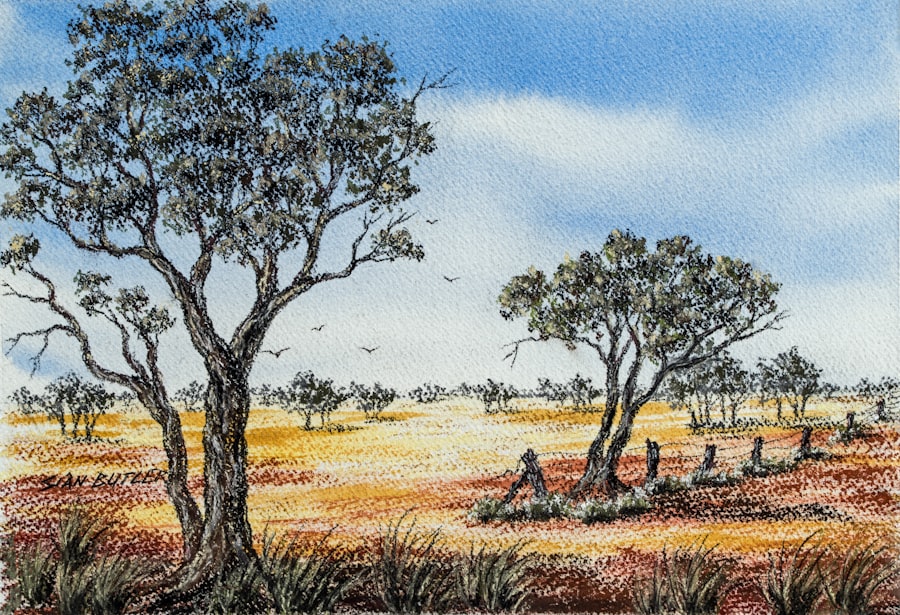
While the ecological importance of fire and the wisdom of traditional practices are increasingly recognized, contemporary fire management in Australian savannas faces a complex array of challenges. These challenges stem from a combination of environmental changes, societal shifts, and the legacy of past management approaches.
Climate Change and Increased Fire Risk
The accelerating impacts of climate change are fundamentally altering fire regimes in Australian savannas.
Increased Frequency and Intensity of Droughts
Australia is experiencing more frequent and intense droughts, leading to drier vegetation and increased fuel loads. These conditions create a higher propensity for fires to ignite and spread rapidly, making them more difficult to control. The extended dry seasons also provide longer periods of elevated fire risk.
Extreme Weather Events
Climate change is also contributing to an increase in extreme weather events, such as heatwaves and strong winds. These conditions can exacerbate fire behavior, leading to faster spread rates and making suppression efforts more dangerous and less effective.
Shifts in Vegetation Composition
Changes in temperature and rainfall patterns can lead to shifts in the types of vegetation that dominate certain areas. Some species may become more flammable, while others may become less resilient to fire, further complicating management efforts. For example, the encroachment of flammable grasses into areas that were once more resistant to fire can significantly alter fire behavior.
Land Use Changes and Human Activity
Modern land use patterns and human activities introduce a range of complexities into fire management.
Urban Encroachment and Interface Zones
The expansion of human settlements into or adjacent to savanna areas creates “bushfire-prone areas” or interfaces. This necessitates a greater focus on protecting human life and property, often requiring different management approaches than those focused purely on ecological outcomes. The risk of human-ignited fires in these zones is also higher.
Agricultural and Pastoral Practices
While traditional land management often involved fire, modern agricultural and pastoral practices can inadvertently increase fire risk. Livestock grazing can alter vegetation structure and fuel loads, and certain farming practices may create ignition sources. Conversely, the cessation of traditional burning practices in some areas can lead to fuel accumulation.
Invasive Species
The introduction and spread of invasive plant and animal species can significantly alter fire dynamics. Some invasive grasses, for example, are highly flammable and can form dense monocultures that increase fuel loads and facilitate more intense fires, outcompeting native fire-adapted species. Invasive animals can also impact vegetation structure and fuel availability.
Historical Fire Management Legacies
Past fire management policies and practices have also left a complex legacy.
Fire Suppression Policies
For much of the 20th century, a dominant fire management paradigm in Australia was one of aggressive fire suppression. The aim was to extinguish all fires as quickly as possible, regardless of their ignition source or potential ecological role. While this approach was effective in preventing large, destructive fires in the short term, it led to the accumulation of unburnt fuel over many decades in some areas.
Unintended Ecological Consequences
The long-term suppression of fire has had unintended ecological consequences. Without the regular influence of low-intensity fires, many fire-adapted plant communities have become less diverse or have been outcompeted by less fire-tolerant species. This can lead to a loss of biodiversity and a landscape that is more susceptible to intense, uncontrollable wildfires when they do inevitably occur. This creates a feedback loop where the absence of fire leads to fuel buildup, which in turn leads to more destructive fires.
The Challenge of Reintroducing Fire
Reintroducing fire into landscapes that have been fire-suppressed for extended periods can be challenging. The accumulated fuel loads can lead to higher intensity fires, which may be more difficult to control and could have unintended negative impacts on the ecosystem if not managed carefully. Gradual and strategic reintroductions are often required.
Modern Fire Management Strategies and Techniques

Effective fire management in Australian savannas in the 21st century requires a multi-pronged approach, integrating scientific understanding, technological advancements, and a deep respect for traditional ecological knowledge. The aim is to create resilient landscapes that can withstand the impacts of climate change and other pressures, while also protecting human values.
Prescribed Burning Programs
Prescribed burning, also known as controlled burning or hazard reduction burning, remains a cornerstone of modern savanna fire management.
Objectives of Prescribed Burning
Prescribed burns are deliberately ignited under specific weather conditions to achieve a range of objectives, including:
- Fuel Reduction: Reducing the amount of flammable material (grass, leaf litter, shrubs) to decrease the risk of large, uncontrolled wildfires.
- Ecological Restoration: Promoting the regeneration of fire-dependent plant species, enhancing biodiversity, and maintaining the health of savanna ecosystems.
- Habitat Management: Creating varied habitat mosaics that support a wider range of native fauna.
- Cultural Objectives: Supporting the continuation of Indigenous cultural practices and the maintenance of cultural landscapes.
Planning and Implementation
The success of prescribed burning programs relies on meticulous planning and execution. This involves:
- Fuel Load Assessment: Determining the quantity and type of fuel present in an area.
- Weather Monitoring: Utilizing detailed meteorological data to select appropriate ignition windows.
- Ignition Techniques: Employing various ignition methods, such as drip torches, helitorches, or incendiary devices, depending on the terrain and objectives.
- Containment Strategies: Implementing strategies to control the spread of the fire within predetermined boundaries, often using fire breaks, water bombing, and ground crews.
- Post-Burn Monitoring: Assessing the effectiveness of the burn in achieving its objectives and monitoring ecological responses.
The Role of Smoke Management
A significant consideration in prescribed burning is the management of smoke. Smoke from prescribed burns can impact air quality, human health, and visibility. Advanced modeling and strategic burning plans are employed to minimize these impacts, often by burning at times or in locations that allow for better dispersion of smoke.
Firefighting and Incident Response
While prevention through prescribed burning is crucial, effective response to wildfires remains essential.
Integrated Firefighting Systems
Modern fire management involves highly coordinated and integrated firefighting systems. This includes:
- Dedicated Fire Agencies: Organizations like state fire services, rural fire brigades, and national park fire units, equipped with specialized personnel and resources.
- Aerial Support: The use of aircraft, including water bombers and helicopters, for rapid attack, water delivery, and intelligence gathering.
- Ground Crews: Trained firefighters equipped with specialized vehicles and equipment for tackling fires on the ground.
- Communication and Coordination: Advanced communication systems and incident management protocols to ensure seamless coordination between different agencies and response teams.
Rapid Attack and Containment
The emphasis in wildfire response is often on rapid attack and containment to prevent fires from escalating into large, uncontrollable events. This requires early detection, swift deployment of resources, and strategic decision-making.
Community Involvement and Volunteer Fire Brigades
Volunteer fire brigades, particularly in rural and regional areas, play an indispensable role in savanna fire management. Their local knowledge, dedication, and rapid response capabilities are vital for effective incident management. Encouraging community preparedness and education also contributes to reducing the impact of wildfires.
Technological Advancements in Fire Management
Technology is playing an increasingly important role in enhancing the effectiveness of savanna fire management.
Remote Sensing and Satellite Imagery
Satellite imagery and remote sensing technologies provide valuable data for:
- Early Fire Detection: Identifying hot spots and potential fire ignitions in remote areas.
- Fuel Mapping: Assessing fuel loads and their flammability across large landscapes.
- Burn Scar Mapping: Analyzing the extent and impact of past fires.
- Predictive Modeling: Incorporating real-time data into fire behavior models to forecast fire spread and risk.
Geographic Information Systems (GIS)
GIS platforms are essential for spatially analyzing fire data, planning prescribed burns, managing fire breaks, and visualizing fire risk across different landscapes. They enable managers to make informed decisions based on a comprehensive understanding of the terrain, vegetation, and potential fire behavior.
Advanced Fire Behavior Modeling
Sophisticated computer models are used to simulate fire spread under various weather and fuel conditions. These models assist in:
- Predicting Fire Behavior: Forecasting the speed, direction, and intensity of a potential wildfire.
- Evaluating Management Options: Testing different management scenarios to determine the most effective strategies.
- Risk Assessment: Identifying areas with the highest fire risk and prioritizing management efforts.
Unmanned Aerial Vehicles (UAVs) / Drones
Drones are increasingly being utilized for:
- Fire Monitoring: Providing real-time aerial imagery for situational awareness during wildfire events.
- Ignition of Prescribed Burns: In some cases, drones can be used to deploy incendiary devices for igniting controlled burns in difficult-to-access areas.
- Damage Assessment: Surveying fire-affected areas to assess ecological impacts and plan recovery efforts.
Effective fire management in the Australian savanna is crucial for maintaining biodiversity and preventing catastrophic wildfires. A recent article discusses innovative strategies that incorporate traditional Indigenous practices alongside modern techniques to enhance land management. For a deeper understanding of how these methods are being applied, you can read more in this insightful piece on fire management approaches that are reshaping the landscape.
Engaging Communities and Indigenous Knowledge in Fire Management
| Metrics | Data |
|---|---|
| Area of savanna under management | XXXX square kilometers |
| Frequency of controlled burns | XX times per year |
| Effectiveness of fire management | XX% reduction in wildfire incidents |
| Community involvement in fire management | XX number of indigenous rangers |
Effective fire management is not solely a technical or scientific endeavor; it is deeply rooted in the engagement of communities and the respectful integration of Indigenous knowledge. Creating resilient savannas requires a collaborative approach that recognizes the diverse stakeholders and their unique contributions.
Building Fire-Resilient Communities
The concept of fire-resilient communities extends beyond simply responding to fires; it involves proactive measures to reduce risk and enhance preparedness.
Community Education and Awareness Programs
Educating residents in fire-prone areas about fire behavior, risks, and preparedness strategies is paramount. This includes:
- Understanding Fire Behavior: Explaining how weather, fuel, and topography influence fire spread.
- Home Bushfire Preparedness: Providing guidance on creating defendable spaces around homes, maintaining properties, and developing household bushfire survival plans.
- Emergency Evacuation Procedures: Ensuring clear understanding of evacuation routes and procedures.
Neighbourhood Safer Places and Evacuation Planning
Establishing designated “Neighbourhood Safer Places” where communities can gather during an emergency, and developing comprehensive evacuation plans for at-risk areas are critical components of community resilience.
Encouraging Community Participation in Prescribed Burning
Involving local communities in the planning and implementation of prescribed burning programs can foster a sense of ownership and stewardship. This can include opportunities for volunteers to assist in monitoring and supporting controlled burns, thereby building local capacity and understanding.
The Revitalization and Integration of Indigenous Fire Knowledge
The historical marginalization of Indigenous knowledge has often led to a disconnect from the land management practices that sustained these ecosystems for millennia. Reconnecting with and integrating this knowledge is crucial.
Cultural Burning Workshops and Knowledge Sharing
Facilitating workshops and knowledge-sharing events where Indigenous elders and land managers can share their expertise with land managers, scientists, and the wider community is vital. These events can cover topics such as:
- Traditional Ignition Techniques: Understanding the historical methods of lighting fires.
- Seasonal Burning Practices: Learning about the timing and purpose of fires throughout the year.
- Ecological Indicators: Recognizing how plants and animals respond to different fire regimes.
- Cultural Significance of Fire: Understanding the spiritual and cultural context of fire management.
Empowering Indigenous Ranger Programs
The continued support and expansion of Indigenous ranger programs are essential. These programs provide a framework for Indigenous custodians to manage their country according to their cultural protocols and traditional knowledge, while also incorporating modern fire management techniques and tools.
Co-Design and Collaborative Management
Moving beyond consultation to genuine co-design and collaborative management models ensures that Indigenous perspectives are central to fire management planning and decision-making. This involves:
- Joint Planning Processes: Developing fire management plans collaboratively, incorporating both scientific and Indigenous knowledge.
- Shared Decision-Making: Empowering Indigenous communities to have a meaningful say in how their country is managed.
- Reciprocal Learning: Fostering an environment where scientists and land managers can learn from Indigenous knowledge, and Indigenous communities can benefit from scientific advancements.
Policy and Governance for Effective Fire Management
Effective fire management requires strong policy frameworks and robust governance structures that support collaboration, innovation, and the integration of diverse knowledge systems.
Interagency Collaboration and Coordination
Fire management operates across various jurisdictions and agency responsibilities. Enhancing interagency collaboration and coordination is crucial for seamless operations, resource sharing, and consistent policy implementation.
Long-Term Strategic Planning
Developing long-term strategic fire management plans that account for the impacts of climate change, land use changes, and the need for ecological resilience is essential. These plans should be adaptive and regularly reviewed.
Adequate Funding and Resource Allocation
Sufficient and sustained funding is critical for implementing effective fire management programs, including prescribed burning, firefighting capabilities, research, and community engagement initiatives.
Effective fire management in the Australian savanna is crucial for maintaining biodiversity and preventing catastrophic wildfires. A recent article discusses various strategies employed by Indigenous communities to manage these landscapes sustainably. By integrating traditional ecological knowledge with modern practices, these communities are able to enhance resilience against climate change impacts. For more insights on related environmental challenges, you can read about the economic implications of global shifts in currency and resources in this article on the impending US dollar collapse. Understanding these broader contexts can help inform better fire management practices in Australia. To explore the article, click here.
The Future of Fire Management in Australian Savannas
The future of fire management in Australian savannas hinges on our ability to adapt, innovate, and embrace a holistic, collaborative approach. The challenges are significant, but the opportunities for creating more resilient and ecologically vibrant landscapes are also immense.
Adapting to a Changing Climate
The ongoing impacts of climate change necessitate a continuous evolution of fire management strategies. This includes:
- Increased Reliance on Prescribed Burning: As fire seasons become longer and more unpredictable, proactive prescribed burning will likely become even more critical for reducing fuel loads and managing fire risk.
- Focus on Landscape Resilience: Strategies will need to shift towards building landscape resilience, fostering ecosystems that are better equipped to withstand and recover from fire events. This might involve promoting fire-adapted vegetation communities and enhancing biodiversity.
- Advanced Predictive Modeling: Continued investment in and refinement of fire behavior modeling will be crucial for anticipating and responding to increasingly complex fire scenarios.
Embracing Innovation and New Technologies
The integration of new technologies will continue to transform fire management.
- AI and Machine Learning: Artificial intelligence and machine learning hold promise for further improving fire detection, prediction, and resource allocation.
- Data-Driven Decision Making: A greater reliance on comprehensive data collection and analysis will inform more precise and effective fire management decisions.
- Innovative Ignition Methods: Research into novel and safer ignition techniques for prescribed burns could enhance efficiency and reduce risks.
The Indispensable Role of Indigenous Knowledge and Partnership
The ongoing recognition and deepening of partnerships with Indigenous Australians will be fundamental to effective and sustainable fire management.
- Cultural Burning as a Core Strategy: The widespread adoption and support of cultural burning practices, as a holistic approach to land management, will be crucial for ecological and cultural well-being.
- Empowering Indigenous Land Management: Ensuring Indigenous communities have the resources, autonomy, and support to manage their ancestral lands using their traditional knowledge will be a key measure of success.
- Intergenerational Knowledge Transfer: Creating pathways for the continued transmission of traditional fire knowledge between generations will be vital for its longevity and relevance.
A Holistic and Integrated Approach
Ultimately, the most effective approach to fire management in Australian savannas will be one that is holistic and integrated. This means:
- Breaking Down Silos: Fostering greater collaboration and communication between scientific researchers, fire management agencies, Indigenous communities, and landholders.
- Balancing Ecological and Human Values: Recognizing and effectively managing the inherent tension between protecting natural ecosystems and safeguarding human life and property.
- Long-Term Vision: Adopting a long-term perspective that prioritizes the health and resilience of the savanna landscape for future generations, rather than focusing solely on short-term fire suppression.
The Australian savanna is a dynamic and intricate ecosystem where fire has always been a critical element. By understanding its ecological role, respecting the wisdom of traditional practices, embracing modern innovation, and fostering genuine partnerships, we can navigate the complex challenges of fire management and ensure the enduring health and vitality of these iconic landscapes. The journey towards effective fire management is an ongoing one, requiring continuous learning, adaptation, and a shared commitment to the custodianship of this precious natural heritage.
The Wilderness Was Engineered
FAQs
What is the Australian savanna?
The Australian savanna is a type of tropical grassland ecosystem found in northern Australia, characterized by a mix of grasses and scattered trees. It covers a significant portion of the continent and is home to a diverse range of flora and fauna.
Why is fire management important in the Australian savanna?
Fire management is crucial in the Australian savanna to maintain the health of the ecosystem, promote biodiversity, and reduce the risk of large, destructive wildfires. Indigenous Australians have used controlled burning for thousands of years to manage the landscape and its resources.
What are the traditional fire management practices used by Indigenous Australians in the savanna?
Indigenous Australians have long used “firestick farming” techniques, involving controlled burning at specific times of the year to promote new growth, manage vegetation, and attract game for hunting. These practices have been passed down through generations and are based on a deep understanding of the land.
How does modern fire management differ from traditional Indigenous practices in the Australian savanna?
Modern fire management in the Australian savanna often involves a combination of traditional Indigenous practices and contemporary scientific approaches. This may include prescribed burning, firebreak construction, and monitoring of fire behavior to achieve specific ecological and land management objectives.
What are the challenges and future outlook for fire management in the Australian savanna?
Challenges for fire management in the Australian savanna include balancing traditional Indigenous knowledge with modern conservation and land management practices, as well as addressing the impacts of climate change on fire regimes. The future outlook involves continued collaboration between Indigenous communities, land managers, and scientists to develop sustainable fire management strategies.