The Enduring Wisdom of Qanat Councils: Guardians of Arid Lands
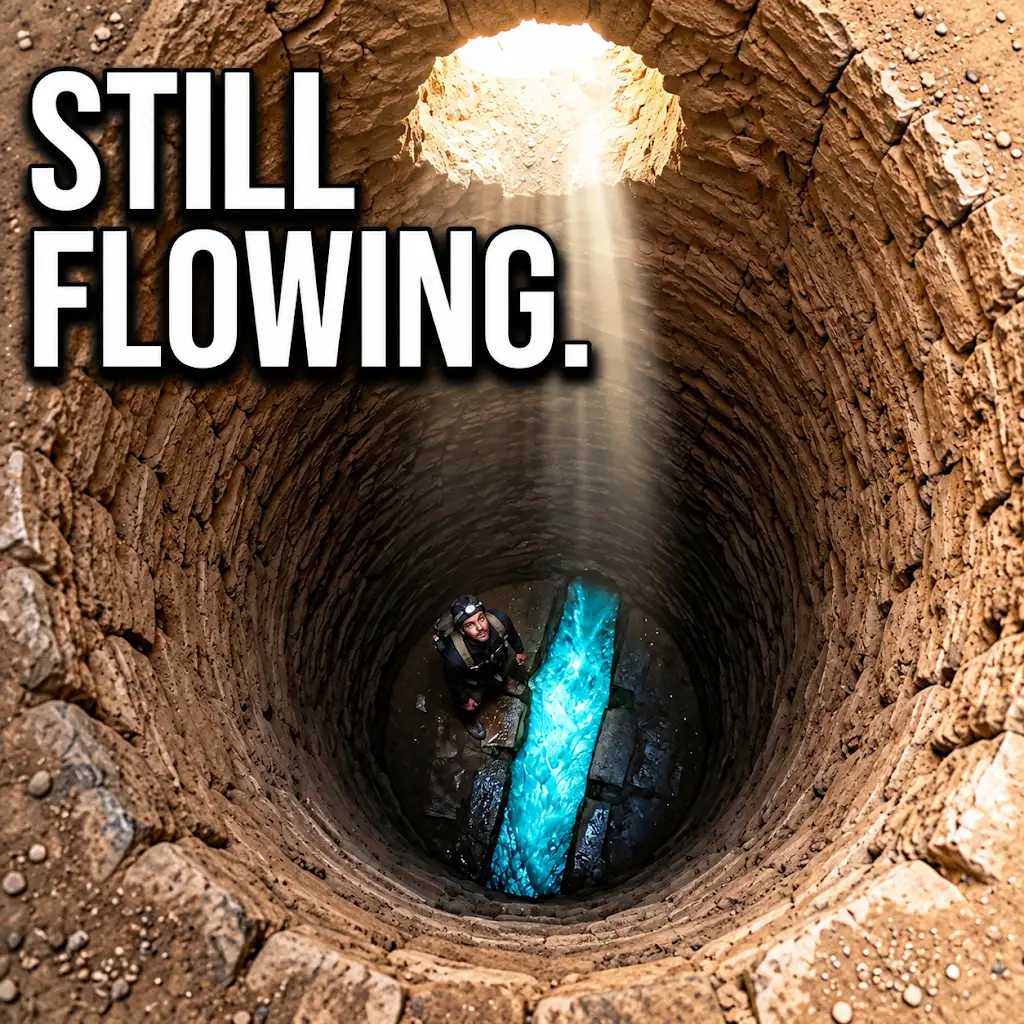
Qanat systems, ancient marvels of hydrological engineering, have sustained human settlements in arid and semi-arid regions for millennia. These subterranean channels, ingeniously designed to tap into groundwater aquifers and transport water by gravity to the surface, represent a profound understanding of water management in challenging environments. However, the physical infrastructure of a qanat, while crucial, is only one part of its enduring success. The true longevity and effectiveness of these vital water arteries lie in the robust governance and management structures that oversee them. At the heart of this governance are the qanat councils, community-based organizations responsible for the equitable distribution, maintenance, and sustainable use of qanat water. Effective qanat council management is not merely a matter of tradition; it is a critical determinant of water security, agricultural productivity, and the socio-economic stability of communities dependent on these systems. This article will delve into the multifaceted aspects of effective qanat council management, exploring its historical context, key operational principles, challenges faced, and strategies for ensuring its continued relevance in the 21st century.
In the context of qanat council management, understanding the geopolitical implications of resource management is crucial. A related article that explores the competition for resources beyond Earth is titled “The New Space Race: Geopolitical Struggle for Lunar Resources.” This piece delves into how nations are vying for control over lunar resources, which can provide valuable insights into how resource management strategies can be applied on Earth, particularly in arid regions relying on qanat systems. For more information, you can read the article here: The New Space Race: Geopolitical Struggle for Lunar Resources.
Historical Roots and Evolving Roles of Qanat Councils
The genesis of qanat councils is intrinsically linked to the development of the qanat systems themselves. As these complex engineering feats were established, the need for organized stewardship became immediately apparent. The construction and ongoing maintenance of qanats required significant communal effort and coordination. Water, a precious and often scarce resource, demanded a clear and agreed-upon system for allocation to prevent disputes and ensure fair access for all users. This necessity naturally fostered the emergence of community-based governance structures.
Laying the Foundation: Early Governance Models
In the nascent stages of qanat development, councils were often informal assemblies of village elders, landowners, or individuals with demonstrable expertise in water management. Their primary responsibilities revolved around resolving water-related conflicts, organizing labor for canal repairs, and determining the daily or weekly water quotas for each user. The authority of these early councils was typically derived from the collective agreement of the community and their perceived fairness in decision-making. The shared understanding of the qanat’s importance for survival fostered a strong sense of collective responsibility, underpinning the legitimacy of these nascent governance bodies. These early models prioritized practicality and consensus-building, laying the groundwork for more formalized structures as qanat systems grew in complexity and importance.
Formalization and Codification of Rules
Over time, as qanat systems became more established and their economic and social impact grew, governance structures began to formalize. Written or oral traditions of rules and regulations, often passed down through generations, emerged. These codified principles dictated everything from water rights and distribution schedules to penalties for water wastage or tampering with the qanat infrastructure. The roles and responsibilities of council members became more defined, and mechanisms for dispute resolution were refined. This formalization provided greater clarity, predictability, and accountability within the water management system. The codification of rules served as a critical tool in preventing arbitrary decisions and ensuring that the benefits of the qanat were distributed justly, thereby reinforcing social cohesion.
Adapting to Modern Realities: Contemporary Challenges and Opportunities
In the modern era, qanat councils face a dynamic landscape. They must contend with a range of challenges, including population growth, changing agricultural practices, climate change impacts (such as altered rainfall patterns and increased evaporation), and the increasing influence of external governmental and institutional frameworks. Simultaneously, there are opportunities to leverage modern technologies and management approaches to enhance qanat sustainability. This may involve integrating traditional knowledge with scientific data, developing innovative financing mechanisms for maintenance, and fostering stronger partnerships with governmental agencies and research institutions. The contemporary role of qanat councils, therefore, is one of adaptation and evolution, requiring them to be both preservers of tradition and proactive innovators.
Core Principles of Effective Qanat Council Management
The enduring success of qanat systems is not accidental; it is the direct result of well-functioning councils that adhere to a set of fundamental principles. These principles, honed over centuries of experience, form the bedrock of sustainable water management in arid environments. They encompass fairness, transparency, community participation, and a deep understanding of the qanat’s ecological and social context.
Equitable Water Distribution and Allocation
Perhaps the most critical function of any qanat council is the equitable distribution and allocation of water. In arid regions, water is the lifeblood of agriculture and human settlement, and its scarcity necessitates a meticulously managed system. Effective councils establish clear and transparent allocation schedules, often based on historical water rights, land size, or the specific needs of different crops. These allocations are typically communicated openly to all users, minimizing ambiguity and the potential for conflict. Mechanisms for adjusting allocations in times of scarcity or abundance are also crucial. This might involve temporary reductions during dry spells or temporary increases when water availability permits. The principle of equity ensures that all legitimate users have a fair chance to access this vital resource, fostering trust and social stability within the community.
Proactive Maintenance and Infrastructure Management
The physical integrity of a qanat is paramount to its functionality. Subterranean channels are susceptible to collapse, silting, and damage from seismic activity or groundwater fluctuations. Effective qanat councils recognize the importance of proactive maintenance rather than reactive repairs. This involves regular inspections of the qanat shafts, tunnels, and distribution channels. Councils organize community work parties, often scheduled seasonally, to clear silt, repair collapses, and reinforce vulnerable sections. Funding for these maintenance activities is a recurring challenge, and successful councils often develop innovative financing models, which might include community contributions, water user fees, or even partnerships with external bodies for larger repair projects. A well-maintained qanat ensures consistent water flow, preventing crop loss and maintaining the economic viability of the community.
Conflict Resolution and Dispute Management
Water disputes are an inevitable reality in any water-scarce region. The potential for conflict arises from competing demands, perceived inequities in distribution, or issues related to infrastructure maintenance. Effective qanat councils act as crucial arbiters, possessing established mechanisms for conflict resolution. These mechanisms are typically based on established customary laws and traditions, prioritizing mediation and consensus-building. Council members, often respected community figures, listen to all parties, investigate the claims, and work towards mutually agreeable solutions. The goal is to resolve disputes swiftly and fairly, preventing them from escalating into deeper social divisions. The effectiveness of these conflict resolution processes significantly contributes to the overall harmony and cooperation within the qanat user community.
Fostering Community Engagement and Participation
The sustainability of a qanat system is inextricably linked to the active engagement and participation of its users. Effective qanat councils ensure that all stakeholders have a voice in decision-making processes. This involves regular meetings, open forums for discussion, and mechanisms for soliciting feedback. When users feel that their concerns are heard and considered, they are more likely to support and adhere to the council’s decisions. This participatory approach fosters a sense of ownership and collective responsibility for the qanat. It also allows councils to tap into the valuable traditional knowledge and practical experience of long-time users, enriching their decision-making capabilities.
Challenges Confronting Modern Qanat Councils
While the principles of effective qanat council management remain timeless, contemporary realities present a new set of hurdles. These challenges can strain the traditional governance structures and threaten the long-term viability of qanat systems if not addressed proactively and adaptively. Understanding these challenges is the first step towards developing effective solutions.
The Impact of Climate Change and Water Scarcity
The most significant and pervasive challenge facing qanat councils today is the escalating impact of climate change. Altered precipitation patterns, characterized by longer and more intense droughts, coupled with increased evaporation rates due to rising temperatures, directly affect groundwater recharge and the overall water availability from qanats. This exacerbates existing water scarcity, intensifying competition among users and placing immense pressure on the council’s ability to ensure equitable distribution. Councils must grapple with diminished water flows, potentially leading to crop failures, reduced agricultural productivity, and increased migration from affected areas. Adapting to these climatic shifts requires not only sound water allocation strategies but also the exploration of water conservation measures and, in some cases, the difficult decisions about the future of water-dependent livelihoods.
Demographic Shifts and Urbanization Pressures
Rapid population growth and increasing urbanization in many regions where qanats are prevalent exert significant pressure on water resources. Growing populations demand more water for domestic use, often leading to increased extraction from aquifers that also feed qanats. Urban expansion can also impact the qanat infrastructure itself, with new construction encroaching on historical rights-of-way or disrupting the natural recharge areas of the aquifer. Furthermore, the traditional communal fabric that supported qanat councils can be eroded by migration and the influx of new populations with different water usage habits and potentially less understanding of qanat governance. Councils must navigate these demographic changes, often finding themselves balancing the needs of traditional agricultural users with the growing demands of urban and peri-urban populations.
Socio-Economic Transformations and Shifting Livelihoods
Modernization and economic development bring about significant socio-economic transformations that can indirectly impact qanat management. The introduction of new agricultural technologies and cash crops can alter water demand patterns, sometimes leading to over-extraction for more profitable but water-intensive cultivation. Moreover, as livelihoods diversify, fewer individuals may be available or willing to dedicate time and labor to communal qanat maintenance. The traditional reliance on agricultural income to fund maintenance may also diminish if alternative economic opportunities arise. Councils must therefore find ways to incentivize participation in maintenance, explore alternative funding mechanisms, and adapt their strategies to the evolving economic realities of their communities.
Governance and Institutional Interface Challenges
Qanat councils often operate within a complex web of governmental policies and institutional frameworks. Challenges can arise from a lack of recognition or support from national or regional water authorities, or from conflicting regulations that do not adequately account for the unique nature of qanat management. In some cases, external interventions aimed at improving water management may inadvertently undermine the authority and effectiveness of traditional qanat councils. Effective councils need to foster strong and collaborative relationships with relevant government agencies, advocate for policies that support qanat preservation, and ensure that external initiatives are integrated in a way that complements, rather than disrupts, existing governance structures.
In exploring the intricate systems of qanat council management, it is fascinating to consider how ancient technologies have influenced modern practices. A related article delves into the historical significance of these engineering marvels and their impact on water management in arid regions. For a deeper understanding of this topic, you can read more about it in the article on ancient tech found here: uncovering ancient tech. This connection highlights the enduring legacy of qanats and their relevance in contemporary water resource management.
Strategies for Enhancing Qanat Council Effectiveness
| Metric | Description | Typical Value | Unit | Notes |
|---|---|---|---|---|
| Number of Qanats Managed | Total qanats under council supervision | 15-50 | Count | Varies by region and council size |
| Average Water Flow Rate | Mean water discharge per qanat | 10-50 | Liters per second | Depends on qanat condition and season |
| Maintenance Frequency | Scheduled maintenance visits per year | 2-4 | Times per year | Includes cleaning and repairs |
| Water Allocation Efficiency | Percentage of water effectively distributed | 75-90 | Percent (%) | Reflects management effectiveness |
| Community Participation Rate | Percentage of local users involved in council activities | 60-85 | Percent (%) | Higher rates improve sustainability |
| Annual Budget Allocation | Funds allocated for qanat maintenance and management | Varies | Units of local currency | Depends on council resources |
| Water Loss Rate | Percentage of water lost due to leaks or evaporation | 10-25 | Percent (%) | Lower values indicate better infrastructure |
Addressing the multifaceted challenges facing qanat councils requires a proactive and strategic approach. These strategies aim to bolster the operational capacity, legitimacy, and adaptability of these vital governance bodies, ensuring their continued role in safeguarding water resources for future generations.
Strengthening Governance Frameworks and Transparency
A cornerstone of enhanced effectiveness lies in reinforcing the internal governance frameworks of qanat councils. This involves clearly defining roles and responsibilities for council members, establishing transparent decision-making processes, and implementing robust record-keeping practices. Councils can benefit from formalizing their operating procedures, potentially through written bylaws that reflect both traditional practices and contemporary best practices. Transparency in financial management, water allocation data, and meeting minutes is crucial for building and maintaining trust with water users. Regular communication channels, such as community notice boards, public meetings, and even simple newsletters, can ensure that all users are informed about council activities and decisions, thereby fostering accountability.
Investing in Capacity Building and Knowledge Sharing
Empowering qanat council members and water users with relevant knowledge and skills is essential for effective management. Capacity-building initiatives can focus on a range of areas, including basic hydrological principles, modern water management techniques, conflict resolution skills, financial management, and the use of digital tools for data collection and communication. Peer-to-peer learning programs, where experienced councils share their successes and challenges with newer or struggling ones, can be particularly impactful. Encouraging the documentation and dissemination of traditional knowledge related to qanat operation and maintenance is also vital, ensuring that this invaluable local expertise is not lost.
Integrating Traditional Knowledge with Modern Science and Technology
The most sustainable solutions often lie in the synergistic integration of traditional wisdom and modern scientific understanding. Qanat councils can benefit from collaborating with hydrologists, engineers, and agricultural scientists to better understand aquifer dynamics, water quality, and the impacts of climate change. Modern technologies, such as remote sensing for monitoring groundwater levels, GIS for mapping qanat networks, and low-cost water measurement devices, can provide valuable data to inform council decisions. However, it is critical that these technological interventions are appropriate for the local context, accessible to users, and complement, rather than replace, traditional practices and knowledge. This hybrid approach can lead to more informed and effective resource management.
Developing Sustainable Financial Mechanisms
The perpetual challenge of funding qanat maintenance and management requires innovative and sustainable financial mechanisms. Councils can explore a combination of approaches, including: establishing user fees based on water consumption or land irrigated; creating community development funds derived from off-farm income or local businesses; seeking grants and support from governmental agencies and international development organizations; and exploring public-private partnerships for larger infrastructure projects. Diversifying funding sources reduces reliance on any single stream and enhances the long-term financial resilience of the qanat system.
The Future of Qanat Councils: Adapting for Resilience
The narrative of qanat councils is one of remarkable resilience and adaptation, stretching back millennia. As we navigate the complexities of the 21st century, their role in ensuring sustainable water resources remains not just relevant but increasingly critical. The future of qanat councils hinges on their ability to embrace change while safeguarding the core principles that have underpinned their success.
Embracing Innovation for Enhanced Sustainability
The path forward for qanat councils involves a willingness to innovate and adapt to new challenges and opportunities. This includes exploring new water-saving agricultural techniques that are compatible with qanat water availability, such as drip irrigation or drought-resistant crop varieties. Councils can also play a crucial role in advocating for the recognition and integration of qanat systems into national water management policies and strategies. Furthermore, fostering inter-generational knowledge transfer is paramount; engaging younger generations in the operation and governance of qanats, instilling in them an appreciation for this vital heritage and the skills to manage it, will be key to their long-term survival. Embracing digital tools for data management, communication, and even participatory planning can also significantly enhance efficiency and outreach.
Strengthening Regional Cooperation and Knowledge Networks
The challenges faced by qanat councils are often shared across different regions and countries. Establishing and strengthening regional cooperation networks can facilitate the exchange of best practices, innovative solutions, and technical expertise. These networks can provide platforms for qanat communities to collectively address common issues, advocate for supportive policies, and access funding and training opportunities. By learning from each other’s experiences, councils can accelerate their own adaptation processes and build a stronger collective voice in advocating for the sustainable management of qanat systems globally.
The Indispensable Role in Water Security and Cultural Heritage
In conclusion, effective qanat council management is not simply a technical or administrative undertaking; it is a profound commitment to water security, agricultural sustainability, and the preservation of invaluable cultural heritage. These councils, born from necessity and refined by centuries of communal wisdom, are the frontline guardians of water resources in some of the world’s most vulnerable regions. By embracing innovative strategies, fostering robust governance, and nurturing strong community engagement, qanat councils can continue to serve as vital pillars of resilience, ensuring that the life-giving waters of these ancient systems flow for generations to come, sustaining both livelihoods and the rich cultural tapestries they have woven. Their enduring wisdom offers a powerful model for sustainable resource management in an increasingly water-stressed world.
They Dug Water Tunnels Under the Desert… And They Still Flow
FAQs
What is a qanat council?
A qanat council is a local governing body responsible for managing and maintaining qanats, underground water channels used for irrigation in arid regions.
What is the role of a qanat council in managing qanats?
The qanat council is responsible for overseeing the distribution of water from the qanats, resolving disputes among users, ensuring maintenance of the infrastructure, and making decisions regarding water allocation.
How are members of a qanat council typically selected?
Members of a qanat council are often elected by the users of the qanat system, with representation from different stakeholders such as farmers, landowners, and water experts.
What are some common challenges faced by qanat councils in managing qanats?
Common challenges include water scarcity, conflicts over water rights, lack of funding for maintenance, and the need for modernization of infrastructure to improve efficiency.
How can qanat councils ensure sustainable management of qanats?
Qanat councils can promote sustainable management by implementing water conservation practices, investing in maintenance and repairs, fostering community participation, and adopting modern technologies for monitoring water flow and usage.