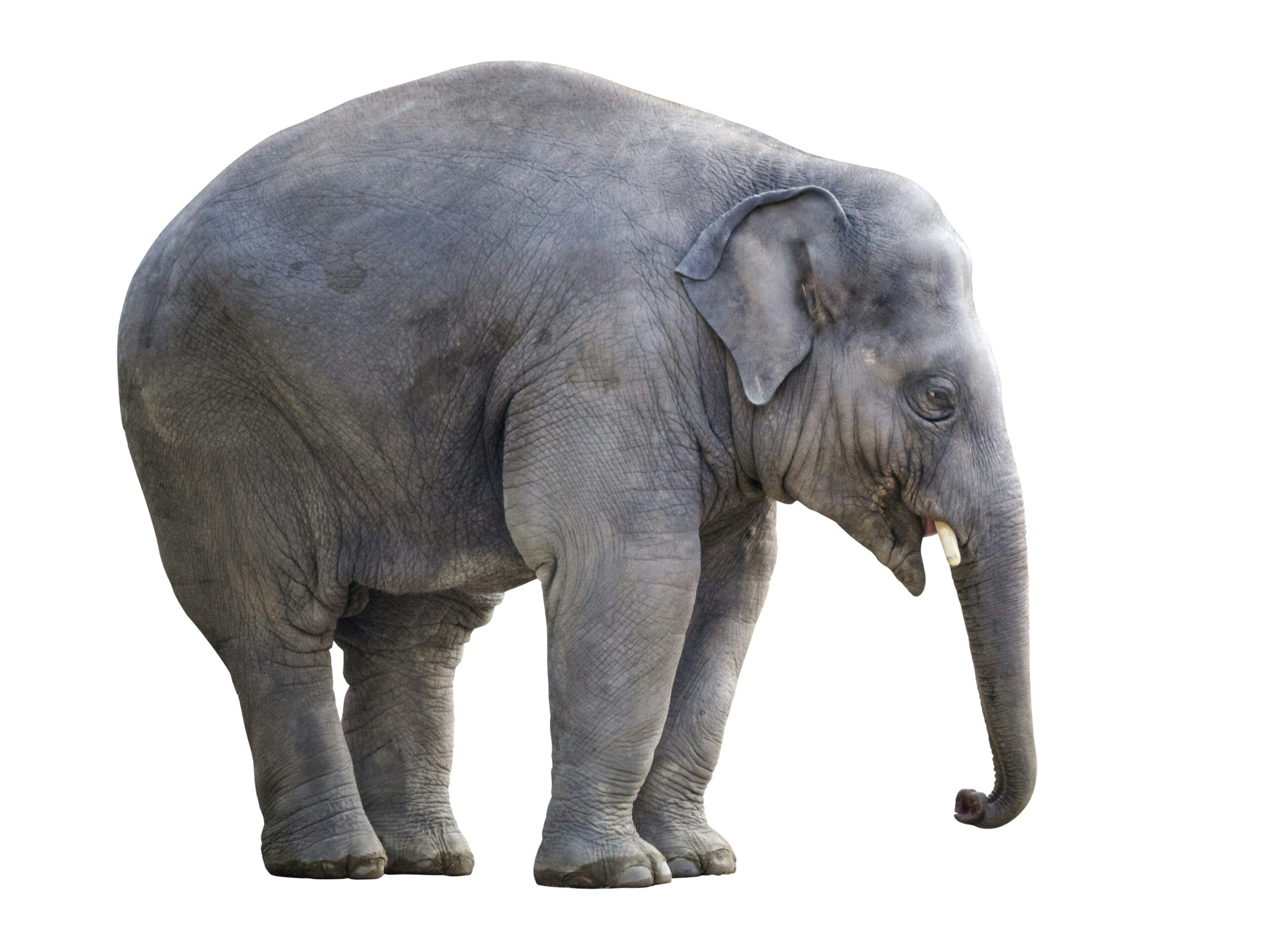
Elephants in the Ancient Sahara: A Fascinating Discovery
The image of the Sahara Desert evokes a stark, arid landscape, a vast expanse of sand and rock stretching across North Africa. Yet, beneath this seemingly inhospitable surface lies a profound and surprising history, a testament to a time when this region teemed with life, and colossal pachyderms roamed its verdant plains. Recent archaeological and paleontological discoveries are rewriting our understanding of the Sahara’s past, revealing a dynamic environment that once supported not only vast herds of elephants but also an array of other magnificent megafauna. The ancient Sahara, far from being a timeless desert, has experienced dramatic climatic shifts, undergoing cyclical periods of intense humidity that transformed it into a lush savanna, an ecological paradise for creatures both large and small.
The notion of elephants thriving in what is now the world’s largest hot desert might seem contradictory, but a growing body of scientific evidence paints an undeniable picture of a very different Sahara. This ancient ecosystem, frequently referred to as the “Green Sahara,” was a mosaic of sprawling lakes, meandering rivers, and abundant vegetation capable of sustaining enormous animal populations. The transformation from a lush landscape to the arid desert we know today occurred over millennia, driven by complex climatic cycles. Modern scientific endeavors are consistently unearthing fragments of this bygone era, each discovery adding another crucial piece to the puzzle of Africa’s prehistoric past.
The “Green Sahara” Phenomenon
For many years, the idea of a wet Sahara was largely confined to speculation, supported by indirect geological clues. However, recent research has solidified this concept, drawing upon a confluence of disciplines. Sediment cores sampled from ancient lakebeds and fossilized soil layers provide detailed records of past rainfall patterns, vegetation types, and water levels. These geological archives tell a consistent story of recurring periods when the Sahara transformed from an arid wasteland into a landscape capable of supporting life analogous to modern-day savannas. These humid phases, known as “Green Sahara” periods, were characterized by significantly higher rainfall, leading to the formation of extensive freshwater bodies and the growth of diverse flora.
Sediment Data and Paleoclimate Reconstruction
The analysis of deep sediment layers has been instrumental in reconstructing the climatic history of the Sahara. By examining the composition of these sediments, scientists can infer past environmental conditions. For instance, the presence of fine clays and organic matter indicates periods of increased water availability and abundant plant life, while layers of sand and dust point to drier, windier conditions. The cyclical nature of these changes is particularly noteworthy, with evidence suggesting these humid periods occurred approximately every 21,000 years. This periodicity is thought to be linked to Milankovitch cycles, gradual variations in Earth’s orbit, axial tilt, and wobble, which influence the amount of solar radiation reaching different parts of the planet. These long-term climatic oscillations are the primary drivers behind the Sahara’s dramatic transformations between arid and humid states.
Rock Art as a Historical Record
Complementing the geological data, the Saharan rock art provides a vivid, albeit artistic, chronicle of its past biodiversity. Found in remote caves and rock shelters across the Sahara, these ancient engravings and paintings depict a landscape teeming with animals that are now absent from the region, including elephants, giraffes, rhinoceroses, hippopotamuses, lions, and antelopes. The artistic styles and the context of these depictions strongly suggest that they were created during the aforementioned humid periods, when these animals would have been sustained by the abundant resources. The sheer volume and detail of these artworks serve as a powerful testament to the rich fauna that once graced the Saharan wilderness.
In exploring the fascinating history of elephants in the ancient Sahara, one can draw intriguing parallels to the broader themes of survival and adaptation in challenging environments. A related article that delves into the importance of preparedness in the face of unexpected challenges can be found here: Financial Emergency Plan for US Citizens: Be Prepared for the Unexpected. This piece emphasizes the significance of planning and resilience, much like the strategies that ancient elephants may have employed to thrive in their ever-changing habitat.
Ancient Giants Roaming the Land
The presence of elephants in this ancient, wetter Sahara is not merely a theoretical possibility; it is a confirmed reality supported by remarkable fossil discoveries. Paleontologists have unearthed compelling evidence of extinct elephant species that once towered over these landscapes, some of which were vastly larger than any elephant alive today. These findings not only confirm the presence of elephants but also shed light on their evolutionary history and their adaptation to these dynamic environments.
The Reign of Palaeoloxodon
One of the most significant discoveries in recent times is a 325,000-year-old tusk found embedded in the ancient lake margin in Saudi Arabia. This colossal, perfectly preserved tusk belongs to an extinct elephant species known as Palaeoloxodon. The sheer size of the tusk is astonishing, hinting at an animal of immense proportions. The fact that it was found in such an environment, surrounded by evidence of a ancient lake, reinforces the notion that this region was once a lush, fertile savannah, capable of supporting such magnificent creatures. Palaeoloxodon was a genus of extinct elephant characterized by its straight, massive tusks and a domed skull. Its presence in this ancient Saharan locale provides concrete proof that these formidable herbivores were part of the region’s prehistoric fauna.
The Significance of the Saudi Arabian Tusk Discovery
The 325,000-year-old Palaeoloxodon tusk found in Saudi Arabia is more than just an impressive fossil; it is a game-changer in our understanding of ancient elephant distribution and Saharan paleoclimatology. Its remarkable state of preservation offers an unparalleled glimpse into the past. The location of its discovery, an ancient lake margin, is crucial. It anchors the presence of these large mammals to environments with reliable water sources, further corroborating the “Green Sahara” hypothesis. This finding allows researchers to precisely date a period when this part of the Arabian Peninsula, now associated with extreme aridity, was a vibrant ecosystem.
Other Giant Elephant Species: Elephas recki
The Palaeoloxodon is not the only giant elephant species to have graced the ancient Saharan and surrounding regions. Paleontologists have identified Elephas recki, a truly colossal elephant species that once roamed ancient lakes across Africa and the Middle East. This magnificent creature is estimated to have been approximately 50% larger than modern African elephants, making it one of the largest land mammals to have ever lived. Fossils of Elephas recki are found in strata dating from 3.5 million to 300,000 years ago, indicating a long and successful evolutionary lineage that existed during many of the epochs when the Sahara was experiencing humid interludes.
Early Ancestors and Watery Origins
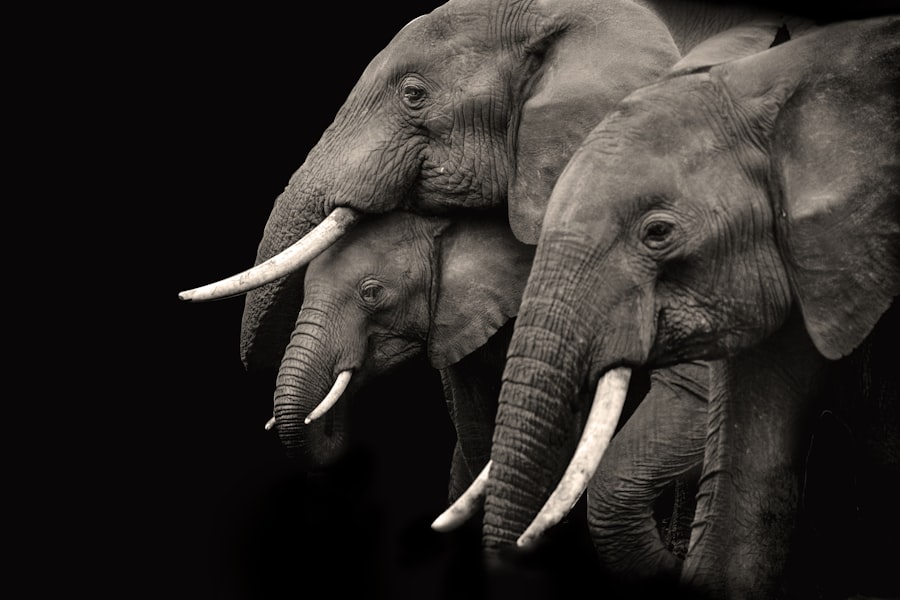
The story of elephants in the Sahara extends far beyond the reign of the giants. Scientific investigations into the evolutionary history of elephants reveal that their earliest ancestors were aquatic or semi-aquatic, suggesting a lineage intimately tied to watery environments that once characterized large parts of Africa, including what is now the desert. These early creatures laid the groundwork for the diversification of the elephant family tree, eventually leading to the species that would populate the Green Sahara.
Moeritherium: The Water-Loving Ancestor
The earliest known ancestor of modern elephants is Moeritherium, a genus of prehistoric mammals that lived in Egypt and other parts of North Africa roughly 30 to 40 million years ago. Studies on fossilized remains and anatomical reconstructions of Moeritherium strongly indicate that this creature was primarily aquatic, spending most of its time in rivers and swamps. Its body shape, limb structure, and dental characteristics all point to an adaptation for a semi-aquatic lifestyle. This finding is crucial as it firmly links the elephant lineage’s origins to the very type of watery environments that would later become characteristic of the Green Sahara during its humid phases. The ability of early elephant relatives to thrive in such habitats suggests that the emergence of large elephant populations in the Sahara was not an isolated event but rather a continuation of an ancient, water-dependent legacy.
Reconstructing Ancient Genomes
The field of paleogenomics is revolutionizing our understanding of prehistoric life. Recent studies have ventured into reconstructing the genomes of ancient elephant relatives, offering unprecedented insights into their evolutionary relationships and genetic makeup. These efforts are not limited to elephants; researchers are also piecing together the genetic blueprints of other ancient apex predators, such as sharks and crocodiles, that once inhabited ancient seaways that spanned across what is now the Sahara. The Trans-Saharan Seaway, for instance, was a vast body of water that existed 50 to 100 million years ago. By analyzing ancient DNA fragments preserved in fossils, scientists can trace evolutionary pathways, identify genetic adaptations, and understand the biodiversity of these lost ecosystems.
Traces of Herds and Social Behavior
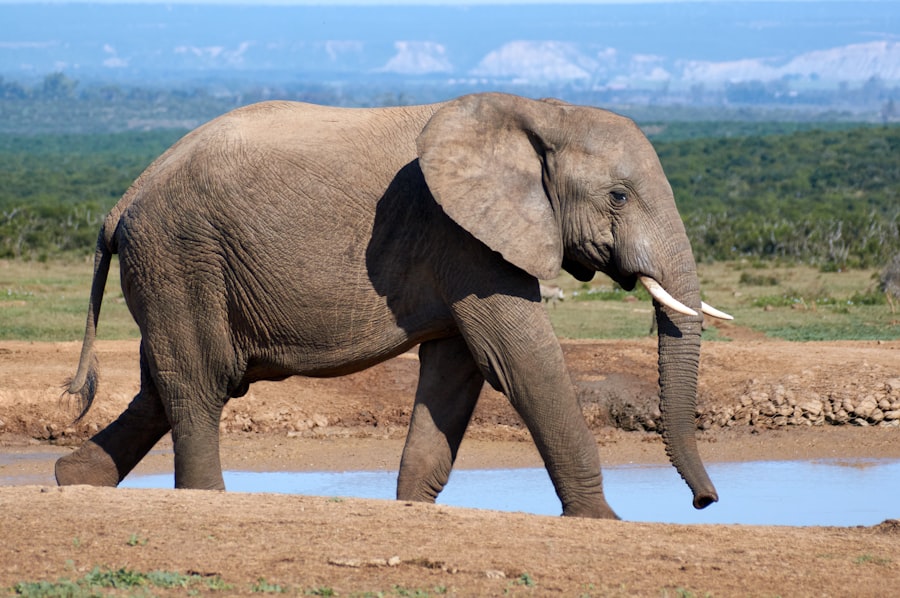
The Sahara and its surrounding regions have yielded evidence not only of individual elephants but also of their social structures and collective behavior. Fossilized footprints, in particular, offer a unique window into the movements of ancient herds, providing tangible proof of their presence and social dynamics in prehistoric times. These discoveries underscore the prevalence of elephants in these environments and offer clues about their daily lives.
World’s Oldest Elephant Tracks
Some of the most compelling evidence for social elephant behavior in a once-wet Arabian Peninsula comes from the discovery of the world’s oldest elephant tracks. Researchers in the United Arab Emirates unearthed a set of at least 13 footprints, indicating a herd of four-tusked primitive elephants walking together. These tracks date back a staggering 7 million years, predating many of the more familiar elephant species and even some of the earlier ancestors. The sheer number of tracks found together strongly suggests a cohesive herd moving in a common direction, demonstrating early social interaction and communal movement within these ancient elephant populations. The environment where these tracks were found was, at that time, significantly wetter, supporting the presence of such large herbivores.
The Significance of Four-Tusked Elephants
The presence of four-tusked primitive elephants in these ancient tracks is a fascinating detail. Modern elephants have two tusks, but ancient elephant relatives, such as some species within the Gomphotheriidae family and certain ancient proboscideans, did indeed possess four tusks – two upper and two lower. The discovery of tracks belonging to these uniquely tusked creatures further emphasizes the deep evolutionary history of elephants and their diverse forms throughout prehistoric times in regions now perceived as barren.
Recent discoveries have shed light on the fascinating history of elephants in the ancient Sahara, revealing how these majestic creatures once roamed the vast landscapes of North Africa. Researchers have found evidence of their presence in prehistoric rock art and fossil remains, indicating that the Sahara was once a lush environment teeming with wildlife. For those interested in exploring more about the intriguing connections between ancient ecosystems and modern wildlife, you can read a related article that discusses the broader implications of environmental changes on species survival. Check it out here.
The Twilight of the Saharan Giants
| Location | Time Period | Population | Behavior |
|---|---|---|---|
| Ancient Sahara | 10,000 – 1,000 BCE | Estimated in the thousands | Migrated in search of water and food |
While the evidence paints a picture of a Sahara once rich with elephant life, the story is not one of uninterrupted abundance. As the Earth’s climate began its inevitable shift towards arid conditions, the verdant oases that sustained these giants started to shrink and disappear. Latest findings indicate that elephants persisted in shrinking microhabitats for some time, but their eventual vanishing from the Sahara was a consequence of these environmental pressures.
Relic Populations in Microhabitats
The climatic transition from a wet to a dry Sahara was not an instantaneous event. For extended periods, elephants likely survived in isolated “relic” populations within specific microhabitats that retained sufficient water and vegetation. These pockets of resilience would have been crucial for the species’ survival during the increasingly arid phases. However, these surviving populations faced immense challenges. As the overall environment deteriorated and habitat fragmentation increased, these resilient pockets became further isolated, making reproduction and resource acquisition more difficult.
Causes of Extinction: Aridity and Habitat Fragmentation
The ultimate disappearance of elephants from the Sahara is attributed to a combination of factors stemming from the increasing aridity. Habitat fragmentation, driven by the shrinking of water sources and vegetation, severed the connections between different elephant populations. This isolation hindered gene flow, making the populations more vulnerable to disease and environmental changes. Furthermore, the overall scarcity of resources in the expanding desert environment would have led to increased competition and a decline in reproductive success. The increasing aridity acted as a relentless pressure, gradually pushing these magnificent creatures towards extinction within the Saharan landscape, leaving only their fossilized remains and the echoes of their roars in ancient rock art.
In conclusion, the ancient Sahara was a land of stark contrasts and dramatic transformations. Far from being a static desert, it cycled through periods of lush greenery that supported a rich and diverse fauna, including a remarkable array of elephants. From the colossal Palaeoloxodon and Elephas recki to the water-loving ancestor Moeritherium, and the evidence of herd behavior in ancient footprints, the story of elephants in the Sahara is a captivating testament to Earth’s dynamic past and the enduring power of scientific discovery to reveal its hidden narratives. The latest findings continue to unveil the secrets of this lost world, reminding us that even the most seemingly barren landscapes can hold stories of vibrant life and ancient giants.

The Sahara Won’t Stay a Desert Forever
FAQs
What is the significance of elephants in the ancient Sahara?
Elephants were an important part of the ancient Sahara ecosystem, playing a crucial role in the environment and culture of the region. They were a source of food, materials, and inspiration for ancient Saharan peoples.
How did elephants survive in the ancient Sahara?
During the Holocene period, the Sahara was not the desert it is today. It was a lush and fertile region with abundant water sources, vegetation, and wildlife, making it a suitable habitat for elephants.
What evidence exists of elephants in the ancient Sahara?
Archaeological findings, rock art, and written records from ancient civilizations such as the Egyptians and Carthaginians provide evidence of the presence of elephants in the ancient Sahara. Fossil evidence also supports the existence of elephants in the region.
What led to the decline of elephants in the Sahara?
The desertification of the Sahara, caused by natural climate change and human activities such as overhunting and habitat destruction, led to the decline of elephants in the region. As the Sahara became drier and less hospitable, the elephant population dwindled.
How are elephants in the ancient Sahara relevant today?
Studying the history of elephants in the ancient Sahara can provide valuable insights into the impact of environmental changes and human interactions on wildlife populations. It also highlights the interconnectedness of ecosystems and the importance of conservation efforts to protect endangered species.