The story of humanity is inextricably linked to its relentless dance with the Earth’s ever-shifting climate. For millennia, our ancestors navigated a world far more volatile than the relatively stable Holocene we inhabit today. From the frigid grip of Ice Ages to the scorching breath of interglacial periods, ancient humans demonstrated an astonishing capacity for resilience and innovation, developing strategies that allowed them to not only survive but thrive across diverse and challenging environments. Yet, despite significant advancements in archaeology, paleoclimatology, and genetics, many of the precise mechanisms and nuanced adaptations of these early climate pioneers remain veiled in the mists of time, presenting enduring mysteries that continue to captivate researchers. Understanding how these forebears managed the extremes of their world offers invaluable insights into the plasticity of human behavior and the deep evolutionary roots of our adaptability.
## Echoes of the Ice: Navigating Glacial Extremes
The Pleistocene epoch, often referred to as the Ice Age, was characterized by cyclical periods of extreme cold and glaciation. During these intense glacial periods, vast ice sheets covered significant portions of the planet, drastically altering landscapes, sea levels, and available habitable zones. The ability of ancient human populations to persist and even expand their ranges during these challenging times is a testament to their remarkable ingenuity. The precise strategies employed, however, are a subject of ongoing scientific inquiry, with several key areas of investigation yielding fascinating, though sometimes incomplete, answers.
### The Ingenuity of Shelter and Fire
The development and sophisticated use of fire represent a cornerstone of human adaptation to cold climates. Evidence of controlled fire use, dating back hundreds of thousands of years, suggests an early mastery of this crucial technology. Fire provided warmth, enabling survival in regions that would otherwise be uninhabitable. It also played a vital role in food preparation, breaking down tough plant fibers and making animal tissues more digestible, thus expanding the range of edible resources. Furthermore, fire served as a deterrent against predators and a means of signaling and communication. The archaeological record, however, often struggles to pinpoint the exact chronological emergence of advanced fire management techniques, such as maintaining embers or using different fuel types for specific purposes. The precise architectural features associated with cold-weather shelters, such as the construction of windbreaks, the use of insulating materials like animal hides and vegetation, and the strategic placement of hearths within these structures, also represent areas where detailed understanding remains elusive. While cave sites offer preserved hearths, open-air sites often leave fewer direct traces, forcing researchers to infer behavioral patterns from lithic scatters and faunal remains.
### Dietary Flexibility and Resourcefulness
Surviving in glacial environments demanded an extraordinary degree of dietary flexibility. As vegetation cover diminished and megafauna populations shifted, ancient humans had to exploit a diverse array of food sources. This likely involved sophisticated hunting strategies, targeting a variety of terrestrial animals, from large herbivores to smaller game. The development of specialized tools, such as projectile points, spears, and potentially even traps, would have been essential for successful hunting in these environments. Beyond hunting, foraging for resilient plant species that could survive the cold, such as roots, tubers, and hardy berries, would have been crucial. The precise caloric requirements for different activities in extreme cold, and the specific nutritional contributions of various food sources available during glacial periods, are complex calculations that are difficult to reconstruct with certainty. Furthermore, the development of food storage techniques, such as drying, smoking, or preserving meat and plants in frozen conditions, would have been critical for buffering against seasonal scarcity. The archaeological evidence for such practices, often indirect, leaves room for speculation about their frequency and efficacy.
### Mobility Patterns and Social Networks
The ability to move and adapt to changing environmental conditions was paramount during glacial periods. This likely involved extensive nomadism, following animal herds or seeking out more favorable microclimates. The development of effective navigation strategies, potentially utilizing celestial cues, landscape features, or inherited knowledge passed down through generations, would have been indispensable. The size and composition of social groups, and how these groups organized themselves for resource acquisition and defense in harsh conditions, are also areas of significant interest. Larger, more cooperative groups might have been better equipped for large-scale hunting or for building and maintaining complex shelters. However, smaller, more mobile bands might have been more efficient at exploiting dispersed resources. Understanding the interplay between group size, mobility, and environmental pressures remains a challenging aspect of reconstructing ancient human lifeways during glacial intervals. The archaeological signature of these mobility patterns, often characterized by dispersed tool scatters and the absence of long-term settlement structures, can be difficult to interpret definitively.
The enduring mysteries of ancient human climate adaptation continue to captivate researchers and historians alike, as they seek to understand how early civilizations thrived in the face of environmental challenges. A related article that delves into the impact of climate on human development and adaptation strategies can be found at this link. This piece explores how shifts in climate and geography have historically influenced manufacturing and settlement patterns, drawing parallels to ancient practices of adaptation that shaped human resilience.
## Thriving in the Tropics: Adapting to Heat and Humidity
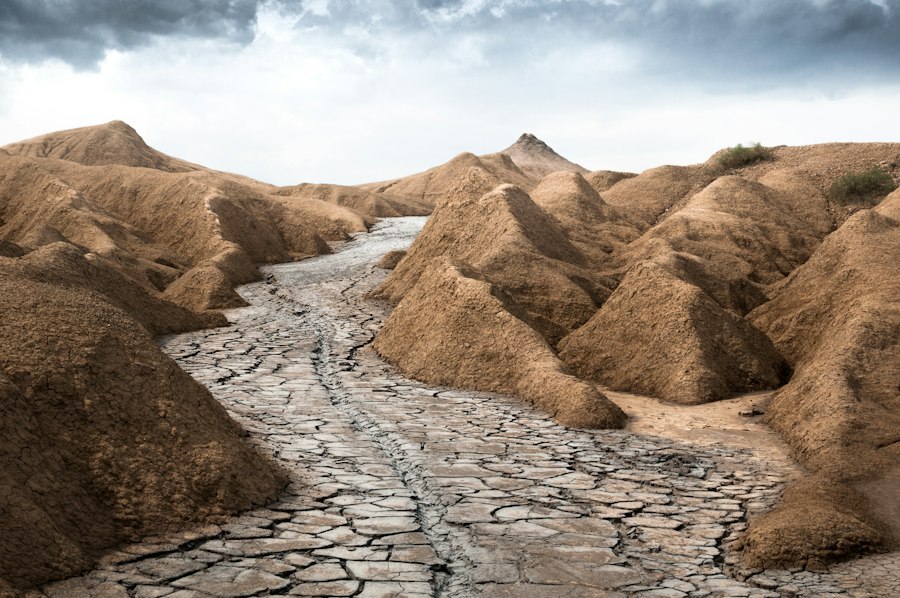
While often overshadowed by the dramatic narratives of Ice Age survival, the adaptation of ancient humans to tropical environments presents its own set of profound challenges and equally remarkable solutions. These regions, characterized by high temperatures, intense humidity, and distinct wet and dry seasons, demand a different suite of adaptive strategies. The ecological richness of the tropics, however, also offered abundant resources, fostering unique human cultures and technological developments.
### Water Management and Hydration
Access to reliable sources of fresh water is a critical concern in tropical climes, especially during prolonged dry seasons. Ancient humans likely developed intimate knowledge of local hydrology, identifying permanent water sources, understanding seasonal fluctuations in river flows, and potentially even creating rudimentary water harvesting systems. The design and function of such systems, if they existed, are largely unknown. The physiological adaptations required to cope with heat stress and maintain hydration, such as efficient sweating mechanisms and metabolic adjustments, are deeply ingrained in human biology but are difficult to study directly in ancient populations. The preservation of organic materials related to water transport and storage, such as gourds or woven containers, is rare, leaving researchers to infer these practices from indirect evidence.
### Navigating Biodiversity and Disease
Tropical ecosystems are renowned for their extraordinary biodiversity, presenting both opportunities and dangers. Ancient humans would have needed to develop sophisticated knowledge of edible plants, medicinal herbs, and the behavior of potentially dangerous fauna. The development of specialized hunting techniques for arboreal animals, or the effective harvesting of diverse plant food sources, would have been crucial. However, the tropics are also home to a vast array of disease vectors and pathogens, presenting a significant selective pressure on human populations. Understanding how ancient humans developed resistance to tropical diseases, or employed traditional medicinal practices to combat them, is a complex area of research. Genetic studies are beginning to reveal evidence of natural selection related to immunity in ancient tropical populations, but the full extent and specific mechanisms remain largely unexplored. The archaeological record offers few direct clues about the prevalence of specific diseases or the efficacy of ancient treatments.
### Exploiting Forest Resources and Coastal Zones
The dense tropical rainforests, with their layered canopy and diverse microhabitats, would have required specialized knowledge and technologies for effective exploitation. This could have included the development of tools for climbing, woodworking, or navigating dense vegetation. The construction of shelters in such environments, perhaps elevated to avoid ground-dwelling threats or to catch prevailing breezes, would have presented unique architectural challenges. Furthermore, coastal tropical regions offered access to abundant marine resources, necessitating the development of fishing techniques, boat-building skills, and knowledge of tidal patterns. The archaeological evidence for early maritime activities in the tropics, particularly the construction of sophisticated watercraft capable of long-distance voyages, is a subject of active investigation.
## The Great Transitions: Adapting to Rapid Environmental Change
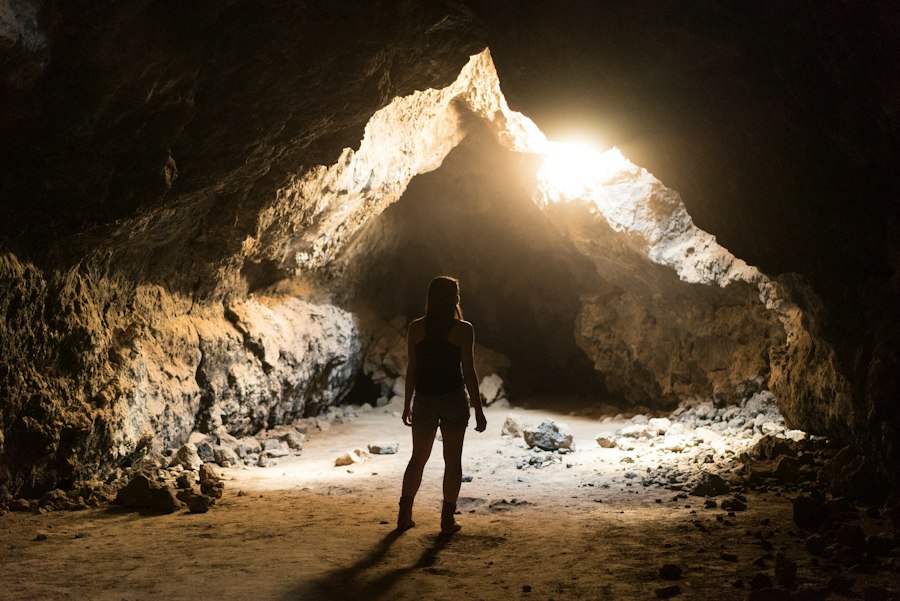
Beyond the sustained challenges of glacial or tropical extremes, humanity has also faced periods of rapid, significant climate shifts that demanded equally swift and profound adaptations. These transitions, such as the end of the last glacial period and the onset of the Holocene, or more localized events like volcanic eruptions or dramatic shifts in rainfall patterns, tested the adaptive limits of ancient societies.
### The Dawn of Agriculture and Sedentism
The transition from mobile hunter-gatherer lifestyles to settled agricultural communities, a hallmark of the early Holocene, is a prime example of adaptation to a more stable and predictable climate. However, the precise drivers and timing of this momentous shift remain debated. While a warming climate and increasing plant productivity likely played a role, the specific socio-cultural and environmental triggers are complex. The development of agriculture, a fundamentally different way of interacting with the environment, necessitated new technologies, social structures, and ways of organizing labor. Understanding the early stages of domestication, the selection of specific plant and animal species, and the gradual process of increasing reliance on cultivated foods are key to unraveling this transition. The archaeological evidence, including the presence of early farming tools, storage facilities, and evidence of animal husbandry, provides insights, but the nuanced behavioral and ecological processes involved are still being pieced together.
### Responding to Catastrophic Events
Ancient human populations were not immune to the impact of sudden, catastrophic environmental events, such as massive volcanic eruptions or prolonged droughts. The resilience of societies in the face of such disruptions is a testament to their adaptive capacity, but also highlights the potential for societal collapse or significant demographic shifts. The archaeological and paleoclimatic records provide evidence of these events and their impacts, but the precise societal responses – whether through migration, technological innovation, or profound social reorganization – are often difficult to discern. The ability to predict and prepare for such events, or to recover and rebuild in their aftermath, would have depended on accumulated knowledge, social cohesion, and available resources. The absence of clear archaeological evidence for survival strategies in the immediate aftermath of some catastrophic events can lead to speculation about the severity of the impact and the nature of the human response.
### The Role of Innovation and Cultural Transmission
Throughout these periods of transition, the capacity for innovation and the effective transmission of knowledge across generations were critical. New technologies, such as improved tool-making techniques, the development of pottery, or advancements in construction, allowed humans to exploit their environment in novel ways. Equally important was the cultural transmission of this knowledge. The development of language, storytelling, and complex social learning mechanisms would have been essential for passing down survival strategies, ecological knowledge, and technological expertise. Understanding the precise mechanisms of cultural transmission and how they were influenced by environmental pressures is a challenging but crucial aspect of studying ancient human adaptation. The archaeological record provides indirect evidence through the spread of technologies and cultural traits, but the detailed processes of learning and knowledge transfer remain largely inferred.
## The Deep Roots of Resilience: Genetic and Physiological Adaptations
Beyond behavioral and technological strategies, ancient humans also possessed the capacity for significant biological adaptation to different climates. This involved both physiological adjustments and evolutionary changes encoded in their genetic makeup, providing a biological foundation for their remarkable environmental plasticity.
### Physiological Acclimatization and Thermoregulation
Human physiology possesses a remarkable ability to acclimatize to different climatic conditions. This includes adjustments in metabolic rate, cardiovascular function, and the efficiency of thermoregulation – the body’s ability to maintain a stable internal temperature. In cold environments, individuals can develop improved insulation through increased subcutaneous fat, enhanced shivering responses, and altered blood flow patterns to conserve heat. In hot environments, increased sweating capacity, more efficient heat dissipation, and reduced metabolic heat production become crucial. While these are largely reversible acclimatization processes, understanding the baseline physiological capabilities of different ancient populations and how they might have differed across diverse climates provides a vital layer of understanding. Direct evidence for these physiological adaptations in ancient humans is, of course, scarce, relying heavily on comparative studies with modern populations and inferences from skeletal remains.
### Evolutionary Adaptations and Natural Selection
Over millennia, natural selection would have favored individuals with genetic traits that conferred a survival advantage in specific climatic regimes. This could have included variations in skin pigmentation, with darker skin offering protection against intense UV radiation in equatorial regions and lighter skin facilitating Vitamin D synthesis in lower-sunlight environments. Other potential evolutionary adaptations might have included differences in body shape and limb proportions to optimize heat loss or conservation, as proposed by Bergmann’s and Allen’s rules. Genetic studies of ancient DNA are increasingly revealing evidence of selection related to diet (e.g., lactose tolerance), disease resistance, and adaptation to high altitudes. However, the precise genetic underpinnings of adaptation to temperature extremes, humidity, and other climatic variables are still being actively investigated. Unraveling these evolutionary trajectories requires sophisticated genomic analysis and careful interpretation of ancient DNA data.
### The Interplay of Biology and Behavior
It is crucial to recognize that biological and behavioral adaptations were not independent but rather deeply intertwined. Genetic predispositions for certain physiological responses could have been amplified or modulated by learned behaviors and cultural practices. For example, a genetic predisposition for efficient sweating might have been further enhanced by the development of culturally transmitted techniques for seeking shade or employing evaporative cooling strategies. Conversely, the constant presence of stressors like extreme cold or heat would have exerted continuous selective pressure, driving evolutionary changes. Understanding this complex interplay is essential for a holistic view of human climate adaptation, acknowledging that biology provided the canvas upon which culture painted its diverse and resilient strategies.
The enduring mysteries of ancient human climate adaptation continue to captivate researchers, as they seek to understand how early civilizations thrived in changing environments. One fascinating aspect of this topic is the role of technological innovation in facilitating survival strategies. For a deeper exploration of how advancements in technology can influence human resilience, you can read more in this insightful article on AI’s role in autonomous space defense. This connection highlights the ongoing relationship between human ingenuity and environmental challenges, both in the past and present.
## Enduring Questions and Future Frontiers
| Aspect | Description | Known Data / Metrics | Unresolved Questions |
|---|---|---|---|
| Migration Patterns | Movement of ancient humans in response to climate changes |
– Out of Africa migration approx. 60,000-70,000 years ago – Expansion into Eurasia during interglacial periods – Coastal vs inland routes debated |
– Exact routes and timing of migrations – Influence of climate vs other factors on migration decisions |
| Technological Adaptations | Development of tools and clothing to survive diverse climates |
– Use of fire dating back 1 million years – Evidence of tailored clothing approx. 40,000 years ago – Diverse toolkits for hunting and shelter construction |
– When and how clothing was first invented – Extent of technological innovation driven by climate stress |
| Physiological Adaptations | Biological changes in humans to cope with climate extremes |
– Variations in skin pigmentation linked to UV exposure – Body morphology differences (e.g., limb length) related to temperature regulation – Genetic adaptations to high altitude and cold environments |
– Timing and mechanisms of key genetic adaptations – Interaction between cultural and biological adaptations |
| Dietary Shifts | Changes in diet reflecting availability of resources in different climates |
– Transition from primarily plant-based to mixed diets – Increased reliance on marine resources in coastal areas – Use of fire to process food |
– Impact of diet on health and survival during climate fluctuations – Role of food storage and preservation techniques |
| Social and Cultural Responses | Community organization and cultural practices aiding survival |
– Evidence of cooperative hunting and sharing – Development of symbolic behavior and art approx. 40,000 years ago – Construction of shelters and use of caves |
– Extent to which social structures were influenced by climate stress – Role of cultural transmission in adaptation |
Despite the substantial progress made in understanding how ancient humans navigated their dynamic environments, numerous questions remain, pushing the boundaries of current research and inspiring new avenues of inquiry. The ongoing exploration of these mysteries promises to further illuminate the remarkable story of human resilience.
### The Paleogeographic Puzzle of Human Expansion
The precise routes and timing of ancient human migrations across the globe, particularly into previously uninhabited continents like Australia and the Americas, are intricately linked to paleogeographic reconstructions and fluctuating sea levels. Understanding how early hominins traversed these landscapes, which were dramatically different during glacial periods when sea levels were lower and land bridges were exposed, presents a complex puzzle. The development of early maritime capabilities, especially for crossing significant water bodies, remains a particularly intriguing area of research. The archaeological evidence for early coastal settlements and the potential for sophisticated seafaring technologies during these periods are areas of ongoing debate and discovery.
### Quantifying Past Climatic Variability and Human Impact
While paleoclimatology has made significant strides in reconstructing past climate patterns, a greater degree of temporal and spatial resolution is needed to fully understand the microclimates experienced by specific ancient human populations. Furthermore, disentangling the complex feedback loops between human activities and environmental changes is crucial. Did early human populations have a significant impact on their local environments, and if so, how did these impacts influence their own adaptive strategies? Investigating the evidence for early land-use practices, such as controlled burning or early forms of landscape modification, and their ecological consequences, is an important frontier.
### The Search for Undiscovered Archaeological Sites
The archaeological record is inherently incomplete, with many ancient sites likely lost to time, geological processes, or anthropogenic impacts. The ongoing discovery of new sites, utilizing advanced remote sensing technologies, paleoenvironmental modeling, and citizen science initiatives, holds the key to unlocking further insights into ancient human climate adaptation. New discoveries can challenge existing paradigms, reveal previously unknown technologies or behaviors, and provide crucial data points for refining our understanding of human history. The potential for uncovering preserved organic materials in unique environmental contexts, such as permafrost or arid caves, also offers exciting prospects for detailed analysis. The story of how our ancestors met the climatic challenges of the past is far from fully told, and the ongoing quest to unravel its enduring mysteries continues to reveal the extraordinary adaptability and ingenuity of the human species.

➡️Life 20,000 Years Ago | When Strangers Claim Your Winter Shelter 🚨
FAQs
What are some key examples of ancient human climate adaptation?
Ancient humans adapted to various climates through innovations such as the development of clothing made from animal hides, the construction of shelters using local materials, and the establishment of agricultural practices suited to their environments. For instance, the Inuit adapted to Arctic conditions by creating insulated igloos and using sled dogs for transportation, while early agricultural societies in Mesopotamia developed irrigation systems to manage water supply in arid regions.
How did ancient humans respond to climate change events?
Ancient humans responded to climate change events by migrating to more favorable environments, altering their subsistence strategies, and developing new technologies. For example, during the last Ice Age, many groups moved southward to escape the harsh conditions, while others adapted their hunting and gathering practices to exploit available resources in changing landscapes.
What role did agriculture play in ancient climate adaptation?
Agriculture played a crucial role in ancient climate adaptation by allowing human populations to settle in one place and develop stable food sources. This shift from nomadic lifestyles to farming enabled communities to thrive in various climates, as they could cultivate crops suited to their local conditions and domesticate animals for food and labor, thereby enhancing their resilience to climate fluctuations.
How did ancient civilizations manage water resources in response to climate challenges?
Ancient civilizations managed water resources through sophisticated engineering techniques such as the construction of canals, reservoirs, and aqueducts. For example, the ancient Egyptians developed irrigation systems along the Nile River to control flooding and ensure a steady water supply for agriculture, while the Maya built extensive networks of reservoirs to capture and store rainwater in their tropical environment.
What lessons can modern society learn from ancient human climate adaptation?
Modern society can learn valuable lessons from ancient human climate adaptation, such as the importance of flexibility and innovation in response to environmental changes. By studying how ancient cultures adapted their lifestyles, technologies, and resource management practices, contemporary societies can develop more sustainable approaches to cope with current and future climate challenges, emphasizing resilience and community collaboration.