
The Paleolithic era, a vast expanse of human history stretching back millions of years, remains a fertile ground for scientific inquiry and public fascination. It is a time shrouded in the mists of prehistory, where our earliest ancestors navigated a world vastly different from our own, leaving behind enigmatic clues to their lives, beliefs, and capabilities. Despite decades of rigorous archaeological investigation and scientific advancement, many questions surrounding this ancient epoch continue to elude definitive answers, fueling ongoing research and igniting the imagination. The enduring mysteries of the Paleolithic era are not merely academic puzzles; they offer profound insights into the origins of humanity, the development of our cognitive abilities, and the very foundations of culture and society. Unraveling these ancient secrets promises to enrich our understanding of who we are and where we came from, connecting us to a lineage that forged the path for all subsequent human endeavors.
The Enigma of Early Human Migration Patterns
The sheer audacity and complexity of early human migrations across continents present one of the most compelling mysteries of the Paleolithic. While the general narrative of hominin dispersal from Africa is widely accepted, the precise timing, routes, and motivations behind these epic journeys remain subjects of intense debate and ongoing discovery. Understanding these movements is crucial for piecing together the genetic and cultural tapestry of our species, revealing the resilience and adaptability that allowed our ancestors to colonize diverse and challenging environments.
Out of Africa: When and How Did Our Ancestors Roam?
The timing of the initial “Out of Africa” migrations is a cornerstone of Paleolithic research. While evidence has pushed back the dates for hominin presence outside Africa, precise timelines are constantly being refined. Discoveries at sites like Dmanisi in Georgia, dating to around 1.8 million years ago, demonstrate an early dispersal of Homo erectus. However, the emergence of Homo sapiens and their subsequent expansion from the African continent are subjects of more intricate investigation. Genetic studies suggest multiple dispersal events, with different populations venturing out at various times, interbreeding with existing hominin groups like Neanderthals and Denisovans, and adapting to new ecological niches. The “how” of these migrations is equally perplexing. Did they follow predictable routes along coastlines or river valleys? Were they driven by climate change, resource availability, or social dynamics? The lack of detailed archaeological records for vast stretches of time and geography leaves significant gaps in our understanding.
The Peopling of the Americas: A Late Arrival or an Ancient Secret?
The colonization of the Americas represents a particularly significant and debated chapter in Paleolithic migration. For a long time, the “Clovis First” model, which posited that the first humans arrived in North America around 13,500 years ago, dominated the scientific consensus. However, a growing body of evidence from pre-Clovis sites, such as Monte Verde in Chile and Meadowcroft Rockshelter in Pennsylvania, suggests a much earlier human presence. These findings have led to a paradigm shift, pushing the arrival of humans in the Americas back by several millennia, perhaps as far back as 15,000 to 20,000 years ago, or even earlier. The implications are profound. If humans were in the Americas significantly earlier, it suggests that the Bering land bridge was not the sole or even primary route of entry, or that humans utilized other methods of arrival, potentially seafaring. The debate continues regarding the exact timing, the genetic origins of these early American populations, and the routes they took, whether across the Bering Strait ice bridge, along the Pacific coast, or a combination of both.
Navigating New Worlds: Adaptation to Diverse Environments
Beyond simply reaching new lands, the ability of Paleolithic humans to adapt to radically different environments is a testament to their ingenuity. From the frigid tundras of Siberia to the arid plains of Australia, our ancestors demonstrated remarkable resilience and resourcefulness. The archaeological record offers glimpses of this adaptation through changes in tool technologies, subsistence strategies, and shelter construction. However, the specific challenges faced and the innovations developed in each unique environment are not always fully understood. How did they manage to hunt megafauna in icy landscapes? What plant resources did they exploit in desert regions? What were the social structures that facilitated survival in such extreme conditions? These questions underscore the incredible adaptive plasticity of early humans and highlight the diverse pathways of Paleolithic cultural evolution.
The Paleolithic era, often shrouded in mystery, has captivated historians and archaeologists alike with its enduring enigmas, such as the purpose of ancient cave paintings and the lives of early humans. For those interested in exploring more about how ancient civilizations have influenced modern practices, a related article discusses contemporary issues in a different context, highlighting the exploitation of loopholes by Chinese companies in Mexico. You can read more about this intriguing subject by visiting this article.
The Dawn of Symbolic Thought: Unlocking the Meaning of Ancient Art and Artifacts
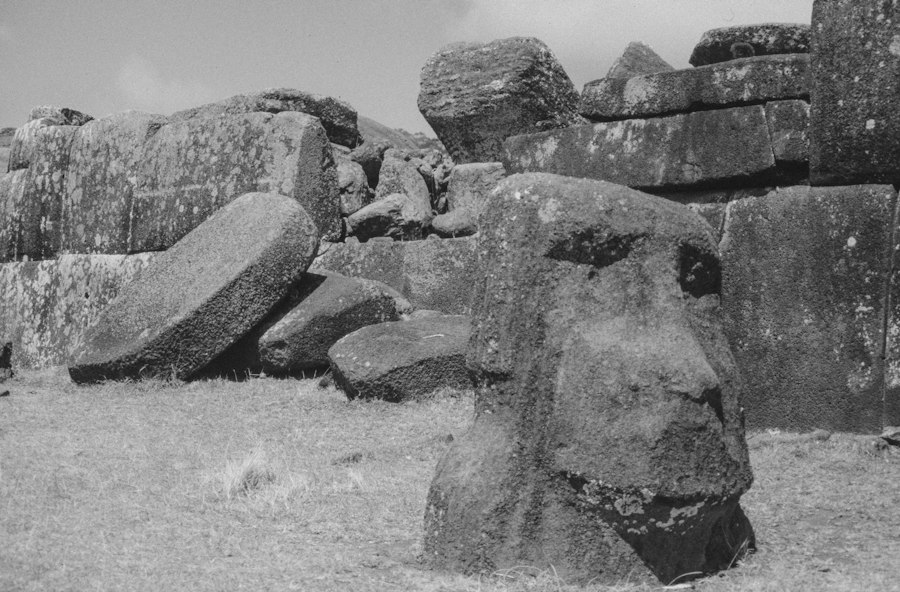
Perhaps one of the most captivating and debated aspects of the Paleolithic era is the emergence of symbolic thought, a fundamental shift that distinguishes humans from other animals. This transition is primarily evidenced through the creation and use of art, ornamentation, and other artifacts that suggest abstract thinking, belief systems, and complex social communication. Deciphering the meaning behind these ancient expressions offers a window into the minds of our distant ancestors and the very origins of human consciousness.
Cave Paintings and Engravings: Messages from the Deep Past
The magnificent cave art found in sites like Lascaux, Chauvet, and Altamira has long fascinated and puzzled scholars. These intricate paintings and engravings, dating back tens of thousands of years, depict animals, human figures, and abstract symbols with remarkable skill and artistry. While the aesthetic value is undeniable, their purpose remains a subject of much speculation. Were they purely decorative, or did they serve a functional purpose? Theories abound, suggesting they were used for shamanistic rituals, storytelling, hunting magic, mnemonic devices to record knowledge, or even as territorial markers. The limited understanding of the cultural and linguistic contexts in which they were created makes definitive interpretation challenging, leaving a profound sense of mystery surrounding the intentions of these ancient artists. The choice of subjects, the placement of artworks deep within caves, and the occasional inclusion of abstract marks all contribute to the enigma.
Personal Adornment and Symbolic Objects: Early Expressions of Identity
Beyond the grand canvases of cave walls, Paleolithic peoples also left behind evidence of personal adornment and the creation of small, portable symbolic objects. Beads made from shell, bone, and ivory, as well as perforated animal teeth, have been found at numerous sites, indicating a desire for self-decoration and perhaps the expression of social status or group affiliation. The deliberate modification of natural objects to create something aesthetically pleasing or meaningful suggests an early understanding of abstract concepts and the capacity for symbolic representation. The purpose of these personal ornaments, their meaning within specific social groups, and the level of sophistication of their manufacture continue to be explored. Were these simple aesthetic choices, or did they carry deeper cultural or spiritual significance?
The Enigma of Burial Rituals: Glimpses into Beliefs About Death and the Afterlife
The discovery of intentional burials provides some of the most profound insights into Paleolithic belief systems and social practices. The careful placement of bodies, sometimes accompanied by grave goods such as tools, weapons, or ornaments, suggests a recognition of death as a significant event and perhaps an early understanding of an afterlife or a spiritual realm. The nature and quantity of grave goods can offer clues about the deceased’s status or role in society. However, the precise beliefs surrounding death, the rituals performed, and the meaning attributed to these practices remain largely elusive. Was there a belief in reincarnation, a journey to another world, or simply a respect for the deceased? The interpretation of burial practices often relies on indirect evidence and comparative studies, leaving room for considerable speculation.
The Evolution of Technology: Innovation and Its Limits in the Stone Age

The Paleolithic era is synonymous with the development of stone tools, a technological revolution that profoundly shaped human evolution and survival. From the earliest rudimentary choppers to the sophisticated bifacial tools of later periods, the progression of lithic technology reflects a growing understanding of materials, design, and function. However, the pace of innovation, the diffusion of techniques, and the reasons behind certain technological stasis are subjects that continue to intrigue researchers.
From Simple Tools to Complex Assemblages: The March of Lithic Innovation
The earliest stone tools, often referred to as Oldowan tools, were characterized by simple percussion techniques, producing basic choppers and flakes. These were followed by the more refined Acheulean handaxes, meticulously crafted by bifacial flaking, suggesting a greater degree of planning and cognitive ability. Later Paleolithic industries, such as the Mousterian and Upper Paleolithic blade technologies, demonstrate an even more sophisticated understanding of stone knapping, producing specialized tools for various tasks. The development of composite tools, where stone elements were hafted onto wooden shafts or handles, marked another significant leap, greatly enhancing the effectiveness of tools for hunting, woodworking, and other activities. Understanding the chaîne opératoire, the step-by-step process of tool production, provides invaluable insights into the cognitive abilities and problem-solving skills of our ancestors.
The Diffusion of Ideas: How Did Technologies Spread?
The geographical distribution of similar tool technologies across vast distances raises questions about how these innovations spread. Was it through direct contact and cultural exchange between different groups, or through independent invention in multiple locations? While the diffusion of ideas is a widely accepted mechanism, the exact pathways and the role of migration versus trade in disseminating technologies are not always clear. The discovery of analogous tool types in geographically separated regions, without clear evidence of direct contact, can be particularly perplexing. This points to the complex interplay of independent innovation, diffusion, and adaptation that characterized technological development throughout the Paleolithic.
Technological Stasis and Rapid Advancement: What Drove Change?
One of the intriguing aspects of Paleolithic technology is the apparent variability in the pace of innovation. While some periods saw relatively slow but steady improvements, others witnessed rapid and transformative advancements. What factors influenced these shifts? Climate change, population density, resource availability, and social pressures are all considered potential drivers of technological change. For instance, periods of environmental stress might have necessitated the development of new hunting strategies or more efficient toolkits. Conversely, periods of stability might have allowed for slower, more incremental progress. Understanding the interplay of these factors is crucial for unraveling the trajectory of Paleolithic technological evolution. The question of why certain technologies remained relatively unchanged for long periods, while others underwent rapid transformation, remains a central puzzle.
The Enigma of Social Structures and Communication
Reconstructing the social lives and communication methods of Paleolithic peoples is one of the most challenging, yet most rewarding, areas of research. While direct evidence is scarce, archaeologists and anthropologists employ a variety of indirect clues to infer how these early humans organized themselves, interacted with each other, and communicated their thoughts and ideas.
Hunter-Gatherer Bands: Size, Organization, and Dynamics
The prevailing model for Paleolithic social organization is that of small, mobile hunter-gatherer bands. However, the precise size of these bands, their internal structure, and their relationships with other groups are subjects of ongoing investigation. Were these bands egalitarian, or were there hierarchical structures? How were decisions made? What were the kinship systems, and how did they influence social cohesion and cooperation? Evidence from settlement patterns, the distribution of resources, and the archaeology of communal activities, such as feasting or tool-making, offer glimpses into these social dynamics. The cooperative hunting of large game, for example, would have required a high degree of social coordination and communication.
The Origins of Language: A Silent Revolution?
The question of when and how human language emerged is one of the most profound unsolved mysteries of our evolutionary past. While no direct evidence of Paleolithic language exists, the increasing complexity of toolmaking, the development of symbolic art, and the evidence of sophisticated hunting strategies all suggest a capacity for complex communication. Some researchers believe that language may have emerged gradually over hundreds of thousands of years, linked to the development of the vocal tract and the brain. Others propose more rapid, punctuational events. The ability to transmit knowledge, plan coordinated actions, and form abstract concepts would have been significantly enhanced by the development of spoken language. However, pinpointing its origins and the nature of early linguistic systems remains a distant goal. The implications of language for social bonding, cultural transmission, and cognitive development are immense, making its origins a central puzzle in understanding human uniqueness.
Intergroup Relations: Cooperation, Conflict, and Exchange
Paleolithic societies did not exist in isolation. Evidence of the movement of raw materials over long distances, such as high-quality chert or exotic stones, suggests networks of exchange between different groups. This exchange likely facilitated not only the acquisition of valuable resources but also the sharing of ideas and technologies. However, it is also possible that intergroup relations involved conflict. The presence of projectile points, some of which may have been used as weapons, and evidence of skeletal trauma on some human remains, hint at the possibility of violence. Understanding the balance between cooperation and conflict, and the mechanisms that governed intergroup relations, is crucial for a comprehensive picture of Paleolithic social life.
The Paleolithic era is filled with enduring mysteries that continue to captivate researchers and history enthusiasts alike. From the enigmatic cave paintings of Lascaux to the intricate tools crafted by early humans, these artifacts offer a glimpse into a world long gone. One intriguing aspect of ancient history is how rulers and societies have often manipulated narratives to shape their legacies. For a deeper understanding of this phenomenon, you can explore a related article that delves into the deceptions of ancient rulers, shedding light on how these practices may have influenced perceptions of the past. To read more, visit this article.
The Puzzle of Cognitive Evolution: The Developing Human Mind
| Mystery | Description | Location | Estimated Time Period | Significance |
|---|---|---|---|---|
| Origin of Cave Paintings | How and why early humans created detailed cave paintings depicting animals and hunting scenes. | Chauvet Cave (France), Lascaux (France), Altamira (Spain) | Approx. 30,000 – 15,000 years ago | Insight into early human cognition, symbolic thinking, and communication. |
| Purpose of Venus Figurines | The reason behind the creation of small female figurines with exaggerated features. | Europe and Siberia | Approx. 28,000 – 20,000 years ago | Possible fertility symbols, religious artifacts, or social status markers. |
| Development of Early Tools | How Paleolithic humans developed and refined stone tools for hunting and daily use. | Worldwide, especially Africa and Eurasia | Approx. 2.6 million – 10,000 years ago | Foundation of technological advancement and survival strategies. |
| Burial Practices | The reasons and rituals behind early human burial sites and grave goods. | Europe, Middle East | Approx. 100,000 – 40,000 years ago | Indicates early spiritual beliefs and concepts of afterlife. |
| Use of Fire | When and how early humans mastered controlled use of fire. | Africa, Eurasia | Approx. 1 million – 400,000 years ago | Crucial for cooking, protection, and social development. |
The Paleolithic era witnessed the dramatic evolution of the human brain and the parallel development of cognitive abilities that define our species. From basic problem-solving to abstract thought and self-awareness, the journey of cognitive evolution is etched in the archaeological record, albeit in ways that are often difficult to interpret.
Problem-Solving and Abstract Thinking: Evidence in Stone and Bone
The sophisticated designs and functional specialization of Paleolithic tools are direct indicators of our ancestors’ problem-solving skills. The ability to conceive of a tool before its creation, to plan the necessary steps for its manufacture, and to execute those steps with precision all speak to advanced cognitive abilities. The development of composite tools, requiring the integration of multiple components, further illustrates this capacity. Abstract thinking, the ability to conceptualize things that are not immediately present or tangible, is evidenced in the symbolic use of art and personal adornments. The consistent application of specific manufacturing techniques over time, and the transmission of these techniques across generations, also suggests a capacity for learning and abstract reasoning.
The Development of Memory and Foresight: Planning for the Future
The successful survival of Paleolithic peoples, particularly in challenging environments, would have necessitated significant memory and foresight. The ability to remember the locations of food and water sources, the migratory patterns of animals, and the seasonal availability of resources would have been crucial. Furthermore, the planning and execution of complex hunting expeditions, often involving the tracking of prey over long distances and the coordination of multiple individuals, demonstrate a capacity for foresight and long-term planning. The storage of food, the creation of shelters, and the maintenance of tools all point to an ability to anticipate future needs and to take action to meet them.
The Emergence of Consciousness and Self-Awareness: A Glimpse into the Inner World
The most elusive aspect of cognitive evolution is the emergence of consciousness and self-awareness. While we can infer advanced cognitive abilities from material remains, the subjective experience of being a Paleolithic human remains largely inaccessible. However, the creation of art, the practice of burial rituals, and the development of personal adornment can be interpreted as indicators of a burgeoning sense of self and an awareness of mortality. These actions suggest a capacity for introspection, for contemplating one’s place in the world, and for expressing a unique identity. While direct proof of consciousness is impossible to obtain from the archaeological record, these behaviors offer tantalizing hints at the developing inner world of our ancient ancestors, a world that laid the groundwork for all subsequent human thought and experience. The enduring mysteries of the Paleolithic era continue to inspire awe and drive exploration, reminding us that the journey of humanity is an ongoing narrative, written in stone, bone, and the echoes of forgotten worlds.

Life 20,000 Years Ago | When an Ice Age Wildfire Traps Your Primitive Family
FAQs
What is the Paleolithic era?
The Paleolithic era, also known as the Old Stone Age, is a prehistoric period that lasted from approximately 2.6 million years ago to around 10,000 BCE. It is characterized by the development of early human tools made from stone, as well as the emergence of hunter-gatherer societies. This era is divided into three phases: Lower, Middle, and Upper Paleolithic, each marked by advancements in technology and culture.
What are some notable archaeological sites from the Paleolithic era?
Several significant archaeological sites from the Paleolithic era include Lascaux in France, known for its stunning cave paintings; Altamira in Spain, famous for its polychrome rock art; and the Blombos Cave in South Africa, which has yielded some of the earliest evidence of symbolic behavior and art. These sites provide crucial insights into the lives and cultures of early humans.
What are some enduring mysteries of the Paleolithic era?
Enduring mysteries of the Paleolithic era include the purpose of cave art, the reasons behind the extinction of large megafauna, and the social structures of early human groups. The exact meanings of the intricate symbols and images found in caves remain largely speculative, while the causes of megafauna extinction are debated among scientists, with theories ranging from climate change to human hunting practices.
How did early humans communicate during the Paleolithic era?
While there is no definitive evidence of spoken language during the Paleolithic era, early humans likely used a combination of gestures, vocalizations, and rudimentary forms of communication to convey information. The development of symbolic art and tools suggests that cognitive abilities were advanced, which may have facilitated complex social interactions and the sharing of knowledge.
What role did climate change play during the Paleolithic era?
Climate change played a significant role during the Paleolithic era, influencing human migration patterns, the availability of resources, and the development of tools. Fluctuations in climate led to the expansion and contraction of habitats, which affected the distribution of flora and fauna. These changes prompted early humans to adapt their hunting and gathering strategies, ultimately shaping their evolution and cultural practices.