
The sophisticated agricultural terraces constructed by the Inca civilization, known as andenes, represent a triumph of pre-Columbian engineering. These monumental earthworks are not merely simple platforms carved into mountainsides, but intricate systems designed to maximize agricultural output in challenging Andean topographies. A critical, yet often underestimated, component of their enduring success lies in the meticulous drainage systems embedded within their construction. Without effective water management, the stability of these terraces, their soil fertility, and ultimately, the sustenance of the Inca empire would have been profoundly compromised. This article delves into the engineering principles behind these drainage systems, exploring their construction, function, and the remarkable foresight demonstrated by the Inca engineers.
The Inca agricultural terraces were conceived as more than just arable land; they were integrated hydrological features designed to control and utilize water resources efficiently. The primary objective of terracing in the Andes was to expand cultivable land, stabilize slopes, prevent erosion, and modify microclimates. However, achieving these objectives necessitated a robust system for managing both surplus rainfall and irrigation water.
Erosion Control as a Primary Driver
Rainfall in the Andean highlands can be intense and torrential, particularly during the wet season. Uncontrolled runoff on steep slopes leads to severe soil erosion, stripping away valuable topsoil and undermining the stability of the land. The terraces, by their very nature, acted as a series of steps that broke the velocity of descending water. Each terrace surface, being relatively flat or gently sloped inwards, allowed water to slow down, infiltrate the soil, or be channeled effectively, thus mitigating the erosive forces.
Water Conservation and Redistribution
Beyond erosion control, the terraces played a crucial role in water conservation. Instead of rapidly flowing down the mountain and being lost, water was intercepted, retained, and redistributed. This characteristic was particularly vital in regions with distinct wet and dry seasons. The ability to collect and store water, even temporarily within the terrace structure, extended the growing season and provided a buffer against periods of drought.
The engineering of Inca terrace drainage systems is a fascinating topic that highlights the advanced agricultural practices of the Inca civilization. For those interested in exploring this subject further, a related article can be found at this link, which delves into the intricate designs and functionalities of these ancient irrigation methods. Understanding these systems not only sheds light on the ingenuity of the Incas but also offers valuable insights into sustainable agricultural practices that can be applied today.
Components of Inca Terrace Drainage Systems
The drainage systems of Inca terraces were not monolithic but comprised several interconnected components, each serving a specific purpose. These elements worked in concert to manage water flow, prevent saturation, and protect the structural integrity of the terraces.
Stone Revetments and Retaining Walls
The most visually prominent feature of Inca terraces are their stone revetments or retaining walls. These walls were not simply barriers but sophisticated engineering structures. Constructed from precisely cut and fitted stones, often without mortar (dry masonry), they possessed a remarkable degree of flexibility and stability, capable of withstanding seismic activity.
Structural Integrity and Porosity
The dry-stone construction, while seemingly primitive, offered significant advantages for drainage. The interstices between the stones allowed for the passive percolation of water. Instead of creating an impermeable barrier that would trap water behind it, the walls permitted a controlled seepage, alleviating hydrostatic pressure that could otherwise destabilize the terrace. This porosity was a deliberate design choice, demonstrating a deep understanding of soil mechanics and water dynamics.
Foundation and Angle
The foundations of these retaining walls were often deep, extending into stable bedrock or compacted earth, providing a solid anchor against the immense weight of the contained soil and the pressures exerted by water. Furthermore, many walls were constructed with a slight inward batter or slope, increasing their stability and resistance to outward thrust. This angle also contributed to the aesthetic integration of the terraces with the natural slope of the mountain.
Internal Drainage Layers
Beneath the fertile topsoil of the terraces, Inca engineers often incorporated a multi-layered substructure specifically designed for drainage. This layering acted as a sophisticated filter and conduit for water.
Gravel and Sand Filtration
Directly beneath the topsoil, a layer of coarse gravel or small stones was typically found. This layer served as a primary drainage channel, allowing water to quickly pass through the overlying soil. Below this, a layer of sand or finer gravel might be present, acting as a filter to prevent the finer topsoil from washing into the coarser drainage layers below. This prevented clogging and maintained the efficiency of the system.
Clay Seals and Impermeability
In some instances, particularly where water retention was a priority or where certain crops required more saturated conditions, layers of impermeable clay might be strategically incorporated. These clay layers could act as barriers to direct water flow laterally, or to create a more consistent moisture environment within a specific terrace section, demonstrating a nuanced approach to water management tailored to specific agricultural needs.
Surface Drainage Features
While internal drainage handled subsurface water, surface drainage was equally vital for managing immediate runoff and preventing pooling on the terrace surface.
Inward Slope of Terrace Beds
A common characteristic of Inca terraces is a slight inward slope of the terrace bed towards the base of the retaining wall. This subtle gradient directed surface water towards the internal drainage components or towards specific collection points at the rear of the terrace. This prevented water from collecting at the outer edge, which could compromise the stability of the terrace lip and lead to overtopping.
Channels and Gutters
On larger or more complex terrace systems, discernible surface channels or gutters were often carved into the bedrock or lined with stones along the back of the terraces. These channels acted as conduits, collecting water from multiple terrace levels and directing it towards larger water management structures, such as main irrigation canals or reservoirs. These could occasionally be seen exiting portions of the staircases at the end of groups of terraces.
Advanced Water Collection and Distribution

The drainage systems of individual terraces were often integrated into broader, more complex water collection and distribution networks, illustrating the holistic approach of Inca hydraulic engineering.
Feeder Canals and Aqueducts
Above the highest terraces, a network of feeder canals and aqueducts often captured water from springs, glacial melt, or distant rivers. These canals, some stretching for kilometers, delivered water to the terraces. The integration of drainage systems with these supply channels was critical, as it allowed for the controlled introduction of water for irrigation and also provided pathways for excess water to be diverted or managed. These canals were frequently lined with stones to minimize seepage and evaporation, showcasing an advanced understanding of efficient water transport.
Reservoirs and Ponds
Inca engineers constructed reservoirs and ponds at various elevations within the terrace complexes. These structures served multiple purposes: storing water for irrigation during dry periods, acting as sedimentation traps to prevent siltation of the channels, and regulating water flow. The drainage from upper terraces could feed into these reservoirs, demonstrating a cyclical approach to water use.
Sedimentation Control
The design of reservoirs often included features to manage sediment. As water slows down in a reservoir, suspended particles settle. Inca engineers understood this principle and likely incorporated design elements that facilitated the removal of accumulated sediment or ensured that sediment-laden water did not clog their intricate irrigation networks further downstream.
Spillways and Overflow Mechanisms
To prevent damage from excessive rainfall or over-irrigation, Inca drainage systems incorporated spillways and overflow mechanisms. These controlled outlets allowed surplus water to be safely discharged from channels, terraces, or reservoirs without causing erosion or structural degradation. These might be simple breaks in a wall or more elaborate stone-lined chutes designed to funnel water away from critical agricultural areas.
Managing Torrential Rainfall
During periods of intense rainfall, the capacity of the terrace system to manage water could be tested. Spillways were crucial safety valves, ensuring that the system did not become overwhelmed. Their strategic placement and robust construction highlight the engineers’ anticipation of extreme hydrological events and their commitment to long-term resilience.
Construction Techniques and Materials
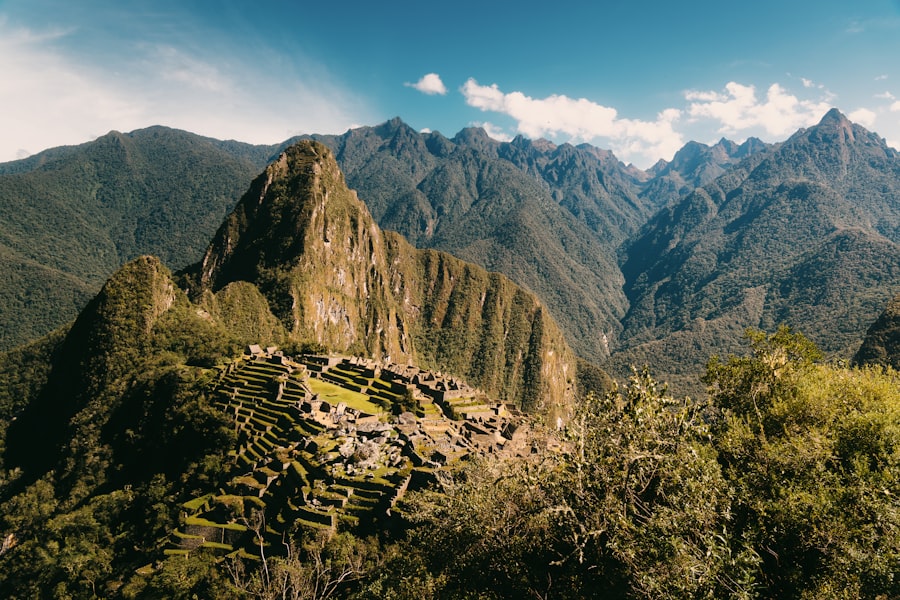
The enduring efficacy of Inca terrace drainage systems is a testament to the sophisticated construction techniques and judicious selection of materials employed by their builders.
Stone Quarrying and Manipulation
The Inca were master stonemasons. The stones used for revetments, channels, and other drainage components were meticulously quarried and shaped. Evidence suggests the use of various techniques, including hammering, chiseling, and abrasive grinding, to achieve remarkably precise fits. The ability to shape and transport colossal stones, sometimes weighing many tons, without the aid of wheeled vehicles or advanced machinery, remains an astonishing feat.
Dry Masonry and Seismic Stability
As previously mentioned, the prevalence of dry masonry was a key characteristic. This technique, where stones are fitted so tightly that a knife blade cannot be inserted between them, provided both strength and a degree of flexibility. In a seismically active region like the Andes, this inherent flexibility was a crucial design element, allowing the structures to move slightly during earthquakes without collapsing, thus maintaining the integrity of the drainage network.
Soil Engineering and Stratification
Beyond stone, the Inca displayed an impressive understanding of soil mechanics. The placement of different soil and aggregate layers within the terraces was not arbitrary but governed by their distinct properties regarding water retention and permeability.
Sourcing and Preparing Materials
The diverse materials – topsoil, gravel, sand, and clay – were often sourced from various locations and carefully selected. The process of preparing these materials, including clearing rocks, breaking up clods, and sometimes mixing different soil types, would have been labor-intensive but essential for establishing optimal growing conditions and functional drainage. The quality of the topsoil, often a rich, dark loam, indicates a deep understanding of its agricultural value.
Labor Organization and Project Management
The construction of extensive terrace systems with integrated drainage required immense coordination and a highly organized labor force. The Inca state, through its mit’a system of labor tribute, could mobilize vast numbers of workers for public works projects. This organizational capacity was fundamental to undertaking engineering projects on such a grand scale.
Surveying and Design
Before construction began, the Inca engineers undertook extensive surveying of the terrain. They meticulously assessed slopes, soil conditions, water sources, and potential runoff patterns. This preliminary work, likely involving advanced observation and calculation techniques, informed the optimal layout and design of the terraces and their associated drainage systems, demonstrating a sophisticated planning capability.
The engineering marvels of the Inca terrace drainage systems have long fascinated historians and engineers alike, showcasing the advanced agricultural techniques employed by the Inca civilization. For those interested in exploring this topic further, a related article provides an in-depth analysis of these ancient systems and their impact on sustainable farming practices. You can read more about it in this insightful piece on Inca agricultural engineering, which highlights the innovative methods used to manage water resources in the Andean highlands.
Legacy and Modern Implications
| Metric | Description | Value/Specification | Unit |
|---|---|---|---|
| Terrace Slope Gradient | Incline angle of terraces to facilitate drainage | 2-5 | Degrees |
| Drainage Channel Width | Width of stone-lined drainage channels between terraces | 0.3-0.5 | meters |
| Drainage Channel Depth | Depth of drainage channels to carry runoff water | 0.4-0.6 | meters |
| Permeable Soil Layer Thickness | Thickness of gravel and sand layers for water infiltration | 0.5-1.0 | meters |
| Runoff Water Velocity | Speed of water flow through drainage channels | 0.5-1.2 | meters/second |
| Terrace Wall Height | Height of retaining walls supporting terraces | 1.0-2.0 | meters |
| Water Retention Capacity | Volume of water retained in terrace soil layers | 150-300 | liters per square meter |
| Drainage System Efficiency | Effectiveness in preventing soil erosion and waterlogging | 85-95 | Percent |
The drainage systems of Inca terraces represent a powerful legacy of sustainable land management and hydraulic engineering. Their continued functionality centuries after their construction highlights their remarkable durability and efficiency.
Resilience and Sustainability
The principles employed by Inca engineers—minimizing erosion, conserving water, and adapting to natural topography—are highly relevant to modern agricultural and land management challenges. The resilience of these systems, their ability to withstand the test of time and changing climatic conditions, offers invaluable lessons for sustainable development in vulnerable ecosystems.
Microclimate Modification
Beyond drainage, the terraces also created localized microclimates. The stone walls absorbed solar radiation during the day and radiated it at night, mitigating frost and extending the growing season for temperature-sensitive crops. The careful management of water played a role in amplifying these effects, as moisture could influence temperature buffering.
Inspiration for Contemporary Engineering
Contemporary engineers and agronomists continue to study Inca terraces, drawing inspiration for modern solutions to soil degradation, water scarcity, and food security. The ingenious integration of form and function, where every component serves multiple purposes, is a hallmark of truly elegant engineering.
Application in Arid and Mountainous Regions
The lessons from Inca drainage systems are particularly applicable in arid or semi-arid mountainous regions globally, where population pressures and climate change are exacerbating water management issues. Implementing similar terracing and strategic drainage techniques could contribute significantly to stabilizing slopes, increasing agricultural yields, and fostering resilience in such environments.
The Inca mastery of water management, exemplified by their intricate terrace drainage systems, stands as a testament to their profound empirical knowledge and innovative spirit. Far from being mere agricultural plots, these terraces were complex hydrological machines, artfully designed to harness the power of water while simultaneously protecting the invaluable topsoil and supporting a thriving civilization. Their enduring functionality serves as a powerful reminder of the ingenuity inherent in human adaptation and the sustainable practices that can be achieved when engineers work in harmony with the natural environment.
WATCH NOW ▶️ WARNING: The Giza Muon Scans Just Changed Everything
FAQs
What materials were commonly used in Inca terrace drainage systems engineering?
The Incas primarily used stone, gravel, sand, and soil in their terrace drainage systems. They carefully layered these materials to ensure proper water filtration and prevent erosion.
How did Inca terrace drainage systems prevent soil erosion?
Inca engineers designed terraces with stone retaining walls and incorporated drainage channels that directed excess water away from the soil. This system minimized runoff and stabilized the terraces, preventing soil erosion.
What role did drainage systems play in Inca agriculture?
Drainage systems were crucial for maintaining optimal soil moisture levels, preventing waterlogging, and ensuring the health of crops. They allowed the Incas to cultivate steep mountainous terrain effectively.
How were Inca terrace drainage systems constructed to handle heavy rainfall?
The Incas built multiple layers of drainage, including porous stone bases and underground channels, to quickly divert heavy rainfall away from the terraces. This multi-tiered approach reduced the risk of landslides and terrace collapse.
Are Inca terrace drainage systems still functional today?
Yes, many Inca terrace drainage systems remain functional and are studied for their advanced engineering. Their durability and effectiveness continue to inspire modern sustainable agricultural practices.