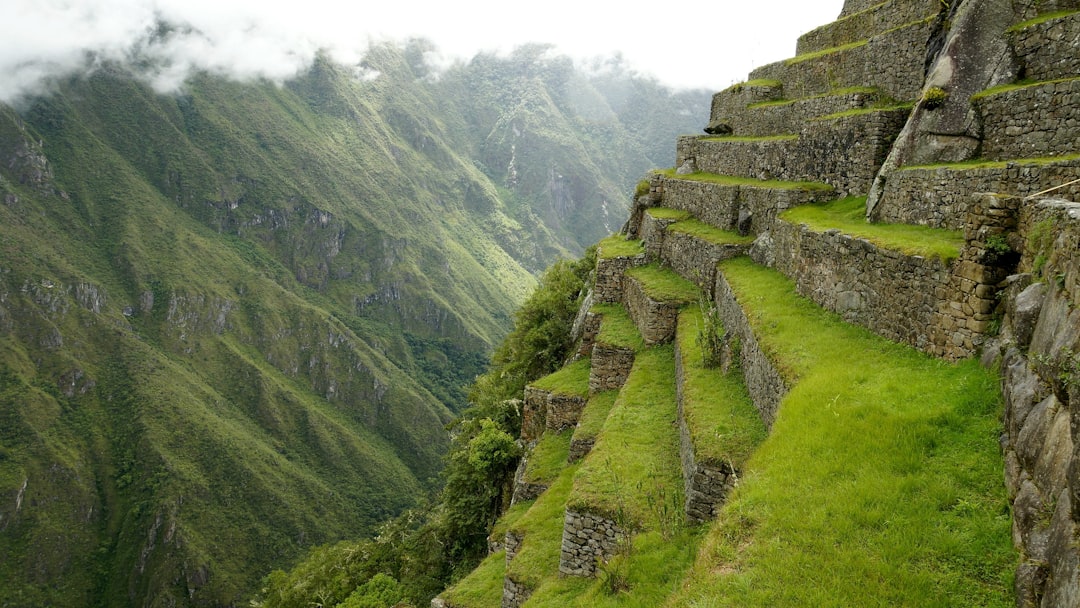
The Andes Mountains, a formidable spine stretching across South America, cradle a history of ingenuity that continues to astound. For millennia, ancient Peruvian civilizations, most notably the Incas, but also preceding cultures like the Moche and Nazca, carved their existence from this challenging terrain, leaving behind a legacy of engineering marvels that speak volumes about their advanced understanding of architecture, hydraulics, astronomy, and resource management. These weren’t mere structures; they were sophisticated systems designed to endure, to harness natural forces, and to foster a civilization that thrived against the odds.
The Inca Empire, at its zenith, was a testament to organized labor and ambitious construction. Their vast network of roads, administrative centers, and agricultural terraces not only facilitated the movement of armies and goods but also demonstrated an unparalleled ability to adapt to and reshape the mountainous landscape. The sheer scale of their projects, undertaken without the benefit of the wheel for transport or iron tools, is a source of enduring fascination.
The Inca Road System: Qhapaq Ñan
Perhaps the most iconic engineering achievement of the Incas is the Qhapaq Ñan, or the Royal Road. This sprawling network, stretching over 25,000 miles across diverse terrains, from the arid coast to the frigid highlands and dense jungle, was the circulatory system of the empire. Its construction was a monumental undertaking, requiring meticulous planning and execution.
Adaptability and Durability
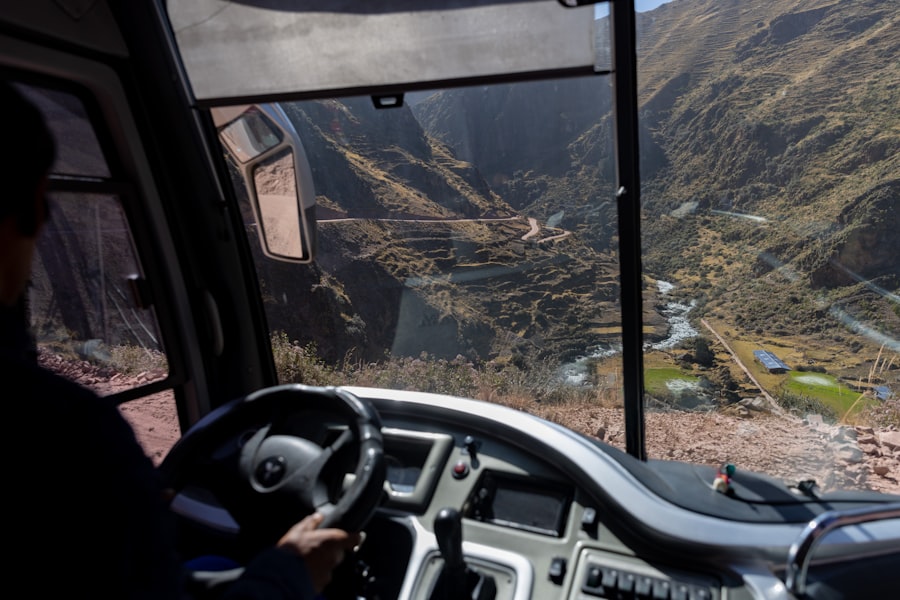
The roads were not simply cleared paths. They were expertly engineered to suit the local topography. In flatter areas, they were wide and paved with stones. In mountainous regions, they ascended steep slopes via intricate staircases and switchbacks, often carved directly into the rock face. To cross valleys and rivers, the Incas constructed impressive suspension bridges made from strong fibers, some spanning hundreds of feet. These bridges, maintained by dedicated teams, were vital arteries that connected remote communities and allowed for rapid troop deployment and efficient communication via a relay system of runners called chasquis. The durability of these roads, with many sections still visible and walkable today, is a testament to the quality of their construction and the careful selection of materials. The engineers understood the importance of drainage, incorporating channels to prevent erosion and ensure the longevity of the pathways.
Strategic Importance and Communication
The Qhapaq Ñan was more than just a transport system; it was a tool of imperial control and cultural integration. It allowed the Inca rulers in Cusco to communicate with and administer their vast empire effectively. The presence of tambos, or roadside inns, provided rest stops and supply depots for travelers, reinforcing the empire’s logistical capabilities. The rapid dissemination of information through the chasqui system allowed for swift responses to threats and facilitated the governance of a diverse population spread across a challenging geography.
Inca Architecture: Precision and Resilience
The architectural prowess of the Incas is perhaps most vividly displayed in their cities and fortresses. Structures like Machu Picchu, Sacsayhuamán, and Ollantaytambo are renowned for their colossal stone construction and their harmonious integration with the natural environment.
Ashlar Masonry: The Art of Stone Fitting
The hallmark of Inca masonry is its incredible precision. They developed a technique known as ashlar masonry, where massive stones were quarried, cut, and fitted together without the use of mortar. The stones were so expertly shaped and polished that it is often impossible to insert a knife blade between them. This remarkable feat was achieved through laborious grinding and shaping with harder stones and sand. The trapezoidal shape of their doorways and windows, a common feature, provided structural stability, particularly in this earthquake-prone region.
Earthquake-Resistant Design
The Incas had a profound understanding of seismic activity and incorporated earthquake-resistant features into their architecture. The precisely cut stones, the inward-leaning walls, and the slightly outward-sloping foundations contributed to the stability of their structures. In the event of an earthquake, the stones would shift but not necessarily collapse, allowing the buildings to settle back into place once the tremors subsided. This passive resistance to seismic forces is a testament to their observational skills and their practical engineering solutions.
Integration with the Landscape
Inca architecture rarely imposed itself on the landscape; rather, it was woven into it. Cities like Machu Picchu are strategically situated on mountain ridges, utilizing the natural topography for defense and aesthetic appeal. Buildings were often constructed directly onto bedrock, ensuring a solid foundation. This deep respect for and integration with the natural environment not only provided practical advantages but also created a breathtaking synergy between human construction and the grandeur of the Andes.
Ancient Peru is renowned for its remarkable engineering feats, particularly in the construction of intricate agricultural terraces and impressive stone structures that have withstood the test of time. For those interested in exploring the broader implications of historical decisions on modern society, a related article discusses the impact of Executive Order 6102, which mandated the confiscation of gold in the United States. This article can be found at The Impact of Executive Order 6102: Gold Confiscation.
Hydraulic Ingenuity: Harnessing Water for Life
The arid coastal regions and the uneven terrain of the Andes presented significant challenges for agriculture. Ancient Peruvian civilizations, particularly the Moche and later the Incas, developed sophisticated hydraulic systems to channel, store, and distribute water, transforming barren lands into fertile oases and sustaining large populations.
Moche Irrigation: Masters of the Desert Coast
The Moche civilization, flourishing on the northern coast of Peru between the 1st and 8th centuries CE, were pioneers in large-scale irrigation. Their ability to sustain a complex society in a desert environment is directly attributable to their mastery of water management.
Extensive Canal Networks
The Moche constructed an extensive network of canals, dams, and reservoirs to divert water from rivers like the Moche and Chicama inland. These canals, some several miles long and remarkably straight, were often lined with stones or packed earth to minimize water loss through seepage. The engineering required to maintain consistent gradients and a steady flow of water over considerable distances, often through sandy soils, was extraordinary.
Raised Fields and Water Management
Beyond mere canals, the Moche also employed innovative agricultural techniques. They constructed waru waru, or raised fields, in areas prone to flooding. These fields, elevated mounds of earth surrounded by water-filled channels, served a dual purpose: they provided fertile planting surfaces and the surrounding water regulated soil temperature, protecting crops from both frost and excessive heat. This sophisticated system demonstrates a deep understanding of microclimates and water’s role in agriculture.
Inca Water Management: Systems for Sustenance
The Incas inherited and expanded upon the hydraulic knowledge of their predecessors, applying it on an even grander scale. Their water systems were critical for both agriculture and urban centers.
Aqueducts and Cisterns
Inca cities were supported by impressive aqueducts, often carrying water for miles from mountain springs to urban settlements. These aqueducts, constructed from stone and mortar, were designed with precise gradients to ensure a constant flow of water. They also built numerous cisterns and reservoirs to store water for dry periods and for distribution to various agricultural terraces. The maintenance of these systems, often in remote and difficult-to-access locations, required a well-organized labor force and ongoing technical expertise.
Agricultural Terraces: The Andean Step
The ubiquitous agricultural terraces, known as andenes, are a prime example of Inca hydraulic engineering. These stepped platforms, carved into the steep mountainsides, served multiple purposes. They created arable land where none existed, prevented soil erosion by slowing down water runoff, and acted as natural reservoirs, retaining moisture for the crops. The intricate network of channels and drainage systems within and between the terraces ensured that each level received adequate water without becoming waterlogged or arid. The precision with which these terraces were constructed, following the contours of the land and incorporating effective drainage, is a testament to their understanding of soil mechanics and hydrology.
Architectural Integration with Astronomy
Many ancient Peruvian sites exhibit a profound connection between their architectural designs and astronomical observations. This integration suggests a worldview where the celestial realm played a significant role in daily life, ritual, and the structuring of their societies.
Ancient Peru is renowned for its remarkable engineering feats, particularly in the construction of intricate irrigation systems and impressive architectural structures such as Machu Picchu. These innovations not only demonstrate the advanced understanding of engineering principles by the Inca civilization but also highlight their ability to adapt to the challenging Andean environment. For a deeper exploration of how ancient societies, including those in Peru, have faced various challenges throughout history, you can read more in this insightful article about fragile states and their global implications at fragile states.
The Sun’s Influence: Observatories and Temples
The Inca, in particular, revered the sun god, Inti, and their architecture often reflected this devotion. Precise alignments with celestial bodies were common, allowing for the marking of solstices, equinoxes, and other important astronomical events.
Intihuatana Stones: Connecting Earth and Sky
The Intihuatana stones, or “hitching posts of the sun,” are enigmatic carved pillars found at several Inca sites, most famously at Machu Picchu. These stones are precisely angled to cast shadows that align with solstices and equinoxes

The Walls That Shouldn’t Still Be Standing
FAQs
What are some examples of ancient engineering in Peru?
Some examples of ancient engineering in Peru include the construction of the Inca road system, the impressive stone architecture of Machu Picchu, and the intricate irrigation systems built by the Nazca civilization.
How did ancient Peruvians construct their impressive stone structures?
Ancient Peruvians used a technique called “ashlar” to construct their stone structures. This involved cutting and fitting stones together without the use of mortar, creating incredibly precise and durable buildings.
What is the significance of the Inca road system?
The Inca road system, known as Qhapaq Ñan, was an extensive network of roads and trails that connected the Inca Empire. It facilitated communication, trade, and the movement of troops throughout the empire.
What role did irrigation systems play in ancient Peruvian engineering?
Irrigation systems were crucial to the success of ancient Peruvian agriculture. The Nazca civilization, for example, built intricate underground aqueducts and canals to bring water to their crops in the arid desert environment.
How did ancient Peruvians demonstrate advanced knowledge of acoustics and earthquake resistance in their engineering?
Ancient Peruvians demonstrated advanced knowledge of acoustics and earthquake resistance in their engineering by incorporating features such as trapezoidal doorways and finely crafted stone walls that could withstand seismic activity. Additionally, some structures were designed to amplify sound for ceremonial purposes.