
During the height of the Cold War, Greenland, the world’s largest island and a sparsely populated Danish territory, became a crucial strategic linchpin in the escalating geopolitical struggle between the United States and the Soviet Union. The vast, frozen landscape, once considered a remote and inhospitable frontier, was transformed into a hub of intense engineering activity. Driven by the imperative of surveillance, communication, and the potential for military deployment, a series of ambitious and often audacious engineering projects were conceived and executed, pushing the boundaries of what was thought possible in an Arctic environment. These endeavors, born from the anxieties of nuclear warfare and the desire for technological superiority, left an indelible mark on Greenland’s geography and its people.
Thule Air Base: A Strategic Bastion in the Arctic
The most prominent and far-reaching engineering undertaking in Cold War Greenland was the establishment and expansion of Thule Air Base. Initially conceived as a forward operating base during World War II, its true strategic significance materialized with the advent of the Cold War. The sheer scale of the construction, coupled with the unforgiving Arctic climate, presented immense challenges that required groundbreaking engineering solutions.
The Genesis of a Trans-Arctic Command Post
The rationale behind Thule’s expansion was rooted in the emerging doctrine of early warning and deterrence. With the development of intercontinental ballistic missiles (ICBMs) by the Soviet Union, the United States recognized the need for a sophisticated radar network that could detect incoming threats from the north. Greenland’s location, directly in the path of potential Soviet missile trajectories, made it an ideal, albeit challenging, site for such a system. The initial construction phases were monumental, involving the transportation of vast quantities of materials, equipment, and personnel to a location largely devoid of infrastructure.
Site Selection and Initial Infrastructure
The selection of the Thule site was critical. It offered a relatively stable ice-free harbor during the summer months, facilitating the crucial resupply operations. However, the permafrost presented a significant engineering hurdle. Buildings, runways, and even pipelines had to be designed to withstand the seasonal thawing and freezing cycles, a process that could buckle and destroy conventional structures. This necessitated the development of specialized foundation techniques, often involving elevated platforms or the use of insulation to maintain the ground’s frozen state. The sheer volume of concrete poured, steel erected, and roads carved into the frozen terrain was unprecedented for the region.
The BMEWS Network: Eyes in the Arctic Sky
The centerpiece of Thule’s strategic importance was its role in the Ballistic Missile Early Warning System (BMEWS). This network of massive radar installations was designed to provide precious minutes of warning in the event of a Soviet ICBM launch. The radar antennas themselves were engineering marvels, colossal structures that had to be precisely aligned and capable of operating in extreme cold and high winds. Their construction required specialized cranes and welding techniques adapted for sub-zero temperatures, where metal becomes brittle. The sheer power output of these radars, while essential for detection, also raised concerns about potential environmental impacts, a nascent awareness that would grow in later years.
The Challenges of Arctic Construction
Building and maintaining a sophisticated military installation in Greenland’s Arctic environment was an unparalleled engineering feat. The logistical complexities alone were staggering, requiring continuous airlift and sealift operations to ferry supplies and personnel through a narrow operational window each year.
Permafrost Engineering: A Constant Battle
The ubiquitous permafrost was the most significant and persistent engineering challenge. Understanding its behavior, its susceptibility to thawing, and its load-bearing capacity was paramount. Engineers developed innovative methods to mitigate its impact, including the use of gravel pads to insulate foundations, ventilated crawl spaces, and specialized pilings driven deep into the frozen ground. The constant monitoring and maintenance of these structures were essential to prevent catastrophic failures. The sheer weight of the radar installations and other heavy equipment also posed a risk of thermal degradation of the permafrost beneath, requiring careful load distribution and insulation strategies.
Extreme Weather Conditions: A Test of Resilience
Greenland’s climate is characterized by brutal cold, fierce winds, and limited daylight during much of the year. These conditions severely hampered construction efforts, extending timelines and increasing costs. Workers toiled in temperatures that often plunged well below -40 degrees Celsius, facing the constant threat of frostbite and hypothermia. Equipment malfunctioned frequently due to the extreme cold, requiring specialized lubricants and heating systems. The limited hours of daylight in winter meant that construction often had to proceed under artificial lighting, adding another layer of complexity. The design of buildings and infrastructure also had to account for the immense snow loads and the destructive power of Arctic blizzards.
During the Cold War, Greenland became a strategic location for various engineering projects aimed at bolstering military capabilities and surveillance in the Arctic region. One notable initiative was the establishment of Thule Air Base, which served as a critical site for early warning radar systems and missile defense. For a deeper understanding of how national security measures, such as the Defense Production Act, can influence property seizure and military projects, you can read more in this related article: Defense Production Act: Property Seizure in National Emergency.
Project Iceworm: The Subterranean Dream of a Nuclear Bunker
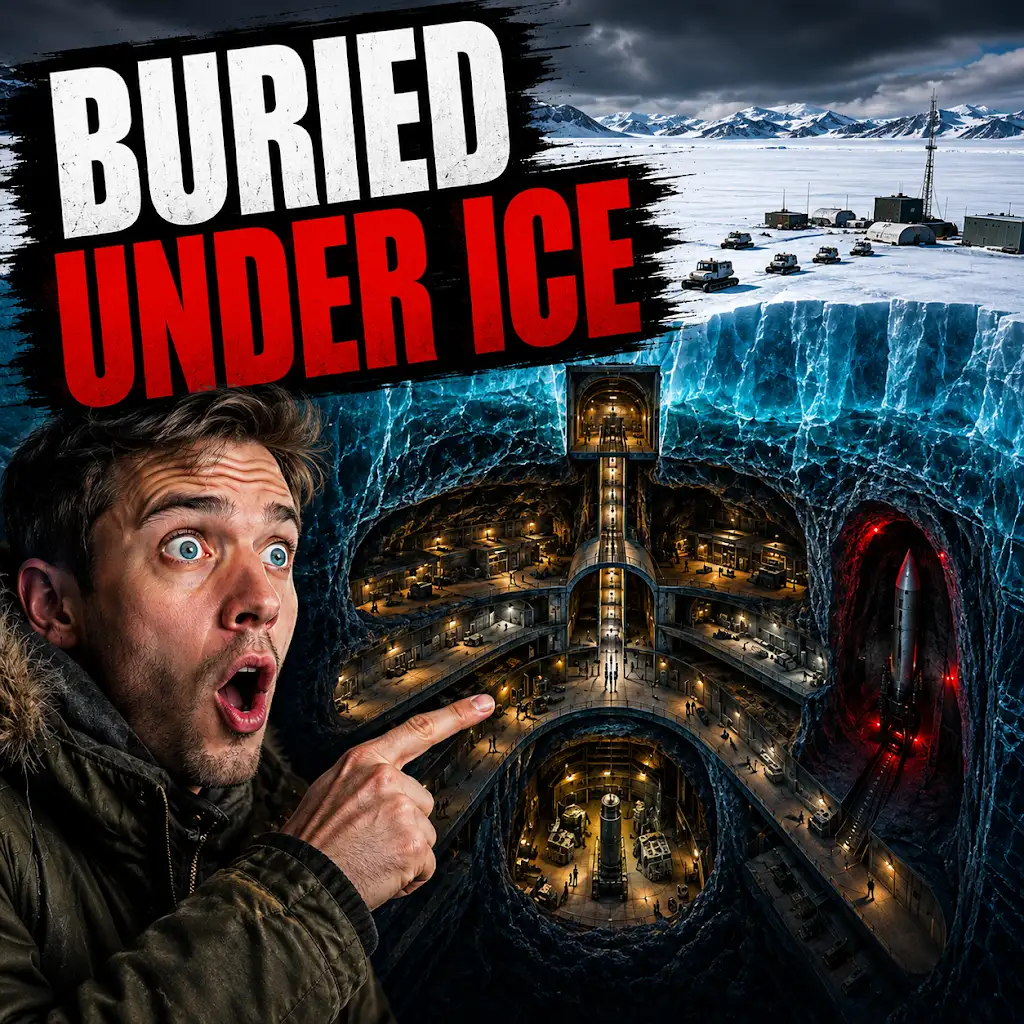
Beyond the visible radar installations, a more audacious and ultimately abandoned engineering project lurked beneath the surface of Greenland’s ice sheet: Project Iceworm. This ambitious, and some would say, audacious, plan envisioned a vast network of underground missile launch facilities and living quarters, all carved into the stable ice.
The Vision of a Hidden Fortress
The driving force behind Project Iceworm was the desire for an invulnerable nuclear deterrent. By situating missile silos and support facilities deep within the ice sheet, the United States aimed to create a launch platform that would be nearly impossible for the Soviets to detect or destroy. The concept was to utilize the inherent stability and insulating properties of the ice itself.
Subsurface Engineering Challenges
The engineering challenges of Project Iceworm were unlike anything previously attempted. It involved the excavation of miles of tunnels and chambers within the solid ice. This required specialized boring machinery capable of operating in sub-zero temperatures and the constant management of ice melt and refreezing. The stability of the ice tunnels was a major concern; the immense pressures exerted by the overlying ice sheet could cause significant deformation. Engineers had to design and maintain structures that could withstand these pressures while also providing a habitable environment.
The Mobile Launchers: A Futuristic Concept
A key element of Project Iceworm was the concept of mobile missile launchers. These would be housed within the ice tunnels and capable of moving to different launch positions, further enhancing their survivability. The development of vehicles and railway systems that could operate within these subterranean ice environments presented a significant engineering hurdle, requiring specialized designs to cope with the cold, the confined spaces, and the potential for ice accumulation. The ambition of the project was so great that it envisioned a self-sustaining city within the ice, complete with power generation, waste disposal, and living quarters, all designed to operate independently for extended periods.
The Unforeseen Complications and Eventual Abandonment
Despite the immense engineering effort and the vision behind Project Iceworm, the project was ultimately doomed by the very element it sought to exploit: the dynamic nature of the ice itself.
The Shifting Ice Sheet: A Dynamic Environment
While initially believed to be stable, the Greenland ice sheet proved to be far more dynamic than anticipated. The underlying bedrock and the gradual flow of the ice meant that the tunnels and structures were constantly subjected to subtle but significant shifts. These movements caused deformation of the tunnels, buckled structures, and made the maintenance of launch facilities incredibly difficult. The movement of the ice also meant that the precise location of the underground facilities could change over time, complicating targeting and resupply.
Environmental and Logistical Hurdles
The sheer logistical nightmare of constructing and maintaining a vast underground complex in the Arctic was also a major factor. The constant need for resupply, the disposal of waste, and the provision of power all presented significant challenges. Furthermore, as the project progressed, concerns began to mount about the potential environmental impact of such a large-scale operation within the pristine Arctic ecosystem. The eventual decision to abandon Project Iceworm, though a testament to the ingenuity of its initial conception, also underscored the inherent unpredictability of large-scale engineering in such extreme and sensitive environments.
Communications and Surveillance: Extending the Global Reach
Beyond the direct military applications, Cold War Greenland was also a vital node in the global network of communications and surveillance. Numerous radar installations and communication facilities were established, designed to monitor Soviet activities and maintain a vital link between North America and Europe.
The DEW Line and Its Greenlandic Extensions
The Distant Early Warning (DEW) Line was a crucial chain of radar stations stretching across the Arctic, designed to detect Soviet aircraft and submarines. Greenland played a significant role in extending and supporting this vital network.
Radar Installations and Monitoring Stations
Several radar installations were established on Greenland’s coastlines, providing coverage of the Arctic Ocean and the approaches to North America. These were often smaller, more dispersed than the BMEWS radars at Thule, but equally critical for continuous surveillance. The engineering involved in their construction often mirrored the challenges faced at Thule, with an emphasis on robust design and reliable power sources in extreme cold. The selection of sites often involved remote and inaccessible locations, requiring innovative methods for transportation and construction.
Satellite Ground Stations and Communication Relays
As the Cold War progressed and satellite technology advanced, Greenland became an important location for ground stations and communication relays. These facilities were essential for receiving data from reconnaissance satellites and for maintaining secure communication links with distant military assets. The engineering here involved the precise alignment of large satellite dishes and the construction of robust, weather-resistant facilities to house sensitive electronic equipment. The reliability of these communication links was paramount, and engineers had to design systems that could withstand the harsh Arctic environment and potential interference.
The Role of Greenland in Project White Cloud
Project White Cloud was a clandestine operation that aimed to intercept Soviet communications using specially equipped aircraft operating from Greenland. While not a construction project in the traditional sense, it relied on the engineering and logistical support of established bases.
Airfield Infrastructure and Support Facilities
The operational success of Project White Cloud depended on well-maintained airfields and extensive support facilities in Greenland. This included the provision of hangars, fuel depots, and maintenance workshops capable of supporting specialized aircraft. The engineering of these facilities had to be robust enough to handle the operational tempo and the demands of military aviation in an Arctic environment. The constant cycle of aircraft deployment and recovery required efficient logistical support, which in turn demanded well-engineered infrastructure.
Navigational Aids and Weather Monitoring
Accurate navigation and weather forecasting were critical for the success of these long-range reconnaissance missions. This led to the establishment of navigational beacons and advanced weather monitoring stations across Greenland. The engineering of these systems involved the deployment of sophisticated electronic equipment and the construction of durable infrastructure to house them, often in remote and challenging locations. The reliability of these systems was crucial for the safety of the aircrews and the success of the missions.
The Legacy of Cold War Engineering: Environmental and Social Impacts
The ambitious engineering projects of the Cold War era in Greenland left a lasting legacy, not only in terms of strategic capabilities but also in their profound environmental and social impacts.
Environmental Challenges: A Scar on the Arctic Landscape
The construction and operation of these extensive military facilities had significant environmental consequences, many of which are still being addressed today.
Radioactive Contamination and Waste Management
The presence of nuclear-capable forces at Thule Air Base, particularly during the period of Strategic Air Command operations, raised concerns about radioactive contamination. While major incidents were avoided, the potential for accidental releases and the long-term storage of radioactive waste remained a persistent issue. The engineering challenges associated with safely managing and storing this hazardous material in a fragile Arctic environment have been significant. Furthermore, the cleanup of legacy sites from abandoned projects, including Project Iceworm, presents ongoing environmental remediation challenges.
Habitat Disruption and Resource Extraction
The sheer scale of construction, including the clearing of land for airfields, roads, and facilities, inevitably led to habitat disruption for Arctic wildlife. The extraction of gravel and other construction materials also impacted local ecosystems. The long-term effects of this habitat fragmentation and alteration continue to be studied. The presence of large military installations also led to increased human activity and resource consumption in areas that were previously largely untouched, creating new pressures on the delicate Arctic environment.
Social and Cultural Transformations: A Changing Greenland
The arrival of thousands of military personnel and civilian contractors had a profound and often disruptive impact on Greenland’s indigenous population and its traditional way of life.
Economic Dependence and Social Disruption
The establishment of large military bases brought new economic opportunities, but it also led to a degree of economic dependence on the United States. This disrupted traditional livelihoods and led to social changes, including shifts in population distribution and cultural practices. The influx of foreign personnel also introduced new social dynamics and sometimes friction with the local population. The construction projects, while creating jobs, often employed foreign labor, limiting the direct economic benefits for many Greenlandic communities.
The Question of Sovereignty and Self-Determination
The presence of significant foreign military installations on Danish territory, effectively controlled by the United States, raised complex questions about Greenland’s sovereignty and its right to self-determination. While Greenland had limited autonomy during this period, the sheer scale of the US military presence underscored its strategic importance and the complexities of its political status. The legacy of these projects continues to inform ongoing discussions about Greenland’s future and its relationship with both Denmark and the wider world.
During the Cold War, Greenland became a focal point for various engineering projects aimed at bolstering military presence and surveillance capabilities in the Arctic region. These initiatives included the construction of radar stations and airbases, which were crucial for monitoring Soviet activities. For those interested in exploring the technological advancements and historical significance of such projects, a related article discusses the unearthing of ancient control technology that sheds light on the evolution of engineering practices. You can read more about it in this insightful piece here.
The Unfinished Chapters: Modern Challenges and Lessons Learned
The engineering projects of the Cold War in Greenland, while largely a relic of a bygone era, continue to influence the present and offer valuable lessons for future endeavors in the Arctic.
The Enduring Presence and Ongoing Management
Despite the end of the Cold War, Thule Air Base remains an active and vital facility for the United States and its allies, a testament to the enduring strategic importance of Greenland. Its continued operation necessitates ongoing engineering efforts to maintain and modernize its infrastructure while addressing the unique challenges of the Arctic environment.
Modernization and Environmental Stewardship
Contemporary engineering at Thule focuses on modernization, improving efficiency, and increasingly, on environmental stewardship. Efforts are underway to reduce the environmental footprint of the base, manage waste responsibly, and address legacy environmental issues. The engineering challenges now involve integrating renewable energy sources, developing advanced waste treatment technologies, and implementing stricter environmental monitoring protocols. The lessons learned from past mistakes are driving a more responsible approach to infrastructure development in this sensitive region.
The Ongoing Importance of Arctic Engineering
The engineering projects of the Cold War in Greenland, though born of conflict, inadvertently pushed the boundaries of what was possible in extreme environments. They provided invaluable experience in permafrost engineering, low-temperature construction, and remote logistics. These lessons remain relevant today as the Arctic faces new challenges and opportunities, from climate change research to resource development and increased maritime traffic. The ingenuity displayed during this intense period serves as both a cautionary tale and an inspiration for the future of Arctic engineering. The infrastructure and knowledge gained, even from ambitious and sometimes flawed projects, continue to inform our understanding of how to build and operate in one of the planet’s most demanding frontiers.
The U.S. Built a Nuclear City Under Greenland. The Ice Won.
FAQs
What were some of the Cold War engineering projects in Greenland?
Some of the Cold War engineering projects in Greenland included the construction of military bases, radar stations, and early warning systems. These projects were aimed at monitoring and defending against potential threats from the Soviet Union.
Why was Greenland chosen for these engineering projects?
Greenland was strategically important during the Cold War due to its proximity to the Soviet Union. Its location allowed for the monitoring of potential Soviet military activity and provided a strategic advantage for the United States and its allies.
How did these engineering projects impact Greenland’s environment and indigenous population?
The engineering projects in Greenland had significant impacts on the environment and indigenous population. Construction and military activities led to pollution, disruption of traditional hunting and fishing grounds, and changes in local ecosystems. Additionally, the presence of military bases and personnel had social and cultural implications for the indigenous population.
What is the legacy of these Cold War engineering projects in Greenland?
The legacy of these engineering projects in Greenland includes environmental contamination, cultural and social changes for the indigenous population, and ongoing geopolitical implications. Many of the military installations and infrastructure built during the Cold War continue to have a presence in Greenland today.
How are these engineering projects remembered and commemorated in Greenland?
In Greenland, the Cold War engineering projects are remembered through various means, including historical documentation, museums, and efforts to address the environmental and social impacts. There are ongoing discussions and initiatives aimed at preserving the history of these projects while also addressing their long-term effects on the region.