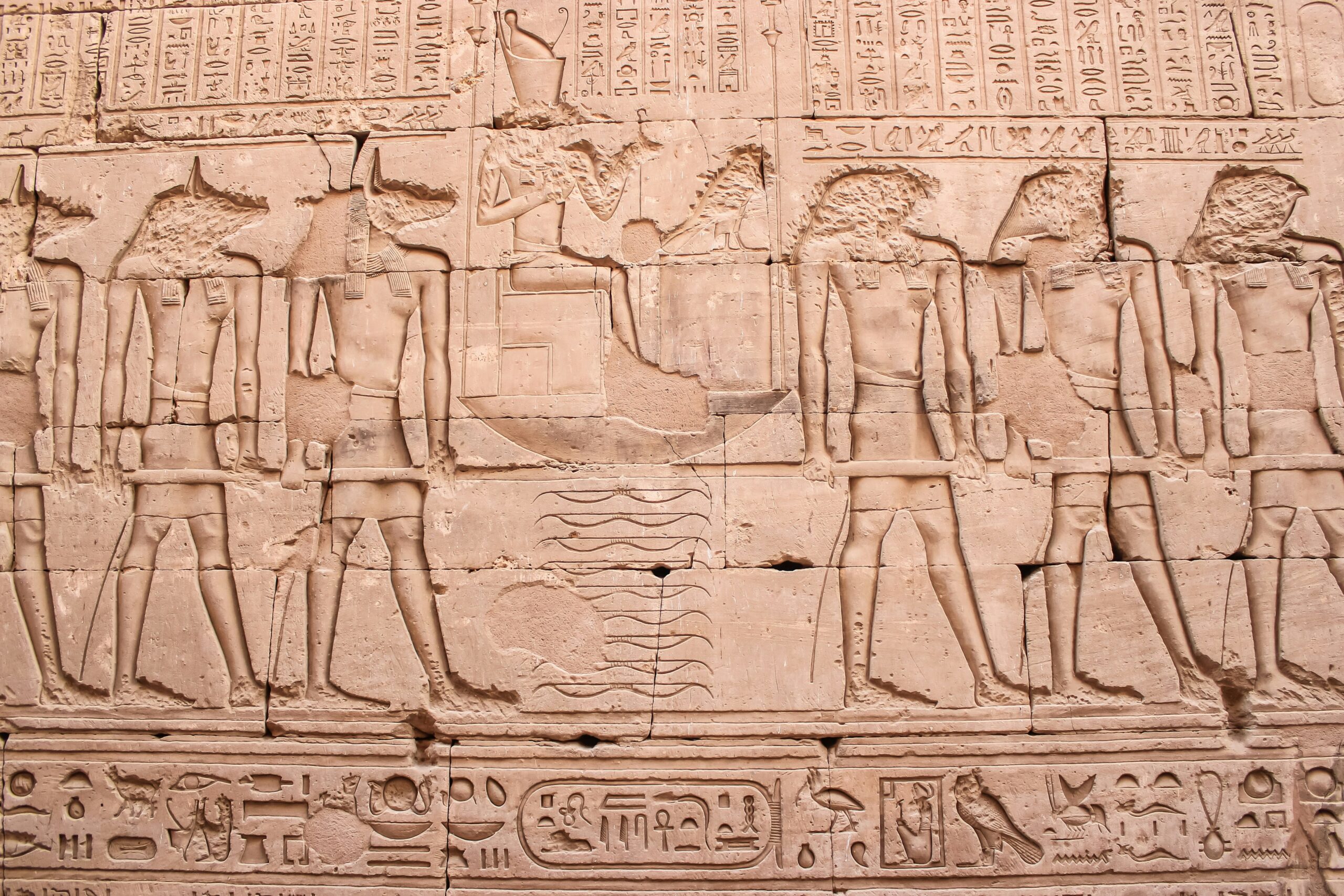
The dust of millennia cannot fully conceal the ingenuity of our ancestors. Long before the advent of modern machinery and sophisticated computational tools, ancient civilizations across the globe conceived and constructed marvels that continue to inspire awe and bewilderment. These were not mere accidents of design or fortunate collapses; they were the product of keen observation, practical problem-solving, and a deep understanding of materials and forces. The engineering wonders of ancient civilizations stand as testaments to human ambition, resourcefulness, and a remarkable capacity for foresight, shaping landscapes, facilitating trade, and leaving behind a legacy etched in stone, water, and earth.
The control and utilization of water were paramount for the survival and prosperity of many early societies. From arid deserts to fertile river valleys, ancient engineers developed sophisticated systems to manage this vital resource, demonstrating an astonishing grasp of hydraulics and hydrological principles. These systems were not only for survival but also for supporting burgeoning populations, enabling agricultural surplus, and fostering the growth of complex civilizations.
Irrigation Systems that Fed Empires
The development of irrigation was a cornerstone of agricultural advancement in antiquity. Without effective water management, vast regions would have remained unproductive, severely limiting population growth and the development of organized societies. Ancient civilizations learned to channel rivers, tap underground springs, and construct elaborate networks to deliver water precisely where and when it was needed.
The Nile’s Blessing: Egypt’s Agricultural Engine
Ancient Egypt, cradled by the life-giving Nile River, provides a compelling example of sophisticated water management. The annual flooding of the Nile, while a powerful force, was also predictable. Egyptian engineers didn’t just harness the floodwaters; they learned to manage them. They constructed basins and canals to capture and retain water during the inundation, releasing it gradually for irrigation during the dry season. The construction of levees and dykes was crucial in controlling the floodwaters, preventing damage to settlements and fields while ensuring optimal water distribution. Shadufs, simple lever-based devices, were employed to lift water from the river or canals to higher ground for irrigation, a testament to their practical engineering solutions. The longevity and success of Egyptian civilization were intrinsically linked to their ability to transform a potentially destructive force into a consistent agricultural engine. The sheer scale of these earthworks, carried out with rudimentary tools, is a testament to their organizational prowess and understanding of the river’s dynamics.
Mesopotamian Canals: The Cradle of Civilization’s Lifeline
In Mesopotamia, the land between the Tigris and Euphrates rivers, irrigation was not merely supplementary but essential due to the region’s arid climate. Sumerian, Babylonian, and Assyrian civilizations invested heavily in constructing vast networks of canals, some spanning considerable distances. These canals served multiple purposes: irrigating fields, facilitating transportation, and even providing water for urban centers. The complexity of these canal systems, with their intricate branching networks, spillways, and sluice gates for controlling water flow, indicates a deep understanding of engineering principles. Evidence suggests they employed sophisticated surveying techniques to ensure consistent gradients for water flow. The maintenance of these canals was a constant undertaking, requiring organized labor and a centralized authority, highlighting the socio-political integration driven by these engineering feats. The success of these Mesopotamian cultures, often at the forefront of human development, is directly attributable to their mastery of water.
The Anicut in India: Ancient Dams for Agriculture
The anicut, a type of dam or weir built across a river to divert water into irrigation channels, has a long history in India. The Grand Anicut on the Kaveri River, believed to have been constructed by the Chola dynasty around the 2nd century CE, is a remarkable example. This massive stone structure, still in use today, showcases advanced hydraulic engineering. It was designed not only to divert water for irrigation but also to regulate its flow, preventing excessive flooding while ensuring a steady supply. The precise engineering required to construct such a substantial stone structure in a flowing river, accounting for water pressure and erosion, is truly impressive. The longevity of the Grand Anicut, surviving for almost two millennia, speaks volumes about the quality of its design and construction. It enabled the flourishing of agriculture in the surrounding regions, supporting large populations and contributing to the economic prosperity of the Chola empire.
The Ingenuity of Aqueducts: Transporting Water Over Vast Distances
The ability to transport water from sources, often miles away, to urban centers or agricultural lands was a monumental engineering challenge. Ancient aqueducts, defying gravity and terrain, are among the most iconic and enduring symbols of ancient civilization.
Rome’s Lifeline: The Grandeur of Roman Aqueducts
The Roman Empire is perhaps most famous for its aqueduct systems, which supplied its cities with an abundance of clean water. These were not just functional marvels but also architectural masterpieces. While some aqueducts ran underground or at ground level, the most visually stunning were the elevated sections, supported by arches. These arch constructions, often built with immense precision and using high-quality mortar, allowed the aqueducts to cross valleys and uneven terrain while maintaining a consistent, gentle gradient essential for gravity-fed water flow. Engineers meticulously calculated the slope, ensuring a steady and controlled flow without excessive speed that could erode the channels or insufficient pressure. The Pont du Gard in France, a well-preserved 50-meter-high, three-tiered aqueduct, stands as a testament to the Romans’ ambition and engineering prowess. The construction involved quarrying, transporting, and precisely dressing massive stone blocks, a feat of logistics and skilled craftsmanship. The widespread network of Roman aqueducts not only provided sanitation and public health benefits to the sprawling cities but also symbolized Roman power and civilization.
The engineering feats of ancient civilizations continue to captivate modern scholars and enthusiasts alike, showcasing remarkable ingenuity in structures such as the pyramids of Egypt and the aqueducts of Rome. These achievements not only reflect the technological capabilities of their time but also provide insights into the societal values and priorities of these cultures. For those interested in exploring the broader implications of engineering and innovation, a fascinating article can be found at this link, which discusses the evolution of engineering in the context of space exploration.
The Subterranean Secrets of the Inca: The qhapaq ñan Irrigation Systems
The Inca Empire, known for its magnificent mountain architecture, also developed sophisticated water management systems that often employed subterranean channels and tunnels. The construction of these underground waterways within the challenging Andean terrain required exceptional surveying skills and an intimate understanding of geology. These systems often incorporated a series of meticulously designed stone-lined channels and reservoirs, ensuring clean and consistent water supply for their terraced agriculture and urban settlements. The genius of these systems lay in their ability to operate in harsh environments, minimizing water loss through evaporation and protecting the infrastructure from the elements. The meticulous fitting of stones, often without mortar, in the construction of these channels demonstrates a mastery of stonework and an understanding of structural integrity. These hidden waterways were crucial for the survival and expansion of the Inca civilization in their mountainous homeland.
Persian Qanats: Harnessing the Underground Flow
The qanat system, originating in Persia (modern-day Iran) and later adopted by many other arid regions, represents an ingenious method of tapping into groundwater. Qanats are a series of underground tunnels that tap into an aquifer and carry water to the surface by gravity. The construction of a qanat involves digging a vertical access shaft, followed by a horizontal tunnel dug at a slight downward slope towards the destination. The genius lies in the careful survey and excavation required to maintain the slight gradient over potentially miles of underground construction. The vertical shafts, spaced at intervals, served for ventilation, construction, and maintenance. This method allowed for the irrigation of arid lands without the need for energy-intensive pumping or surface canals susceptible to evaporation. The longevity and effectiveness of qanat systems, some still in use today, highlight their remarkable engineering and sustainability. They allowed for the establishment of settlements and agriculture in regions that would otherwise be uninhabitable.
The engineering feats of ancient civilizations have long fascinated historians and archaeologists, showcasing remarkable ingenuity in construction and design. For those interested in the intersection of technology and communication, a related article discusses modern advancements in securing communication lines in space, which can draw parallels to the strategic planning of ancient societies. You can read more about this topic in the article titled “Securing Cislunar Communication Lines: Best Practices” at this link.
Monuments to Eternity: Ancient Architecture and Construction
The enduring structures of the ancient world whisper tales of ambition, spiritual devotion, and an unwavering commitment to permanence. From towering pyramids to sprawling temples, these architectural marvels reveal a profound understanding of structural principles, material science, and the logistical challenges of large-scale construction.
The Pyramids: Engineering the Pharaohs’ Passage
The pyramids of Egypt, particularly the Great Pyramid of Giza, remain iconic symbols of ancient engineering. The sheer scale of these structures is staggering, comprising millions of precisely cut stone blocks, some weighing many tons.
Precision in Stone: The Great Pyramid of Giza
The construction of the Great Pyramid of Giza, built for Pharaoh Khufu, is a testament to meticulous planning and execution. The precision with which the massive limestone and granite blocks were quarried, transported, and assembled continues to baffle modern engineers. The four sides of the pyramid are aligned almost perfectly with the cardinal directions, requiring sophisticated astronomical observation and surveying skills. The internal chambers, such as the King’s Chamber, are feats of structural engineering, designed to bear the immense weight of the overlying stone. Theories abound regarding the methods used for lifting and positioning the blocks, including ramps, levers, and potentially water-based systems, all requiring immense coordination and labor. The sheer volume of material moved and assembled, without modern machinery, underscores the organizational capacity and ingenuity of the ancient Egyptians.
The Step Pyramid and Early Innovations
Even before the smooth-sided pyramids, the Egyptians experimented with monumental stone structures. The Step Pyramid of Djoser, designed by the architect Imhotep, represents a crucial evolutionary step. It is essentially a series of mastabas (flat-roofed tomb structures) stacked on top of each other. This innovation not only demonstrated a new ambition in scale but also offered a platform for further experimentation with stone construction and internal spatial design. The construction of the Step Pyramid involved quarrying and shaping much of the stone in situ, and its complex internal network of chambers and corridors foreshadowed later pyramid designs. Imhotep’s achievement marks a significant leap in architectural and engineering thought, laying the groundwork for future monumental construction.
Temples and Citadels: Enduring Structures of Power and Faith
Beyond funerary monuments, ancient civilizations erected grand temples and impregnable citadels, showcasing their mastery of stone, their understanding of physics, and their ability to create spaces that inspire awe and convey power.
The Parthenon: Harmony in Stone
The Parthenon in Athens, dedicated to the goddess Athena, is a masterpiece of Doric architecture. While celebrated for its aesthetic beauty, its construction involved sophisticated engineering to achieve a visual harmony that belies the straight lines. The columns exhibit a subtle entasis (a slight outward curve) to counteract the optical illusion of concavity when viewed from a distance. The stylobate (the platform on which the columns stand) is also subtly curved. The precise fitting of the marble blocks, many weighing several tons, without the use of mortar, demonstrates exceptional craftsmanship

The Walls That Shouldn’t Still Be Standing

FAQs

What is the engineering of ancient civilizations?
The engineering of ancient civilizations refers to the technological and architectural advancements made by early human societies, including the construction of impressive structures, development of irrigation systems, and creation of tools and machinery.
What are some examples of engineering achievements in ancient civilizations?
Some examples of engineering achievements in ancient civilizations include the construction of the pyramids in Egypt, the aqueducts in ancient Rome, the Great Wall of China, and the Inca road system in South America.
How did ancient civilizations use engineering to improve their societies?
Ancient civilizations used engineering to improve their societies by creating infrastructure for transportation and trade, developing agricultural techniques for food production, and constructing buildings and monuments for religious, political, and cultural purposes.
What engineering techniques were used by ancient civilizations?
Ancient civilizations used a variety of engineering techniques, including stone masonry, irrigation systems, surveying and construction methods, as well as the development of tools and machinery for mining, agriculture, and transportation.
What is the significance of studying the engineering of ancient civilizations?
Studying the engineering of ancient civilizations provides insight into the technological advancements and problem-solving abilities of early human societies, as well as the impact of engineering on the development and sustainability of ancient civilizations.