The Caspian Sea, a vast inland body of water, straddles a region of immense geopolitical and economic significance. Its strategic location, coupled with its rich hydrocarbon reserves, makes the security of its maritime zones a paramount concern for the littoral states: Azerbaijan, Iran, Kazakhstan, Russia, and Turkmenistan. Ensuring the safety and stability of these waters is not merely a matter of protecting national interests; it is a complex undertaking that directly impacts regional prosperity, energy security, and environmental sustainability. Without a robust framework for maritime security, the Caspian could become a breeding ground for illicit activities, a theater for conflict, or a bottleneck for vital trade routes, much like a vital artery clogged with debris. The ongoing efforts to achieve this security are multifaceted, involving a blend of legal frameworks, cooperative initiatives, and technological advancements.
The Caspian Sea is unique in its legal status, historically treated as a lake but increasingly recognized as a sea for certain purposes, a duality that has fueled debate and shaped security considerations. The delimitation of its maritime zones has been a protracted and often contentious process, influencing the responsibilities and jurisdictions of each littoral state.
Delimitation of Maritime Boundaries: The Unfinished Blueprint
The absence of a universally agreed-upon convention for the Caspian Sea, unlike its oceanic counterparts governed by UNCLOS (United Nations Convention on the Law of the Sea), has led to various interpretations and bilateral agreements. The legal status of the seabed and its subsoil, particularly concerning hydrocarbon exploration and pipelines, remains a focal point of these discussions.
Historical Precedents and Evolving Interpretations
For decades, the Caspian was largely treated as a condominium, a shared resource where all states had virtually equal rights. However, with the discovery of vast oil and gas fields, this shared approach proved unsustainable. The collapse of the Soviet Union necessitated a re-evaluation of existing agreements and the establishment of new legal frameworks for resource exploitation and maritime governance.
The 2018 Convention on the Legal Status of the Caspian Sea: A Milestone, Not a Magna Carta
The Convention on the Legal Status of the Caspian Sea, signed in Aktau, Kazakhstan, in August 2018, represented a significant step forward after years of negotiations. While this convention provided a framework for dividing the seabed into national sectors by agreement between adjacent and opposite states, it left certain crucial aspects, such as the precise delimitation of the water surface and the specific allocation of maritime zones, open to further bilateral or trilateral negotiations. It laid a foundation, but the walls still need to be meticulously constructed and agreed upon.
Bilateral Agreements and Their Impact on Zone Security
Several bilateral agreements have been concluded, particularly between Russia, Kazakhstan, and Azerbaijan, to delineate their respective sectors of the seabed. These agreements, while resolving specific boundary issues, also create a mosaic of jurisdictions, requiring careful coordination for effective maritime security operations that may cross or interact with these newly defined national zones.
Hydrocarbon Resources: The Economic Engine and Security Magnet
The Caspian Sea is a treasure trove of hydrocarbons, and their exploitation forms the bedrock of the economies of several littoral states. This immense economic potential, however, also acts as a potent magnet for various security threats, from piracy and smuggling to potential sabotage.
Major Oil and Gas Fields: Strategic Assets Under Threat
Fields such as Tengiz and Kashagan in Kazakhstan, Shah Deniz in Azerbaijan, and various fields in Russia and Turkmenistan are critical to global energy markets. Protecting these offshore installations, pipelines, and associated infrastructure is a constant challenge, requiring significant investment in security forces and technology. Imagine these offshore platforms as vital organs of the regional economy, and their protection as a matter of life and death.
Subsea Pipelines: Vulnerable Arteries of Energy Flow
The extensive network of subsea pipelines, transporting oil and gas across the Caspian, presents a unique security challenge. These underwater arteries are vulnerable to accidental damage, sabotage, and even the pervasive threat of an unexploded ordnance from past conflicts.
The issue of maritime security in the Caspian Sea is intricately linked to broader environmental challenges, such as desertification, which can impact regional stability and resource management. For a deeper understanding of how environmental factors influence security dynamics in the region, you can read the article on combating desertification and preserving our land at this link. This article highlights the importance of sustainable land management practices and their potential to mitigate conflicts over resources, which is crucial for maintaining peace in the Caspian Sea maritime security zones.
Threats to Maritime Security: The Shifting Sands of Danger
The threats to Caspian maritime security are dynamic and multifaceted, ranging from traditional maritime crime to the more insidious dangers posed by terrorism and environmental degradation.
Piracy and Maritime Crime: Echoes of Past Lawlessness
While the Caspian has not historically been a hotbed for piracy in the same vein as some international shipping lanes, the potential for such activity exists, particularly in areas with less state presence or where economic disparities are pronounced.
Smuggling and Illicit Trafficking: The Shadow Economy in Action
The vastness of the Caspian and its complex border arrangements create opportunities for smuggling of various commodities, including narcotics, weapons, and even protected species. Effective border surveillance and interdiction capabilities are crucial to combating this shadow economy.
Illegal Fishing and Environmental Crimes: Depleting the Sea’s Bounty
Unsustainable fishing practices, particularly concerning the highly prized sturgeon population, and other environmental crimes such as illegal discharge of pollutants pose a significant threat to the Caspian’s delicate ecosystem. These actions not only deplete valuable resources but can also create long-term ecological damage.
Terrorism and Transnational Organized Crime: Emerging Asymmetric Threats
The potential for terrorist groups or organized criminal syndicates to exploit maritime vulnerabilities for their nefarious purposes cannot be ignored. This could involve using maritime routes for transport, targeting critical infrastructure, or disrupting economic activities.
State-Sponsored Malign Activities: A Shadowy Undercurrent
While less visible, the potential for state-sponsored covert operations or the use of maritime assets for intelligence gathering or disruptive activities remains a consideration in a region with a complex geopolitical history.
Protecting Critical Infrastructure: The Achilles’ Heel of Energy Security
Offshore platforms, pumping stations, and export terminals represent critical nodes in the energy supply chain. Their vulnerability to direct attack or sabotage is a primary concern for all littoral states.
Cooperative Security Frameworks: Weaving a Net of Protection
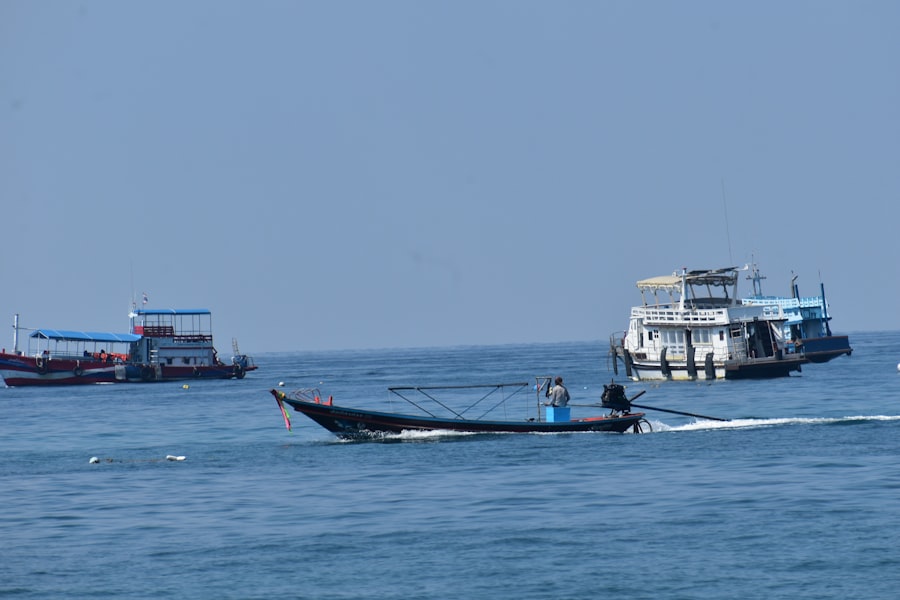
Effective maritime security in the Caspian Sea necessitates robust cooperation among the littoral states. No single nation can unilaterally guarantee the safety of these shared waters; a collective approach is essential to weave a resilient net of protection.
Joint Patrols and Surveillance: Eyes on the Water
The implementation of joint maritime patrols and coordinated surveillance operations allows littoral states to pool resources and enhance their ability to detect and respond to threats. This shared presence acts as a powerful deterrent.
Information Sharing and Intelligence Exchange: Lighting Up the Darkness
The seamless exchange of intelligence and information regarding suspicious activities, vessel movements, and potential threats is fundamental to effective threat assessment and response. Imagine this as the shared radar screen of all nations, illuminating unseen dangers.
Harmonizing Legal Frameworks and Protocols: Speaking the Same Language
While the 2018 Convention provides a general framework, further harmonization of national laws, operational protocols, and interdiction procedures is necessary to ensure seamless cooperation during joint security operations. This is akin to establishing a common maritime code that all vessels understand and all authorities can enforce.
Search and Rescue Operations: A Humanitarian Imperative
Beyond security threats, ensuring the safety of seafarers and responding to maritime accidents are crucial aspects of maritime security. Cooperative search and rescue mechanisms are vital in the vast expanse of the Caspian.
Joint Training Exercises: Building Trust and Efficiency
Regular joint training exercises involving naval and coast guard units from different Caspian states are instrumental in building interoperability, enhancing tactical coordination, and fostering mutual trust among participating forces. These are the rehearsals that prepare for the real performance.
Cross-Border Law Enforcement Cooperation: Bridging the Gaps
Establishing effective mechanisms for cross-border law enforcement cooperation, including extradition agreements and mutual legal assistance treaties, is crucial for pursuing criminals who operate across national maritime zones.
Technological Advancements in Maritime Security: The Digital Shield
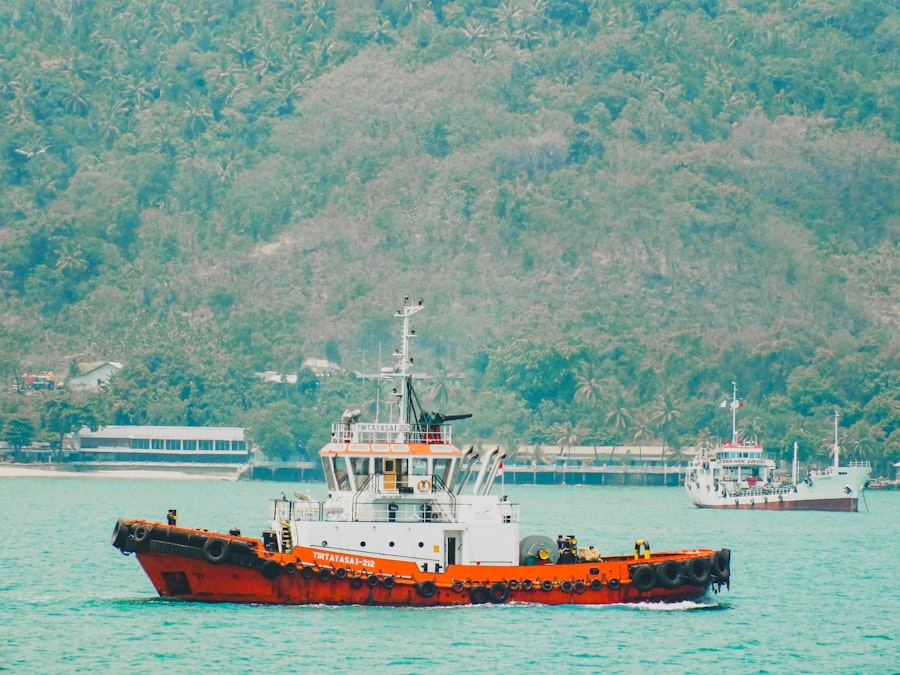
The evolving nature of maritime threats necessitates the adoption and deployment of advanced technologies to enhance surveillance, detection, and response capabilities. A digital shield is becoming as crucial as a physical one.
Surveillance and Monitoring Systems: The All-Seeing Eye
The implementation of advanced radar systems, satellite imagery, and maritime surveillance aircraft provides a comprehensive overview of maritime traffic and allows for the early detection of anomaly.
Unmanned Aerial Vehicles (UAVs) and Maritime Drones: Extending the Reach
The deployment of UAVs and maritime drones offers a cost-effective and agile solution for extending surveillance capabilities into remote areas and for continuous monitoring of critical infrastructure.
Underwater Surveillance Technologies: Peering into the Depths
Developing and deploying advanced underwater sonar systems, remotely operated vehicles (ROVs), and autonomous underwater vehicles (AUVs) are crucial for monitoring subsea pipelines and detecting underwater threats.
Communication and Information Systems: The Uninterrupted Flow of Data
Robust and secure communication networks are essential for coordinating maritime security operations. This includes encrypted communication channels and integrated command and control systems.
Cyber Security for Maritime Infrastructure: Protecting the Digital Veins
Protecting critical maritime infrastructure from cyberattacks is paramount. This involves securing nautical charts, operational technology on platforms, and communication systems from digital intrusion.
Artificial Intelligence and Big Data Analytics: Making Sense of the Noise
Leveraging artificial intelligence and big data analytics can help process vast amounts of surveillance data, identify patterns, and predict potential threats more effectively, turning raw data into actionable intelligence.
The complexities of maritime security in the Caspian Sea have been a topic of increasing concern among neighboring countries, particularly as they navigate issues related to territorial waters and resource management. A related article explores innovative solutions in other fields, highlighting how revolutionary materials can transform infrastructure and security measures. For instance, the advancements in self-healing concrete could inspire new approaches to maintaining maritime facilities in challenging environments. To learn more about these innovative developments, you can read the article on self-healing wonders.
Future Outlook and Challenges: Charting the Path Ahead
| Maritime Security Zone | Distance from Shore (Nautical Miles) | Purpose | Responsible Authority | Key Regulations |
|---|---|---|---|---|
| Territorial Waters | 12 | Full sovereignty, including airspace and seabed | Coastal State | Foreign vessels require permission to enter; enforcement of national laws |
| Contiguous Zone | 12-24 | Prevent infringement of customs, fiscal, immigration, or sanitary laws | Coastal State | Limited enforcement rights to prevent violations |
| Exclusive Economic Zone (EEZ) | Up to 200 | Rights to explore, exploit, conserve, and manage natural resources | Coastal State | Regulation of fishing, drilling, and marine research |
| International Waters | Beyond 200 | Freedom of navigation and overflight | International Community | Subject to international maritime law |
| Security Patrol Zones | Varies (typically within EEZ) | Maritime security operations including anti-piracy and smuggling prevention | Coastal States’ Navies and Coast Guards | Regular patrols, checkpoints, and surveillance |
The journey towards ensuring comprehensive maritime security in the Caspian Sea is an ongoing process, fraught with challenges but also holding immense potential for regional stability and prosperity.
The Need for a Unified Legal Framework: The Missing Keystone
While progress has been made, the absence of a single, comprehensive convention governing all aspects of Caspian maritime law equivalent to UNCLOS remains a significant impediment to fully unified security efforts.
Addressing Disputes Through Diplomacy: The Art of Navigation
The littoral states must continue to prioritize diplomatic solutions and robust dialogue to resolve any outstanding issues regarding maritime boundary delimitation and resource management. Unresolved disputes can be like hidden reefs, threatening to capsize cooperative efforts.
Enhancing Capacity Building and Resource Allocation: Strengthening the Backbone
Continued investment in training, equipment, and the development of specialized maritime security forces is crucial for all littoral states to effectively address the diverse range of threats.
Environmental Stewardship as a Security Imperative: Protecting the Cradle
Recognizing that environmental degradation can exacerbate security challenges, a concerted effort towards sustainable resource management and pollution control is vital for long-term Caspian security. A healthy environment is the bedrock upon which all other security is built.
Adapting to Emerging Threats: The Constant Evolution of the Battlefield
The Caspian Sea maritime security landscape is not static. Littoral states must remain vigilant and adaptive, continuously reassessing threats and evolving their strategies and capabilities to meet new challenges. The key to enduring security lies in anticipating the tide, not just reacting to the waves.
FAQs
What are the maritime security zones in the Caspian Sea?
Maritime security zones in the Caspian Sea refer to designated areas established by littoral states to regulate navigation, resource exploration, and military activities to ensure safety and security within their territorial waters and exclusive economic zones.
Which countries border the Caspian Sea and have maritime security zones?
The Caspian Sea is bordered by five countries: Russia, Kazakhstan, Turkmenistan, Iran, and Azerbaijan. Each of these countries has established maritime security zones within their respective sectors of the sea.
How are maritime boundaries determined in the Caspian Sea?
Maritime boundaries in the Caspian Sea are determined through bilateral and multilateral agreements among the littoral states, often based on principles of international law, such as the median line or sectoral division, to delineate territorial waters and exclusive economic zones.
What is the significance of maritime security zones in the Caspian Sea?
Maritime security zones are significant for protecting national sovereignty, managing natural resources like oil and gas, preventing illegal activities such as smuggling or unauthorized fishing, and ensuring safe navigation and environmental protection in the Caspian Sea.
Are there any international agreements governing maritime security in the Caspian Sea?
Yes, the Convention on the Legal Status of the Caspian Sea, signed in 2018 by the five littoral states, provides a legal framework for maritime security, delimitation of zones, and cooperation on security, environmental protection, and resource management in the Caspian Sea.