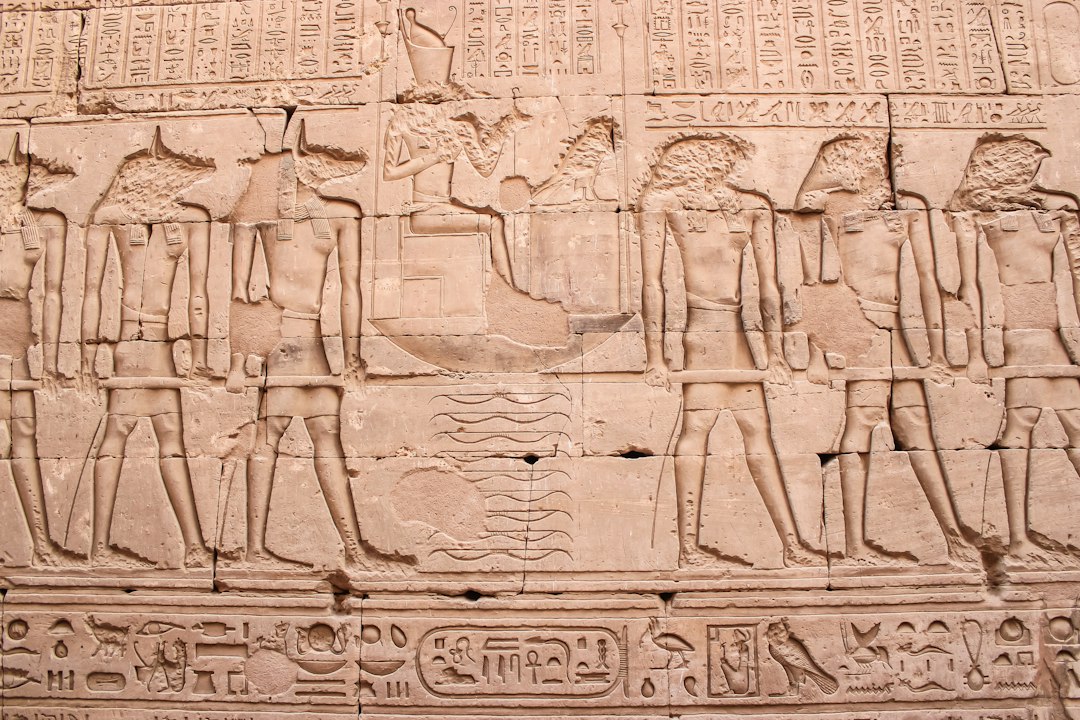
The echoes of ancient civilizations, long silent, whisper lessons about humanity’s intricate relationship with the natural world. Environmental history, a field that bridges the divide between human actions and ecological transformations, offers a compelling lens through which to examine the rise and fall of societies in antiquity. Far from being pristine idylls, ancient landscapes were actively shaped, managed, and often degraded by human endeavor, leaving behind a rich tapestry of evidence for us to decipher. The study of these past interactions reveals not just the vulnerabilities of ancient ecosystems but also the profound and enduring consequences of environmental change on human societies. Examining these historical precedents is not merely an academic exercise; it provides invaluable insights into the challenges we face today in navigating the delicate balance between progress and planetary well-being.
The Foundations of Environmental Interaction in Early Civilizations
The emergence of settled agriculture and the subsequent development of complex societies in the ancient world marked a pivotal shift in the human relationship with the environment. No longer solely reliant on the ephemeral resources of foraging, humans began to actively manipulate their surroundings to ensure food security and support growing populations. This foundational period laid the groundwork for both remarkable achievements and nascent environmental challenges.
Irrigation and the Transformation of Arid Lands
The mastery of water management stands as one of the most significant environmental innovations of the ancient world. In regions characterized by aridity, such as Mesopotamia and Egypt, the development of sophisticated irrigation systems was crucial for agricultural productivity and the flourishing of civilization. The Euphrates and Tigris rivers in Mesopotamia, and the Nile in Egypt, were not merely sources of water but were meticulously channeled and controlled through canals, dikes, and reservoirs. These endeavors allowed for the cultivation of previously unproductive land, supporting larger populations and fostering urban development.
However, this control of water also brought its own set of environmental consequences. The extensive irrigation networks, while boosting crop yields, led to increased salinization of the soil. Over time, the accumulation of salts, brought to the surface by evaporation, rendered fertile lands increasingly barren, a phenomenon that played a role in the decline of some Mesopotamian city-states. The meticulous planning and labor required for these irrigation systems also represented a significant societal investment, shaping social structures and power dynamics. The very act of bending nature to human will, while enabling progress, introduced new vulnerabilities.
Deforestation and the Demand for Resources
The burgeoning needs of ancient societies for fuel, building materials, and space for agriculture and settlement inevitably led to widespread deforestation. Timber was essential for construction, shipbuilding, heating, and cooking. The expansion of urban centers and the demands of military campaigns, often requiring vast quantities of wood for siege engines and ship construction, further exacerbated this pressure.
Evidence from various regions points to significant forest clearance. The Phoenicians, renowned for their seafaring prowess, were instrumental in the timber trade, depleting the cedar forests of Lebanon. The Roman Empire, with its insatiable appetite for wood for construction, fuel, and naval power, also contributed to widespread deforestation across its vast territories. The consequences of this environmental alteration included soil erosion, habitat loss, and alterations in local climate patterns. The loss of forest cover not only impacted the availability of resources but also had cascading effects on biodiversity and the overall health of ecosystems.
In exploring the intricate relationship between human societies and their environments, a fascinating article titled “The Risks of Commercializing Orbital Space” delves into contemporary environmental challenges that echo themes from ancient history. This piece highlights how the commercialization of space could impact our planet’s ecological balance, drawing parallels to how ancient civilizations managed their resources and responded to environmental changes. For a deeper understanding of these connections, you can read the article here: The Risks of Commercializing Orbital Space.
The Mesopotamian Cradle of Environmental Challenges

Mesopotamia, often hailed as the “cradle of civilization,” offers some of the most compelling early examples of humanity’s impact on the environment. The delicate interplay between human ingenuity and the unpredictable forces of nature shaped the trajectory of its great city-states, leaving behind a legacy of both innovation and ecological cautionary tales.
The Rise and Fall of River Valley Civilizations
The Sumerians, Akkadians, Babylonians, and Assyrians all developed advanced civilizations along the fertile floodplains of the Tigris and Euphrates rivers. Their survival and prosperity were inextricably linked to the effective management of these rivers. Elaborate canal systems transformed arid landscapes into breadbaskets, supporting dense populations and enabling the development of complex urban centers like Uruk, Babylon, and Nineveh.
However, the very success of these agricultural systems sowed the seeds of future challenges. The irrigation practices, while initially beneficial, led to the gradual accumulation of salt in the soil. This salinization, a slow but persistent process, gradually reduced the productivity of arable land, particularly for staple crops like wheat. Over centuries, this environmental degradation contributed to shifts in agricultural practices, with farmers sometimes having to abandon fields or switch to more salt-tolerant crops like barley. The economic and social repercussions of declining agricultural yields were significant, impacting trade, contributing to internal strife, and potentially making these civilizations more vulnerable to external pressures.
The Dust Bowl of Antiquity: Evidence of Soil Degradation
Archaeological and textual evidence from Mesopotamia paints a picture of extensive soil erosion and degradation. The deforestation that accompanied the expansion of agriculture and settlement, coupled with the intensive farming practices, left the soil exposed to the elements. Wind erosion, particularly in the drier regions, would have stripped away topsoil, leading to the formation of dust storms and a decline in land fertility.
Ancient texts, such as agricultural treatises and royal inscriptions, sometimes allude to periods of hardship, crop failures, and appeals for divine intervention to alleviate drought and infertility. While direct quantitative data on soil loss is scarce, the patterns of settlement abandonment and shifts in agricultural zones strongly suggest a period of environmental stress. The image of a Mesopotamian “dust bowl” is not an anachronism but a reflection of the real ecological consequences of sustained human pressure on fragile arid ecosystems.
The Mediterranean’s Green Transformation and its Limits
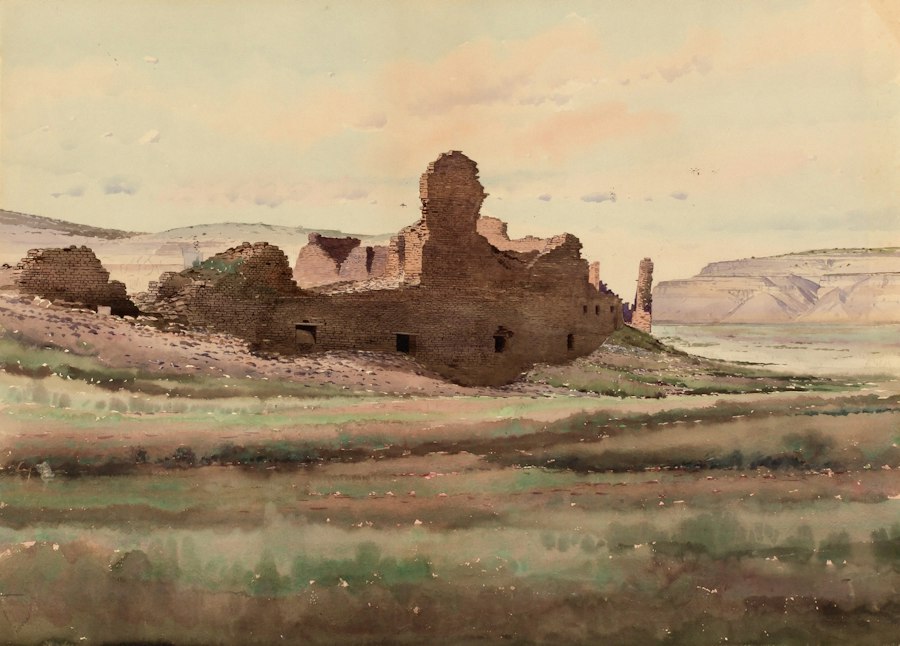
The Mediterranean basin, with its diverse landscapes and vibrant seafaring cultures, also provides a rich case study in environmental history. From the olive groves of Greece to the granaries of North Africa, human activities profoundly altered the region’s ecology, with both beneficial and detrimental outcomes.
The Rise of Olive and Grape Cultivation
The Greeks and Romans, in particular, are known for their transformative agricultural practices in the Mediterranean. The cultivation of the olive tree and the grapevine became central to their economies and cultures. These perennial crops, well-suited to the Mediterranean climate, allowed for the development of sustainable agricultural systems that could support significant populations. The olive provided oil for food, lighting, and hygiene, while grapes yielded wine, a staple beverage and a vital commodity for trade.
These agricultural practices, while often viewed as harmonious, still had an environmental footprint. The expansion of these monocultures, particularly in hilly terrain, often led to increased soil erosion. The clearing of natural vegetation to make way for vineyards and olive groves reduced biodiversity and altered the hydrological cycle. The development of sophisticated agricultural techniques, including terracing and irrigation in some areas, helped to mitigate these effects, but the overall trend was a human-driven simplification of the landscape.
The Imperial Appetite: Wood, Minerals, and Coastal Erosion
The expansion of Roman power across the Mediterranean created an unprecedented demand for natural resources. Timber was crucial for shipbuilding, enabling the projection of Roman might across the seas and the facilitation of trade. The construction of vast infrastructure projects, including aqueducts, roads, and public buildings, also consumed enormous quantities of wood and stone.
The exploitation of mineral resources, such as iron ore, lead, and marble, further impacted the environment. Mining operations, often rudimentary in their techniques, could lead to significant landscape scarring and water pollution. Furthermore, the intense coastal activity associated with Roman trade and naval operations, coupled with deforestation in coastal hinterlands, contributed to increased erosion and the silting up of harbors. Some Roman cities, once thriving port centers, eventually declined as their harbors became unnavigable due to sediment accumulation, a tangible manifestation of environmental change impacting human settlements.
Ancient Practices of Resource Management and Their Legacy
While the narrative of ancient environmental impact often focuses on degradation, it is crucial to acknowledge that many ancient societies also developed sophisticated practices for managing and conserving their resources. These approaches, born out of necessity and a deep understanding of their local environments, offer valuable lessons for contemporary sustainability efforts.
Forestry Regulations and Protected Areas
Evidence suggests that some ancient societies recognized the importance of managing forests for long-term sustainability. Regulations regarding timber harvesting, the protection of certain tree species, and the establishment of sacred groves or religiously protected areas were not uncommon. For instance, in ancient Greece, certain forests were designated as belonging to deities, and their exploitation was restricted. Similarly, in Rome, there were edicts concerning forest management, particularly in regions vital for naval timber.
While these regulations may not always have been strictly enforced or comprehensive by modern standards, they demonstrate an awareness of ecological limits and a desire to ensure the continued availability of vital resources. The concept of “sacred landscapes,” imbued with spiritual significance, often served as an informal mechanism for conservation, preserving areas from widespread exploitation.
Water Management as a Social and Environmental Imperative
Beyond the large-scale irrigation projects, ancient societies also developed intricate systems for managing water at local levels. This included the construction of cisterns for rainwater harvesting, the development of wells, and the careful distribution of water resources within communities. The equitable distribution of water was often a central concern, leading to the development of social customs and legal frameworks to regulate its use.
In many arid and semi-arid regions, water was a precious commodity, and its scarcity shaped social organization and political power. The ability to manage and distribute water effectively was a hallmark of successful leadership. These local water management practices, while often less dramatic than grand canal systems, were crucial for the resilience and sustainability of many ancient communities. They highlight the intimate connection between water availability, social stability, and environmental stewardship.
In exploring the intricate relationship between human societies and their environments, one can gain valuable insights from the field of environmental history in the ancient world. A fascinating article that delves into the economic dynamics of different regions is available at this link, which discusses how historical economic trends can influence contemporary environmental policies. Understanding these connections is crucial for comprehending how ancient civilizations adapted to their surroundings and the lasting impacts of their choices on today’s ecological landscape.
Enduring Lessons from Ancient Environmental Histories
| Time Period | Region | Environmental Event | Impact on Society | Evidence Source |
|---|---|---|---|---|
| Neolithic Era (c. 10,000 – 4,500 BCE) | Fertile Crescent | Deforestation for agriculture | Soil erosion and changes in local climate | Pollen analysis, sediment cores |
| Bronze Age (c. 3300 – 1200 BCE) | Mesopotamia | Salinization of irrigation fields | Decline in crop yields, urban decline | Archaeological soil samples, ancient texts |
| Classical Antiquity (c. 500 BCE – 500 CE) | Roman Empire | Mining and deforestation | Landscape degradation, resource depletion | Historical records, sediment analysis |
| Late Antiquity (c. 300 – 700 CE) | Europe | Climate cooling (Late Antique Little Ice Age) | Crop failures, population decline | Tree rings, ice cores |
| Ancient Egypt (c. 3000 BCE – 30 BCE) | Nile Valley | Annual Nile flooding patterns | Agricultural productivity and social stability | Historical records, sediment layers |
The environmental histories of ancient civilizations are not simply narratives of past ecological transformations; they offer profound and enduring lessons for our present and future. The challenges of resource depletion, climate variability, and the consequences of human intervention in natural systems are not new. By understanding how ancient societies navigated these issues, we can gain valuable perspective and identify potential pathways for more sustainable futures.
The Interconnectedness of Human and Natural Systems
Perhaps the most significant lesson from ancient environmental history is the inherent interconnectedness of human societies and the natural world. The collapse of agricultural systems due to salinization, the abandonment of settlements due to resource scarcity, or the decline of coastal cities due to altered waterways all underscore the fact that human well-being is inextricably linked to the health of the environment. Ancient peoples, often living closer to the land and more directly dependent on its bounty, understood this relationship in a visceral way. Their struggles and successes provide a stark reminder that ignoring ecological limits ultimately has profound consequences for human civilization.
The Long-Term Consequences of Unsustainable Practices
The study of ancient environmental history reveals that the consequences of unsustainable practices are often not immediate but unfold over generations. The gradual salinization of Mesopotamian soils or the slow erosion of deforested hillsides did not lead to overnight collapse. Instead, these processes subtly undermined the foundations of these societies, making them more vulnerable to other stresses. This highlights the importance of long-term thinking and the need to consider the intergenerational impacts of our environmental decisions. The ancient world serves as a testament to the fact that ecological debts, once accrued, can be very difficult to repay.
The Potential for Adaptation and Innovation
While ancient environmental histories often detail degradation, they also showcase remarkable human ingenuity and adaptability. The development of sophisticated irrigation systems, the adoption of salt-tolerant crops, the implementation of resource management regulations, and the creation of sacred landscapes all demonstrate humanity’s capacity to respond to environmental challenges. These ancient examples of innovation and adaptation offer hope and provide inspiration for developing sustainable solutions today. They remind us that while the challenges are significant, human creativity and a commitment to understanding and working with natural systems can lead to more resilient and flourishing societies. By delving into the environmental past, we can illuminate pathways for a more sustainable and harmonious future.
Your 401(k) Withdrawal Can Make More of Your Social Security Taxable
FAQs
1. What role did agriculture play in shaping the environmental history of the ancient world?
Agriculture was a crucial factor in the environmental history of the ancient world as it led to deforestation, soil erosion, and changes in landscapes. The expansion of agricultural practices significantly impacted the environment and influenced the development of ancient civilizations.
2. How did ancient civilizations manage their natural resources?
Ancient civilizations managed their natural resources through various methods such as irrigation systems, crop rotation, and sustainable hunting and fishing practices. They also utilized terracing and other techniques to prevent soil erosion and maintain the fertility of the land.
3. What impact did urbanization have on the environment in the ancient world?
Urbanization in the ancient world led to increased pollution, deforestation, and the depletion of natural resources. The concentration of people in cities resulted in higher levels of waste production and the degradation of surrounding ecosystems.
4. How did ancient societies view their relationship with nature?
Ancient societies often viewed nature as a source of spiritual inspiration and believed in the interconnectedness of all living beings. Many cultures had rituals and practices that honored nature and emphasized the importance of living in harmony with the environment.
5. What lessons can we learn from the environmental history of the ancient world?
The environmental history of the ancient world teaches us the importance of sustainable practices, conservation of natural resources, and the impact of human activities on the environment. By studying how ancient civilizations interacted with their surroundings, we can gain insights into how to better protect and preserve our planet today.