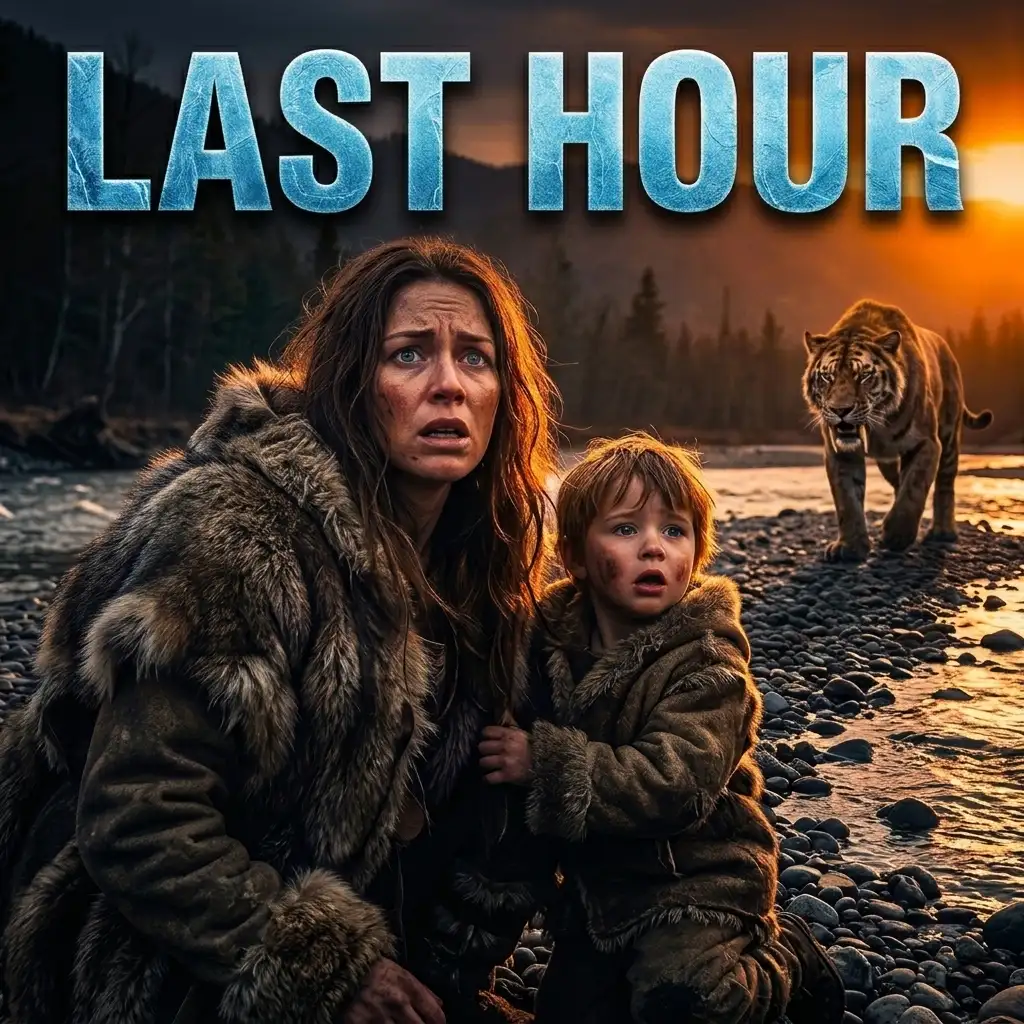
The air hung thick and humid, a precursor to the storm that was already gathering in the bruised sky. For generations, the people of the valley had lived in harmony with the gentle giant that was the Great Lake. It provided sustenance, a highway for travel, and a backdrop to their lives. But now, the familiar shores receded with alarming speed, swallowed by an angry, swollen expanse of water. This was no ordinary flood; this was the relentless, inexorable rise of a prehistoric lake, a force unleashed by a geological upheaval that had fractured the very earth beneath their feet. Survival, once a given, was now a desperate gamble against an ancient, indifferent power.
The Whispers of Water’s Wrath
The first signs were subtle, easily dismissed by the old and the wise as mere seasonal fluctuations. The lake’s edge crept closer to the communal gathering grounds, lapping at the roots of the ancient willow trees that marked their ancestral lands. Fishermen returned with tales of unusual currents and a disconcerting rise in water levels that made familiar fishing spots inaccessible. Then came the tremors, sharp and sudden, rattling the thatched roofs of their homes and sending frightened livestock stampeding. The earth groaned, a deep, unsettling sound that spoke of immense forces at play far beneath the surface. The wise women, their faces etched with concern, consulted the patterns of the stars and the flight of birds, but their prophecies spoke of change, of a disruption unlike any they had witnessed. The lake, once a benevolent provider, was transforming into a vengeful entity, a harbinger of catastrophe.
The Shifting Earth
The seismic activity was the most alarming indicator. The ground, usually so stable, began to undulate like a disturbed serpent. Cracks, thin at first, spiderwebbed across the fertile plains, widening with each tremor into gaping chasms. Landslides, once rare occurrences in the more mountainous fringes, became commonplace, sending torrents of mud and rock tumbling into the burgeoning waters. These events weren’t isolated incidents; they were symptoms of a grander, terrifying transformation. The ancient geological fault line that cradled the valley, long dormant, had awakened, its colossal shoulders heaving, pushing the very earth upwards. This relentless uplift was the primary driver behind the lake’s unnatural expansion, forcing its waters to surge outwards, claiming more and more territory with each passing day. The familiar topography was being reshaped before their very eyes, landmarks that had defined their existence for centuries were slowly being submerged, their very memory threatened by the rising tide.
The Sky’s Dark Omen
The skies mirrored the earth’s turmoil. Persistent, heavy clouds, the color of bruised plums, choked the horizon, offering no respite from the oppressive humidity. The air grew heavy with the scent of ozone and the faint, metallic tang of distant lightning. When the rains finally came, they were not the gentle, life-giving showers they knew. These were torrential downpours, relentless sheets of water that hammered the land, adding to the already swollen lake’s fury. The thunder cracked like the splitting of the world, and the lightning, a jagged, terrifying spectacle, illuminated the chaotic scene, casting fleeting, ghastly shadows on the advancing water. The storm was not just a meteorological event; it was a symphony of destruction, an overture to the epic struggle for survival that was about to unfold. The omens, once whispers, had become a deafening roar, a clear and present danger that could no longer be ignored.
In the thrilling narrative of survival against the odds, the story of escaping a rising prehistoric lake crossing is both captivating and harrowing. For those interested in exploring similar themes of adventure and resilience, I recommend checking out the article on a fascinating documentary titled “Lost Power Found,” which delves into the challenges faced by individuals in extreme situations. You can read more about it here: Lost Power Found: A Captivating Documentary.
The Desperate Gathering
As the lake’s reach grew undeniable, a primal fear took root, swiftly followed by a desperate resolve. The elders, their voices strained but firm, called for an immediate council. Decisions had to be made, and quickly. Abandoning their ancestral homes was an unthinkable prospect, but the alternative was a watery grave. The gathered community, their faces a mixture of terror and determination, listened as plans were hatched, not for rebuilding, but for escape. The lake, once their lifeblood, was now their adversary, and the only path to survival lay in crossing its expanding, treacherous expanse.
The Council of the Concerned
The heart of the village, a clearing shaded by ancient trees, became the impromptu forum for the emergency council. Chieftain Kaelen, his face grim, addressed the assembled villagers. “The waters rise,” he stated, his voice resonating with a solemnity that silenced all but the distant rumble of thunder. “Our ancestors warned of such times, of the earth’s temper. The Great Lake is no longer a friend. It seeks to reclaim what was once its own. We cannot stay. We must move.” Murmurs rippled through the crowd, a cacophony of fear and disbelief. But Kaelen’s words, imbued with the weight of leadership and the undeniable evidence of the rising waters, held sway. The decision was made: they would attempt to cross the lake, to reach the higher ground on the far shore, a land whispered about in legends but never truly visited.
Mobilizing the Means
The logistics of such an undertaking were daunting. Their traditional canoes, built for the placid waters of the lake, were too small and too few to transport the entire community, along with their meager possessions. Ingenuity born of necessity became their guiding principle. The skilled boat builders, their hands calloused and their brows furrowed in concentration, began the arduous task of fashioning larger, sturdier vessels. They combined the strength of lashed logs, the waterproofing of animal hides, and the ingenuity of woven reeds to create rafts capable of bearing the weight of families and their essential supplies. The hunters and gatherers focused on stockpiling provisions: dried meats, preserved fruits, and seeds for a new beginning. The weavers worked tirelessly, creating sturdy ropes and nets, essential for towing and for securing their precarious flotilla. Every member of the community, from the youngest who could fetch water to the oldest who could offer counsel, played a vital role in this desperate mobilization.
The Perilous Passage
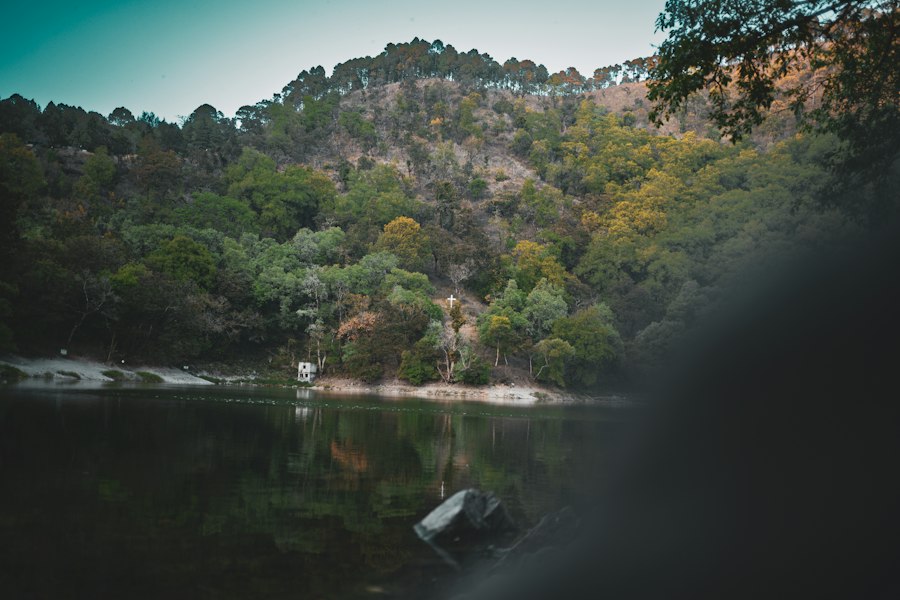
The dawn broke not with sunlight, but with the oppressive grey of the storm-laden sky. The rising lake was no longer a distant threat; it was a churning, menacing presence at their doorstep. With a collective prayer and a shared glance of steely resolve, the people began their perilous journey, their makeshift armada of rafts and canoes pushing off from the sinking shore, a desperate exodus against the relentless advance of the ancient waters.
The First Waves
The initial launch was fraught with tension. The heavy rafts, laden with people and precious cargo, struggled to gain purchase against the insistent pull of the current. The smaller canoes, more agile but less stable, bobbed precariously as the first substantial waves, churned by the wind and the submerged terrain, slammed against their sides. Panic threatened to erupt as a young child, startled by a sudden lurch, slipped from a raft’s edge. Swift reflexes and strong arms pulled the child back to safety, a stark reminder of the ever-present danger. The water, once their domain, now felt alien and hostile, its depths concealing unknown perils. The vastness of the lake, stretching out before them, seemed insurmountable, a liquid wilderness they were ill-equipped to navigate.
Navigating the Unknown
The established routes, the familiar landmarks that guided them across the lake in times of peace, were now submerged or obliterated by the rising waters. The elders, relying on their intimate knowledge of the lake’s currents and the position of the sun (when it deigned to appear through the clouds), attempted to chart a course. But the currents themselves were unpredictable, swirling and eddying in ways they had never encountered. Underwater debris, dislodged by the tremors, posed a constant threat to the hulls of their vessels. The constant rain blurred visibility, making it difficult to discern distant shores or identify potential hazards. They were navigating blind, their survival hinging on instinct, experience, and a profound understanding of nature’s subtle cues, amplified by the urgent need for survival.
Encounters with the Submerged Past
As they ventured deeper into the lake, the water’s increased depth revealed unsettling sights. The tops of trees, once proudly standing on the plains, now appeared as spectral, submerged forests. Ancient structures, remnants of forgotten settlements, occasionally broke the surface, their stone foundations hinting at a history deeper and more complex than they had ever imagined. These submerged relics were a stark reminder of the lake’s vastness and the eons of time it had endured. More disturbingly, the waters teemed with life, some familiar, but others, particularly in the deeper, colder regions, were creatures of legend, their forms hinting at a prehistoric ecosystem reawakened by the lake’s expansion. Encounters with these ancient beings, though often fleeting, fueled their unease and underscored the alien nature of their current predicament.
The Shoreline of Hope
Days blurred into nights, marked by the relentless rhythm of rowing, bailing, and the gnawing fear that clung to them like the damp air. Fatigue was a constant companion, and doubt, a creeping vine, threatened to choke their resolve. Yet, the unwavering gaze of their leaders and the shared responsibility for each other’s well-being propelled them onward. And then, on the horizon, a faint line of darker hue appeared, a smudge against the grey expanse. It was the far shore, a promise of solid ground, a beacon of hope in their desperate struggle.
The First Glimpse of Land
The sighting of the distant shore was met with a surge of relief so potent it momentarily silenced the drumming rain. Children pointed with small, trembling hands, their cries of wonder a balm to the weary adults. The elders, their weathered faces etched with exhaustion, shared knowing glances. This was the culmination of their courage, the reward for their unwavering spirit. The promise of solid earth, of a place to rest and rebuild, was a powerful motivator, injecting a renewed vigor into their flagging efforts. Each stroke of the oars, each push of the poles, became more determined, fueled by the tangible prospect of safety.
The Final Push
The remaining distance, though shorter, was no less challenging. The currents seemed to conspire against them, pushing them off course, while the waves, though less intense than in the open water, still tested the integrity of their rafts. The physical and emotional toll of the journey was immense. Muscles ached, throats were parched, and the gnawing anxiety that they might not make it before their supplies ran out or their vessels failed was ever-present. Yet, as they drew closer, the details of the shore began to emerge: the dark line of trees, the rocky outcrops, the unmistakable promise of firm ground. This spurred them on, a collective will to reach safety overriding their exhaustion. They towed the last few yards with a primal urgency, their minds fixed on the sanctuary that awaited them.
Landing and Reorganization
The moment their rafts touched the muddy bank, a collective sigh of relief swept through the weary travelers. They stumbled onto the shore, their legs weak and unsteady, but their spirits soaring. The initial moments were filled with a joyous chaos of embrace and tears. However, the immediate need for rest and reassessment quickly took hold. The damaged rafts were pulled ashore, and a quick inventory of their remaining supplies was conducted. The elders, despite their own fatigue, immediately began to survey their new surroundings, identifying potential shelter and the most promising areas for establishing a temporary camp. The journey was over, but the task of survival, of building a new life on this unfamiliar land, had just begun.
In the face of a rapidly rising prehistoric lake, the urgency to escape becomes paramount, as the threat of flooding looms large. Understanding the broader implications of such natural disasters can be enlightening, especially when considering how emergency powers can affect citizens during crises. For a deeper exploration of this topic, you might find it interesting to read about the impact of economic powers on citizens in emergency situations by visiting this article on economic powers. This connection highlights the importance of preparedness and the potential challenges individuals may face when navigating both natural and governmental responses to emergencies.
Rebuilding on Solid Ground
| Metric | Value | Unit | Description |
|---|---|---|---|
| Lake Rise Rate | 0.5 | meters/hour | Speed at which the prehistoric lake water level is rising |
| Distance to Shore | 300 | meters | Distance from current position to the nearest safe shore |
| Average Swimming Speed | 1.2 | meters/second | Estimated swimming speed of a human or prehistoric human |
| Time to Reach Shore | 4.2 | minutes | Estimated time to swim to shore at average speed |
| Water Temperature | 12 | °C | Temperature of the lake water, affecting survival and stamina |
| Visibility | 3 | meters | Underwater visibility affecting navigation |
| Predator Presence | High | N/A | Likelihood of encountering aquatic predators during crossing |
| Energy Expenditure | 450 | kcal | Estimated calories burned during the crossing |
The tremors had subsided, the relentless downpour had softened to a persistent drizzle, and the vast, menacing lake was now a formidable barrier behind them. But the people had reached the higher ground, a land of rolling hills and denser forests, a stark contrast to the drowned valley they had left behind. Their immediate focus was on survival in this new environment, a delicate dance of exploration, resourcefulness, and the rebuilding of their community, not just of structures, but of hope itself.
Scouting the New Territory
The first order of business was reconnaissance. Small, agile groups, led by experienced hunters and trackers, ventured out to explore the surrounding terrain. They sought sources of fresh water, identified edible plants and potential game, and assessed the overall suitability of the land for settlement. The whispers of legends about this distant shore now took on a tangible reality as they discovered hidden springs, fertile clearings, and the sheltering embrace of ancient forests. These scouts, their eyes sharp and their minds keenly attuned to the subtle signs of the wilderness, were the vanguard of their new existence, charting the course for their future home.
Establishing a Temporary Haven
With the scouting reports providing a clearer picture of their surroundings, the community began to establish a temporary camp. The more intact rafts were dismantled, their sturdy timbers repurposed for rudimentary shelters. Animal hides, carefully preserved, were stretched to create roofs and windbreaks. The central fire, a symbol of unity and warmth, was kindled, its smoke a beacon of their presence. The injured were tended to, the weary were given rest, and a sense of order, however fragile, began to reassert itself. This was not the permanent home they had envisioned, but it was a place of safety, a sanctuary where they could regroup and plan their next steps.
The Seeds of Resilience
The greatest challenge, and perhaps the greatest triumph, lay in planting the seeds of resilience. The loss of their ancestral lands, the trauma of the journey, and the uncertainty of their future weighed heavily upon them. Yet, in the face of such adversity, the human spirit proved remarkably tenacious. Children, initially subdued by the ordeal, began to explore their new surroundings with tentative curiosity. Elders shared stories of their past, not with sorrow, but with a quiet strength, passing on their knowledge and wisdom to a younger generation who would need it more than ever. The act of sharing the meager rations, of working together to fortify their shelters, and of offering a comforting word to a neighbor, these small acts of community forged a bond stronger than any material possession. They had escaped the rising prehistoric lake, and in doing so, they had rediscovered the enduring power of human connection and the indomitable will to survive and to thrive. The memory of the drowned valley would forever be a part of them, a somber reminder of the forces they had faced, but it would not define them. They were survivors, and their future, though uncertain, was now firmly planted on solid ground.