
The development of construction techniques by ancient civilizations represents a fundamental progression in human ingenuity and societal organization. What began as rudimentary shelters evolved into elaborate structures that have endured for millennia, defying time and weathering. This evolution was not a sudden leap but a gradual, iterative process driven by necessity, available resources, and the burgeoning complexity of human communities. Understanding these ancient methods provides crucial insights into the technological capabilities, social structures, and environmental adaptations of past cultures.
The earliest forms of human construction were dictated by the immediate need for protection from the elements and predators. These structures were typically temporary and utilized readily available natural materials.
Rudimentary Dwellings
Before the advent of permanent settlements, nomadic or semi-nomadic groups constructed shelters from materials found in their immediate environment. This often involved exploiting natural formations like caves or overhangs, which offered inherent protection. When natural shelters were insufficient or unavailable, humans resorted to fabricating enclosures.
Use of Vegetal Materials
Grasses, reeds, branches, and leaves were employed to create simple huts and lean-tos. These materials offered basic insulation and a degree of shelter from rain and sun. Techniques involved weaving, bundling, and layering to achieve a functional enclosure. The ephemeral nature of these materials meant that such structures rarely survived for extended periods, but they served their immediate purpose effectively.
Animal Hides and Bones
In regions with abundant game, animal hides were stretched over frames made of wood or bone to create more robust shelters, such as tents or yurts. Bones, particularly larger ones, could also form structural elements. This method provided greater durability and protection against harsher weather conditions.
Early Earth-Based Construction
As humans began to settle for longer durations, they developed techniques for utilizing earth as a primary building material. This marked a significant step towards more permanent and substantial constructions.
Mud and Clay Construction
The plasticity of mud and clay made them ideal for shaping and forming walls. By mixing these materials with straw or other fibers for reinforcement, a more stable and durable substance could be achieved. This approach, often referred to as mud brick or adobe construction, involved forming bricks or blocks by hand or in simple molds and then drying them in the sun. These bricks were then laid with more mud as mortar to build walls.
Techniques of Rammed Earth
Another significant earth-based technique was rammed earth. This involved compacting layers of damp earth, often mixed with gravel or clay, within wooden formwork. Once hardened, the formwork was removed, leaving behind solid, monolithic walls. This method produced incredibly strong and dense structures, offering excellent thermal mass, which helped regulate indoor temperatures.
The evolution of ancient construction methods has been a fascinating subject that reveals much about the societies that created them. For a deeper understanding of how power dynamics influenced architectural practices and the perception of truth in historical narratives, you can explore the article titled “The Illusion of Truth: How Power Conceals Reality.” This piece delves into the interplay between authority and the built environment, shedding light on how construction techniques were often used to reinforce social hierarchies. To read more, visit this article.
The Dawn of Stone Construction
The utilization of stone represents a monumental shift in ancient construction, leading to structures of unparalleled permanence and monumental scale. This transition required significant advancements in toolmaking, material handling, and engineering knowledge.
Quarrying and Shaping Stone
The process of obtaining and working with stone presented substantial challenges. Early stone construction relied on readily accessible sources like riverbeds or surface deposits.
Simple Tools and Techniques
Initially, tools made of harder stone, wood, or bone were used to chip away at larger rock formations. This was a laborious and time-consuming process. Techniques likely involved using water to expand cracks through freezing and thawing cycles, as well as wedges driven into natural fissures.
The Development of Metal Tools
The advent of bronze and later iron tools revolutionized stone working. Chisels, hammers, and saws made from these durable metals allowed for more precise cutting, shaping, and finishing of stone blocks. This enabled the construction of more intricate and complex architectural elements.
Monumental Masonry
The ability to quarry, shape, and transport large stone blocks enabled the construction of truly monumental structures, many of which stand as testaments to ancient engineering prowess.
Megalithic Structures
Prehistoric cultures across the globe, from Stonehenge to the Nuraghe of Sardinia, erected megalithic structures using immense stone blocks. The exact methods of transporting and lifting these massive stones remain a subject of debate, but likely involved the use of rollers, ramps, levers, and significant human labor. The precision with which some of these stones were fitted suggests a sophisticated understanding of geometry and mechanics.
Ashlar Masonry
More advanced societies developed ashlar masonry, a technique where carefully cut and dressed stone blocks are laid in regular courses with minimal or no mortar. The precision in fitting these blocks together created immensely strong and visually appealing walls. Examples range from the Cyclopean walls of Mycenae to the precisely cut blocks of Inca fortresses like Machu Picchu.
Timber Framing and Woodworking Innovations
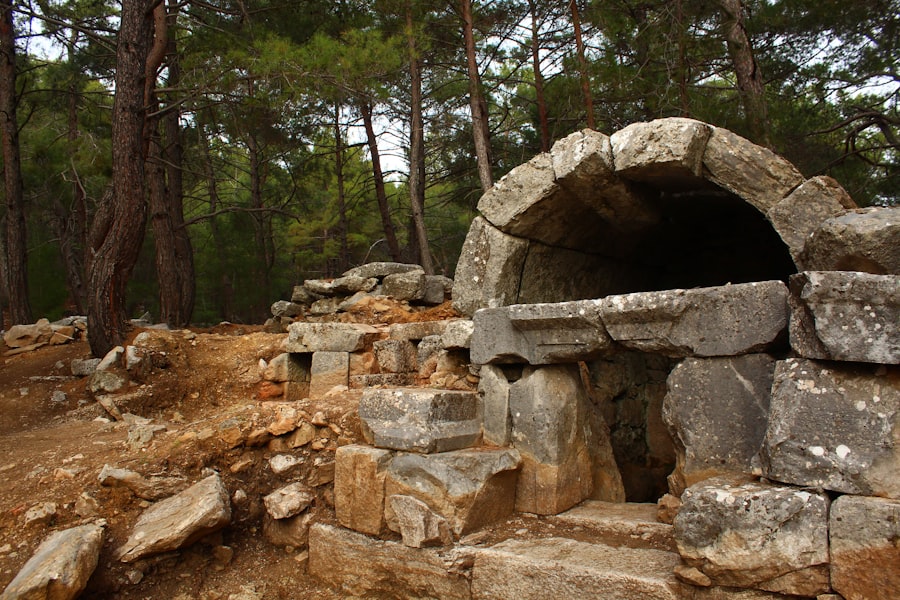
Wood, being more accessible in many regions and easier to work than stone, played a crucial role in the evolution of construction, particularly for residential and intermediate structures.
Basic Timber Shelters
Early uses of timber involved simple frames of posts and beams to support roofs and walls made of other materials like wattle and daub or thatch.
Post and Lintel Systems
A fundamental timber construction technique is the post and lintel system. This involves placing a horizontal beam (lintel) across two vertical supports (posts). This basic structural principle, also applicable to stone, allowed for the creation of openings and the spanning of spaces.
Wattle and Daub
A common infill technique involved weaving branches or reeds (wattle) between vertical wooden stakes, and then coating this framework with a mixture of mud, clay, straw, and animal dung (daub). This created sturdy and insulating walls for homes and other buildings.
Advanced Wood Joinery and Structural Systems
As woodworking skills advanced, more complex joinery techniques and structural systems emerged, allowing for larger, more complex timber structures.
Mortise and Tenon Joints
The mortise and tenon joint, where a projection (tenon) on one piece of wood fits into a hole (mortise) in another, provided strong, stable connections without the need for nails in many early applications. This technique allowed for the creation of intricate frames and more durable structures.
Trusses and Roof Structures
The development of timber trusses, composed of interconnected triangular elements, enabled the spanning of much wider spaces without requiring internal supporting columns. This was particularly important for creating large halls, temples, and covered marketplaces. The precise geometry of these trusses distributed loads effectively.
The Pervasiveness of Brick and Tile
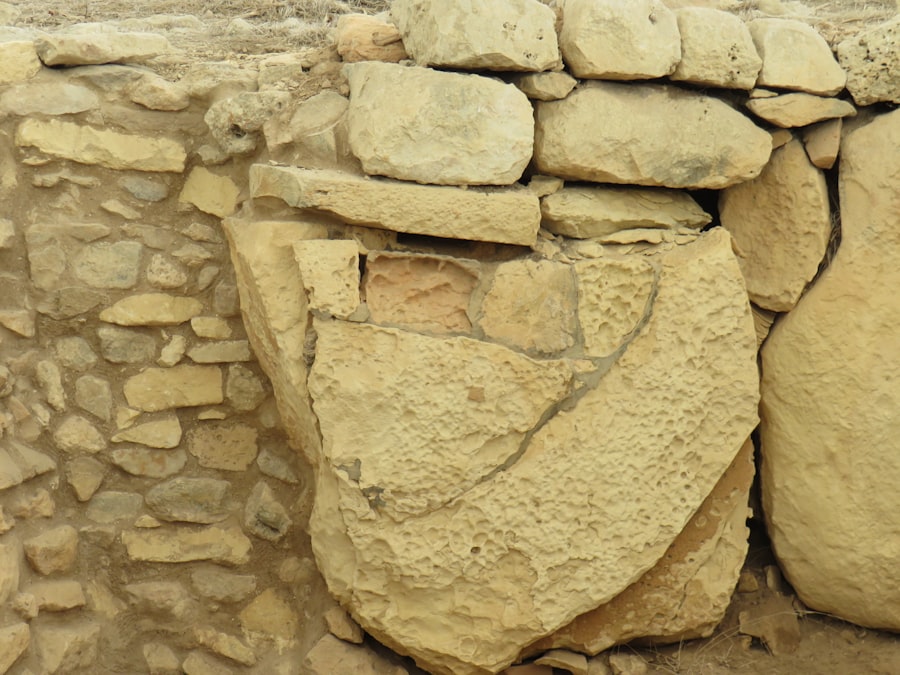
The development and widespread use of fired clay bricks and tiles marked a significant advancement in mass production and standardization within construction.
Early Ceramic Technologies
The discovery of how to fire clay transformed it from a basic building material into a durable and versatile medium.
Sun-Dried Bricks (Adobe)
As mentioned earlier, sun-dried bricks were an early form of ceramic construction. However, these were susceptible to erosion from rain.
Fired Bricks
The innovation of firing clay in kilns created bricks that were significantly harder, more water-resistant, and more durable. This transformation required controlled heat and specific firing durations to achieve the desired material properties. The development of kilns capable of reaching sufficient temperatures was a key technological leap.
Applications and Advancements
Fired bricks enabled a new level of quality and permanence in construction, leading to widespread adoption across various ancient cultures.
Roman Brickwork
The Romans were particularly adept at using fired bricks, often combining them with concrete. Their standardized bricks allowed for efficient construction of aqueducts, baths, fortifications, and elaborate buildings with a high degree of architectural sophistication. The development of different brick sizes and shapes further enhanced their versatility.
Roof Tiles and Paving
Fired clay was also used to produce durable roof tiles, providing superior protection against the elements compared to thatch. Terracotta tiles became a common roofing material in many ancient civilizations. Additionally, fired clay was used for paving, creating durable and functional surfaces for streets and courtyards.
The evolution of ancient construction methods reveals fascinating insights into the ingenuity of early civilizations, showcasing how they adapted to their environments and utilized available resources. For a deeper understanding of how historical contexts influenced architectural practices, you might find it interesting to explore related geopolitical dynamics in the article on the new cold war, which discusses the implications of modern strategies on global interactions. This connection highlights that just as ancient builders faced challenges, contemporary nations navigate complex relationships that shape their development. You can read more about this in the article here.
Concrete and Advanced Building Materials
| Construction Method | Time Period | Notable Examples |
|---|---|---|
| Post and lintel | Neolithic period (10,200 BC – 2,000 BC) | Stonehenge, Gobekli Tepe |
| Mudbrick construction | Ancient Mesopotamia (3,500 BC – 539 BC) | Ziggurats of Mesopotamia, Great Wall of Babylon |
| Pyramid construction | Ancient Egypt (c. 2700 BC – c. 2200 BC) | Great Pyramid of Giza, Pyramid of Djoser |
| Greek orders (Doric, Ionic, Corinthian) | Ancient Greece (c. 800 BC – c. 146 BC) | Parthenon, Temple of Hephaestus |
| Roman concrete construction | Ancient Rome (c. 509 BC – 476 AD) | Colosseum, Pantheon |
The invention of concrete and its widespread application by certain ancient civilizations represented a paradigm shift in construction capabilities, enabling structures of unprecedented scale and durability.
The Roman Contribution to Concrete
While earlier forms of binding materials existed, the Romans developed a form of concrete that was remarkably strong and water-resistant, allowing for feats of engineering previously thought impossible.
Pozzolana and Hydraulic Properties
A key ingredient in Roman concrete was pozzolana, a volcanic ash found in abundance around the Bay of Naples. When mixed with lime, aggregate (like rubble or volcanic rock), and water, pozzolana created a hydraulic cement. This meant it could set and harden even under water, a critical factor for building harbors, bridges, and cisterns.
Methods of Application
Roman concrete was often poured into wooden formwork, which dictated the shape of the final structure. This allowed for the creation of curved elements, domes, and vaults with relative ease. The aggregate used in the concrete could vary, influencing the final properties of the material.
The Legacy of Roman Concrete
The enduring strength and longevity of Roman concrete structures, such as the Pantheon and aqueducts, are a testament to the sophistication of this ancient material and construction technique.
Domes and Vaults
The ability to create large, unobstructed interior spaces via concrete domes and vaults was a hallmark of Roman architecture. The Pantheon’s massive concrete dome, still the largest unreinforced concrete dome in the world, is a prime example of the material’s capabilities.
Infrastructure and Public Works
Roman concrete was instrumental in building extensive infrastructure networks, including roads, bridges, and aqueducts, which facilitated trade, communication, and the growth of the empire. Its durability ensured the long-term functionality of these vital systems.
The evolution of ancient construction methods illustrates a persistent human drive to innovate and adapt. From the humble shelters of early peoples to the monumental cities and enduring structures of later civilizations, each development built upon prior knowledge and responded to changing needs and available resources. This historical progression is not merely a chronicle of building techniques but a reflection of humanity’s growing understanding of materials, mechanics, and the organization required to execute ambitious projects. The legacy of these ancient builders continues to inform and inspire contemporary construction practices, a silent testament to the enduring power of human ingenuity.
FAQs
What are ancient construction methods?
Ancient construction methods refer to the techniques and materials used by ancient civilizations to build structures such as temples, pyramids, and other architectural marvels.
What were some common ancient construction methods?
Common ancient construction methods included using materials such as stone, mud bricks, and wood, as well as techniques like post-and-lintel construction, corbelling, and arches.
How did ancient construction methods evolve over time?
Ancient construction methods evolved as civilizations developed new technologies and gained knowledge about engineering and architecture. This led to advancements in building materials, tools, and construction techniques.
What impact did ancient construction methods have on modern construction?
Many modern construction techniques and materials have their roots in ancient construction methods. For example, the use of arches and domes in ancient architecture has influenced modern structural design.
What are some examples of ancient construction methods still in use today?
Some examples of ancient construction methods still in use today include the use of mud bricks in some parts of the world, as well as the principles of post-and-lintel construction and arches in modern architecture.