
Navigating the Digital Ancestral Map: Your Journey into Commercial DNA Testing and Indigenous Heritage
You’ve seen the commercials. They promise a glimpse into your past, a tangible connection to generations gone by, all delivered through a simple saliva swab. Commercial DNA testing for ancestry has exploded in popularity, and for many, the allure of discovering their Indigenous roots is particularly strong. This desire is deeply human; it’s about belonging, about understanding your place in the grand tapestry of human history, and about reclaiming a narrative that may have been fragmented or obscured by time, colonization, or assimilation. However, as you embark on this exciting quest, it’s crucial to approach these tests with a discerning eye. The accuracy of commercial DNA tests, especially when it comes to pinpointing Indigenous ancestry, is a complex and evolving landscape. Understanding its nuances will empower you to interpret your results meaningfully and avoid potential pitfalls.
The accuracy of commercial DNA tests for Indigenous populations has been a topic of significant discussion, particularly regarding how these tests can sometimes misrepresent genetic heritage. For a deeper understanding of the complexities surrounding genetic testing and its implications, you might find the article on archaeoacoustics insightful. It explores the intersection of science and culture, shedding light on how various methodologies can impact our understanding of history and identity. You can read more about it here: Uncovering the Mysteries of Archaeoacoustics.
The Genetic Crossroads: How Ancestry DNA Tests Work for Indigenous Populations
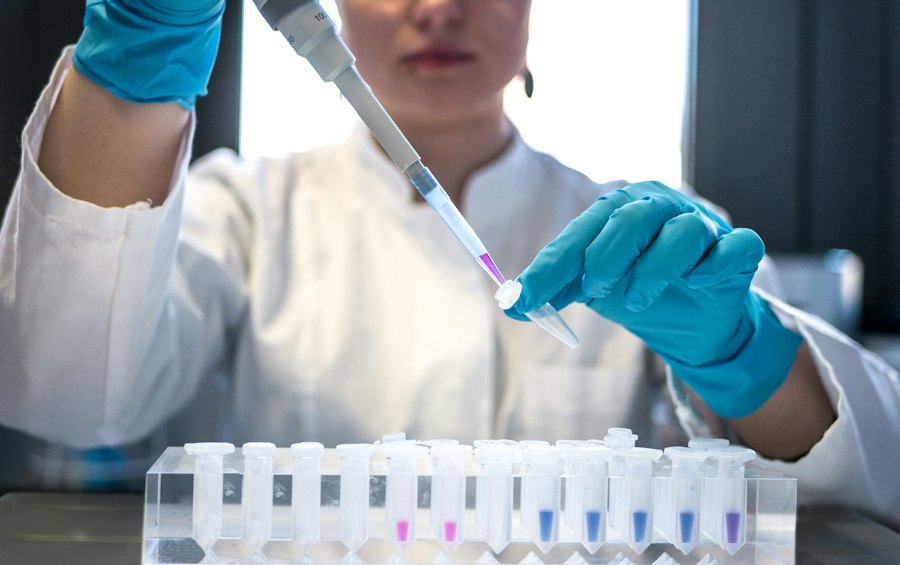
At its core, commercial DNA testing for ancestry relies on comparing your unique genetic code – specifically, your autosomal DNA, which you inherit from both parents – to vast reference databases. These databases are built by collecting DNA from individuals who have a documented, verifiable lineage within specific populations. For Indigenous ancestry, this process becomes particularly intricate.
The Science of Population Genetics and Reference Panels
When you submit your DNA, the testing company analyzes millions of single nucleotide polymorphisms (SNPs) – tiny variations in your DNA sequence. They then identify patterns within these SNPs that are statistically more common in certain geographical regions or ancestral groups. This is where the concept of a “reference panel” becomes paramount. Imagine a massive library of genetic fingerprints. Each book in this library represents a known population group, and the fingerprints within are the average genetic signatures of individuals from that group.
For widespread populations like those in Western Europe, these reference panels are relatively robust, built from the contributions of tens of thousands of individuals with well-documented genealogical ties. However, for Indigenous populations, the situation is often far more delicate. Building comprehensive and representative reference panels for Indigenous groups presents significant challenges.

Can Your Feet Reveal Cherokee Ancestry? Check the Evidence
FAQs
What is the accuracy of commercial DNA tests for indigenous populations?
Commercial DNA tests for indigenous populations can vary in accuracy depending on the company and the specific markers they analyze. Some tests may provide accurate results for ancestry tracing, while others may have limitations in accurately identifying indigenous heritage.
How do commercial DNA tests determine indigenous ancestry?
Commercial DNA tests analyze specific genetic markers in a person’s DNA to determine their ancestry. These markers are compared to reference databases that include genetic information from indigenous populations around the world. The results are then used to estimate the percentage of indigenous ancestry in an individual’s genetic makeup.
Are commercial DNA tests for indigenous ancestry reliable?
While commercial DNA tests can provide valuable insights into a person’s ancestry, the accuracy and reliability of these tests can vary. Factors such as the size and diversity of the reference database, the specific markers analyzed, and the algorithms used to interpret the data can all impact the reliability of the results.
Can commercial DNA tests accurately identify specific indigenous tribes or groups?
Commercial DNA tests may be able to provide general information about indigenous ancestry, such as identifying a person as having indigenous heritage from a particular region. However, accurately identifying specific indigenous tribes or groups based on DNA alone can be challenging due to the complex and diverse genetic history of indigenous populations.
What are some limitations of commercial DNA tests for indigenous ancestry?
Limitations of commercial DNA tests for indigenous ancestry include the lack of representation of all indigenous populations in reference databases, the potential for misinterpretation of results, and the inability to capture the full complexity of indigenous identity and heritage. It is important to consider these limitations when interpreting the results of commercial DNA tests for indigenous ancestry.