
The act of sharing sustenance, a fundamental human necessity, transcended mere survival in the prehistoric era, evolving into a sophisticated tool of social bonding and diplomatic engagement. Long before the formalized structures of nation-states or intricate treaties, early human communities recognized the power inherent in the distribution of food. This exchange, seemingly simple, represented a potent form of communication, a tangible demonstration of goodwill, and a crucial lubricant for navigating the complex social landscapes of the past. The offering of food was not merely a charitable act; it was a strategic maneuver, an investment in relationships, and a cornerstone of early cooperation. Understanding these prehistoric exchanges provides invaluable insight into the evolutionary roots of diplomacy and the enduring significance of shared resources in fostering peace and mutual understanding.
The Genesis of Reciprocity: Food as a Foundation for Trust
The earliest forms of human cooperation were intrinsically linked to resource acquisition and sharing. In environments where survival depended on the success of the group, the willingness to share food became a fundamental indicator of trustworthiness and commitment. This proto-diplomacy was built on a bedrock of reciprocity, a deeply ingrained social norm that likely predated complex language. Individuals who contributed to the group’s sustenance and were willing to share their bounty were more likely to be integrated into the social fabric, their actions fostering a sense of security and interdependence.
Gathering and Sharing: The Early Stages of Collective Provisioning
In hunter-gatherer societies, the acquisition of food was a communal endeavor. While individual skill was essential, the collective success of the group often determined its survival. The successful hunt or a bountiful foraging trip meant that surplus resources could be distributed. This distribution was not random; it followed established social hierarchies and kinship ties, but critically, it also extended to individuals and groups outside the immediate family or band. The sharing of meat from a large kill, for instance, not only nourished the immediate group but could also be offered to neighboring bands, signifying peaceful intentions and establishing the foundation for future interactions. This act of sharing served as a powerful signal of non-aggression and a willingness to engage in mutually beneficial relationships.
The Symbolic Weight of Food Offerings
Beyond its nutritional value, food in prehistoric societies carried immense symbolic weight. The types of food offered, the quantity, and the manner of presentation all conveyed nuanced messages. A rare or particularly prized food item, such as the meat of a large game animal or a collection of exotic fruits, offered as a gift would have been far more significant than a common staple. Such offerings communicated respect, admiration, and a desire to forge stronger bonds. The very act of preparing and presenting food for others, especially those from different groups, required effort and commitment, further amplifying the message of goodwill. This symbolic exchange fostered a sense of obligation and gratitude, creating a powerful incentive for continued positive interaction and cooperation.
In exploring the fascinating concept of prehistoric diplomacy through the exchange of food, one can gain deeper insights into the social and cultural dynamics of ancient societies. A related article that delves into the innovations and technologies of the past is available at this link: The Suppressed Ancient Technology: Lost Innovations. This article discusses how advancements in technology may have influenced trade and communication among early human communities, further enriching our understanding of their diplomatic practices.
Beyond Survival: Food as a Diplomatic Tool
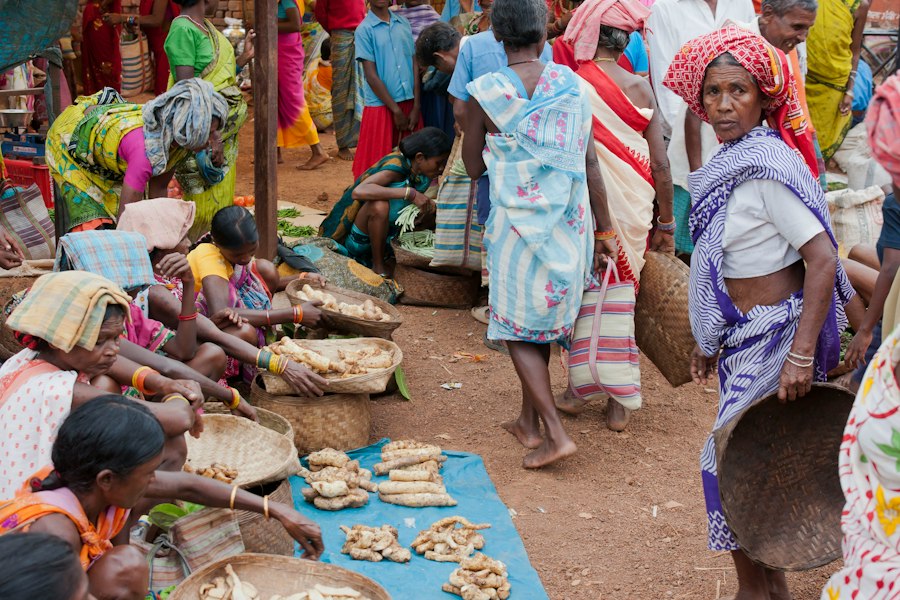
The utility of food extended far beyond its role in immediate survival. Prehistoric peoples understood that the strategic exchange of food could mediate conflict, solidify alliances, and facilitate trade. These exchanges were not always between friendly groups; they could also occur between potential rivals, serving as a means to de-escalate tensions and prevent outright conflict.
Mediating Disputes Through Shared Meals
The concept of a “peace offering” likely has ancient roots, with food playing a central role. Imagine two groups on the brink of conflict, their territories perhaps overlapping or resources contested. Instead of immediate aggression, one group might extend an invitation for a shared meal. This act, by its very nature, required a temporary cessation of hostilities and a willingness to sit together, breaking bread as it were. The shared meal served as a neutral ground, a space where dialogue could begin, and where the shared human experience of sustenance could foster empathy and understanding. The presence of food, prepared and shared in common, created a palpable sense of shared vulnerability and interdependence, making the prospect of violence less appealing for all involved.
Sealing Alliances with Feasts and Gifts
Alliances, essential for defense, territorial expansion, and access to resources, were often cemented through elaborate food exchanges. Feasts, involving the preparation and consumption of large quantities of food, served as potent rituals for solidifying group identity and commitment. When two groups allied, they would likely engage in reciprocal feasting, demonstrating their shared strength and willingness to support one another. Furthermore, gifts of food, particularly those that were difficult to obtain or highly valued, would be exchanged to mark significant agreements or to celebrate successful joint endeavors. These culinary ceremonies served as public affirmations of commitment, reinforcing the bonds of alliance and ensuring mutual support in times of need.
The Significance of Scarce and Prized Resources in Diplomacy
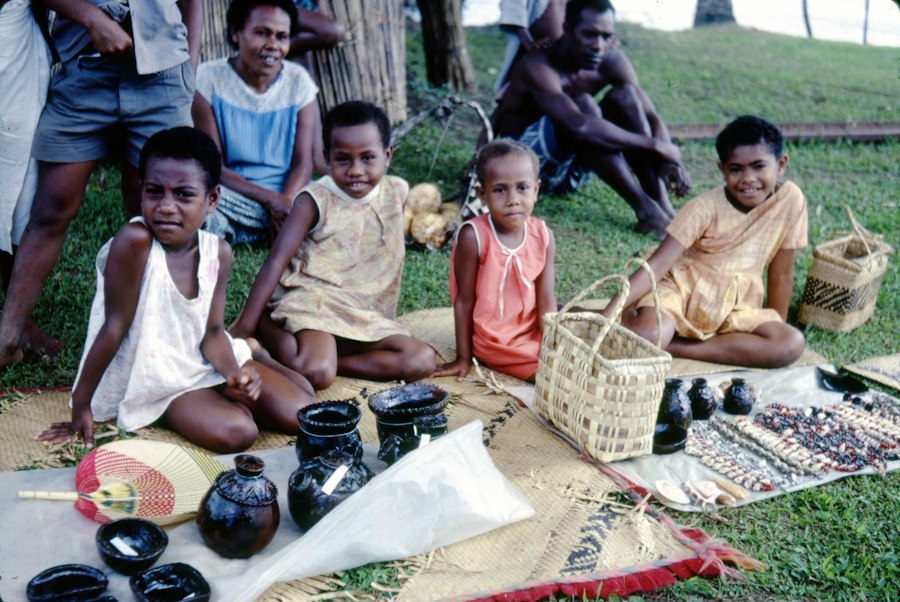
The strategic value of food in prehistoric diplomacy was amplified by the inherent scarcity of certain resources. Access to specific food types, knowledge of their procurement, or the ability to transport them over long distances conferred considerable social and political capital. These rare commodities became not just sustenance but also powerful bargaining chips.
Trade Routes and the Movement of Exotic Foods
The development of long-distance trade routes in prehistory was intrinsically linked to the exchange of food. Certain regions may have been rich in specific types of grains, fruits, or animal products that were highly sought after elsewhere. The movement of these goods fostered intergroup contact and interdependence. For example, the exchange of obsidian, used for toolmaking, was often accompanied by the exchange of food. Traders carrying valuable raw materials would also bring sought-after foodstuffs, further enriching the diplomatic and economic aspects of their journeys. These exchanges not only satisfied dietary needs but also introduced new flavors, culinary techniques, and cultural practices, enriching the lives of those involved.
The Power of the “Host”: Control Over Food Distribution
Individuals or groups who controlled the distribution of scarce or highly prized foods wielded significant influence. They could leverage this control to build relationships, extract favors, or solidify their social standing. A chieftain or a successful hunter who consistently provided for their community and extended their generosity to others was likely to command respect and loyalty. This control over food resources was a tangible demonstration of power and the ability to ensure the well-being of the group, making them natural leaders and effective negotiators. The act of withholding or bestowing food could be a powerful diplomatic tool, shaping alliances and influencing the behavior of others.
The Ritualistic and Symbolic Dimensions of Food Exchange
Prehistoric food exchanges were rarely purely pragmatic. They were often imbued with ritualistic and symbolic meaning, transforming simple acts of sharing into profound expressions of social and political intent. These rituals reinforced group identity, solidified hierarchies, and communicated complex messages to both insiders and outsiders.
Feasting as a Ritual of Belonging and Exclusion
Feasting was a cornerstone of prehistoric social life, serving as a powerful mechanism for reinforcing group cohesion. When an allied group participated in a feast, they were not just eating together; they were being initiated into a shared experience, a temporary immersion into the host group’s culture and values. This shared consumption of food created a sense of “us,” strengthening bonds within the allied group and marking them as distinct from others. Conversely, the exclusion from such feasts could be a clear indication of social ostracism or a lack of alliance, a subtle but effective form of diplomatic signaling. The careful planning and execution of feasts, including the types of food served and the seating arrangements, conveyed messages about status, kinship, and the nature of the relationship between the groups.
Ceremonial Food Offerings and Ancestral Veneration
In many prehistoric cultures, food played a central role in religious and ceremonial practices, including offerings to ancestors or deities. These offerings, often involving meticulously prepared and presented food items, were a way of communicating with the spiritual realm and seeking blessings or guidance. When these practices involved intergroup relations, they could take on a diplomatic dimension. For example, a group might offer specific food items to the ancestors of an allied group, acknowledging their shared spiritual heritage and reinforcing the bonds between the living. This spiritual dimension added another layer of solemnity and significance to food exchanges, elevating them beyond mere material transactions.
In exploring the fascinating concept of prehistoric diplomacy through the exchange of food, one can draw parallels to modern trade dynamics, such as those discussed in a recent article about the impact of Sheinbaum on US-Mexico trade. This article highlights how cultural exchanges and trade relationships continue to shape diplomatic ties between nations, much like the early human interactions that relied on the sharing of resources. For more insights on this topic, you can read the full article here.
The Enduring Legacy of Prehistoric Food Diplomacy
| Metric | Description | Example | Significance in Prehistoric Diplomacy |
|---|---|---|---|
| Type of Food Exchanged | Varieties of food items traded between groups | Meat, grains, nuts, fruits, fish | Indicates resource availability and specialization |
| Distance of Exchange | Geographical range over which food was exchanged | 10-100+ kilometers | Reflects extent of social networks and alliances |
| Frequency of Exchange | How often food exchanges occurred | Seasonal, annual, or event-based | Shows regularity and strength of diplomatic ties |
| Quantity of Food Exchanged | Amount of food traded during exchanges | Measured in kilograms or estimated volume | Represents scale of cooperation and mutual support |
| Associated Rituals | Ceremonial practices linked to food exchange | Feasting, gift-giving ceremonies | Enhances social cohesion and trust |
| Evidence Type | Archaeological or anthropological data supporting exchange | Residue analysis, tool marks, settlement patterns | Validates existence and nature of prehistoric diplomacy |
The practices of prehistoric peoples in using food for diplomatic purposes have left an indelible mark on human societies. The fundamental principles of reciprocity, shared meals as conflict resolution, and the symbolic power of food are still evident in diplomatic practices today, albeit in more complex and formalized ways. Understanding these ancient roots provides a deeper appreciation for the enduring human need for connection and cooperation, driven by the simple yet profound act of sharing a meal.
Modern Parallels: From State Dinners to Humanitarian Aid
The echoes of prehistoric food diplomacy are discernible in contemporary diplomatic endeavors. State dinners, where leaders share meals in elaborate settings, serve as direct descendants of prehistoric feasting rituals, aimed at fostering rapport and understanding. The exchange of food aid, in times of crisis or conflict, is a modern manifestation of using sustenance to build bridges and alleviate suffering. While the scale and formality have changed, the underlying principle remains the same: food as a vehicle for empathy, cooperation, and the establishment of positive relationships. The act of breaking bread, whether between two ancient hunter-gatherer bands or two global powers, continues to be a powerful symbol of shared humanity and a testament to the enduring diplomatic force of sustenance.