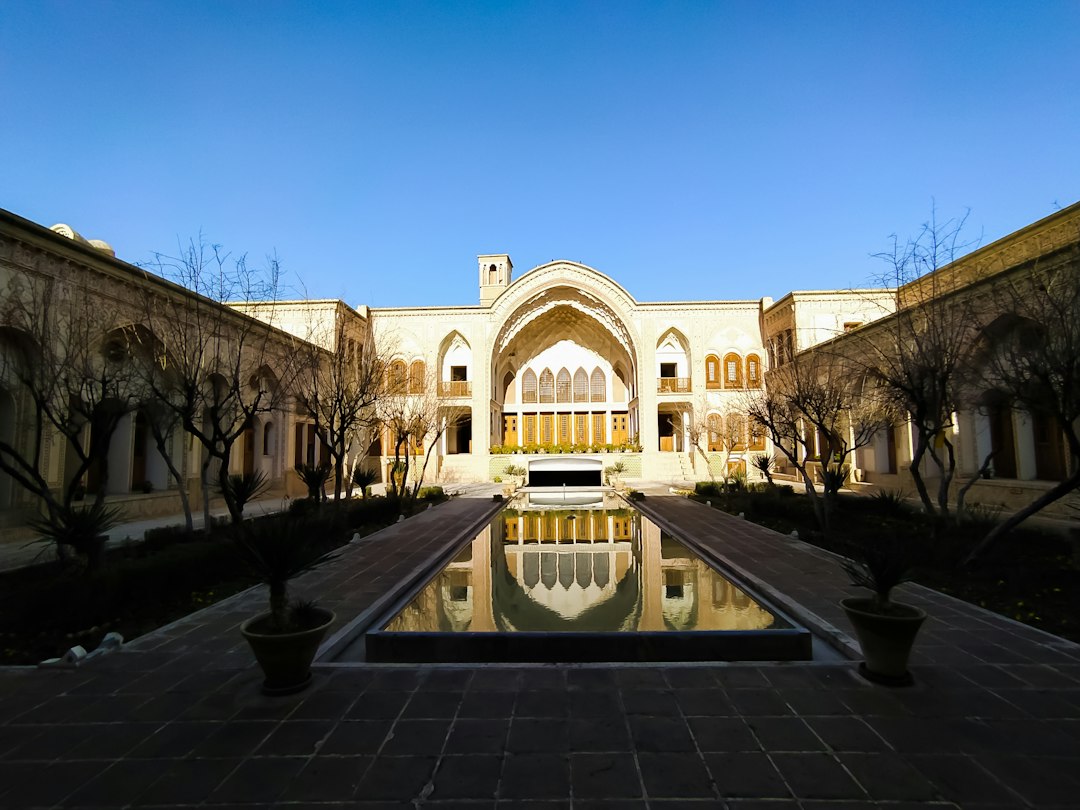
The Enduring Pulse of Iran’s Ancient Aqueducts
The arid landscapes of Iran, stretching across vast swathes of desert and mountain, have long presented a formidable challenge to human habitation. Yet, for millennia, civilizations have not only survived but thrived in these seemingly inhospitable environments, largely thanks to a remarkable feat of engineering and a profound understanding of water management: the qanat. More than just a collection of wells and tunnels, the qanat is a living testament to human ingenuity, an ancient artery that continues to supply life-giving water to communities across the nation. Exploring these active qanats offers a unique glimpse into a sophisticated water culture that predates recorded history and remains surprisingly relevant in the face of modern environmental challenges.
The qanat system, known by various names in different regions of Iran and the wider Middle East, represents a sophisticated method of tapping into underground water sources, typically aquifers, and channeling them to the surface through a series of precisely engineered subterranean tunnels. Unlike surface irrigation systems that are vulnerable to evaporation and prone to contamination, qanats bring water directly from its underground reservoir to where it is needed, minimizing loss and ensuring a cleaner supply. The construction and maintenance of these intricate networks required immense labor, meticulous planning, and an intimate knowledge of geology and hydrology, skills passed down through generations. Today, while facing pressures from modernization and changing water tables, many qanats still function, providing a vital link to Iran’s past and a crucial resource for its present.
The ancient irrigation system of qanats in Iran has long been a subject of interest for historians and environmentalists alike, showcasing the ingenuity of early engineering in arid regions. For those looking to explore more about the intersection of natural resources and economic stability, a related article discusses the role of physical silver as a safe haven from government interventions. You can read more about this intriguing topic by following this link: Is Physical Silver a Safe Haven from Government?.
Unearthing the Origins of the Qanat System
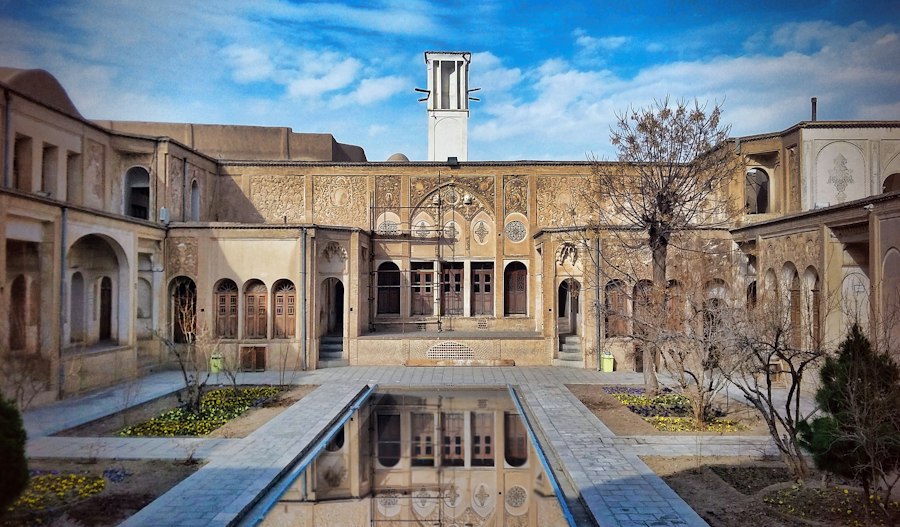
The genesis of the qanat system is shrouded in the mists of antiquity, with scholarly debate placing its earliest development in Persia, a region that forms the heartland of modern-day Iran. While the exact timeline remains elusive, evidence suggests that the qanat emerged as a sophisticated response to the region’s naturally arid climate and the need for reliable water sources for agriculture and human consumption.
The Earliest Whispers of Subterranean Water Channels
Archaeological discoveries and historical texts provide tantalizing clues about the qanat’s nascent stages. While definitive proof of the earliest qanats is scarce, the development of irrigation techniques in the Iranian plateau predates even the earliest empires. Some scholars point to the Elamite civilization, flourishing in southwestern Iran from around 2700 BCE, as potentially having early forms of controlled water management. However, the qanat as it is widely understood – a network of underground tunnels – likely solidified its form and function during later periods. The Achaemenid Empire (550–330 BCE) is often cited as a period of significant qanat expansion, with the empire’s vast administrative reach and its reliance on agriculture fostering the development and dissemination of this technology. The strategic importance of water for sustaining large populations and supporting military campaigns would have made qanats a prime focus of imperial investment and development.
The Technological Leap: From Surface to Subterranean
The transition from surface-based water extraction and irrigation to the sophisticated subterranean tunnels of the qanat system represented a profound technological leap. Early forms of water management might have involved simple wells or rudimentary surface channels. However, the qanat’s innovation lay in its ability to access and transport water from deep underground aquifers without significant loss to evaporation, a critical factor in arid environments. This involved a deep understanding of the water table, soil mechanics, and the principles of gravity. The construction process itself was a marvel of ancient engineering, often requiring the excavation of long, sloping tunnels through solid rock and soil.
The key components of a qanat are the “madahan” (mother well or access shaft), which is sunk vertically to tap the aquifer; the “galeri” or “karez” (the main conveyance tunnel), which slopes gently downhill from the madahan to the surface; and a series of “chah” (access wells) dug at intervals along the galeri, primarily for ventilation and maintenance. The precise gradient of the galeri was crucial; too steep, and the water would flow too rapidly, causing erosion and potential tunnel collapse; too shallow, and the water would not reach its destination. This delicate balance demonstrates a sophisticated understanding of fluid dynamics and geological stability, achieved through empirical observation and skilled craftsmanship.
The Art and Science of Qanat Construction
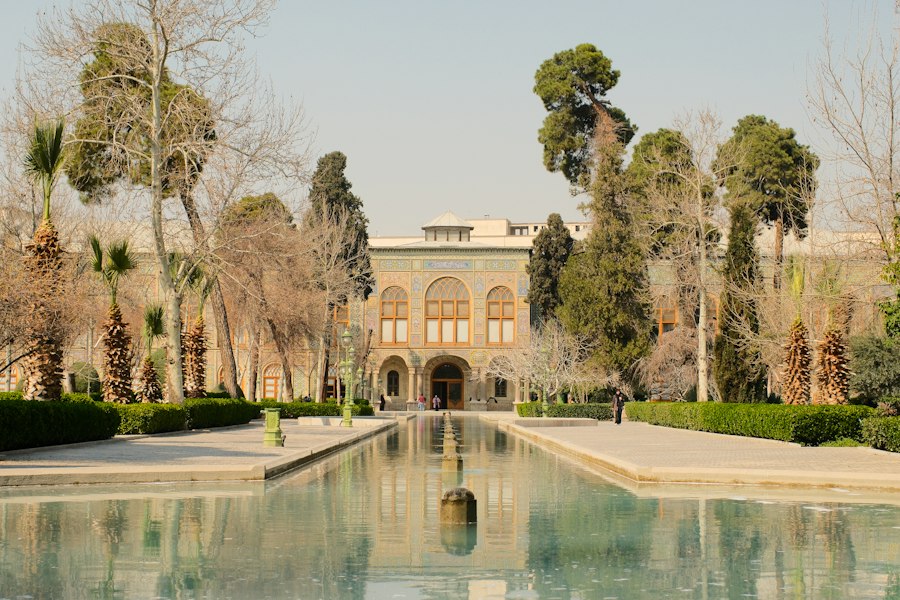
Building a qanat was not a simple excavation project; it was a complex undertaking that demanded a deep understanding of natural forces, meticulous planning, and a dedicated workforce. The longevity of many qanats is a testament to the skill and foresight of their ancient builders.
Geological Survey and Aquifer Identification
Before any digging commenced, a thorough geological survey of the chosen area was paramount. Experienced qanat builders, often referred to as “mirab” or water masters, possessed an innate ability to identify promising locations. They would observe surface indicators such as vegetation patterns, the presence of specific rock formations, and subtle changes in topography that suggested the presence of underground water. This empirical knowledge, honed over centuries, allowed them to pinpoint potential aquifers and estimate their depth and yield. The process involved careful observation of the terrain, understanding how rainfall percolated through the soil and rock layers, and identifying geological strata conducive to holding and transmitting groundwater. This initial phase was critical, as a miscalculation could lead to years of fruitless labor and wasted resources.
The Excavation Process: Laborious Tunnels and Vertical Access
The construction of the qanat tunnel, the “galeri,” was an arduous and often dangerous undertaking. Teams of laborers, armed with rudimentary tools like pickaxes, shovels, and hammers, would meticulously excavate the tunnel by hand. The work progressed simultaneously from the “madahan” (the upper well tapping the aquifer) and from the “chah” (vertical access wells dug at intervals). This method allowed for the removal of excavated material and provided ventilation, essential for the safety of the workers. The excavated soil was typically hauled up in baskets or buckets. The tunnel itself was carefully shaped and reinforced where necessary, often with baked bricks or stone, to prevent collapse. The gradient of the galeri was maintained with remarkable precision, ensuring a steady flow of water to the surface without excessive speed or stagnation. The depth of the madahan could range from a few meters to hundreds of meters, depending on the depth of the aquifer. The length of the galeri could extend for kilometers, making the qanat a truly monumental engineering feat.
Maintaining the Flow: Ventilation and Maintenance Wells
The “chah” or access wells served multiple crucial purposes. Foremost among them was ventilation. The long, subterranean tunnels would have been hazardous without a constant supply of fresh air, and these wells facilitated this essential exchange. They also provided access for inspection and maintenance. Over time, qanats could become silted up, or sections of the tunnel might require repair. The chah allowed workers to descend into the galeri, clear blockages, and shore up weak points. The spacing of these wells was determined by the length of the tunnel and the need for regular access, often at intervals of 20 to 30 meters. The precise positioning and construction of these wells were as critical to the qanat’s long-term functionality as the main tunnel itself.
The Socio-Economic Fabric Woven by Qanats
Qanats were not merely feats of engineering; they were the lifeblood of Iranian society, shaping settlement patterns, fostering agricultural prosperity, and influencing social structures for millennia. Their continued operation, even in modified forms, highlights their enduring significance.
Sustaining Agriculture in Arid Lands
The most significant impact of the qanat system was its ability to transform arid and semi-arid regions into fertile agricultural landscapes. By providing a consistent and reliable supply of water, qanats enabled the cultivation of a diverse range of crops, from grains and fruits to vegetables. This agricultural surplus was crucial for supporting burgeoning populations, facilitating trade, and fostering economic growth. Villages and towns naturally clustered around the outlets of qanats, creating vibrant centers of life in otherwise barren areas. The water rights associated with qanats were highly prized, and their equitable distribution was a cornerstone of community governance. The very existence of these agricultural settlements was intrinsically linked to the functioning of the qanat system.
Water Rights and Community Governance
The management and distribution of qanat water were governed by complex and deeply entrenched systems of water rights and customary laws. These traditions, often predating formal legal systems, ensured that water was allocated fairly among users and that the maintenance of the qanat was a shared responsibility. The “mirab,” or water master, played a pivotal role in this governance, overseeing the distribution of water, mediating disputes, and organizing maintenance work. The equitable distribution of water was vital for preventing conflict and maintaining social cohesion within communities. The concept of collective ownership and responsibility for the qanat fostered a strong sense of community interdependence. Each household or landowner typically had a defined share of the water, often measured in terms of the time the water flowed to their fields or the volume of water they received.
Enduring Legacy and Modern Adaptations
Despite the advent of modern irrigation technologies, such as pumps and pipelines, many qanats in Iran continue to operate. While some have been abandoned or fallen into disrepair due to declining water tables or the cost of maintenance, others have been modernized or integrated into contemporary water management strategies. In some areas, electric pumps have been installed at the qanat outlets to supplement the gravity-fed flow, or new wells have been dug to tap into the same aquifer. However, the traditional qanat still provides a more sustainable and less energy-intensive solution in many rural areas, particularly where electricity is unreliable or expensive. Furthermore, the cultural and historical significance of these ancient systems is increasingly recognized, leading to efforts towards their preservation and revitalization as heritage sites and educational resources. The resilience of these ancient systems speaks volumes about their fundamental effectiveness.
The intricate system of active qanats in Iran showcases an ancient method of irrigation that has sustained communities for centuries. These underground channels not only provide water to arid regions but also reflect the ingenuity of traditional engineering. For those interested in exploring unique environmental adaptations, a fascinating read can be found in an article about Antarctica’s hidden coastline, which highlights how different cultures and ecosystems respond to their environments. You can check it out here.
The Challenges and Future of Iran’s Qanats
| Region | Number of Active Qanats | Average Length (km) | Water Discharge (liters/second) | Year Surveyed |
|---|---|---|---|---|
| Kerman Province | 3,000 | 5.2 | 15 | 2020 |
| Yazd Province | 2,500 | 4.8 | 12 | 2020 |
| Isfahan Province | 1,800 | 6.0 | 18 | 2020 |
| Fars Province | 1,200 | 5.5 | 14 | 2020 |
| Razavi Khorasan | 1,000 | 4.3 | 10 | 2020 |
While the qanat system has demonstrated remarkable resilience, it faces significant challenges in the modern era. Understanding these challenges is crucial for ensuring the survival of this invaluable heritage and its continued contribution to water security.
Declining Water Tables and Climate Change
One of the most pressing threats to the qanat system is the widespread decline in groundwater levels. Increased demand for water from agriculture, industry, and urban populations, coupled with a changing climate that has led to reduced rainfall in many regions, has put immense pressure on underground aquifers. Over-extraction of water through modern pumping technologies further exacerbates this problem, often leading to the dewatering of qanats that were designed for natural flow. The long-term impacts of climate change, including increased temperatures and altered precipitation patterns, are likely to intensify these water scarcity issues, posing a significant threat to the sustainability of qanat systems. The delicate balance that qanats rely on is being disrupted by forces beyond their historical context.
Modernization Pressures and Abandonment
The allure of modern conveniences and more efficient technologies has also contributed to the decline of some qanats. The labor-intensive nature of qanat maintenance, combined with the availability of subsidized electricity for pumps, has made modern solutions appear more attractive to some communities. In cases where the economic benefits of maintaining a traditional qanat are perceived to be outweighed by the costs and labor involved, qanats are sometimes abandoned. This can lead to the loss of invaluable historical structures, traditional knowledge, and a sustainable water source, potentially forcing communities to rely on more expensive and less environmentally friendly alternatives. The economic realities of rural life often clash with the historical value of these systems.
Preservation Efforts and Sustainable Water Management
Recognizing the immense cultural and practical value of qanats, various organizations and governmental bodies in Iran are actively engaged in preservation efforts. These initiatives include restoring abandoned qanats, documenting traditional construction techniques and water management practices, and educating communities about the importance of these systems. There is a growing understanding that qanats, when managed sustainably, can offer a viable and environmentally sound solution to water scarcity. By integrating traditional qanat knowledge with modern hydrological science, and by promoting responsible water usage, it may be possible to ensure that these ancient arteries continue to flow for generations to come. The future of qanats lies in a harmonious blend of past wisdom and present innovation, ensuring that this ancient technology remains a vital component of Iran’s water security.
The Global Resonance of Iran’s Ancient Aqueducts
The lessons learned from Iran’s active qanats extend far beyond its national borders. The principles of decentralized water management, community involvement, and sustainable resource utilization inherent in the qanat system hold significant relevance for addressing water challenges worldwide.
A Model for Arid Land Development
For nations facing similar arid or semi-arid conditions, the qanat system offers a compelling historical precedent and a potentially adaptable model for water resource development. The ability of qanats to tap into deep groundwater, minimize evaporation, and provide a relatively clean water supply without the need for extensive energy infrastructure makes them an attractive option, particularly in regions with limited financial resources or unreliable access to electricity. Studying the successful implementation and maintenance of qanats in Iran can provide valuable insights for developing similar systems in other parts of the world, fostering greater water security and supporting agricultural livelihoods in vulnerable environments. The ingenuity displayed in Iran’s deserts could inspire solutions for arid lands globally.
The Importance of Traditional Ecological Knowledge
The survival of active qanats underscores the profound value of traditional ecological knowledge (TEK). For centuries, communities that relied on qanats developed a deep, nuanced understanding of their local environment, including soil types, rainfall patterns, and groundwater dynamics. This knowledge, often passed down orally through generations, allowed them to build and maintain these complex systems effectively. In an era increasingly concerned with sustainability and resilience, there is a growing recognition of the critical role that TEK can play in addressing environmental challenges. The qanat system serves as a powerful reminder that ancient wisdom, when combined with scientific understanding, can offer innovative and enduring solutions for the future. The human connection to the land, cultivated through generations, is a resource in itself.
Qanats as UNESCO World Heritage and Living Museums
The recognition of numerous qanat systems in Iran as UNESCO World Heritage Sites highlights their global significance and underscores the importance of their preservation. These sites are not merely historical relics; they are living museums, showcasing a unique blend of engineering, social organization, and environmental adaptation. By visiting and studying active qanats, researchers, policymakers, and the general public can gain a deeper appreciation for the ingenuity of past civilizations and the enduring relevance of sustainable water management practices. The continued operation of these ancient systems provides an invaluable opportunity to learn from the past, inform present-day strategies, and inspire future generations to embrace responsible stewardship of our planet’s most precious resource. The pulse of these ancient systems continues to beat, offering a vital connection to our shared human history and a beacon of hope for a water-secure future.
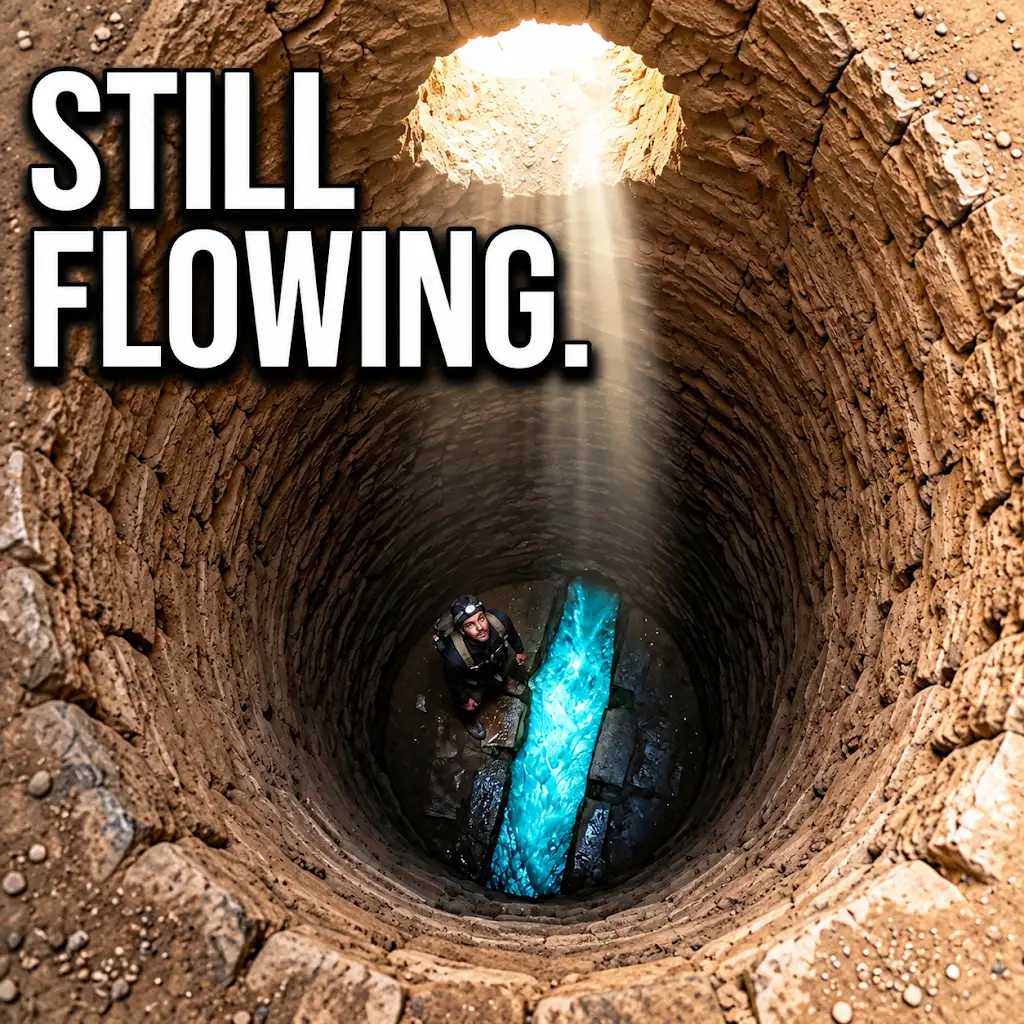
They Dug Water Tunnels Under the Desert… And They Still Flow
FAQs
What is a qanat?
A qanat is an underground channel used to transport water from an aquifer under a hill to the surface, providing irrigation for agriculture and drinking water for communities.
How do active qanats in Iran function?
Active qanats in Iran rely on a system of tunnels and vertical shafts to bring groundwater to the surface, where it is then distributed to fields and villages through a network of smaller channels.
Why are qanats important in Iran?
Qanats have been crucial to the development of agriculture and settlement in arid regions of Iran for over 3,000 years, providing a sustainable source of water in areas where surface water is scarce.
What are some challenges facing active qanats in Iran today?
Modernization, urbanization, and changes in land use have led to the neglect and abandonment of many qanats in Iran, threatening the traditional water management system and the communities that rely on it.
Are there efforts to preserve and restore active qanats in Iran?
Yes, there are ongoing efforts by government agencies, NGOs, and local communities to preserve and restore active qanats in Iran, recognizing their cultural and historical significance as well as their importance for sustainable water management.