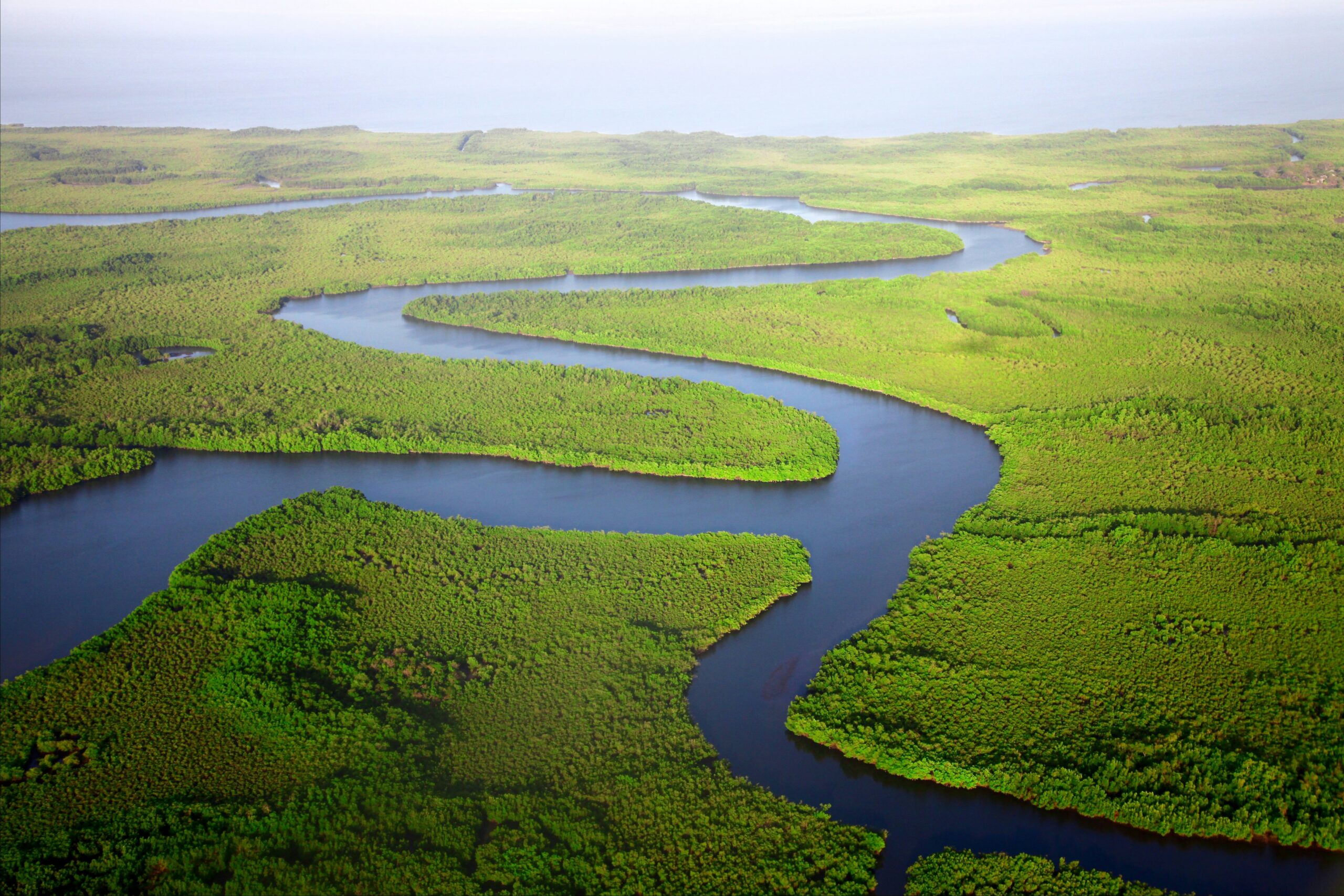
Africa, a continent steeped in history and breathtaking natural beauty, unveils another layer of its profound narrative in the documentary series, Exploring Africa’s Ancient Rivers. This compelling series invites viewers on an immersive journey, tracing the lifeblood of the continent – its colossal rivers – from their mythical sources to their mighty deltas. More than just a geographical exploration, the documentary delves into the interwoven tapestry of human civilization, biodiversity, and geological marvels that these ancient waterways have sustained for millennia. It’s a testament to the enduring power of nature and the resilience of life, presented through stunning cinematography, expert insights, and captivating storytelling.
The documentary doesn’t merely map out the courses of these iconic rivers; it excavates their stories. It reveals how these arteries of water have shaped landscapes, influenced the development of civilizations, and served as conduits for trade, culture, and conflict. From the life-giving Nile to the enigmatic Congo, each river segment becomes a character in its own right, with its own unique history, challenges, and ecological significance. The series masterfully blends an accessible scientific approach with a deep appreciation for the cultural heritage that these rivers have fostered, making it an educational and profoundly moving experience for a global audience.
The Unseen Architects: Rivers as Geological Sculptors
One of the most striking aspects of Exploring Africa’s Ancient Rivers is its unwavering focus on the transformative power of these waterways as geological agents. The documentary artfully illustrates how rivers, over vast epochs, have been the primary architects of Africa’s dramatic landscapes. Through time-lapses, satellite imagery, and expert geological commentary, viewers gain a tangible understanding of the immense forces at play.
Carving the Canyons: The Eternal Dance of Erosion
The series dedicates significant attention to the dramatic process of erosion, showcasing how the relentless flow of water has sculpted awe-inspiring canyons and valleys. The power of the Zambezi, for instance, is vividly depicted as it plunges over Victoria Falls, a spectacle that exemplifies the raw force of water shaping rock. Experts explain the geological processes involved, from abrasion by suspended sediment to the hydraulic action of water, illustrating how these seemingly slow processes, over millions of years, result in monumental geological formations. The documentary uses CGI to visualize these processes over geological timescales, transforming abstract scientific concepts into a visually engaging narrative.
The Grandeur of the Grand Canyon of Africa: A Closer Look at the Fish River Canyon
While not as globally recognized as its American counterpart, the Fish River Canyon in Namibia, explored in the documentary, is presented as a prime example of fluvial erosion at its most spectacular on the continent. The series meticulously details the geological history of the canyon, tracing its formation back to ancient rifting events that created weaknesses in the earth’s crust, which the river then exploited. The sheer scale and intricate patterns of the canyon walls are captured with stunning aerial photography, highlighting the patience and persistence of nature’s artistry. Geologists explain the rock strata, revealing layers that tell stories of ancient seas, volcanic activity, and the gradual uplift of the land, all etched by the persistent flow of water and sediment.
Depositing Life: The Fertile Basins and Deltas
Conversely, the documentary also illuminates the life-giving role of rivers as agents of deposition, creating some of Africa’s most fertile regions. The creation of vast sedimentary basins and sprawling deltas is presented not just as a geological phenomenon but as the very foundation for ecosystems and human settlement.
The Nile’s Gift: The Genesis of a Civilization
The Nile River’s impact on ancient Egypt is a central theme, emphasizing how its predictable annual floods, carrying nutrient-rich silt, transformed arid lands into a cradle of civilization. The series meticulously traces how this natural cycle allowed for surplus agriculture, enabling the development of a complex society, monumental architecture, and a rich cultural heritage. Archeologists and historians explain how ancient Egyptian society was intrinsically linked to the Nile’s rhythm, from religious beliefs to their calendar system. The documentary contrasts historical accounts with modern-day realities, showing how this fundamental relationship continues to influence the region, albeit in a modified form due to modern water management.
The Okavango Delta: A Natural Wonder of Inland Waterways
The Okavango Delta, a unique inland delta that never reaches the sea, is showcased as a testament to the diverse ways rivers shape landscapes. The documentary explores how the seasonal flooding of the Okavango River creates a vast, labyrinthine network of channels, lagoons, and islands that support an extraordinary array of wildlife. Ecologists discuss the delicate balance of this ecosystem, explaining how the ebb and flow of water dictate the migratory patterns of animals and the survival of unique plant species. The series captures the sheer beauty of the delta, from vast herds of elephants to the elusive predators that stalk the waterways, highlighting its status as a UNESCO World Heritage site and a vital biodiversity hotspot.
The documentary on ancient rivers in Africa provides a fascinating exploration of how these waterways shaped civilizations and cultures throughout history. For those interested in delving deeper into the topic of ancient history and its profound impact on human development, a related article titled “The Day of Two Suns: Ancient History Unveiled” offers valuable insights. You can read it by following this link: The Day of Two Suns: Ancient History Unveiled.
Waterways of Life: Rivers and Biodiversity
Beyond their geological impact, Exploring Africa’s Ancient Rivers profoundly underscores the critical role these rivers play in sustaining Africa’s unparalleled biodiversity. The documentary is a vibrant showcase of the millions of species that depend on these freshwater systems for survival, from the smallest microorganisms to the largest terrestrial mammals.
The Rivers as Nurseries: Breeding Grounds and Habitats
The series emphasizes how rivers, their floodplains, and associated wetlands serve as vital nurseries and essential habitats for a staggering array of flora and fauna. The Congo River basin, for instance, is presented as a biodiversity hotspot of global significance, largely due to the vast network of tributaries and rainforest it supports.
The Amazon of Africa: The Unrivaled Richness of the Congo Basin
The documentary goes to great lengths to illustrate the sheer immensity and ecological complexity of the Congo River and its basin. Viewers are treated to breathtaking footage of dense rainforests teeming with life, from elusive gorillas and chimpanzees to an astonishing variety of birdlife and insects. Biologists explain the intricate food webs and symbiotic relationships that have evolved within this unique environment. The series highlights the importance of the Congo as a carbon sink and its disproportionate role in regulating global climate patterns, making its preservation a matter of international concern. The challenges of conservation in this vast and often remote region are also broached, underscoring the delicate balance between human needs and ecological integrity.
The Lifelines of the Savanna: From the Serengeti to the Okavango
The documentary also revisits the importance of rivers in more arid regions, demonstrating how they act as essential lifelines. The Mara River, a crucial source of water for the great wildebeest migration in Kenya and Tanzania, is featured prominently. The series captures the drama of the river crossings, a perilous but essential part of the annual cycle that sustains both the migrating herds and the predators that follow them. Similarly, the seasonal rivers of the Kalahari Desert are shown supporting ephemeral ecosystems that burst into life after rains, demonstrating how even intermittent water sources are vital for survival in harsh environments.
The Apex Predators: A Symphony of the Waterways
The apex predators that inhabit and rely on these river systems are a recurring and captivating element of the documentary. From Nile crocodiles to African fish eagles, their presence signifies a healthy and thriving ecosystem.
The Reign of the Reptiles: Crocodiles and Their Aquatic Dominance
The documentary dedicates segments to the formidable Nile crocodile, showcasing its predatory prowess and its intrinsic role in maintaining the ecological balance of rivers like the Zambezi and the Nile. Experts explain the hunting strategies of these ancient reptiles, their breeding behaviors, and their importance as indicators of river health. The series doesn’t shy away from the raw reality of predator-prey dynamics, presenting these interactions with respect and scientific accuracy, highlighting the efficiency and beauty of natural selection at play.
The Feathered Hunters: Birds of Prey and Riverine Ecosystems
The vibrant birdlife that thrives along Africa’s rivers is another visual feast. The documentary showcases the impressive array of waterbirds, from flamingos to pelicans, and the magnificent birds of prey that patrol the skies. The African fish eagle, with its iconic call and striking silhouette, is a frequent star, demonstrating its aerial acrobatics as it snatches fish from the water. Ornithologists explain the specific adaptations of these birds to their aquatic environments and the critical role they play in the food chain.
Echoes of Humanity: Rivers as the Cradle of Civilization
Exploring Africa’s Ancient Rivers persuasively argues that these waterways are not merely natural phenomena but are inextricably linked to the rise and development of human civilization on the continent. The documentary traces the historical footprints left by ancient peoples along the riverbanks, revealing how they harnessed, adapted to, and were shaped by these powerful natural forces.
The documentary on ancient rivers in Africa provides a fascinating exploration of how these waterways shaped early civilizations and influenced cultural development across the continent. For those interested in understanding the broader implications of geographical features on human history, a related article discusses the strategic importance of space in modern geopolitics, which can be found here. This connection highlights how both ancient and contemporary landscapes play crucial roles in shaping societies and their interactions.
The First Settlements: Rivers as Magnets for Early Humans
The documentary delves into archeological evidence that highlights the primordial attraction of rivers for early human settlements. Prehistoric sites located along major river systems are explored, revealing how humans found water, food, and fertile land conducive to their survival and the development of early communities.
The Crossroads of Culture: Ancient Trade Routes and Migrations
The role of rivers as natural highways for trade, migration, and cultural exchange is a central theme. The Niger River, for instance, is presented as a vital artery that facilitated the growth of ancient West African empires like Mali and Songhai, enabling the movement of goods, people, and ideas across vast distances. The documentary vividly illustrates how these waterways fostered interconnectedness and spurred the development of complex societal structures. Historians recount tales of ancient mariners, merchants, and explorers who navigated these waters, shaping the cultural landscape of the continent for centuries.
The Nile Valley: A Blueprint for Early Urbanization
The enduring legacy of the Nile Valley civilization is explored in depth, demonstrating how the river provided the blueprint for early urbanization and the establishment of sophisticated societies. The documentary examines the ingenious irrigation systems developed by ancient Egyptians, their advanced agricultural practices, and the administrative structures that managed these vital resources. The series highlights how the Nile was not just a source of sustenance but a unifying force that enabled the construction of monumental architecture and the development of a writing system, leaving an indelible mark on human history.
Resilience and Adaptation: Living with the Rivers
The documentary also shines a light on the resilience and adaptability of human populations who have learned to live in harmony with the often-unpredictable nature of Africa’s rivers. From ancient flood-control techniques to modern-day challenges, the series showcases the enduring human spirit.
Traditional Wisdom: Floodplain Farming and Sustainable Practices
The series explores the rich tradition of floodplain farming practiced by communities along rivers like the Senegal and the Zambezi. Experts and local inhabitants share their knowledge of the river’s cycles, demonstrating time-honored techniques for maximizing agricultural yields while minimizing the risks of flooding. This segment offers a valuable lesson in sustainable living and the importance of understanding and respecting natural rhythms. The documentary highlights how this traditional wisdom, passed down through generations, continues to be vital for the survival of many communities, even in the face of modern technological advancements.
The Challenges of the Present: Modern Water Management and Climate Change
Exploring Africa’s Ancient Rivers does not shy away from the contemporary challenges faced by these crucial waterways. The documentary addresses the complexities of modern water management, the impact of dams and irrigation projects, and the growing threat of climate change on river flows and ecosystems. Discussions with hydrologists, environmental scientists, and local leaders provide a nuanced perspective on the delicate balance between human development, resource utilization, and the long-term health of these vital river systems. The series serves as a stark reminder of the interconnectedness of human actions and environmental consequences, urging viewers to consider the future of these ancient lifelines.
The Future Flows: Conservation and Sustainability
The culminating theme of Exploring Africa’s Ancient Rivers is the urgent need for conservation and sustainable management of these invaluable resources for future generations. The documentary presents a hopeful outlook by showcasing innovative conservation efforts and highlighting the crucial role of collaboration.
Protecting a Precious Heritage: Conservation Initiatives in Action
The series shines a spotlight on inspiring conservation projects that are working to protect riverine ecosystems and the biodiversity they support. From anti-poaching efforts along protected river corridors to wetland restoration projects, viewers are exposed to the dedication and passion of individuals and organizations committed to safeguarding Africa’s natural heritage.
Restoring the Balance: Wetland Conservation and Biodiversity Hotspots
The documentary emphasizes the critical importance of wetlands in filtering water, preventing floods, and providing essential habitats. It showcases successful wetland restoration projects in areas like the Inner Niger Delta, where efforts are underway to combat desertification and preserve the rich biodiversity that depends on these fragile ecosystems. These segments offer tangible examples of how proactive measures can make a significant difference in preserving ecological health.
The Power of Partnership: Community Engagement and International Collaboration
Exploring Africa’s Ancient Rivers underscores the vital role of community engagement and international collaboration in effective conservation. The series features examples of how local communities are being empowered to become stewards of their river systems, benefiting from sustainable tourism and traditional knowledge. Furthermore, it highlights the importance of cross-border cooperation in managing shared river basins, demonstrating how working together is essential for addressing complex environmental challenges.
A Legacy in Perpetuity: The Call to Action
The documentary concludes with a powerful call to action, urging viewers to recognize the profound significance of Africa’s ancient rivers and the need for their preservation. It emphasizes that these waterways are not just geographical features but are living legacies, intrinsically linked to the continent’s past, present, and future.
The Ripple Effect: Individual and Collective Responsibility
The series encourages individual responsibility, suggesting that even small actions can contribute to a larger cause. From reducing water consumption to supporting sustainable tourism, the documentary empowers viewers to become active participants in conservation efforts. It stresses that the future of these rivers, and the countless lives they sustain, rests on a collective commitment to their protection.
A Vision for Tomorrow: Sustainable Development and Healthy Ecosystems
Ultimately, Exploring Africa’s Ancient Rivers offers a vision for a future where human development and healthy ecosystems can coexist. By showcasing the beauty, complexity, and profound importance of Africa’s ancient rivers, the documentary inspires a sense of awe, responsibility, and a shared hope for the enduring legacy of these magnificent waterways. It leaves viewers with a deeper understanding and a renewed appreciation for the irreplaceable value of these liquid lifelines that have shaped Africa for millennia and will continue to be its heart and soul for generations to come.

The Ancient World Buried Beneath the Sahara
FAQs

What is the documentary “Ancient Rivers in Africa” about?
The documentary “Ancient Rivers in Africa” explores the historical significance and geological impact of ancient rivers in Africa. It delves into the role these rivers played in shaping the continent’s landscape and influencing the development of human civilization.
Where can I watch the documentary “Ancient Rivers in Africa”?
The documentary “Ancient Rivers in Africa” may be available for streaming on various platforms such as streaming services, educational websites, or through purchase on DVD or Blu-ray. Check with your local libraries, educational institutions, or online retailers for availability.
Who produced the documentary “Ancient Rivers in Africa”?
The production of the documentary “Ancient Rivers in Africa” may be attributed to a specific production company, filmmaker, or organization. It is important to research the credits and production details to identify the individuals or entities responsible for creating the documentary.
What are some of the ancient rivers featured in the documentary “Ancient Rivers in Africa”?
The documentary “Ancient Rivers in Africa” may feature prominent ancient rivers such as the Nile, Congo, Niger, Zambezi, and Orange River. These rivers have played significant roles in the history, ecology, and culture of the African continent.
What can viewers expect to learn from the documentary “Ancient Rivers in Africa”?
Viewers can expect to gain insights into the geological, ecological, and cultural impact of ancient rivers in Africa. The documentary may also explore the connections between these rivers and the development of early human societies, as well as their relevance in contemporary Africa.