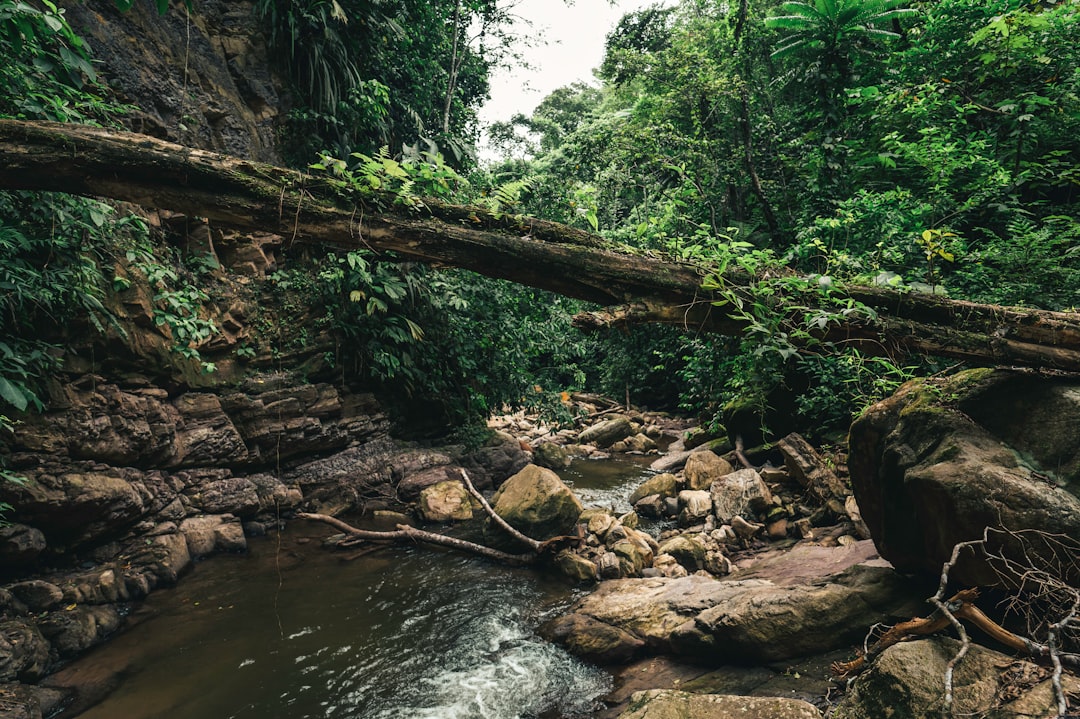
The emerald canopy of the Amazon rainforest, a vast and complex ecosystem, has long been perceived as a pristine wilderness, untouched by human hands. However, beneath the dense foliage and winding rivers lies a rich tapestry of human history, woven over millennia by indigenous peoples and later shaped by the arrival of Europeans. Exploring this human history is not merely an academic exercise; it is crucial for understanding the present-day Amazon, its ecological challenges, and the cultural diversity that defines it. This exploration delves into the deep past, examines the transformative impacts of colonization, and considers the ongoing relationship between humans and this extraordinary environment.
The narrative of human presence in the Amazon does not begin with the arrival of Christopher Columbus. For thousands of years before European contact, sophisticated societies thrived within the rainforest, adapting to its unique challenges and leaving behind significant archaeological evidence of their existence. These were not nomadic hunter-gatherer groups as often imagined, but rather sedentary communities with complex social structures, advanced agricultural practices, and a deep understanding of their environment.
Early Migrations and the Dawn of Settlement
The earliest evidence of human occupation in the Amazon basin dates back at least 12,000 years, with archaeological sites like Pedra Furada in Brazil suggesting even earlier habitation. These early inhabitants, likely descendants of the first humans to populate the Americas, gradually dispersed and adapted to the diverse environments of the vast Amazonian territory. Over time, they developed distinct cultural traditions and subsistence strategies.
Adapting to the Riverine Landscape
The Amazon River and its tributaries were the lifeblood of these early communities. Settlements often emerged along these waterways, facilitating transportation, providing access to abundant aquatic resources, and allowing for the development of sophisticated fishing techniques. Evidence of pottery, stone tools, and remnants of elaborate dwellings speaks to a settled lifestyle.
The Rise of Complex Societies: Terra Preta and Beyond
One of the most compelling pieces of evidence for advanced pre-Columbian Amazonian societies is the widespread presence of terra preta do índio, or “Indian black earth.” This exceptionally fertile anthropogenic soil, created through millennia of human activity, is far richer than the surrounding Amazonian soils.
The Science of Terra Preta
Terra preta is characterized by high levels of charcoal, organic matter, pottery shards, and animal bones. Its creation was likely a deliberate and sustained process of composting and soil management. Indigenous peoples would have accumulated organic waste, mixed it with charcoal from cooking fires, and added other materials to enrich the soil. This practice allowed them to cultivate crops intensively in what are otherwise nutrient-poor soils.
Agricultural Innovations
The existence of terra preta points to sophisticated agricultural practices, including the cultivation of staple crops like maize, manioc, beans, and various fruits. These were not just subsistence crops; their abundance likely supported larger populations and fostered the development of trade networks. Evidence of raised fields, irrigation systems, and terracing has also been found, further demonstrating the ingenuity of these early farmers.
Evidence of Large Populations and Social Stratification
The scale of terra preta deposits suggests that the Amazon was once home to significantly larger populations than previously thought. Archaeological surveys have revealed the remnants of extensive settlements, including mounds, earthworks, and plazas, indicating a degree of social organization and planning. Some scholars propose that these societies may have been stratified, with elites controlling resources and labor.
Settlement Patterns and Urbanism
While not cities in the European sense, some Amazonian settlements were remarkably large and organized. The discovery of sprawling earthworks and palisaded villages hints at a level of urbanism and defensive strategies. The sheer scale of these constructions challenges the notion of a perpetually sparse population in the pre-Columbian Amazon.
Material Culture and Spiritual Beliefs
The material culture unearthed from pre-Columbian Amazonian sites provides invaluable insights into the lives and beliefs of these ancient peoples. Pottery, often elaborately decorated, is a common find, revealing artistic skills and symbolic representations.
Ceramic Traditions and Iconography
The diversity of ceramic styles across the Amazon basin points to distinct cultural groups and extensive regional interaction. Motifs on pottery often depict animals, anthropomorphic figures, and geometric patterns, offering clues to their cosmology, mythology, and social practices. Some designs may have held spiritual or ceremonial significance.
Ritual and Ceremony
The presence of elaborate burial sites, specialized tools, and ceremonial objects suggests a rich spiritual life. These societies likely had complex belief systems that emphasized their connection to the natural world, the spirits of the forest, and the cycles of life and death.
The Amazon rainforest has a rich and complex human history that spans thousands of years, showcasing the intricate relationship between indigenous communities and their environment. For a fascinating perspective on how human presence can be sustained in challenging environments, you may find the article on securing long-term human presence on the Moon particularly relevant. It explores innovative strategies that could be applied to various ecosystems, including the Amazon. To read more about this topic, visit this article.
The Era of Encounter: European Arrival and its Ramifications
The arrival of Europeans in the Amazon in the 16th century marked a profound turning point in the region’s human history. This encounter was not one of peaceful coexistence but of conquest, exploitation, and cultural disruption, forever altering the trajectory of indigenous societies and the Amazon itself.
Early Explorations and the Quest for Riches
Driven by a lust for gold, silver, and exotic goods, European explorers and conquistadors ventured into the Amazon, embarking on perilous journeys fraught with disease, hostile environments, and resistance from indigenous peoples.
The Legends of El Dorado and the Amazons
Tales of mythical cities of gold, like El Dorado, and fierce warrior women, the Amazons, fueled the imaginations of explorers. These legends, while often exaggerated, spurred expeditions that led to the mapping of vast stretches of the Amazon and the first documented interactions with its inhabitants.
Francisco de Orellana’s Expedition
One of the most significant early expeditions was led by Francisco de Orellana in 1541-1542. His journey down the Amazon River provided the first detailed European account of the river and its surrounding lands, though his narrative was often colored by his own biases and desire to impress his patrons. He described encounters with numerous indigenous groups, some of whom fiercely defended their territories.
The Devastating Impact of Colonization
The European arrival brought with it a cascade of devastating consequences for Amazonian populations. Disease, violence, and enslavement decimated indigenous communities, leading to widespread depopulation and the erosion of cultural practices.
The Unseen Weapon: European Diseases
Perhaps the most insidious impact of European contact was the introduction of diseases to which indigenous populations had no immunity. Smallpox, measles, influenza, and other pathogens swept through communities, causing catastrophic mortality rates. Whole villages were wiped out, and the social fabric of many societies was irrevocably torn.
Demographic Collapse
The demographic collapse was staggering. Estimates suggest that millions of indigenous people perished in the centuries following European contact. This depopulation had profound consequences for the region’s ecology, as formerly cultivated areas returned to forest and the human pressure on resources diminished.
Enslavement and Forced Labor
European colonists, eager to exploit the Amazon’s resources, often resorted to enslaving indigenous peoples. They were forced to work in mines, on plantations, and in the extraction of valuable commodities like rubber and brazil nuts. This forced labor led to immense suffering, cultural assimilation, and further population decline.
The Rubber Boom and its Legacy
The late 19th and early 20th centuries saw the infamous rubber boom, which brought immense wealth to a select few but at a terrible human cost. Indigenous populations were brutally exploited to tap rubber trees, and the violence and oppression associated with this period are a dark chapter in Amazonian history.
The Imposition of New Systems: Religion and Governance
European colonizers sought to impose their own religious and political systems on the Amazon. Missionaries arrived with the intention of converting indigenous populations to Christianity, while colonial administrations attempted to establish their authority and extract resources.
The Role of Missionaries
While some missionaries worked to protect indigenous rights, many played a role in assimilation and the erosion of traditional beliefs and practices. The imposition of European languages and cultural norms often accompanied religious conversion.
Cultural Syncretism and Resistance
Despite the efforts of colonizers, indigenous cultures proved remarkably resilient. Many communities managed to preserve aspects of their traditions, often through syncretism – the blending of indigenous beliefs and practices with those of the colonizers. Resistance, both overt and subtle, was a constant feature of the colonial era.
The Modern Amazon: Exploitation, Conservation, and Indigenous Resilience
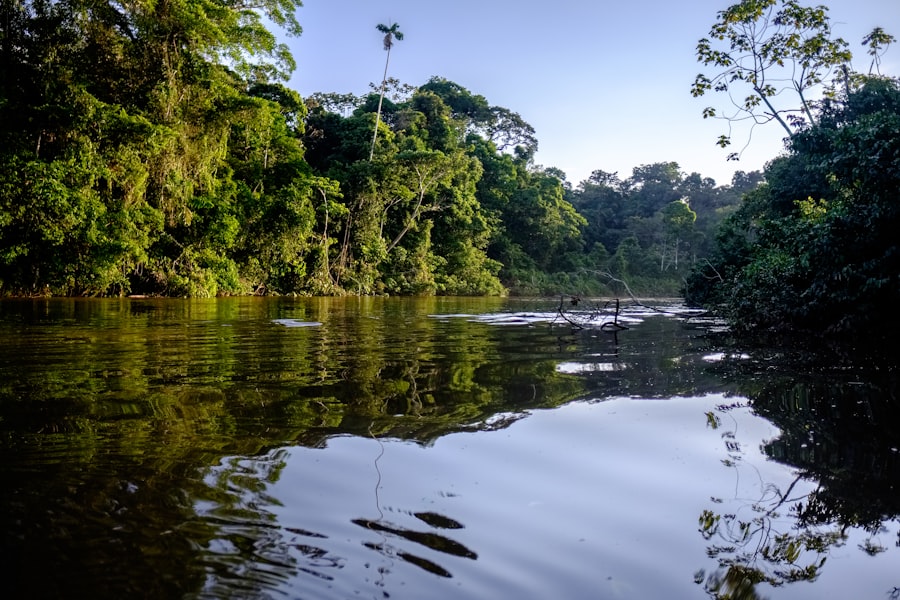
The legacy of colonization continues to shape the Amazon today. While the extractive industries and patterns of exploitation established in the past persist, there is also a growing awareness of the need for conservation and a renewed assertion of indigenous rights and resilience.
The Drive for Development: Resource Extraction and Deforestation
The 20th and 21st centuries have witnessed a relentless drive for development in the Amazon, often at the expense of its natural resources and indigenous populations. Agriculture, cattle ranching, logging, mining, and hydroelectric projects have led to widespread deforestation and environmental degradation.
The Expansion of Agriculture and Cattle Ranching
Vast swathes of the Amazon have been cleared for cattle ranching and the cultivation of soy and other crops. This expansion is a major driver of deforestation, threatening biodiversity and the livelihoods of indigenous communities.
Global Demand and Economic Pressures
The global demand for commodities like beef and soy puts immense economic pressure on the Amazon, encouraging further land clearing. Governments and corporations often prioritize economic growth over environmental protection, leading to a cycle of destruction.
Logging and Mining Industries
Illegal logging and large-scale mining operations, both legal and illegal, also contribute significantly to deforestation and environmental pollution. These industries often have devastating impacts on local ecosystems and the health of nearby communities.
The Socio-Environmental Consequences
The consequences of this relentless exploitation are far-reaching. Deforestation leads to biodiversity loss, climate change, soil erosion, and disruption of water cycles. Indigenous communities are displaced, their traditional livelihoods threatened, and their cultures endangered.
The Rise of Conservation Movements
In response to the escalating environmental crisis, conservation movements have gained momentum, both within and outside the Amazon. Scientists, environmental organizations, and indigenous activists are working to protect the rainforest and its inhabitants.
Indigenous Land Rights and Protected Areas
Recognizing the crucial role indigenous communities play in conservation, there has been a growing movement to secure their land rights and establish protected areas. Indigenous territories are often among the best-preserved areas of the Amazon.
Indigenous Guardians of the Forest
Indigenous peoples are increasingly seen as frontline defenders of the Amazon. Their traditional knowledge and sustainable practices are essential for preserving biodiversity and mitigating climate change. Empowering them and respecting their rights is crucial for the future of the rainforest.
International Cooperation and Scientific Research
International efforts to conserve the Amazon involve collaborations between governments, NGOs, and research institutions. Scientific research plays a vital role in understanding the Amazon’s complex ecosystems and developing effective conservation strategies.
Addressing Climate Change
The Amazon’s role in regulating global climate patterns is increasingly recognized. Conservation efforts are not just about protecting local biodiversity but also about safeguarding a vital carbon sink and mitigating the impacts of climate change.
Indigenous Resilience and Cultural Revitalization
Despite centuries of oppression and cultural assault, Amazonian indigenous peoples have demonstrated remarkable resilience. They are actively working to revitalize their languages, traditions, and governance systems, asserting their rights and reclaiming their heritage.
Reclaiming Languages and Traditions
Many indigenous communities are engaged in efforts to preserve and revitalize their ancestral languages and cultural practices. This includes intergenerational knowledge transfer, the creation of educational materials, and the celebration of traditional ceremonies.
The Fight for Self-Determination
The struggle for self-determination is central to indigenous resilience. This involves asserting their right to govern themselves, manage their territories, and make decisions about their future, free from external interference.
Emerging Leaders and Global Advocacy
A new generation of indigenous leaders is emerging, advocating for their rights on national and international stages. They are using their voices to raise awareness, challenge destructive policies, and forge alliances with other social justice movements.
Understanding Indigenous Knowledge Systems

The intimate relationship between Amazonian indigenous peoples and their environment has fostered a profound and intricate body of knowledge. This knowledge, accumulated over millennia of observation, experimentation, and cultural transmission, offers invaluable insights into sustainable living and ecological stewardship.
Traditional Ecological Knowledge (TEK)
Indigenous peoples possess a sophisticated understanding of the Amazonian ecosystem, including the intricate relationships between plants, animals, and the environment. This Traditional Ecological Knowledge (TEK) encompasses a vast array of information about medicinal plants, sustainable harvesting techniques, weather patterns, and the behavior of wildlife.
Ethnobotany and Medicinal Practices
The Amazon is renowned for its biodiversity, and indigenous communities have long been custodians of extensive knowledge about the medicinal properties of plants. Ethnobotanical studies have identified numerous plants with therapeutic applications, some of which have led to the development of modern pharmaceuticals. This knowledge is not merely practical but often intertwined with spiritual beliefs and healing rituals.
The Pharmacy of the Rainforest
Indigenous healers and shamans have developed complex systems of medicine, utilizing a diverse range of plant-based remedies for various ailments. Their understanding of dosages, preparation methods, and the synergistic effects of different plants is a testament to their deep ecological understanding.
Sustainable Resource Management
Indigenous communities have historically employed sustainable practices for managing forest resources, hunting, and fishing. These practices are often based on cyclical harvesting, respect for the reproductive cycles of species, and a deep understanding of carrying capacities.
Agroforestry and Permaculture Principles
Many indigenous communities practice forms of agroforestry, integrating trees with crops and livestock in a way that mimics natural ecosystems. This promotes biodiversity, soil health, and long-term sustainability, offering valuable lessons for modern sustainable agriculture.
Cosmovisions and Spiritual Connections
The worldview of Amazonian indigenous peoples is intrinsically linked to the natural world. Their cosmovisions often emphasize the sentience of all living beings, the interconnectedness of all things, and a profound respect for the spirits of the forest and its inhabitants.
Animism and Spirit Beings
Many indigenous cultures hold animistic beliefs, perceiving spirits residing in animals, plants, rivers, and mountains. These spirits are not merely passive entities but active participants in the world, influencing human lives and the natural environment.
The Role of Shamans and Spiritual Leaders
Shamans and spiritual leaders often act as intermediaries between the human and spirit worlds. They play crucial roles in healing, divination, maintaining social harmony, and ensuring a respectful relationship with the natural world. Their ceremonies and rituals often involve deep engagement with the forest’s spiritual dimensions.
Reciprocity and Balance
A core principle in many indigenous cosmovisions is the concept of reciprocity and balance. This involves a reciprocal relationship with nature, where humans give back to the environment as much as they take, maintaining equilibrium and preventing imbalance.
Understanding the Cycles of Nature
Indigenous peoples possess a profound understanding of the natural cycles of the Amazon – the flooding and receding of rivers, the seasons, the life cycles of plants and animals. This understanding allows them to live in harmony with these rhythms, rather than against them.
The Importance of Preserving Indigenous Knowledge
The erosion of indigenous knowledge systems due to assimilation, deforestation, and cultural disruption represents a significant loss for humanity. Preserving this knowledge is crucial not only for the well-being of indigenous communities but also for our collective ability to address global environmental challenges.
Cultural Heritage and Identity
Indigenous knowledge is inextricably linked to cultural identity and heritage. Its preservation is vital for the continued existence and flourishing of indigenous languages, traditions, and ways of life.
Empowering Indigenous Communities
Supporting initiatives that empower indigenous communities to document, transmit, and utilize their knowledge is paramount. This includes providing resources for education, language revitalization, and land rights.
Contributing to Sustainable Solutions
The practical wisdom embedded in indigenous knowledge systems offers invaluable insights and potential solutions for contemporary environmental issues, from sustainable agriculture to biodiversity conservation and climate change adaptation.
The Amazon rainforest is not only a rich ecosystem but also a region with a complex human history that has shaped its cultural landscape over centuries. Recent studies have revealed how indigenous communities have thrived in harmony with the forest, utilizing its resources sustainably. For those interested in exploring the intersection of human activity and environmental conservation, a related article discusses various assets that can be leveraged for sustainable development. You can read more about it in this insightful piece on hot assets to sell now.
The Future of the Amazon: A Shared Responsibility
| Time Period | Event |
|---|---|
| 10,000 BCE | First evidence of human presence in the Amazon rainforest |
| 500 BCE – 1500 CE | Development of complex societies and civilizations in the Amazon region |
| 16th century | European colonization and exploitation of the Amazon region |
| 20th century | Increased deforestation and industrial development in the Amazon rainforest |
| 21st century | Efforts to protect and preserve the Amazon rainforest through conservation initiatives |
The human history of the Amazon is a story of adaptation, innovation, destruction, and resilience. As the world increasingly recognizes the Amazon’s critical importance for global ecological stability and cultural diversity, its future hinges on a shared responsibility to protect it.
The Interconnectedness of Human and Natural History
It is impossible to fully understand the Amazon’s natural history without acknowledging the profound and often complex role humans have played in shaping it. From the deliberate terraforming of the past to the devastating deforestation of the present, human actions have left an indelible mark on this extraordinary landscape.
Learning from Past Mistakes
The history of colonial exploitation serves as a stark warning. The relentless pursuit of short-term economic gain at the expense of ecological integrity and human well-being has led to immense suffering and environmental degradation. Understanding these historical patterns is crucial for avoiding their repetition.
The Legacy of Extractive Industries
The extractive industries that have historically defined the Amazon’s economy, from rubber to timber and minerals, continue to pose significant threats. Rethinking economic models to prioritize sustainability and equitable benefit sharing is essential.
The Promise of Indigenous Stewardship
The long-term success of Amazon conservation is intimately tied to the empowerment and recognition of indigenous peoples. Their traditional knowledge, sustainable practices, and deep connection to the land offer a vital pathway towards a more harmonious future.
Indigenous Land Rights as Conservation Tools
Securing and strengthening indigenous land rights is not just a matter of justice; it is a proven strategy for effective rainforest protection. Indigenous territories are often characterized by lower rates of deforestation and greater biodiversity.
Global Cooperation and Ethical Engagement
The challenges facing the Amazon are global in scope, requiring international cooperation and a fundamental shift in how the world engages with this vital ecosystem. This means moving beyond extractive models to embrace sustainable development, conservation, and respect for human rights.
Sustainable Consumption and Production
Reducing global demand for commodities that drive deforestation, such as beef and soy, is a critical step. Shifting towards more sustainable consumption patterns and supporting responsible production practices are essential.
The Role of International Policy and Finance
International agreements, responsible investment, and financial incentives for conservation are crucial for supporting Amazonian nations in their efforts to protect the rainforest. This includes combating illegal activities and promoting sustainable economic alternatives.
Cultural Preservation and Support for Indigenous Rights
Recognizing and actively supporting the cultural preservation efforts of indigenous communities is paramount. This involves respecting their self-determination, supporting their educational initiatives, and ensuring their voices are heard in decision-making processes.
Building Bridges and Fostering Dialogue
Creating platforms for dialogue and collaboration between indigenous communities, scientists, governments, and civil society is essential. This collaborative approach can foster innovative solutions and ensure that conservation efforts are inclusive and equitable.
The Amazon as a Symbol of Hope and Responsibility
The Amazon rainforest, with its extraordinary biodiversity and rich human history, stands as a symbol of both the planet’s incredible resilience and humanity’s profound responsibility. The story of its human past, from the sophisticated societies of antiquity to the ongoing struggles and triumphs of indigenous peoples, offers invaluable lessons for shaping a sustainable and just future. Exploring this history is not just an academic endeavor; it is a call to action, urging us to become stewards of this irreplaceable natural and cultural treasure. The choices made today will determine whether the vibrant tapestry of Amazonian human history continues to unfold in balance with the natural world, or fades into the shadows of irreversible loss.

Millions Once Lived in the Amazon. LiDAR Found the Evidence
FAQs
What is the human history of the Amazon rainforest?
The human history of the Amazon rainforest dates back thousands of years, with evidence of indigenous peoples living in the region for at least 11,000 years.
How have indigenous peoples interacted with the Amazon rainforest?
Indigenous peoples have a deep and complex relationship with the Amazon rainforest, relying on its resources for food, shelter, and medicine, while also practicing sustainable land management techniques.
What impact has colonization had on the Amazon rainforest and its inhabitants?
Colonization of the Amazon rainforest by European powers led to widespread exploitation of its resources, displacement of indigenous communities, and environmental degradation.
What are some key historical events related to the Amazon rainforest?
Key historical events related to the Amazon rainforest include the arrival of European explorers in the 16th century, the rubber boom in the late 19th and early 20th centuries, and ongoing conflicts over land rights and conservation.
How is the human history of the Amazon rainforest relevant today?
The human history of the Amazon rainforest is relevant today in discussions about conservation, indigenous rights, and sustainable development, as well as in understanding the complex social and environmental challenges facing the region.