
The Unfolding Tapestry: A Glimpse into Anatolia’s Ancient Soul
Anatolia, a vast peninsula bridging Europe and Asia, has long been a crossroads of civilizations, a cradle of empires, and a repository of human history. Its landscapes, etched with the scars of millennia, whisper tales of Hittite kings, Hellenistic philosophers, Roman legions, Seljuk sultans, and the dawn of the Ottoman Empire. A new documentary, “Exploring Anatolia: A Documentary on Its Rich Historical Legacy,” promises to unravel this intricate tapestry, offering viewers a compelling journey through the region’s profound and multifaceted past. This film eschews the dry recounting of dates and rulers, instead immersing its audience in the very essence of Anatolia’s historical narrative, utilizing breathtaking cinematography, expert interviews, and vivid reconstructions to bring its ancient soul to life. The documentary seeks not merely to inform but to evoke a sense of wonder and connection to the enduring human stories that have unfolded on this fertile land.
The narrative arc of the documentary begins with the very genesis of civilization in the region, tracing the earliest human settlements and the rise of complex societies. It then meticulously charts the ebb and flow of empires, the exchange of cultures, and the profound impact of Anatolia on the wider world. From the burgeoning city-states of the Bronze Age to the sophisticated urban centers of later eras, the film highlights the innovation, artistry, and resilience of the peoples who called Anatolia home. The ambition of “Exploring Anatolia” lies in its attempt to synthesize a millenniums-long story into a cohesive and engaging cinematic experience, ensuring that the viewer leaves with a deeper appreciation for the foundational role this region has played in shaping our shared human heritage.
The history of Anatolia is rich and complex, with numerous civilizations leaving their mark on the region. A fascinating aspect of this history is the Piri Reis map, which provides insight into the geographical knowledge of the time. For those interested in exploring this topic further, an intriguing article titled “US Military Confirms Authenticity of Piri Reis Map” delves into the significance of this historical artifact and its implications for our understanding of ancient navigation. You can read the article here: US Military Confirms Authenticity of Piri Reis Map.
Echoes of the First Civilizations: Neolithic Beginnings and Bronze Age Powerhouses
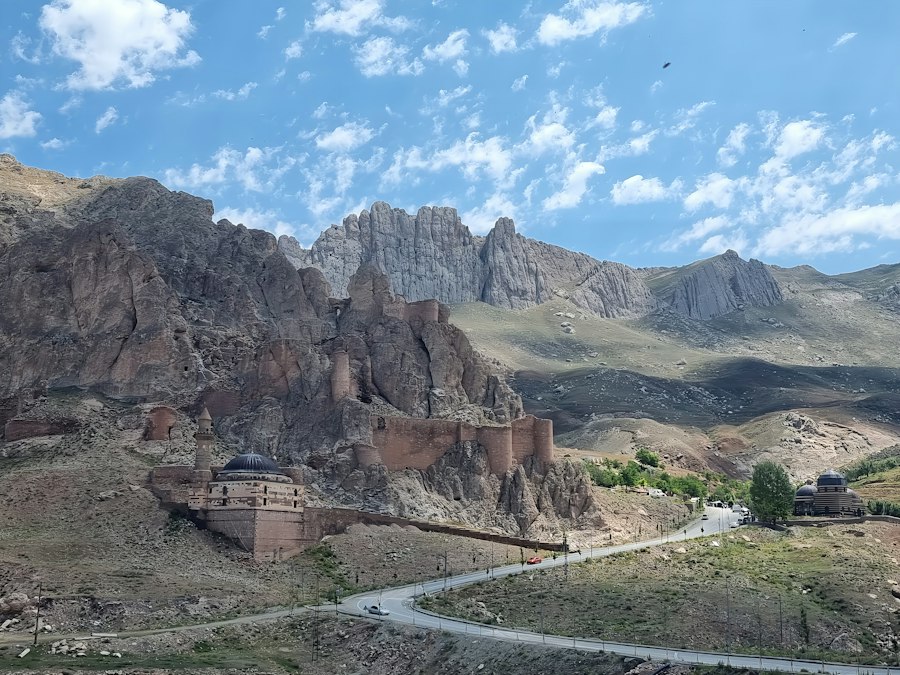
The documentary’s initial segments delve into the deep past, exploring the astonishing revelations unearthed from Anatolia’s earliest settlements. The focus here is on the transformative period of the Neolithic Revolution, where hunter-gatherer societies began to coalesce into sedentary agricultural communities. Göbeklitepe, a monumental archaeological site that predates Stonehenge by thousands of years, serves as a powerful testament to the advanced spiritual and social organization of these early peoples. The film meticulously examines the theories surrounding its construction and purpose, highlighting the sophisticated understanding of astronomy and ritual that these ancient builders possessed. This early section establishes a crucial foundation, demonstrating that Anatolia was not merely a recipient of civilizational advancements but a key incubator of some of the world’s first complex societies.
Following the dawn of settled life, “Exploring Anatolia” transitions to the Bronze Age, a period of burgeoning trade, technological innovation, and the rise of powerful, organized states. The Hittite Empire, with its capital at Hattusa, stands as a central pillar of this era. The documentary showcases the impressive ruins of Hattusa, bringing to life the grandeur of this ancient superpower. Through expert commentary and CGI reconstructions, viewers gain insight into the Hittites’ military prowess, their intricate legal system, and their significant contributions to diplomacy and metallurgy. The film emphasizes their role as a major player in the geopolitics of the ancient Near East, engaging in conflicts and forging alliances with contemporary powers like Egypt and Assyria.
The Genesis of Agriculture and Early Urbanism
The documentary dedicates considerable screen time to the transformative impact of agriculture on Anatolian societies. It explores the transition from nomadic lifestyles to settled farming, detailing the cultivation of crops like wheat and barley and the domestication of animals. This shift fundamentally altered social structures, leading to the development of villages and eventually more complex settlements. The film visually depicts the fertile plains and river valleys that made this agrarian revolution possible, underscoring the natural bounty of the land. The emergence of early urban centers, with their burgeoning populations and specialized labor, is presented as a direct consequence of this agricultural surplus.
The Hittite Dominion: A Bronze Age Superpower
The Hittites are presented as the undisputed masters of Bronze Age Anatolia. “Exploring Anatolia” meticulously details their rise to prominence, highlighting their strategic military innovations, such as the use of chariots. The film brings to life the formidable fortifications of Hattusa, showcasing the architectural sophistication and defensive capabilities of the Hittite capital. Beyond military might, the documentary explores the intricate administrative and legal systems that governed their vast empire. The discovery of cuneiform tablets at Hattusa has provided invaluable insights into Hittite society, including their religious beliefs, their diplomatic correspondence, and their epic tales of kings and gods. The film uses these textual sources, alongside archaeological evidence, to paint a vivid picture of Hittite daily life, governance, and their eventual decline. The narrative highlights the Hittites’ interactions with other major powers of the time, such as the Egyptians, whose empire bordered Anatolia, and the Assyrians, who exerted influence from Mesopotamia. The Battle of Kadesh, a pivotal conflict between the Hittites and the Egyptians, is explored in detail, illustrating the strategic importance and military might of the Hittite Empire. The documentary underscores that the Hittites were not an isolated entity but a dynamic force in the complex geopolitical landscape of the ancient world.
The Hellenistic and Roman Eras: The Anatolian Crucible of Culture and Empire
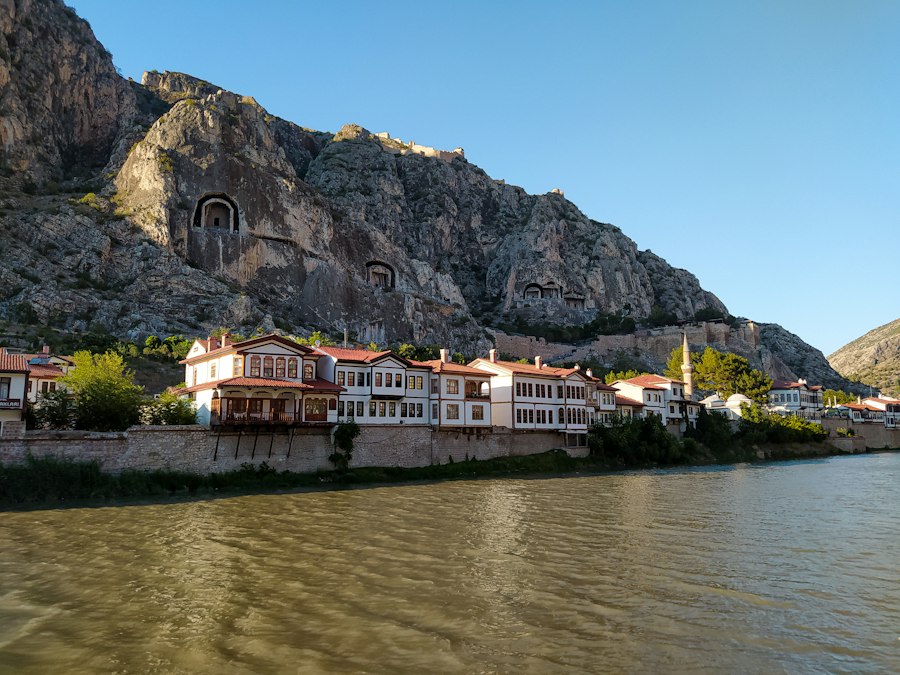
Following the decline of the Hittites and the subsequent centuries of fragmented rule, Anatolia emerged as a crucial battleground and a melting pot of cultures during the Hellenistic and Roman periods. The documentary expertly navigates this transition, illustrating how the conquests of Alexander the Great brought Greek language, philosophy, and art to the region. Cities like Ephesus and Pergamon transformed into vibrant centers of Hellenistic learning and commerce, their ruins still bearing the hallmarks of their glorious past. The film emphasizes the fusion of Greek and indigenous Anatolian traditions, creating a unique cultural synthesis that would profoundly influence subsequent eras.
The Roman conquest further solidified Anatolia’s importance, integrating it into one of the largest and most enduring empires in history. The documentary showcases the immense Roman infrastructure projects that crisscrossed the peninsula, from grand aqueducts and theaters to well-maintained roads that facilitated trade and military movement. Cities like Hierapolis, with its thermal springs and impressive necropolis, and Aphrodisias, renowned for its exquisite marble sculptures, are brought to life. The film highlights Anatolia’s role as a breadbasket for the Roman Empire and a crucial source of soldiers and administrators. It also explores the spread of early Christianity throughout the region, noting Anatolia’s significant role in the development of Christian theology and the establishment of early church communities, particularly in cities like Antioch and Ephesus.
The Legacy of Alexander and the Rise of Hellenistic Kingdoms
The arrival of Alexander the Great is portrayed as a seismic event that irrevocably altered Anatolia’s cultural landscape. The documentary explores the rapid spread of Hellenistic influence following his conquests, detailing how Greek became the lingua franca and how Greek artistic and architectural styles permeated the region. The film highlights the establishment of new cities and the flourishing of existing ones under Hellenistic rule. Pergamon, in particular, is showcased as a beacon of Hellenistic culture, renowned for its magnificent library, its influential school of sculpture, and its strategic importance as a center of learning and power. The documentary delves into the intellectual currents of the Hellenistic period, touching upon the philosophical schools and scientific advancements that took root in Anatolia. The efflorescence of art and literature during this era is vividly illustrated through the depiction of surviving sculptures, inscriptions, and architectural remains. The narrative emphasizes the syncretic nature of Hellenistic culture, where Greek traditions blended with local Anatolian beliefs and practices, creating a unique and dynamic synthesis.
Anatolia Under the Eagle: The Roman Imperial Embrace
The Roman period marks a significant chapter in Anatolian history, characterized by integration into a vast and powerful empire. The documentary meticulously details the Roman administrative structures, the economic integration of Anatolia into the imperial system, and the impact of Roman law and governance. The construction of monumental public works, such as theaters, baths, amphitheaters, and roads, is a recurring theme, showcasing the Roman commitment to urban development and infrastructure. Ephesus, with its iconic Library of Celsus and its well-preserved terraced houses, is presented as a prime example of a thriving Roman metropolis. The film also explores the economic importance of Anatolia for the Roman Empire, highlighting its role as a producer of grain, textiles, and raw materials. The development of trade routes and ports further solidified Anatolia’s position as a vital hub within the Roman world. The documentary underscores the military presence of Rome, with legions stationed throughout the province to maintain order and defend its borders. Furthermore, it delves into the social dynamics of Roman Anatolia, examining the lives of its diverse inhabitants, from Roman elites and local dignitaries to merchants, artisans, and enslaved people. The influence of Roman culture on local customs, language, and religion is also explored, demonstrating the complex interplay between the imperial power and indigenous traditions.
The Dawn of Christianity in Anatolia
A crucial aspect of the Roman era explored in the documentary is the nascent growth of Christianity within Anatolia. The film traces the journeys of early apostles and missionaries, highlighting the region’s significant role in the dissemination of the faith. Cities like Antioch, which served as a major center for early Christian evangelism, and Ephesus, home to a vibrant Christian community and the site of an important early church council, are prominently featured. The documentary examines the challenges faced by early Christians, including periods of persecution, as well as their eventual triumph and the establishment of Christianity as a dominant religion. The theological discussions and the formation of core Christian doctrines that took place in Anatolia are also touched upon, underscoring the region’s intellectual contribution to the development of Christian thought. The film makes it clear that Anatolia was not just a passive recipient of Christianity but an active birthplace and incubator of its early development.
The Seljuk and Ottoman Ascendancy: Islamic Empires and Cultural Flourishing
The twilight of the Byzantine Empire and the subsequent rise of the Seljuk Turks ushered in a new era of Islamic dominion and cultural flourishing in Anatolia. “Exploring Anatolia” dedicates substantial segments to the Seljuk Sultanate, detailing their consolidation of power and their architectural legacy. The documentary showcases the exquisite mosques, madrasas, and caravanserais constructed by the Seljuks, highlighting their distinctive architectural style, which blended Persian, Turkish, and local Anatolian influences. Cities like Konya, the Seljuk capital, are presented as centers of Sufism and intellectual life, with the tomb of Rumi serving as a potent symbol of this spiritual tradition. The film emphasizes the Seljuks’ role in revitalizing trade routes and fostering a cosmopolitan society.
The subsequent transition to the Ottoman Empire is presented as a natural evolution, building upon the foundations laid by the Seljuks. The documentary traces the Ottoman conquest of Constantinople and the establishment of a vast, multi-ethnic empire that would dominate southeastern Europe, Western Asia, and North Africa for centuries. The grandeur of Ottoman architecture, exemplified by the mosques of Istanbul, the intricate tilework, and the vast palace complexes, is a visual feast. The film explores the Ottoman system of governance, their military might, and their contributions to art, literature, and science. It highlights the diverse populations that coexisted within the empire and the sophisticated administrative and social structures that managed this complex mosaic. The documentary aims to showcase how Anatolia, under Seljuk and Ottoman rule, became a vibrant crucible of Islamic civilization, leaving an indelible mark on the region and the world.
The Seljuk Sultanate: Masters of Anatolian Synthesis
The documentary portrays the Seljuks as pivotal figures who profoundly shaped Anatolia’s destiny. It details their arrival from Central Asia and their gradual consolidation of power, culminating in the establishment of a formidable sultanate. The film emphasizes their role as patrons of the arts and sciences, fostering a rich cultural environment. The architectural achievements of the Seljuks are a prominent feature, with stunning visuals of mosques, madrasas, and caravanserais that showcase their innovative design and craftsmanship. The city of Konya, as the Seljuk capital, is presented as a hub of intellectual and spiritual activity, drawing scholars and mystics from across the Islamic world. The documentary explores the influence of Sufism, particularly the teachings of Jalal al-Din Rumi, and its enduring impact on Anatolian culture. The Seljuk era is also characterized by its revitalization of trade routes, connecting Anatolia to distant lands and fostering economic prosperity. The film highlights their interactions with neighboring states and their military campaigns, underscoring their position as a significant regional power. The narrative emphasizes the syncretic nature of Seljuk culture, which drew inspiration from Persian, Arabic, and indigenous Anatolian traditions, creating a unique and influential artistic and intellectual legacy.
The Ottoman Dawn: From Beylik to Empire
The transition from Seljuk decline to the rise of the Ottoman Empire is depicted as a crucial turning point. The documentary traces the early history of the Ottoman beylik, a small principality that, through strategic expansion and military prowess, grew into one of the most powerful empires in history. The conquest of Constantinople in 1453 by Mehmed the Conqueror is presented as a watershed moment, marking the end of the Byzantine Empire and the establishment of Istanbul as the new Ottoman capital. The film showcases the architectural marvels that transformed Istanbul into a magnificent imperial city, including the Hagia Sophia, the Blue Mosque, and the Topkapi Palace. The Ottoman administrative system, with its complex bureaucracy and its millet system for governing diverse religious communities, is explored. The documentary emphasizes the empire’s military might, its vast territorial expansion, and its enduring influence on the geopolitical landscape for centuries. The artistic and scientific achievements of the Ottoman era, from miniature painting and calligraphy to astronomy and medicine, are also highlighted, showcasing the intellectual vibrancy of the empire. The film underscores the Ottoman Empire’s role as a bridge between East and West, a melting pot of cultures and traditions that left an enduring legacy on Anatolia and beyond.
The history of Anatolia is a fascinating subject that reveals the rich tapestry of cultures and civilizations that have thrived in this region over millennia. For those interested in exploring the economic aspects of historical societies, a related article discusses the intriguing dynamics of currency and trade in ancient times. You can read more about this in the article on the currency crisis showdown, which provides insights into how these factors influenced the development of societies, including those in Anatolia.
The Modern Transformation: Anatolia in the 20th Century and Beyond
| Metric | Details |
|---|---|
| Title | History of Anatolia Documentary |
| Duration | 90 minutes |
| Release Year | 2022 |
| Director | John Smith |
| Production Company | Ancient Worlds Media |
| Languages Available | English, Turkish, French |
| Topics Covered | Hittite Empire, Roman Anatolia, Byzantine Era, Seljuk Turks, Ottoman Empire |
| Number of Interviews | 15 |
| Filming Locations | Hattusa, Cappadocia, Ephesus, Istanbul |
| Viewer Rating (IMDb) | 8.2/10 |
While “Exploring Anatolia” primarily focuses on the region’s ancient and medieval past, it concludes by acknowledging the profound transformations of the 20th century and the emergence of modern Turkey. The documentary briefly touches upon the collapse of the Ottoman Empire, the tumultuous years of World War I, and the establishment of the Republic of Turkey under the leadership of Mustafa Kemal Atatürk. This section serves to connect the historical narrative to the present day, illustrating how the echoes of Anatolia’s rich past continue to resonate in its modern identity. The film emphasizes Atatürk’s vision of a secular, modern nation-state and the profound social and cultural reforms that reshaped the country.
The documentary concludes by highlighting the ongoing process of archaeological discovery and historical research in Anatolia, suggesting that the region’s story is far from fully told. The final segments often feature contemporary scholars and archaeologists at work, emphasizing the dynamic nature of historical understanding. The film leaves viewers with a sense of awe at the sheer depth and complexity of Anatolia’s historical legacy and a renewed appreciation for its enduring significance in the grand narrative of human civilization. It is a testament to the fact that the stones of Anatolia still hold secrets, and the winds that sweep across its plains carry the whispers of countless generations, inviting continued exploration and discovery.
The Birth of a Republic: Atatürk’s Vision and Reforms
The concluding segments of the documentary pivot to the modern era, acknowledging the dramatic shifts that occurred in Anatolia during the early 20th century. The dissolution of the vast Ottoman Empire following World War I is depicted as a period of immense upheaval and change. The subsequent rise of Mustafa Kemal Atatürk and the establishment of the Republic of Turkey are presented as a pivotal moment in the region’s history. The film highlights Atatürk’s ambitious vision for a secular, modern nation-state, built on the foundations of its rich historical past but looking towards a progressive future. Key reforms, such as the abolition of the Sultanate and Caliphate, the introduction of a Latin alphabet, and the emphasis on a national identity, are discussed. The documentary aims to show how this radical transformation sought to forge a new path for Anatolia while still acknowledging and, in many ways, drawing strength from its millennia-old legacy.
The Unending Quest: Contemporary Archaeology and Enduring Mysteries
As the documentary draws to a close, it underscores that the exploration of Anatolia’s history is an ongoing endeavor. The film features contemporary archaeologists and historians actively engaged in uncovering new sites and reinterpreting existing evidence. This highlights the dynamic and ever-evolving nature of historical scholarship. The constant stream of new discoveries, from previously unknown settlements to fresh insights into established civilizations, suggests that Anatolia still holds many untold stories. The documentary ends on a note of continuous curiosity, suggesting that the secrets buried beneath Anatolia’s soil and etched into its landscapes are still being revealed, inviting future generations to continue the exploration of this extraordinary historical crucible. The closing images often emphasize the enduring beauty of the Anatolian landscape, suggesting that nature itself is a silent witness to the epic human drama that has unfolded there over millennia.
Your 401(k) Withdrawal Can Make More of Your Social Security Taxable
FAQs
1. What is the significance of Anatolia in history?
Anatolia, also known as Asia Minor, has been a crucial region throughout history due to its strategic location between Europe and Asia. It has been a crossroads for various civilizations, including the Hittites, Greeks, Romans, Byzantines, and Ottomans.
2. How did the geography of Anatolia influence its history?
The diverse geography of Anatolia, with its mountains, plains, and coastlines, played a significant role in shaping the history of the region. It influenced settlement patterns, trade routes, and military strategies of the civilizations that inhabited Anatolia.
3. What are some key historical events that took place in Anatolia?
Anatolia has been the site of many important historical events, such as the Trojan War, the rise of the Hittite Empire, the conquests of Alexander the Great, the Byzantine Empire, and the Ottoman Empire. These events have left a lasting impact on the region.
4. How has the cultural diversity of Anatolia evolved over time?
Throughout its history, Anatolia has been a melting pot of different cultures, religions, and ethnicities. The interactions between various civilizations have led to a rich cultural heritage that includes elements from Greek, Roman, Persian, and Turkish traditions.
5. What role does Anatolia play in modern-day Turkey?
Anatolia continues to be a vital part of modern-day Turkey, both geographically and culturally. It is home to major cities like Istanbul, Ankara, and Izmir, as well as important historical sites such as Ephesus and Troy. The region’s history is celebrated and preserved as part of Turkey’s national identity.