The rhythm of life for ancient African pastoral communities was intrinsically tied to the movements of their livestock. These were not static agricultural settlements but dynamic societies, their existence woven into the vast and often challenging landscapes of the continent. Their story is one of resilience, adaptation, and a profound understanding of the natural world, a narrative that stretches back millennia and continues to shape human history.
The transition from a hunter-gatherer lifestyle to one centered around domesticated animals marked a profound shift in human societal development, and Africa played a crucial role in this transformative process. Evidence suggests that pastoralism emerged independently in several regions of the continent, driven by a combination of environmental factors and the growing human capacity for animal husbandry.
Early Domestication and Animal Herds
The earliest forms of pastoralism in Africa likely involved the management of indigenous livestock. Archaeological and genetic studies point to the domestication of cattle, sheep, and goats as foundational to these early herding economies. The Sahara, in particular, appears to have been an early cradle of domestication, with evidence of cattle herding dating back thousands of years to a period when the region was more verdant than the arid desert it is today.
The Role of Cattle
Cattle held a particularly significant place in many ancient African pastoral societies. They were not merely a source of food and hides but also represented wealth, status, and social capital. The size of a family’s or clan’s herd could dictate their social standing and their ability to form alliances. The milk and blood extracted from cattle provided essential sustenance, and in some cultures, the live animals were exchanged for bridewealth or used in elaborate ceremonies.
Sheep and Goats: Versatile Companions
Sheep and goats, while perhaps less iconic than cattle, were equally vital to the pastoralist economy. Their smaller size and ability to thrive in a wider range of environments made them highly adaptable. They provided meat, wool, and milk, and their offspring could be readily traded or consumed. Their grazing habits also complemented those of cattle, allowing for more efficient utilization of pastureland.
Environmental Drivers of Pastoralism
The geographical diversity of Africa provided both the impetus and the resources for the development of pastoral lifestyles. Open grasslands, savannas, and semi-arid regions were ideal for grazing animals, while the availability of water sources, however seasonal, was a critical factor in determining settlement patterns and migration routes.
The Impact of Climate Change
Fluctuations in climate played a significant role in the evolution of pastoralism. Periods of increased rainfall could lead to the expansion of grasslands, supporting larger herds and encouraging greater reliance on livestock. Conversely, prolonged droughts would necessitate mobility and strategic dispersal of animals to find adequate pasture and water. This constant interplay with climatic conditions fostered a deep understanding of environmental cycles and a culture of adaptability.
Geographical Niches and Adaptability
Different regions of Africa offered distinct opportunities and challenges for pastoralists. The savanna regions of East and Southern Africa, with their vast open plains, supported large nomadic herds. The semi-arid zones of the Sahel and the Horn of Africa, while drier, also sustained resilient pastoral communities adapted to scarce resources. The ability to exploit these varied ecological niches was a hallmark of ancient African pastoralism.
Ancient pastoral communities in Africa played a crucial role in shaping the continent’s social and political landscapes. These communities, characterized by their nomadic lifestyles and reliance on livestock, not only adapted to diverse environments but also developed intricate systems of governance and trade. For a deeper understanding of how ancient technologies influenced political control in these societies, you can explore the article titled “The Influence of Ancient Technology on Political Control” available at this link.
The Nomadic and Semi-Nomadic Lifestyle
The defining characteristic of many ancient African pastoral communities was their nomadic or semi-nomadic existence. This lifestyle was not a matter of choice in the modern sense but a pragmatic necessity dictated by the need to follow pasture and water, a constant dance with the rhythms of the natural world.
Following the Rains: The Great Migrations
The most significant migrations were driven by the seasonal rainfall patterns. As the rains advanced, so too did the pastoralists and their herds, seeking out lush new pastures. As the dry season approached, they would retreat to areas where water sources remained, often returning to ancestral grazing lands. These movements were often extensive, covering hundreds, even thousands, of kilometers.
Understanding Weather Patterns
These communities possessed an intimate knowledge of weather phenomena. They could predict the arrival of rains by observing cloud formations, wind patterns, and the behavior of animals. This meteorological expertise was not learned from books but accumulated over generations of direct observation and experience, a vital survival skill.
Navigational Expertise
Navigating vast, often featureless landscapes required exceptional skills. Pastoralists used celestial bodies, landmarks, and the subtle signs of the terrain to orient themselves. They developed intricate route knowledge, passed down through oral traditions, ensuring safe passage and access to essential resources.
Seasonal Settlements and Mobility
While nomadic, these communities were not aimlessly wandering. They had established seasonal camps, often in areas with reliable water and good grazing. These temporary settlements served as hubs for social activity, resource management, and the tending of young or infirm animals.
The Role of Temporary Camps
These camps were functional and efficient. Dwellings were often portable, constructed from readily available materials like animal hides, branches, and grasses. The organization of the camp reflected the social structure of the community, with designated areas for families, livestock enclosures, and communal spaces.
Managing Herd Dispersion
In times of extreme environmental stress, communities might disperse their herds over a wider area to minimize the risk of total loss. This required maintaining communication and coordination among different family groups, often through messengers or prearranged meeting points.
Social Structures and Governance

Life in ancient African pastoral communities, despite its often-harsh realities, was underpinned by complex social structures and systems of governance that ensured order, cooperation, and the well-being of the group. Kinship ties were paramount, forming the bedrock of these societies.
Kinship and Clan Networks
The extended family and the clan were the fundamental units of social organization. These networks provided mutual support, shared responsibility for livestock management, and served as the primary mechanism for dispute resolution and resource allocation. Marriage alliances between clans were crucial for expanding these networks and forging wider political alliances.
The Importance of Lineage
Descent, whether patrilineal or matrilineal, determined inheritance, social status, and access to resources. The concept of lineage provided a sense of continuity and belonging, connecting individuals to their ancestors and their community’s shared history.
Reciprocal Obligations and Support
Within these kinship networks, a system of reciprocal obligations was in place. Individuals were expected to contribute to the collective good, whether through contributing labor to herd management, sharing resources, or providing support during times of hardship. This interdependence was essential for survival.
Leadership and Decision-Making
Leadership in pastoral societies was often fluid and context-dependent, rather than based on absolute power. Elders, those with accumulated wisdom and experience, often held significant influence. Decisions were frequently made through communal deliberation, with leaders guiding the discussion and seeking consensus.
The Role of Elders
Elders were revered for their knowledge of customary law, their understanding of environmental cycles, and their ability to mediate disputes. Their counsel was sought on matters ranging from resource allocation to inter-clan relations.
Communal Deliberation and Consensus
The emphasis on communal decision-making fostered a sense of shared responsibility and ownership of outcomes. While formal leadership existed, the collective wisdom of the group was often the deciding factor, ensuring that decisions were broadly supported and therefore more likely to be implemented effectively.
Economic Practices and Resource Management
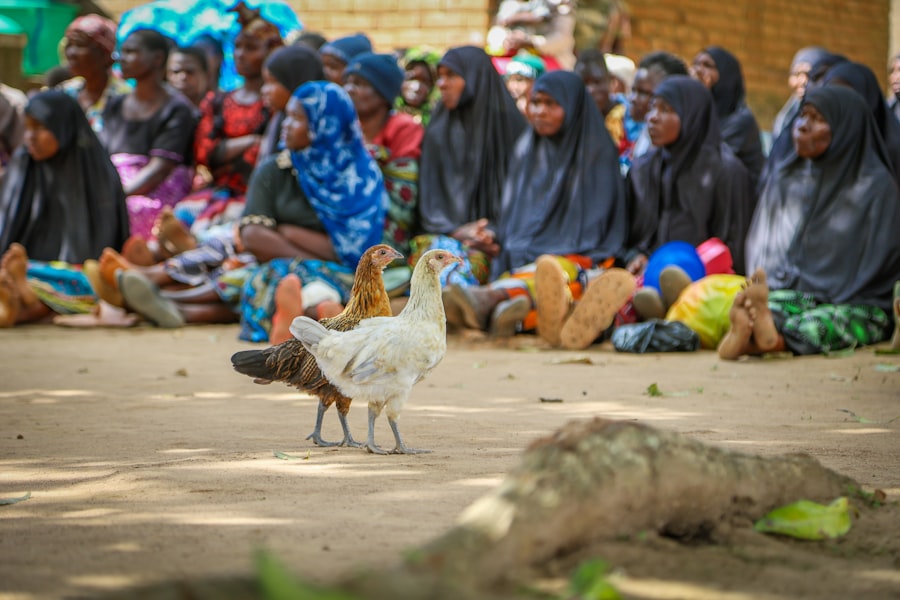
The economic life of ancient African pastoral communities was inextricably linked to their livestock and their environment. Their practices were characterized by a deep understanding of resource utilization and a sophisticated system of managing their most valuable assets.
The Pastoral Economy: More Than Just Meat
The pastoral economy was a multifaceted system that derived a wealth of resources from their animals and the environment. This was not simply about slaughtering animals for meat, but a holistic approach to resource utilization.
Milk and Blood: Staple Sustenance
As mentioned, milk was a primary source of nutrition, providing essential proteins and fats. In many communities, blood was also a vital and sustainable source of sustenance, often mixed with milk. This practice, when managed carefully, did not permanently harm the animal and provided a crucial nutritional supplement, especially in arid regions where other food sources might be scarce.
Hides, Wool, and Other By-products
Animal hides were used for clothing, shelter, and tools. Wool and hair could be spun into textiles for clothing and other domestic uses. Bones were fashioned into tools, and dung served as fuel and fertilizer. Every part of the animal was valued and utilized, minimizing waste.
Trade and Exchange Networks
Pastoral communities were not isolated entities. They engaged in extensive trade and exchange networks with neighboring agricultural communities and other pastoral groups. These interactions facilitated the acquisition of goods they could not produce themselves and the distribution of their own surplus.
Bartering and Complementary Economies
Trade was often based on barter, exchanging livestock products for grain, tools, or other manufactured goods. These exchanges were often complementary, with pastoralists providing animal products and agriculturalists supplying grains and other staples, creating a mutually beneficial economic interdependence.
The Role of Markets and Caravans
While not always formalized, informal markets and organized caravans played a role in facilitating long-distance trade. These routes often connected diverse ecological zones, allowing for the exchange of a wide array of goods and fostering cultural diffusion.
Sustainable Resource Utilization
A key to the longevity of these communities was their commitment to sustainable resource management. They understood the delicate balance of their ecosystems and developed practices to avoid overgrazing and depletion of water sources.
Rotational Grazing and Pasture Management
While the details varied, many communities practiced forms of rotational grazing, moving their herds between different pasture areas to allow for regeneration. This prevented the degradation of grasslands and ensured the long-term availability of fodder.
Water Source Management
Water was a precious commodity, and its management was critical. Communities developed knowledge of ephemeral water sources and practiced methods to conserve and share water, ensuring its availability for both humans and livestock during dry periods.
Ancient pastoral communities in Africa have long been recognized for their innovative strategies in managing environmental challenges. These groups developed sophisticated techniques that allowed them to thrive in diverse climates, showcasing their adaptability and resilience. For a deeper understanding of how ancient societies navigated their environments, you can explore this insightful article on mastering ancient climate control, which highlights various methods used by early civilizations to regulate their surroundings effectively.
Spiritual Beliefs and Cultural Expressions
| Community | Location | Main Livestock | Traditional Practices |
|---|---|---|---|
| Masai | Kenya, Tanzania | Cattle, Sheep, Goats | Pastoralism, Cattle Raiding |
| Fulani | West Africa | Cattle, Goats | Transhumance, Cattle Herding |
| Tuareg | Sahara Desert | Camels, Goats | Nomadic Herding, Caravan Trading |
The lives of ancient African pastoral communities were deeply intertwined with their spiritual beliefs and expressed through vibrant cultural traditions. Their worldview was often animistic, recognizing the presence of spirits in the natural world, and their livestock held a central place in their spiritual practices.
Animism and the Sacredness of Nature
Many pastoral societies held animistic beliefs, attributing spirits and consciousness to natural phenomena, including animals, plants, and water sources. This worldview fostered a deep respect for the environment and a sense of interconnectedness with the living world.
Ancestor Veneration
The veneration of ancestors was a common thread across many African pastoral cultures. Ancestors were believed to influence the lives of the living, and rituals and offerings were performed to honor them and seek their guidance and protection.
The Spiritual Significance of Livestock
Livestock, particularly cattle, often held profound spiritual significance. They were seen as gifts from the gods or embodiments of spiritual power. Rituals involving animals were central to many ceremonies, including rites of passage, healing practices, and appeasement of spiritual forces.
Oral Traditions and Storytelling
In the absence of written language, oral traditions served as the primary means of transmitting knowledge, history, and cultural values across generations. Storytelling, song, and poetry were vital forms of cultural expression and education.
Myths and Legends of Origin
Myths and legends explained the origins of the world, the creation of humans and animals, and the establishment of social customs. These narratives often featured heroic figures, divine intervention, and the profound relationship between humans and their livestock.
Proverbial Wisdom and Moral Teachings
Proverbs offered concise and memorable expressions of cultural wisdom, ethical principles, and practical advice for daily life. They served as a form of informal education, instilling values of cooperation, respect, and resilience.
Artistic Expressions and Material Culture
The material culture of ancient African pastoral communities, though often portable, reflected their artistic sensibilities and their deep connection to their environment and their animals.
Decorative Art and Symbolism
Artistic expression could be found in the decoration of livestock, such as the painting or carving of horns, as well as in the adornment of their dwellings and personal belongings. These designs often carried symbolic meanings related to fertility, protection, or social status.
Music, Dance, and Ritual Performance
Music and dance were integral to social life and spiritual expression. Rhythmic drumming, chanting, and elaborate dances accompanied ceremonies, celebrations, and everyday activities, reinforcing social bonds and expressing communal emotions.
In conclusion, exploring ancient African pastoral communities reveals a rich tapestry of human ingenuity, resilience, and profound connection to the natural world. Their nomadic lifestyles, sophisticated social structures, and deep spiritual beliefs offer a compelling glimpse into a crucial chapter of human history, demonstrating the enduring power of adaptation and the intricate relationship between humanity and the environment.

260 Ancient Graves Were Hiding in This “Empty” Desert
FAQs
What were ancient pastoral communities in Africa?
Ancient pastoral communities in Africa were groups of people who relied on herding animals for their livelihood. They often moved with their herds in search of grazing land and water.
Where were ancient pastoral communities located in Africa?
Ancient pastoral communities were located in various regions across Africa, including the Sahel, the Horn of Africa, and parts of East and Southern Africa.
What animals did ancient pastoral communities herd?
Ancient pastoral communities herded a variety of animals, including cattle, sheep, goats, and camels. These animals provided them with meat, milk, and other essential resources.
How did ancient pastoral communities impact the environment?
The movement of ancient pastoral communities and their herds had both positive and negative impacts on the environment. Their grazing patterns could lead to soil erosion and desertification, but they also played a role in shaping the landscapes through their interactions with the land.
What cultural practices were associated with ancient pastoral communities in Africa?
Ancient pastoral communities in Africa had rich cultural traditions and practices related to herding, including rituals and ceremonies centered around their animals, as well as unique forms of art and music that reflected their way of life.