The Americas, prior to the arrival of Christopher Columbus in 1492, were not a silent, uninhabited expanse waiting to be discovered. Instead, they teemed with diverse civilizations, intricate societies, and complex cultures that had flourished for millennia. These ancient peoples, indigenous to the landmasses they called home, had developed sophisticated systems of governance, agriculture, trade, and spirituality, leaving behind a rich legacy of architectural marvels, artistic achievements, and intellectual pursuits. Exploring this pre-Columbian world offers a profound understanding of human ingenuity, adaptation, and the remarkable tapestry of human history that unfolded across the continents independently of European influence.
The story of human presence in the Americas stretches back far beyond the conventionally accepted timelines. Archaeological evidence, continually refined by new discoveries and advanced dating techniques, points to human migration into the continents potentially tens of thousands of years ago, long before the advent of recognizable civilizations. These early inhabitants, often referred to as Paleo-Americans, were hunter-gatherers who navigated vastly different environments than those encountered by later inhabitants. Their ability to adapt to diverse climates, from the icy landscapes of the north to the dense jungles of the south, laid the groundwork for the subsequent development of more complex societies.
Migration Theories and Early Inhabitants
The prevailing scientific consensus suggests that the initial peopling of the Americas occurred through migration from Siberia across the Bering Land Bridge, a now-submerged landmass that connected Asia and North America during the last Ice Age. However, ongoing research continues to explore alternative migration routes, including coastal migrations by sea.
The Bering Land Bridge Hypothesis
- For decades, the Bering Land Bridge has been the cornerstone of migration theories. It is understood that as glaciers receded, land routes opened, allowing nomadic hunter-gatherer groups to follow game animals into the Americas. This migration is thought to have occurred in waves, with different groups arriving over time.
Coastal Migration and Pre-Clovis Evidence
- More recent theories propose significant coastal migrations, where early peoples may have traveled by boat along the Pacific coast. Evidence supporting this includes early archaeological sites found in South America, such as Monte Verde in Chile, which predates the Clovis culture, traditionally considered the earliest widespread Paleo-American culture. This pre-Clovis evidence challenges the notion of a single, late migration and suggests a more complex and earlier arrival.
Early Technologies and Subsistence Strategies
The earliest inhabitants of the Americas possessed remarkable ingenuity in crafting tools and adapting their subsistence strategies to the available resources. Their survival depended on a deep understanding of their environment and the development of effective technologies.
Stone Tool Traditions
- The development of sophisticated stone tool industries was crucial for survival. These included projectile points, scrapers, and knives, often made from flint, obsidian, and other suitable rocks. The Clovis points, characterized by their distinctive fluted base, are perhaps the most famous example of early Paleo-American lithic technology.
Hunter-Gatherer Lifeways
- The lifestyle of these early peoples was largely nomadic, following herds of megafauna such as mammoths and mastodons. They also supplemented their diet with plant-based foods, fish, and smaller game. Their intimate knowledge of animal behavior and plant life was essential for their sustenance.
Ancient America, with its rich tapestry of cultures and civilizations, has long fascinated historians and archaeologists, particularly when exploring the connections between different ancient societies. One intriguing aspect of this exploration is the use of materials and pigments, which can reveal much about trade and cultural exchange. For instance, the properties and applications of Egyptian blue pigment, a significant innovation in ancient Egypt, can shed light on the technological advancements of the time and their potential influence on other regions, including the Americas. To learn more about this fascinating topic, you can read the article on the properties of Egyptian blue pigment at Unveiling the Properties of Egyptian Blue Pigment.
The Rise of Complex Societies in Mesoamerica
Mesoamerica, a region encompassing modern-day Mexico and Central America, stands as a testament to the remarkable achievements of ancient American civilizations. This area witnessed the rise and fall of powerful empires, the development of complex writing systems, sophisticated calendar systems, and monumental architecture that continues to awe and inspire.
The Olmec: The “Mother Culture” of Mesoamerica
Emerging around 1500 BCE, the Olmec civilization is often credited with laying the foundational cultural and religious traditions for later Mesoamerican societies. Their influence is evident in the art, religion, and political structures of subsequent cultures.
Monumental Stone Heads
- The most iconic Olmec creations are the colossal carved stone heads, weighing many tons each and depicting distinctly African features. The purpose of these heads remains a subject of debate, with theories ranging from portraits of rulers to representations of ancestral figures or deities. Their creation and transport represent an extraordinary feat of engineering and organization.
Jade and Artistry
- The Olmec were also renowned for their exquisite jade carvings. These objects, often depicting jaguars, serpents, and human-like figures, were highly prized and traded throughout Mesoamerica. The intricate craftsmanship and symbolic meaning of these artifacts highlight their advanced artistic sensibilities and spiritual beliefs.
The Maya: Masters of Astronomy and Glyphs
Flourishing between 250 and 900 CE, the Classic Maya civilization reached extraordinary heights in intellectual and artistic pursuits. They developed a complex hieroglyphic writing system, an accurate calendar, and impressive astronomical knowledge, all while constructing magnificent city-states adorned with elaborate pyramids and temples.
The Maya Calendar and Astronomy
- The Maya developed a sophisticated calendrical system, including the Long Count, which allowed them to track vast cycles of time. Their astronomical observations were remarkably precise, enabling them to predict celestial events like eclipses with remarkable accuracy. This understanding of the cosmos deeply influenced their religious beliefs and daily life.
Hieroglyphic Writing
- The Maya are the only pre-Columbian civilization known to have developed a fully developed writing system. Their hieroglyphs, carved on stelae, temple walls, and pottery, recorded historical events, royal genealogies, religious rituals, and astronomical observations. Deciphering these glyphs has unlocked invaluable insights into Maya society.
Urban Centers and Architecture
- Maya city-states, such as Tikal, Palenque, and Chichen Itza, were centers of political power, religious activity, and trade. Their architecture is characterized by towering pyramids, grand plazas, and intricate carvings. The construction of these monumental structures required immense labor, sophisticated planning, and a deep understanding of engineering principles.
The Aztec: The Empire of Tenochtitlan
The Aztec Empire, reaching its zenith in the 15th and early 16th centuries, was a formidable force in Mesoamerica. Their capital city, Tenochtitlan, built on an island in Lake Texcoco, was a marvel of urban planning and engineering, with a population estimated to be in the hundreds of thousands.
Tenochtitlan: A City of Wonder
- Tenochtitlan was a meticulously planned city featuring chinampas (floating gardens) for agriculture, causeways connecting it to the mainland, and an intricate system of canals. The Templo Mayor, the main temple dedicated to their principal deities Huitzilopochtli and Tlaloc, was the spiritual and political heart of the empire.
Social Structure and Religion
- Aztec society was hierarchical, with a ruling elite, priests, warriors, merchants, and commoners. Their religion was polytheistic, with a complex pantheon of gods, and involved elaborate rituals, including human sacrifice, which played a significant role in their cosmological beliefs.
Warfare and Expansion
- The Aztec were skilled warriors and developed a powerful military that enabled them to conquer vast territories and extract tribute from subjugated peoples. Their expansionist policies created a vast empire and brought them into conflict with numerous neighboring groups.
Civilizations of the Andes: Empires of the Mountains
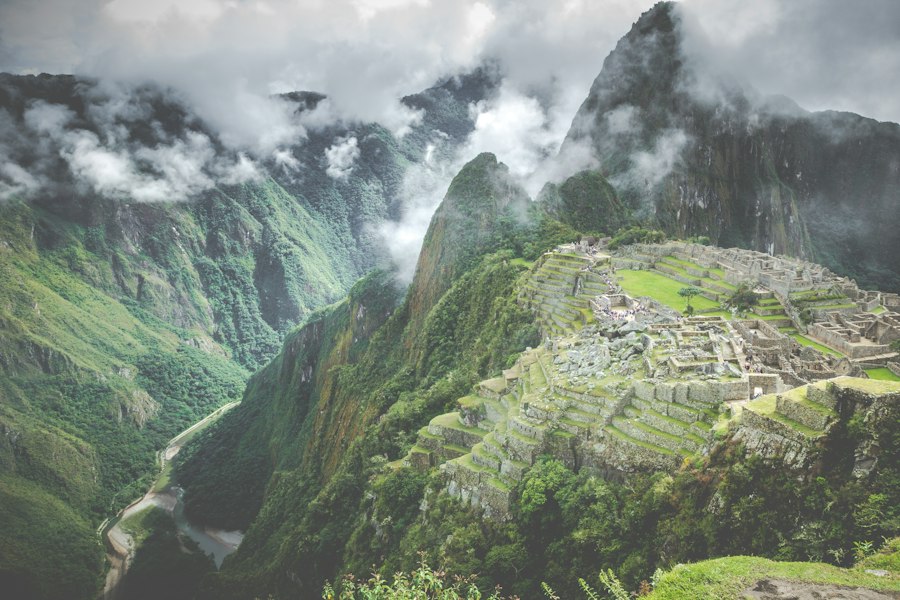
Stretching along the western spine of South America, the Andean region fostered a series of advanced civilizations adapted to its challenging mountainous terrain. These societies developed innovative agricultural techniques, impressive engineering feats, and a rich cultural heritage.
The Chavín Culture: Early Religious Influence
Emerging around 900 BCE, the Chavín culture, centered at Chavín de Huántar, exerted a significant religious and artistic influence across the northern Andes. Their distinctive iconography, featuring felines, serpents, and anthropomorphic beings, permeated the art and belief systems of later Andean cultures.
The Lanzón Stone and Temple Complex
- The heart of Chavín de Huántar was its temple complex, a marvel of stone architecture. The Lanzón stone, a massive granite monolith carved with intricate imagery, is believed to have been a central object of worship. The complex’s engineering, including drainage systems, showcases their advanced understanding of construction.
Iconography and Symbolism
- Chavín art is characterized by its complex and often unsettling imagery. The jaguar, a powerful predator, held significant symbolic importance, representing authority and the divine. The recurring motifs suggest a shared cosmology and spiritual worldview.
The Moche: Masters of Ceramics and Metallurgy
The Moche civilization, flourishing on the northern coast of Peru from 100 to 700 CE, is renowned for its exquisite pottery and sophisticated metalwork. Their ceramic vessels, often depicting realistic portraits, daily life, and mythological scenes, provide invaluable insights into their culture.
Portrait Vessels
- The Moche are celebrated for their incredibly lifelike ceramic portraits, capturing individual expressions, hairstyles, and even signs of illness or injury. These “portrait vessels” offer a unique window into the faces and lives of the Moche people.
Metallurgical Prowess
- The Moche were highly skilled metallurgists, working with gold, silver, and copper to create intricate jewelry, ceremonial objects, and weapons. Their ability to alloy metals and employ advanced techniques like lost-wax casting demonstrates a high level of technological achievement.
Ritual and Sacrifice
- Archaeological evidence suggests that the Moche practiced elaborate rituals, including human sacrifice, which likely played a role in their social and religious hierarchy. Depictions on their ceramics offer some of the most vivid accounts of these practices.
The Inca: The Vast Empire of Tawantinsuyu
The Inca Empire, at its peak in the 15th and early 16th centuries, was the largest empire in pre-Columbian America. Known as Tawantinsuyu, meaning “Land of the Four Quarters,” it stretched from modern-day Ecuador to Chile, encompassing diverse landscapes and millions of people.
Machu Picchu: A City in the Clouds
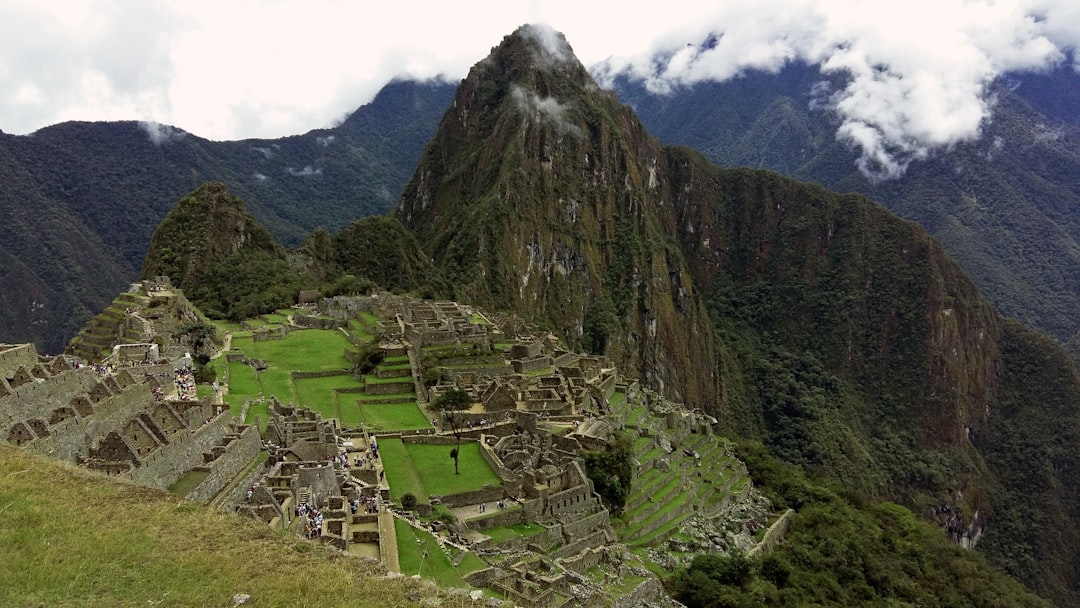
- The iconic Inca citadel of Machu Picchu, perched high in the Andes Mountains, is a testament to their engineering prowess and architectural genius. The precise stone masonry, sophisticated water management systems, and integration with the natural landscape continue to inspire awe.
Road Systems and Communication
- The Inca built an extensive network of roads, the Qhapaq Ñan, spanning over 25,000 miles. This infrastructure facilitated communication, trade, and the movement of armies across their vast empire. Chasquis, trained runners, carried messages and goods along these routes.
Administration and Social Organization
- The Inca Empire was highly centralized and organized. They implemented a system of decimal administration, dividing the population into groups of ten, one hundred, one thousand, and so on. The Sapa Inca, the emperor, held absolute power, and a complex bureaucracy managed the empire’s affairs.
Agricultural Innovations
- The Inca developed ingenious agricultural techniques to overcome the challenges of the Andean environment. They utilized terracing, irrigation systems, and raised fields to maximize crop production in steep terrain. Potatoes, maize, and quinoa were staple crops.
North American Indigenous Cultures: Diversity and Adaptation
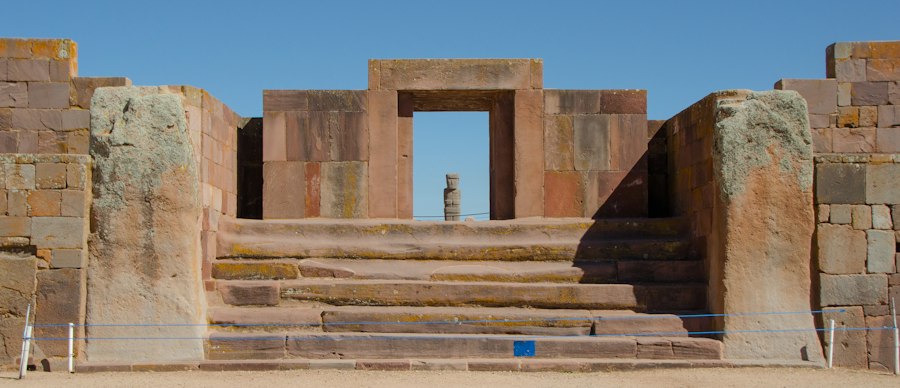
While Mesoamerica and the Andes are often highlighted for their monumental civilizations, North America was home to a vast array of diverse indigenous cultures, each with unique adaptations to their specific environments and sophisticated social structures. These cultures developed intricate kinship systems, complex spiritual beliefs, and sustainable ways of life.
The Ancestral Puebloans: Builders of Cliff Dwellings
In the arid Southwest, the Ancestral Puebloans (formerly known as Anasazi) developed a distinctive culture characterized by impressive masonry architecture, including elaborate cliff dwellings and pueblos. Their settlements, such as Mesa Verde and Chaco Canyon, showcase their ingenuity in adapting to a challenging environment.
Cliff Dwellings and Pueblos
- The construction of multi-story dwellings carved into cliff faces and built from stone and adobe demonstrated remarkable architectural skill and resourcefulness. These structures provided shelter, defense, and a communal living space for their inhabitants.
Agriculture in Arid Lands
- The Ancestral Puebloans were skilled farmers, cultivating maize, beans, and squash. They developed sophisticated water management systems, including reservoirs and canals, to capture and distribute precious water resources in the arid Southwest.
The Mississippian Culture: Mound Builders of the East
In the river valleys of the Eastern Woodlands, the Mississippian culture, flourishing between 800 and 1600 CE, is known for its impressive earthen mounds, some of which were enormous ceremonial and burial structures. Cahokia, near modern-day St. Louis, was a major center of this culture, boasting a population that may have rivaled some European cities of the time.
Cahokia: A Flourishing Center
- Cahokia was a complex urban center with a vast ceremonial plaza, numerous mounds, and evidence of extensive trade networks. Monks Mound, the largest earthen structure in North America, served as a central ceremonial and administrative hub.
Social Hierarchy and Religion
- Mississippian society was likely hierarchical, with a ruling elite who oversaw the construction of mounds and directed societal affairs. Their religion was deeply connected to the natural world and involved elaborate ceremonies, often centered around the sun and fertility.
Trade Networks
- The Mississippians engaged in extensive trade networks that stretched across much of eastern North America, exchanging goods such as shell beads, copper, and exotic stones. This interregional trade fostered cultural diffusion and the spread of ideas.
Plains Cultures: Nomadic Hunters and Gatherers
The nomadic cultures of the Great Plains developed a way of life intricately tied to the vast herds of bison. Their existence was characterized by mobility, resourcefulness, and a deep spiritual connection to the land and its wildlife.
Bison Hunting and Lifestyle
- The bison was central to the Plains peoples’ survival, providing food, shelter, and materials for clothing and tools. Their hunting techniques were highly effective, and their mobile lifestyle allowed them to follow the migratory patterns of the herds.
####tipi Dwellings
- The iconic tipi, a conical dwelling made of animal hides stretched over poles, was an ideal shelter for the nomadic Plains peoples. Its design allowed for easy construction and dismantling, and its shape provided excellent protection against wind and weather.
Spiritual beliefs
- The spiritual beliefs of Plains cultures were deeply intertwined with the natural world, particularly the bison and the elements. Shamans played a vital role in mediating between the human and spirit worlds, and ceremonies often honored the sacredness of life and the interconnectedness of all things.
The rich history of ancient America before Columbus is often overlooked, yet it is filled with fascinating cultures and achievements. One such example is the Chavín civilization, known for its impressive architectural and artistic contributions. The site of Chavín de Huantar, located in present-day Peru, showcases intricate stone carvings and a complex religious system that influenced later Andean cultures. For a deeper understanding of this remarkable civilization, you can explore the article on the mystical sound of Chavín de Huantar, which delves into its significance and the mysteries that still surround it.
Pre-Columbian Artistic and Intellectual Achievements
| Region | Time Period | Population | Notable Civilizations |
|---|---|---|---|
| Mesoamerica | Pre-Classic (2000 BCE – 250 CE) | Unknown | Olmec, Maya |
| Andes | Pre-Columbian (before 1492) | Unknown | Inca, Moche |
| North America | Archaic Period (8000 – 1000 BCE) | Unknown | Adena, Hopewell |
Beyond their monumental architecture and sophisticated social structures, the ancient peoples of America produced a wealth of artistic and intellectual achievements that rivaled those of the Old World. These achievements speak to their deep understanding of mathematics, astronomy, philosophy, and the human condition.
Writing Systems and Record Keeping
While not all ancient American cultures developed full writing systems, those that did created complex methods for recording history, knowledge, and beliefs. The Maya hieroglyphs are the most well-known, but other systems, such as the Aztec pictograms and the Inca quipu (knotted cords), demonstrate diverse approaches to information storage.
Maya Glyphs
- As previously mentioned, Maya glyphs represent a sophisticated system of writing that allowed them to document their history, cosmology, and royal lineages with remarkable detail.
Aztec Pictograms
- The Aztecs used a system of pictograms and ideograms to record historical events, tribute lists, and religious information. While not a phonetic system like Maya glyphs, it was effective for their purposes.
Inca Quipu
- The Inca used quipu, a system of knotted colored cords, to record numerical data, census information, and historical accounts. The complexity of the knots and their arrangement allowed for the transmission of detailed information without a written alphabet.
Astronomy and Calendrics
The astronomical observations and calendrical systems of ancient American civilizations were remarkably accurate and sophisticated. They used celestial events to regulate agricultural cycles, plan religious ceremonies, and understand their place in the cosmos.
Mesoamerican Calendars
- Mesoamerican cultures, particularly the Maya, developed intricate calendrical systems, including the 260-day Tzolk’in and the 365-day Haab’, which were combined to form a 52-year Calendar Round. The Long Count allowed for the tracking of much longer periods.
Andean Calendrical Systems
- While less understood than Mesoamerican systems, evidence suggests that Andean cultures also possessed sophisticated knowledge of celestial movements, which influenced their agricultural practices and religious observances.
Mathematics and Engineering
The mathematical and engineering prowess of ancient American civilizations is evident in their monumental constructions, irrigation systems, and urban planning. They developed advanced concepts in geometry, algebra, and land management.
Mesoamerican Mathematics
- Mesoamerican civilizations, particularly the Maya, developed a sophisticated vigesimal (base-20) number system that included the concept of zero, a significant mathematical achievement.
Andean Engineering
- The Inca’s mastery of stone masonry, evident in sites like Machu Picchu, and their extensive road and bridge networks highlight their exceptional engineering skills. Their ability to construct massive structures with precisely cut stones, without the use of mortar, is a testament to their technical expertise.
Legacy and Rediscovery
The exploration of ancient America before Columbus is an ongoing process, with new archaeological discoveries and scholarly research continuously reshaping our understanding of these complex societies. The legacy of these indigenous peoples is not confined to the past; it continues to inform contemporary indigenous cultures and offers invaluable lessons for humanity.
The Impact of European Arrival
The arrival of Europeans in 1492 marked a dramatic and often devastating turning point for the indigenous populations of the Americas. Disease, warfare, and cultural disruption led to immense loss of life and the unraveling of established societies.
Disease and Demographic Collapse
- European diseases, to which indigenous populations had no immunity, such as smallpox, measles, and influenza, caused catastrophic epidemics, leading to widespread demographic collapse.
Conquest and Cultural Suppression
- The conquest of indigenous empires and the subsequent colonial policies led to the suppression of indigenous languages, religions, and cultural practices. Efforts were made to impose European ways of life, often through violence and coercion.
Modern Archaeology and Preservation
Archaeological research plays a crucial role in uncovering and preserving the material remains of ancient American civilizations. From deciphering ancient scripts to excavating lost cities, archaeologists are piecing together a more complete picture of this rich pre-Columbian past.
Ongoing Excavations and Discoveries
- Sites across the Americas continue to yield new discoveries, from previously unknown settlements to new insights into the daily lives and beliefs of ancient peoples. Advanced technologies like LiDAR are helping to reveal hidden structures beneath dense vegetation.
Cultural Heritage and Preservation Efforts
- Preserving the archaeological sites and cultural heritage of these ancient civilizations is a vital task. Many of these sites are threatened by natural erosion, looting, and development, requiring concerted efforts from governments, international organizations, and local communities.
Reclaiming Narratives and Indigenous Voices
In recent decades, there has been a growing movement to reclaim indigenous narratives and amplify the voices of contemporary indigenous peoples. This involves recognizing their historical resilience, celebrating their cultural continuity, and acknowledging their ongoing contributions to the global community.
Indigenous Scholarship and Interpretation
- Indigenous scholars and communities are increasingly involved in the interpretation and presentation of their own history, challenging colonial perspectives and offering unique insights into their ancestral heritage.
Contemporary Indigenous Cultures
- The rich tapestry of indigenous cultures in the Americas endures today. These vibrant communities continue to maintain their languages, traditions, and spiritual practices, adapting them to the modern world and contributing to the ongoing cultural mosaic of the Americas.
Exploring ancient America before Columbus is not merely an academic exercise; it is an essential journey of understanding. It reveals a world of remarkable human achievement, innovation, and diversity that existed long before European contact. By delving into the complexities of these ancient civilizations, we gain a deeper appreciation for the enduring power of human spirit, ingenuity, and the profound interconnectedness of all human history. This journey into the past is a vital step towards a more inclusive and comprehensive understanding of our shared global heritage.

A City Bigger Than London Once Stood in America. Then It Vanished.
FAQs
What is ancient America before Columbus?
Ancient America before Columbus refers to the time period and civilizations that existed in the Americas prior to the arrival of Christopher Columbus in 1492. This includes the indigenous cultures and societies that thrived in North, Central, and South America.
What civilizations existed in ancient America before Columbus?
Some of the notable civilizations that existed in ancient America before Columbus include the Maya, Aztec, Inca, Olmec, and Mississippian cultures. These civilizations were known for their advanced agricultural practices, monumental architecture, complex social structures, and sophisticated artistic and scientific achievements.
What were some key achievements of ancient American civilizations?
Ancient American civilizations made significant achievements in various fields such as astronomy, mathematics, agriculture, and architecture. They developed complex calendar systems, built impressive cities and temples, and created intricate artwork and pottery. Additionally, they made advancements in medicine, engineering, and trade networks.
What impact did ancient American civilizations have on the world?
The ancient American civilizations had a profound impact on the world through their contributions to agriculture, architecture, and scientific knowledge. They also influenced global trade routes and the exchange of goods and ideas between the Americas and other parts of the world.
What led to the decline of ancient American civilizations?
The decline of ancient American civilizations was influenced by various factors such as environmental changes, warfare, disease, and the arrival of European explorers. These factors contributed to the collapse of many indigenous societies and the disruption of their cultural and social systems.