The flickering candlelight, the hushed tones of the narrator, and the tantalizing glimpses of forgotten worlds – these are the hallmarks of a good historical documentary. For enthusiasts of the past, a 30-minute exploration of ancient civilizations offers a potent distillation of history, a tantalizing appetizer designed to ignite curiosity and provide a foundational understanding of humanity’s earliest triumphs and struggles. This hypothetical documentary, “Exploring Ancient Civilizations: A 30-Minute History Documentary,” promises a whirlwind tour through some of the most influential societies that shaped the course of human development. The challenge for such a concise format is to present a compelling narrative, weaving together archaeological evidence, historical accounts, and expert analysis into a cohesive and engaging experience.
The very premise of a 30-minute documentary on ancient civilizations is ambitious. It necessitates a judicious selection of topics and a focus on the most impactful themes and advancements. The aim is not exhaustive detail, but rather to provide a broad overview, highlighting key characteristics, significant contributions, and lasting legacies. Such a format is ideal for introducing a general audience to the wonders of the ancient world, sparking an interest that may lead to further independent study. The visual element is paramount, with carefully selected footage of archaeological sites, expert interviews, and perhaps even tasteful re-enactments or CGI reconstructions to bring these distant eras to life. The narrative needs to be clear, concise, and captivating, guiding the viewer through millennia of human ingenuity and societal evolution.
The Dawn of Complexity: Early River Valley Civilizations
The documentary would likely begin by focusing on the cradles of civilization – the fertile river valleys where humanity first transitioned from nomadic hunter-gatherer lifestyles to settled agricultural communities. These regions, blessed with abundant water and arable land, provided the necessary foundation for surplus production, population growth, and the subsequent development of complex social structures. The emphasis would be on the shared characteristics that defined these early societies, while also highlighting their unique contributions.
Mesopotamia: The Fertile Crescent’s Legacy
A significant portion of this section would undoubtedly be dedicated to Mesopotamia, often referred to as the “cradle of civilization.” The documentary would likely showcase the Sumerians, credited with some of humanity’s earliest innovations, including the invention of writing (cuneiform), the wheel, and early forms of irrigation. Visuals would transition from the arid landscapes of modern Iraq to reconstructions of bustling Sumerian city-states like Uruk and Ur, emphasizing their ziggurats, elaborate temple complexes, and sophisticated administrative systems. The narrative would explain the development of early law codes, such as that of Hammurabi, illustrating the nascent attempts at governing complex urban societies. The cyclical nature of Mesopotamian history, marked by the rise and fall of various empires like the Akkadians, Babylonians, and Assyrians, would also be touched upon, demonstrating the constant struggle for power and resources in this strategically vital region. The documentary would aim to convey not just the “what” of their achievements, but also the “why” – the environmental pressures and social dynamics that fostered such rapid development.
Ancient Egypt: The Gift of the Nile
The awe-inspiring civilization of ancient Egypt, inextricably linked to the life-giving Nile River, would be another cornerstone of this opening segment. The documentary would likely feature stunning aerial shots of the pyramids at Giza, the Sphinx, and the temples of Luxor and Karnak, emphasizing the monumental scale of their architecture and the advanced engineering required to construct them. The narrative would delve into the sophisticated religious beliefs and the pharaonic system of governance, highlighting the divine status of the pharaoh and the intricate bureaucracy that managed the vast empire. Key aspects like hieroglyphic writing, the development of papyrus, and their advancements in mathematics and astronomy would be presented as evidence of their intellectual prowess. The enduring mystery surrounding their funerary practices, particularly the mummification process and the elaborate tombs, would also be explored, offering insights into their views on life, death, and the afterlife. The documentary would aim to paint a picture of a society deeply connected to its environment and its gods, a civilization that achieved remarkable stability and longevity.
The Indus Valley Civilization: An Enigmatic Flourishing
While perhaps less visually spectacular in terms of surviving monumental architecture compared to Egypt or Mesopotamia, the Indus Valley Civilization (also known as the Harappan civilization) warrants inclusion for its unique characteristics and the puzzles it presents. The documentary might feature sophisticated urban planning evident in cities like Mohenjo-daro and Harappa, with their grid-like street layouts, advanced sewage systems, and standardized brick sizes. The mystery of their undeciphered script would be highlighted, emphasizing the challenges archaeologists face in fully understanding their social and political structures. The discovery of seals with intricate carvings and evidence of extensive trade networks would be presented as indicators of a well-organized and prosperous society. The documentary would aim to convey the sense of wonder and intrigue surrounding this civilization, reminding viewers that history is not always fully revealed and that many questions remain unanswered.
In the captivating history documentary that spans 30 minutes, viewers are taken on a journey through the evolution of world maps and the various factors that have influenced their changes over time. This exploration is further enriched by a related article that delves into the common reasons behind the alterations in world maps. For those interested in understanding the historical context and the significance of these changes, the article can be found at this link.
The Mediterranean Crucible: Innovations and Empires

The documentary would then pivot to the Mediterranean, a region that served as a vibrant crossroads of cultures and a fertile ground for philosophical, political, and artistic advancements. This era witnessed the rise of influential city-states and empires that laid many of the foundational principles of Western civilization.
Ancient Greece: The Birthplace of Democracy and Philosophy
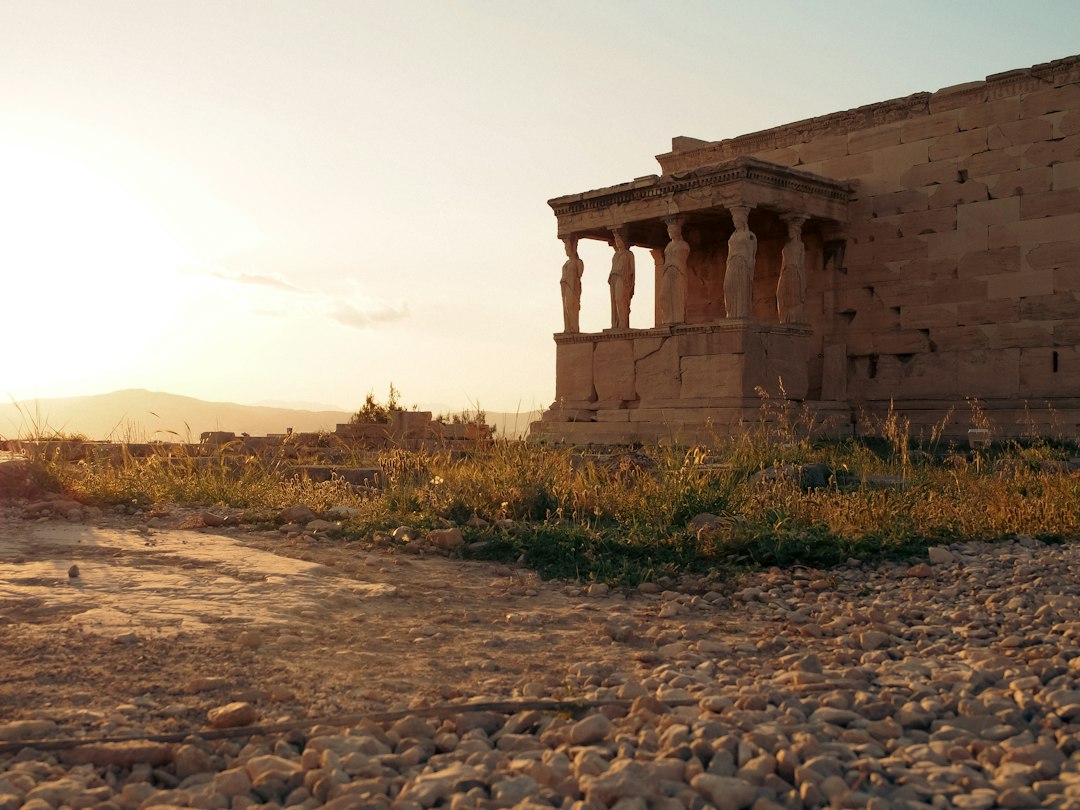
Ancient Greece, with its fragmented city-states, would be a central focus. The documentary would likely explore Athens, showcasing its democratic ideals and its Golden Age. Visuals might include the Acropolis, the Parthenon, and the Agora, symbolizing the birth of democracy, philosophy, and theater. The contributions of thinkers like Socrates, Plato, and Aristotle would be briefly introduced, explaining their profound impact on Western thought and intellectual traditions. The narrative would also touch upon other significant Greek city-states like Sparta, highlighting their militaristic society and contrasting it with Athenian intellectualism. The achievements in art, sculpture, and architecture – characterized by balance, harmony, and idealized human forms – would be showcased through iconic examples. The Olympic Games, as a symbol of pan-Hellenic unity and athletic prowess, would also likely be featured. The documentary would strive to capture the spirit of intellectual inquiry and artistic innovation that defined classical Greece.
In the captivating 30-minute history documentary, viewers are taken on a journey through significant events that have shaped our world. One particularly relevant article that complements this exploration is about the ongoing crisis in Sub-Saharan Africa, which highlights the urgent need for action to address pressing issues faced by the region. This article provides valuable insights and context that enhance the understanding of historical patterns and their impact on contemporary society. To learn more about this critical topic, you can read the article here: Sub-Saharan Africa Crisis: The Urgent Need for Action.
The Roman Empire: Engineering, Law, and Expansion
The colossal and enduring legacy of the Roman Empire would command significant attention. The documentary would likely begin with the legendary founding of Rome and trace its transformation from a republic to a vast empire. Visuals would highlight their remarkable engineering feats, such as aqueducts, roads, the Colosseum, and the Pantheon, demonstrating their practical genius and organizational prowess. The development of Roman law, its influence on legal systems worldwide, and the concept of citizenship would be explained. The documentary would also address the military might of Rome, its disciplined legions, and its extensive territorial expansion across Europe, North Africa, and the Middle East. The cultural synthesis that occurred within the empire, absorbing and adapting elements from conquered peoples, would also be a key theme. The eventual decline and fall of the Western Roman Empire would be presented not as a sudden collapse, but as a complex process involving internal strife, economic pressures, and external invasions, setting the stage for the subsequent historical periods.
The Phoenicians and the Greeks: Spreading the Alphabet and Trade
While often overshadowed by the larger empires, the contributions of maritime civilizations like the Phoenicians and the Greeks in facilitating trade and cultural exchange would be crucial. The documentary would likely highlight the Phoenicians’ pioneering role in maritime trade and their development of an alphabet that served as the basis for many subsequent writing systems, including the Greek and Roman alphabets. The Greeks, through their vast colonial networks established across the Mediterranean, would be depicted as not only disseminators of their culture but also as receivers and adapters of knowledge from other civilizations. This section would emphasize the interconnectedness of the ancient world and how innovations spread through trade and contact.
The Rise of Empires in the East: Dynasties and Philosophies

The documentary’s scope would extend beyond the Mediterranean to explore the parallel developments and unique trajectories of civilizations in the East, highlighting their own monumental achievements and influential philosophical traditions.
Ancient China: Dynasties, Inventions, and Philosophy
Ancient China, with its long and continuous history, would be a crucial inclusion. The documentary would likely showcase iconic achievements such as the Great Wall of China, the Terracotta Army, and the intricate bronzework of the Shang Dynasty. Key dynasties like the Qin, Han, and Tang would be briefly introduced, highlighting their periods of unification, expansion, and cultural flourishing. The documentary would delve into China’s significant inventions, including paper, gunpowder, the compass, and printing, emphasizing their impact on global history. The philosophical traditions of Confucianism and Taoism would be presented as shaping Chinese society, ethics, and governance for millennia. The Silk Road, as a conduit for trade and cultural exchange between East and West, would be a significant visual and narrative element, illustrating the interconnectedness of the ancient world. The documentary would aim to convey the depth and sophistication of Chinese civilization, its emphasis on social harmony, and its enduring cultural legacy.
Ancient India: Spirituality, Science, and Empires
Ancient India, a land of immense diversity and profound philosophical and spiritual traditions, would be another essential component. The documentary would likely feature the advancements of the Maurya and Gupta Empires, periods of significant intellectual and artistic growth. The development of Hinduism and Buddhism, their origins, core tenets, and eventual global spread, would be a central theme, highlighting their profound influence on the spiritual landscape of Asia and beyond. The documentary would also touch upon India’s contributions to mathematics, including the concept of zero and the decimal system, and its advancements in astronomy and medicine. The architectural marvels of ancient Indian temples and stupas would be showcased, illustrating the rich artistic heritage of the subcontinent. The narrative would aim to convey the spiritual depth and intellectual dynamism of ancient Indian civilization.
Persia: A Vast Empire and Cultural Bridge
The Persian Empire, particularly the Achaemenid Empire, would be presented as a vast and sophisticated power that played a crucial role in connecting East and West. The documentary would likely feature the grandeur of Persepolis, showcasing its impressive architecture and administrative organization. The Achaemenids’ tolerance for diverse cultures and religions within their empire, their efficient postal system, and their sophisticated road network would be highlighted as hallmarks of their effective governance. The narrative would also touch upon the interactions between the Persian Empire and the Greek city-states, particularly during the Greco-Persian Wars, demonstrating the complex geopolitical landscape of the ancient world. The documentary would aim to portray Persia as a significant force in its own right, a bridge between different cultures and a testament to large-scale imperial organization.
Unearthing the Past: Archaeology and Enduring Legacies
The final section of the documentary would shift its focus from the civilizations themselves to the methods by which we understand them today and the lasting impact of these ancient societies on our modern world. This segment would emphasize the ongoing process of discovery and the crucial role of archaeology.
The Art and Science of Archaeology
This subsection would introduce the audience to the field of archaeology, explaining how scientists unearth and interpret the remnants of past civilizations. Visuals might include archaeologists at work, meticulously excavating sites, cataloging artifacts, and using advanced technologies like ground-penetrating radar and 3D scanning. The documentary would explain the importance of stratigraphy, dating techniques like radiocarbon dating, and the careful analysis of material culture to reconstruct ancient life. The challenges and ethical considerations involved in archaeological research, such as preservation and the repatriation of artifacts, could also be briefly touched upon. The aim is to demystify the process and highlight the dedication and scientific rigor involved in bringing the past to light.
Echoes of Antiquity in the Modern World
The concluding segment would draw connections between the ancient civilizations explored and the present day, demonstrating their enduring influence. The documentary would highlight how ancient innovations in law, governance, philosophy, mathematics, engineering, and art continue to shape our societies. For instance, the principles of democracy and republicanism can be traced back to Greece and Rome. Our legal systems are deeply rooted in Roman law. Many scientific and mathematical concepts owe their origins to discoveries made in ancient India, China, and the Hellenistic world. Even our language, art, and architecture bear the indelible marks of these foundational societies. The documentary would conclude with a powerful message about humanity’s shared heritage and the importance of studying the past to understand ourselves and our place in the world. It would leave the viewer with a sense of awe and a renewed appreciation for the complex tapestry of human history.
Your 401(k) Withdrawal Can Make More of Your Social Security Taxable
FAQs
What is the purpose of a history documentary that is 30 minutes long?
A history documentary that is 30 minutes long aims to provide a concise and focused exploration of a specific historical event, era, or topic. It offers viewers a condensed yet informative overview of the subject matter.
How are history documentaries typically structured within a 30-minute timeframe?
History documentaries that are 30 minutes long often follow a structured format that includes an introduction to the topic, key events or developments, analysis or commentary from experts, and a conclusion that summarizes the main points. They are designed to be engaging and informative within a limited time frame.
What are the benefits of watching a 30-minute history documentary?
Watching a 30-minute history documentary can provide viewers with a quick and accessible way to learn about a particular historical subject. It offers a condensed yet informative presentation that can be easily consumed in a short amount of time, making it ideal for those with limited availability.
How can viewers ensure the accuracy and reliability of information presented in a 30-minute history documentary?
Viewers can ensure the accuracy and reliability of information presented in a 30-minute history documentary by checking the credentials of the filmmakers, consulting reputable sources for additional information, and cross-referencing the facts presented in the documentary with other reliable sources. Critical thinking and research can help viewers discern the credibility of the content.
Are 30-minute history documentaries suitable for educational purposes?
Yes, 30-minute history documentaries can be suitable for educational purposes as they offer a concise and focused exploration of historical topics. They can be used in classrooms, for research purposes, or as supplementary material to enhance learning about specific historical events or periods.