The flickering candlelight illuminated the weathered pages, a palpable sense of history emanating from the ink and parchment. This was the world before much of our current understanding – the world spoken of in hushed tones and ancient myths, the world allegedly submerged beneath the waves. The documentary “Exploring Ancient Civilizations: World Before the Flood” dares to wade into these murky waters, inviting viewers on a journey to uncover evidence of advanced societies that, according to popular narratives and certain interpretations of historical texts, met a cataclysmic end. This exploration isn’t just about debunking or confirming; it’s about peering into the depths of human curiosity, our innate desire to understand our origins and the powerful forces that may have shaped our planet’s past.
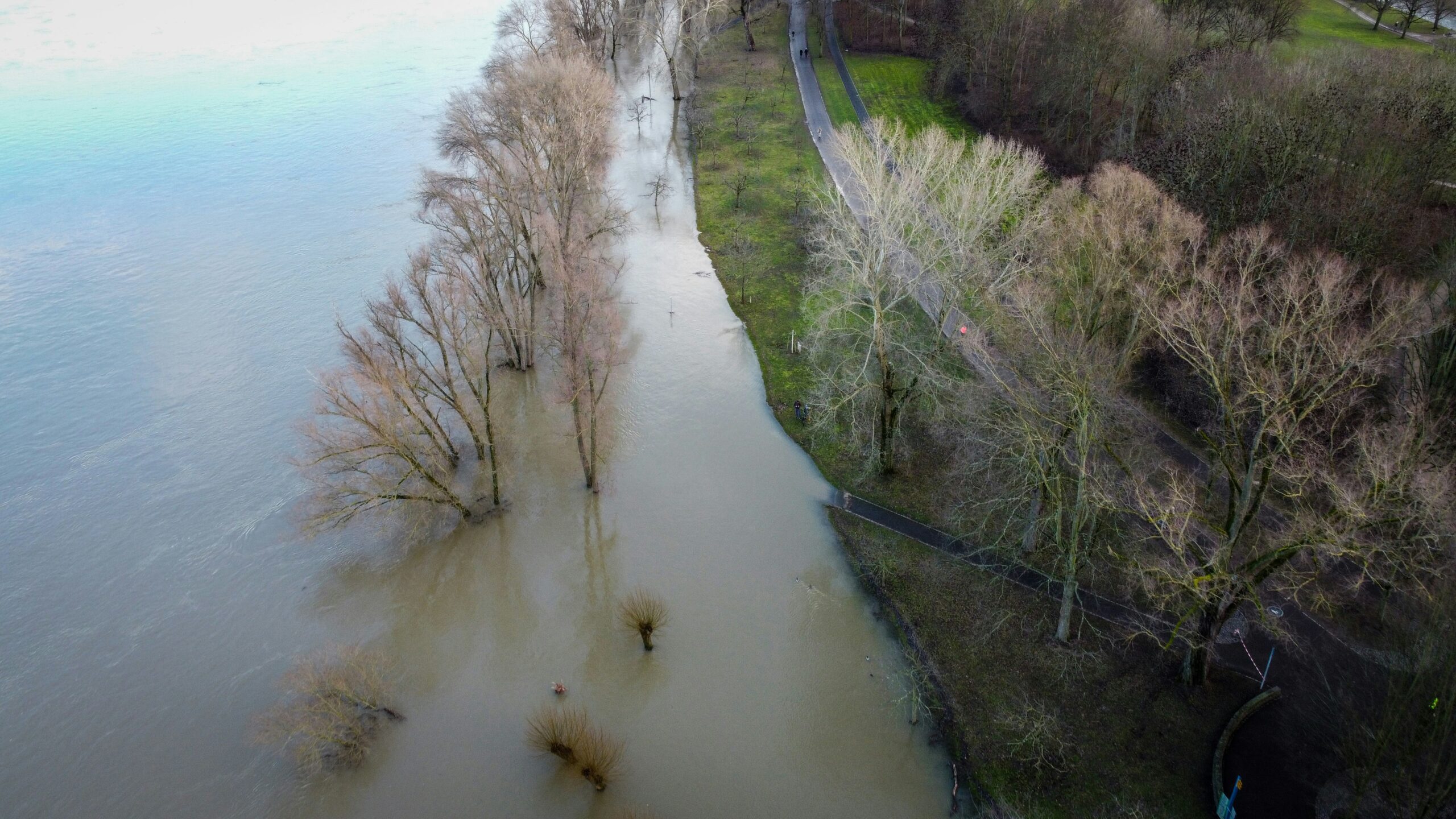
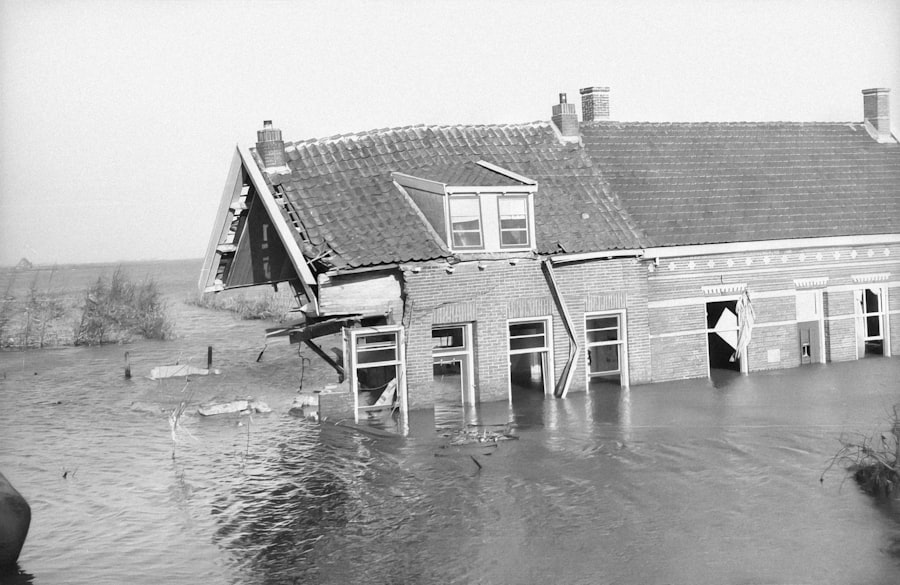
The concept of a great flood, a global deluge that wiped the slate clean, is surprisingly pervasive across cultures and throughout history. From the biblical account of Noah’s Ark to the Epic of Gilgamesh, tales of massive inundation are woven into the fabric of human storytelling. This documentary posits that these stories are not merely allegorical but may hold fragments of collective memory, echoes of real events that reshaped the world as we know it.
Biblical Prophecies and Their Echoes
The narrative of Noah’s Ark stands as perhaps the most widely recognized flood myth. The documentary likely delves into the details of this account, examining its geological and anthropological implications. It might question the literal interpretation of the story, but also explore whether the underlying narrative points to a significant, widespread catastrophic event that ancient peoples attempted to preserve through oral tradition and later written accounts. The focus would be on understanding how such a potent story could arise and persist for millennia, suggesting a shared experience or at least a shared understanding of a devastating natural disaster.
The Sumerian Connection and Early Cosmogonies
Beyond the Abrahamic traditions, the documentary would inevitably turn to older civilizations like the Sumerians. Their flood narratives, predating the biblical account, offer compelling parallels. Unearthing the myths of Ziusudra, the Sumerian Noah, could reveal similar themes of divine intervention, survival, and the rebuilding of humanity. This section would likely explore the potential for cultural diffusion or even a common ancestral trauma that inspired these different, yet strikingly similar, flood stories across disparate regions. The similarities, the documentary might argue, are too profound to be mere coincidence, hinting at a shared historical or prehistorical experience.
Global Flood Myths: A Tapestry of Tales
The documentary’s scope, by its very title, suggests a global perspective. It would be remiss to focus solely on Western narratives. By exploring flood myths from indigenous cultures in Australia, the Americas, Asia, and Africa, the film aims to demonstrate the universality of this theme. This comparative approach would highlight recurring motifs: divine displeasure, extreme geological upheaval, a chosen few to survive, and the subsequent repopulation of the Earth. The sheer geographical spread of these stories, appearing in cultures with no historical contact, is a central point of fascination and a driving force behind the documentary’s premise.
In exploring the themes presented in the “World Before the Flood” documentary, one can gain further insights by reading the article titled “Uncovering Secrets of Ancient Reservoir Ruins.” This piece delves into the archaeological findings that suggest advanced civilizations existed prior to cataclysmic events, paralleling the documentary’s exploration of ancient history and its mysteries. For more information, you can access the article here: Uncovering Secrets of Ancient Reservoir Ruins.
Unearthing the Remains: Archaeological Predicaments
The most compelling aspect of the “World Before the Flood” documentary undoubtedly lies in its attempt to find tangible evidence of these submerged civilizations. Archaeology, the science of excavating and analyzing the material remains of the past, is the key tool in this endeavor. However, the challenges are immense. The very nature of a global flood implies widespread destruction and the sealing away of evidence beneath layers of sediment and water.
The Enigma of Yonaguni Island
Yonaguni Island, off the coast of Japan, has long been a focal point for those who believe in lost civilizations and pre-flood epochs. The submerged rock formations, often referred to as the “Yonaguni Monument,” have sparked intense debate. Some see them as artificial structures, remnants of an ancient city built by a highly advanced civilization. Others argue for natural geological processes. This documentary would likely present both sides of the argument, perhaps with a leaning towards the artificial interpretation, showcasing sonar images and underwater footage that aims to convince the viewer of human design in these mysterious underwater formations. The documentary would likely present detailed close-ups of the formations, highlighting apparent straight lines, cut steps, and other features that proponents of artificiality point to as evidence of intelligent design.
The Underwater Cities of the Mediterranean
The Mediterranean Sea is a treasure trove of archaeological finds, but “World Before the Flood” might go beyond known shipwrecks and submerged Roman towns. It could explore more speculative theories about deeper, older submerged structures. Places like the coast of Greece or Turkey, known for their ancient history and seismic activity, might be revisited with the flood hypothesis in mind. The documentary would seek to present findings that suggest human habitation existed in areas now well below sea level, pushing back the timeline of advanced human settlement. This would likely involve showcasing findings from underwater surveys, potentially including fragmented pottery, stone tools, or even architectural remnants that are too regular to be entirely natural.
Continental Shelf Anomalies and Geoarchaeology
The continental shelves around the world represent land that was once above sea level during periods of lower global sea levels. The documentary might turn its attention to these submerged landscapes, looking for evidence of human activity. Geoarchaeology, the study of archaeological sites in their geological context, would play a crucial role here. The film could present research that identifies ancient settlements or land bridges that were subsequently inundated. The focus would be on pushing the boundaries of conventional archaeology, looking for anomalies that don’t fit the established timelines of human migration and settlement. This might involve examining sediment cores for signs of human disturbance or identifying ancient riverbeds that once flowed across now-submerged landmasses.
The Question of Advanced Technology: Pre-Flood Sophistication?
One of the most intriguing, and controversial, aspects of the “World Before the Flood” narrative is the idea that these lost civilizations possessed a level of technology and knowledge that rivals or even surpasses our own. This challenges the prevailing view of human history as a linear progression of increasingly sophisticated development.
Evidence of Advanced Engineering and Architecture
If advanced civilizations existed before the flood, they would have left behind more than just scattered tools. The documentary would likely explore potential evidence of monumental architecture, sophisticated urban planning, and advanced engineering techniques that seem beyond the capabilities of known ancient cultures. This could include discussing the construction of structures like pyramids (though not necessarily the Egyptian ones, but perhaps older, less understood megalithic sites), or the intricate water management systems that might have been employed. The emphasis would be on identifying enduring structures that defy easy explanation by conventional archaeological models.
Lost Knowledge and Ancient Sciences
Beyond physical structures, the “World Before the Flood” theory often postulates the existence of lost knowledge – knowledge of astronomy, mathematics, agriculture, or even energy sources that have been forgotten. The documentary might delve into the interpretation of ancient texts and symbols, searching for clues that suggest a deeper understanding of the natural world than typically attributed to early human societies. This could involve examining enigmatic astronomical alignments in ancient sites or complex mathematical principles encoded in ancient myths or artifacts. The documentary might discuss how certain ancient cultures seemed to possess an accurate understanding of celestial cycles or geophysical phenomena that, in the conventional view, they should not have known.
The Problem of Diffusion vs. Independent Innovation
A key debate that the documentary would likely touch upon is how such advanced knowledge and technology could have emerged so early, and then seemingly disappeared. Was it a single, highly advanced global civilization that then collapsed? Or was it a case of advanced knowledge being preserved and passed down through disparate pockets of survivors, leading to seemingly independent innovations in different parts of the world? The documentary might lean towards the former, but acknowledge the complexities of tracing the lineage of knowledge and technology.
The Cataclysm Itself: Theories of Global Destruction

The “flood” in the documentary’s title is not just a metaphor; it refers to a specific, catastrophic event or series of events that led to the demise of these ancient civilizations. Pinpointing the exact nature of such a cataclysm, especially after millennia, is a formidable challenge.
Astronomical Impacts and Cosmic Events
One of the most dramatic theories for a global cataclysm involves astronomical events. This could include the impact of a comet or asteroid, which could trigger massive tsunamis, atmospheric changes, and widespread devastation. The documentary might explore geological evidence of past astronomical impacts and connect them to potential timelines suggested by flood myths. This could involve referencing the Tunguska event as a modern example of the destructive power of extraterrestrial objects, and then extrapolating to much larger impacts in the deep past. The film might also consider more speculative theories, such as a near-Earth passage of a celestial body that caused extreme tidal forces.
Geological Upheaval and Tectonic Shifts
Alternatively, the cataclysm could have been earth-bound. Catastrophic earthquakes, volcanic super-eruptions, or rapid tectonic shifts could have dramatically altered coastlines and caused widespread flooding. The documentary might examine evidence of massive geological events in Earth’s history and consider how they might have aligned with the proposed timelines of pre-flood civilizations. This would likely involve discussions of plate tectonics, subduction zones, and the potential for ancient mega-tsunamis generated by underwater earthquakes. The documentary might highlight geological formations indicating periods of rapid subsidence or uplift, suggesting a dramatic reshaping of the land.
Rapid Sea Level Rise and Ice Age Meltwaters
Another plausible scenario is a dramatic and rapid rise in global sea levels. This could have been triggered by the melting of massive ice sheets at the end of an ice age, or by shifts in ocean currents. The documentary would likely explore the geological evidence for past periods of rapid sea-level rise and consider how such a phenomenon could have inundated coastal civilizations, leading to the flood narratives. This might involve presentations of paleoclimatology data, showing the dramatic fluctuations in ice volume and sea level across vast timescales. The film could also discuss how rising sea levels would have gradually, but inexorably, erased coastal settlements over generations, perhaps leading to a final, dramatic surge that solidified the flood myth.
In exploring the themes presented in the documentary “World Before the Flood,” one can draw intriguing parallels to the economic challenges faced by nations today. For instance, an article discussing the complexities of trade tariffs, particularly in relation to Mexico, sheds light on how modern policies can impact global relations and environmental issues. This connection emphasizes the importance of understanding our past as we navigate current dilemmas. To learn more about this topic, you can read the article on the tariff loophole here.
The Legacy and the Future of Exploration
| Metrics | Data |
|---|---|
| Release Date | 2016 |
| Director | Lesley Chilcott |
| Runtime | 96 minutes |
| Production Company | National Geographic |
| IMDb Rating | 7.0/10 |
The exploration of a “World Before the Flood” is not just an academic exercise; it speaks to fundamental questions about human resilience, the cyclical nature of history, and our place in the vast sweep of time. The documentary “Exploring Ancient Civilizations: World Before the Flood” serves as a gateway, encouraging viewers to question their assumptions and to consider the possibility that our understanding of the past is far from complete.
Challenging Conventional Timelines in Human History
The core premise of the documentary is to challenge the established timelines of human civilization. If advanced societies existed thousands of years before conventionally believed, it would necessitate a radical rethinking of human development and our place in the evolutionary narrative. The film would likely present findings that, taken together, suggest that “civilization” emerged much earlier and in more advanced forms than currently accepted by mainstream academia. This would involve questioning the gradualist model of societal development and introducing the possibility of earlier peaks and troughs in human ingenuity and organization.
The Importance of Open-Minded Inquiry
Ultimately, the documentary aims to foster a spirit of open-minded inquiry. It encourages viewers to look beyond dogmatic interpretations and to consider alternative perspectives. Whether the evidence presented ultimately proves the existence of a pre-flood civilization or not, the journey itself is valuable. The exploration of these ancient mysteries can inspire new research, spark debate, and push the boundaries of our understanding. The film would likely conclude by emphasizing that the pursuit of knowledge often begins with asking daring questions and being willing to explore the less conventional paths of investigation, even if they lead to uncomfortable or revolutionary conclusions.
The Ongoing Quest for Lost Worlds
The search for lost worlds and forgotten histories is an ongoing endeavor. New technologies and research methods continually emerge, offering fresh perspectives on ancient sites and artifacts. “Exploring Ancient Civilizations: World Before the Flood” is not necessarily the final word on the subject, but rather a compelling chapter in the larger, enduring quest to understand our human story. It leaves the viewer with a sense of wonder and the tantalizing thought that beneath the waves, or hidden within the earth, lie secrets of our ancient past waiting to be uncovered, perhaps even confirming that the echoes of a great flood are more than just myths. The documentary’s power lies in its ability to ignite imagination and inspire future generations of archaeologists, historians, and curious minds to continue this profound exploration of humanity’s deep past.

Could Humanity Remember a World That No Longer Exists?
FAQs
What is the World Before the Flood documentary about?
The World Before the Flood documentary explores the impact of climate change on the planet and its inhabitants. It delves into the causes and consequences of global warming, and highlights the urgent need for action to mitigate its effects.
Who is the director of the World Before the Flood documentary?
The World Before the Flood documentary is directed by Fisher Stevens and produced by Leonardo DiCaprio. The film features DiCaprio as the narrator and follows his journey around the world to witness firsthand the devastating effects of climate change.
What are some of the key themes addressed in the World Before the Flood documentary?
The documentary addresses several key themes, including the role of human activity in driving climate change, the impact of deforestation and fossil fuel consumption, the importance of renewable energy sources, and the need for global cooperation to address the climate crisis.
When was the World Before the Flood documentary released?
The World Before the Flood documentary was released in 2016. It premiered at the Toronto International Film Festival and was later made available for free streaming on various platforms to maximize its impact and reach a wide audience.
What impact has the World Before the Flood documentary had on climate change awareness?
The World Before the Flood documentary has been credited with raising awareness about the urgency of addressing climate change. It has sparked conversations about environmental conservation and has inspired individuals, organizations, and governments to take action to reduce carbon emissions and protect the planet.