The allure of ancient coastal cities whispers tales of forgotten empires, maritime triumphs, and the ebb and flow of civilizations intricately tied to the sea. These urban relics, often dramatically perched on rugged cliffs or nestled in azure bays, offer a unique window into the past, igniting curiosity and inviting exploration. A journey to these sites is more than just a vacation; it is an immersive odyssey into human ingenuity, trade, and the enduring power of human settlement against the backdrop of restless waters.
Coastal cities, by their very nature, were born from and sustained by the sea. This dynamic relationship fostered unique developments in their history, architecture, and economy, setting them apart from their inland counterparts. The proximity to vast oceans provided unparalleled opportunities for trade, resource acquisition, and cultural exchange, shaping their destinies for millennia.
Hubs of Trade and Commerce
The ceaseless movement of the sea was the lifeblood of ancient coastal metropolises. Their strategically advantageous locations, often graced with natural harbors, transformed them into bustling centers of international trade. Ships, laden with exotic goods from distant lands, would dock, unloading spices, silks, precious metals, pottery, and raw materials. In return, local products – perhaps dried fish, salted meats, timber, or crafted items – would embark on journeys across the waves. This constant exchange not only enriched the cities economically but also facilitated the diffusion of ideas, technologies, and cultural practices, creating vibrant, cosmopolitan environments.
The Rise of Maritime Empires
The control of sea lanes often translated directly into political and economic power. Coastal cities that mastered seafaring and naval warfare could establish vast trading networks, protect their interests, and even project their influence far beyond their immediate territories. These maritime empires, dependent on the sea for their sustenance and expansion, often left behind a legacy of impressive fortifications, elaborate dockyards, and a deep understanding of navigation and shipbuilding. Their wealth, derived from trade and taxation of maritime activities, funded ambitious architectural projects and supported sophisticated administrative structures.
Everyday Life: The Rhythm of the Tides
Life in an ancient coastal city was inextricably linked to the rhythm of the tides. The bounty of the sea – fish, shellfish, and marine plants – formed a staple of the diet. Fishing fleets would venture out daily, their success dictating the prosperity of the community. The smell of salt, fish, and tar would permeate the air, and the constant sound of the waves would be the soundtrack to daily life. Docks and harbors were not just economic engines but social hubs, where sailors, merchants, and townspeople mingled, exchanging news and forging connections. Moreover, the sea provided resources for agriculture, such as seaweed used as fertilizer, and a readily available source of freshwater through desalination techniques that were perhaps less sophisticated than today’s but still vital.
Military Significance and Defense
The same waters that facilitated trade also presented potential threats. Coastal cities were often targets for raiders and invaders, necessitating robust defensive strategies. Their locations, while advantageous for trade, also exposed them to naval attacks. Thus, significant resources were invested in fortifications, watchtowers, and naval capabilities to protect their inhabitants and economic interests.
Fortifications and Strategic Locations
Many ancient coastal cities boast impressive defensive structures, a testament to the constant vigilance required to survive. Towering walls, often built from meticulously cut stone, would encircle the city, protecting it from land-based assaults. Strategically placed watchtowers and signal stations allowed for early detection of approaching threats, both from the sea and the land. The choice of location itself was often a defensive maneuver, with cities built on high promontories, islands, or within natural harbors that were easily defensible. These natural features, combined with human engineering, created formidable barriers against potential aggressors.
Naval Power and Protection
Beyond land-based defenses, naval power was paramount for coastal cities. Developing strong fleets allowed them to defend their harbors, patrol their trade routes, and project power. The construction and maintenance of warships were major undertakings, requiring skilled shipwrights, mariners, and organized naval administration. The stories of naval battles and the fleets that defended these cities are often central to their historical narratives, highlighting the critical role of maritime strength in their survival and prosperity.
Ancient coastal cities have long fascinated historians and archaeologists due to their unique adaptations to maritime environments and their roles in trade and cultural exchange. A related article that delves into the innovative technologies developed by ancient civilizations, particularly in times of scarcity, can be found at Unlocking Ancient Technology in Times of Scarcity. This piece explores how these coastal communities utilized their resources and ingenuity to thrive despite environmental challenges, shedding light on the resilience and creativity of ancient societies.
Unearthing the Past: Iconic Ancient Coastal Cities
The world is dotted with the remains of ancient cities that once thrived along coastlines. From the Mediterranean to the Red Sea, these sites offer tangible evidence of human history and the enduring relationship between humanity and the ocean. Each city, with its unique story and architectural marvels, beckons travelers to step back in time.
The Mediterranean: Cradle of Civilizations
The Mediterranean Sea, with its calm waters and strategic position, was a natural incubator for some of the world’s earliest and most influential civilizations. Its coasts teemed with vibrant cities that served as epicenters of culture, trade, and power for millennia.
Ephesus: A Gateway to the East
Once a bustling port city in ancient Ionia (modern-day Turkey), Ephesus stands as a monumental testament to Roman prosperity and architectural brilliance. Though its harbor has long since silted up, the remarkably preserved ruins transport visitors to a thriving metropolis. The magnificent Library of Celsus, with its intricate facade, once housed thousands of scrolls, symbolizing the city’s intellectual prowess. The Great Theatre, capable of seating 25,000 spectators, echoes with the phantom cheers of ancient crowds. Ephesus was a crucial hub for trade, receiving goods from across the Roman Empire and exporting its own produce, including textiles and agricultural products. Its religious significance, particularly as a center for the worship of Artemis, further cemented its importance. Exploring the marble-paved streets, the grand public baths, and the residential areas provides an unparalleled glimpse into the daily lives of its inhabitants, from wealthy merchants to ordinary citizens. The scale of the city and the preservation of its structures are truly awe-inspiring, offering a vivid picture of urban life in the ancient world.
Pompeii and Herculaneum: Frozen in Time
While technically inland settlements on the Bay of Naples, Pompeii and Herculaneum share a visceral connection with the sea, as their livelihoods and prosperity were tied to its trade routes and their dramatic destruction by the eruption of Mount Vesuvius in 79 AD brought them to our attention. The volcanic ash and pumice that entombed these cities preserved them with an uncanny fidelity, offering an unparalleled snapshot of Roman life. Walking through the remarkably intact homes, shops, bakeries, and public buildings provides an intimate look at domestic arrangements, social structures, and the crafts and trades that sustained the populace. The frescoes adorning the walls, the mosaics on the floors, and the everyday objects left behind speak volumes about the tastes, beliefs, and daily routines of the people who once lived there. The preservation of plaster casts of the victims offers a poignant and somber reminder of the human tragedy, but also a profound connection to the individuals who met their fate. These sites are not merely ruins; they are time capsules, allowing us to experience the ancient world in a way that few other archaeological sites can offer.
Carthage: The Jewel of North Africa
The Phoenician city of Carthage, located in modern-day Tunisia, rose to become a formidable power in the ancient Mediterranean, a direct rival to Rome. Its strategic position on a peninsula provided excellent harbors and control over crucial trade routes between the eastern and western Mediterranean. Carthage was a center of commerce, known for its skilled artisans, its extensive trade in precious metals, and its agricultural prowess, particularly in olive oil and grain. The Punics, as its people were known, were also renowned sailors and traders, establishing a vast network of colonies and trading posts across North Africa and the Iberian Peninsula. The city’s layout was sophisticated, featuring a carefully planned urban design, impressive fortifications, and a remarkable artificial harbor complex, the Cothon, which could accommodate a large fleet. The Punic Wars, a series of epic conflicts between Carthage and Rome, highlight the immense power and influence the city wielded. Though ultimately destroyed by Rome, the remnants of Carthage continue to tell a story of ambition, resilience, and a deep connection to the sea that fueled its rise and eventual fall.
Beyond the Mediterranean: Global Coastal Wonders
The influence of coastal cities extended far beyond the Mediterranean basin, with remarkable examples found across the globe, each with its own distinct cultural heritage and historical significance.
Alexandria: A Beacon of Knowledge
Founded by Alexander the Great, Alexandria in Egypt rapidly evolved into one of the most important intellectual and cultural centers of the ancient world. Its harbor, strategically located on the Mediterranean, facilitated trade and fostered a cosmopolitan atmosphere. Alexandria was home to the legendary Library of Alexandria, a repository of vast knowledge, and the Lighthouse of Alexandria, one of the Seven Wonders of the Ancient World, which guided ships safely into its bustling port. The city was a melting pot of cultures, with Greek, Egyptian, Jewish, and Roman populations coexisting and contributing to its vibrant intellectual and artistic life. Scientists, philosophers, mathematicians, and astronomers flocked to Alexandria, making it a center of innovation and discovery. Remains of Alexandria’s ancient past are scattered, with much of the Greco-Roman city lying beneath the modern metropolis and the silting harbor, but its legacy as a beacon of knowledge and a thriving port city continues to resonate. Exploring its history offers a profound appreciation for the enduring pursuit of knowledge and the role of maritime trade in its dissemination.
Petra: The Rose-Red City Hewn from Rock
While often thought of as an inland desert city, Petra in Jordan, the capital of the Nabataean Kingdom, possessed a sophisticated water management system and its wealth was derived from its strategic location on ancient caravan routes that connected the Arabian Peninsula with the Mediterranean. These routes, while not directly coastal, were vital arteries of trade that brought goods to coastal ports and vice versa, indirectly tying Petra to the maritime economy. The Nabataeans were skilled traders, controlling the incense and spice routes, and their wealth allowed them to carve magnificent structures directly into the sandstone cliffs, forming a city of unparalleled beauty and architectural innovation. The Siq, a narrow gorge that serves as the main entrance, leads to the iconic Treasury (Al-Khazneh), a stunning facade that exemplifies Nabataean artistry and engineering. The city’s elaborate water channels, dams, and cisterns demonstrate their mastery of arid-land survival and resource management, essential for any settlement, especially one reliant on goods that traveled vast distances, often by sea at their origin or destination. Petra’s unique blend of natural grandeur and human ingenuity, coupled with its historical role in facilitating intercontinental trade, makes it a fascinating complement to the study of ancient coastal cities, highlighting the intricate web of ancient commerce.
The Architecture of Connection: Building at the Water’s Edge
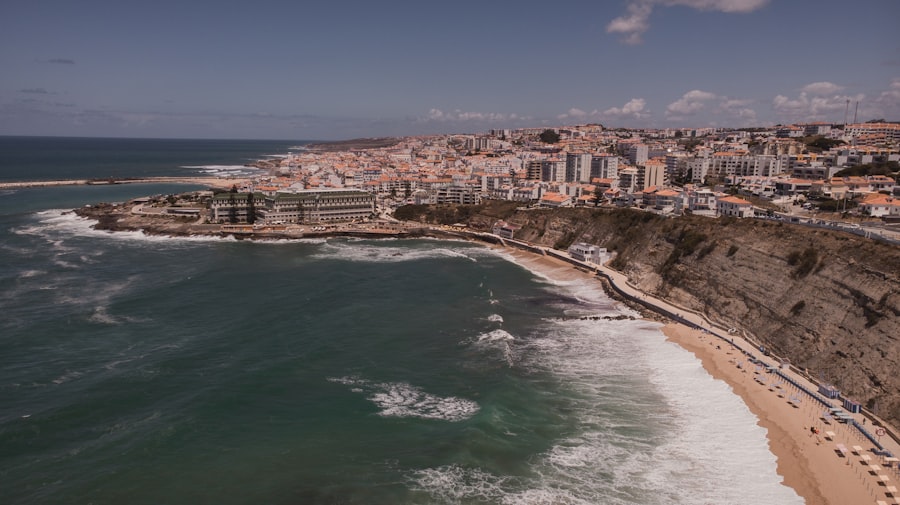
The architecture of ancient coastal cities is a direct reflection of their environment and their relationship with the sea. From grand public structures to humble dwellings, the design choices were often dictated by the practicalities of living by the water, the availability of resources, and the need for defense and trade.
Ancient coastal cities have long fascinated historians and archaeologists due to their unique blend of culture, trade, and maritime innovation. These cities often served as bustling trade hubs, connecting various civilizations and facilitating the exchange of goods and ideas. A recent article highlights how modern trade dynamics are evolving, with Mexico surpassing China as the top trading partner for the United States, reflecting a shift in global commerce that echoes the historical significance of ancient trade routes. For more insights on this topic, you can read the full article here.
Grand Public Spaces
The heart of any ancient city, coastal or otherwise, was its public life, and coastal cities were no exception. They boasted impressive forums, temples, theaters, and baths, often built with materials that were readily available or imported through their lucrative trade networks.
Temples and Religious Sites
Many coastal cities were centers of religious devotion, with their inhabitants worshipping deities associated with the sea, fertility, and protection. The construction of temples was a significant undertaking, often featuring elaborate stonework, intricate carvings, and imposing dimensions. These sacred spaces served not only as places of worship but also as community gathering points and repositories of cultural heritage, their construction reflecting the deep spiritual connection between the people and their environment. The orientation of these temples often aligned with celestial bodies or the sea, further solidifying their connection to the natural world.
Theaters and Amphitheaters
The vibrant social and cultural life of ancient coastal cities found expression in their theaters and amphitheaters. These venues, often built to accommodate thousands, hosted dramatic performances, musical concerts, political assemblies, and even gladiatorial contests. The acoustics and the sheer scale of these structures are often a testament to the advanced engineering skills of the time, allowing for collective enjoyment and shared experiences amidst the sounds and smells of the nearby sea. The proximity of these entertainment venues to the harbor often meant that visiting sailors and merchants could also participate in the city’s cultural life, further enriching the urban tapestry.
Domestic Life and Urban Planning
The everyday lives of the inhabitants were shaped by the coastal environment and the urban planning of their cities. Housing styles, street layouts, and access to resources all played a role in defining the character of these ancient settlements.
Housing and Dwellings
The design of residential buildings often took into account the coastal climate, with features like courtyards for ventilation and protection from the elements, and the use of local materials such as stone and timber. The proximity to the sea also influenced the types of goods stored within homes and the presence of specialized workshops for artisans whose crafts were tied to the maritime economy. Wealthier residents might have villas with views of the sea, while more modest dwellings would be clustered in close proximity to the bustling markets and docks, their daily lives interwoven with the ebb and flow of the port.
Urban Layout and Infrastructure
Ancient coastal cities often exhibited a degree of careful urban planning, with grid-like street layouts in some cases or organic growth around natural harbors in others. The presence of advanced infrastructure, such as sophisticated drainage systems and water supply networks, was crucial for maintaining public health and facilitating the growth of large urban populations. The organization of these cities often reflected a deep understanding of how to balance residential areas with commercial districts, public spaces, and defensive perimeters, all while maintaining a connection to the vital maritime routes that sustained them. The integration of these elements created complex and dynamic urban environments, a testament to the ingenuity of ancient city planners.
The Legacy of Coastal Cities: Echoes Through Time
The influence of ancient coastal cities extends far beyond their physical ruins. They laid the groundwork for modern maritime trade, inspired architectural innovations, and fostered cultural exchanges that continue to shape our world.
Maritime Heritage and Innovation
The seafaring traditions and technological advancements pioneered by ancient coastal cities laid the foundation for modern maritime practices. Their innovations in shipbuilding, navigation, and harbor construction have had a lasting impact on global trade and exploration.
Navigation and Cartography
The need to navigate vast oceans spurred significant advancements in navigation and cartography. Ancient mariners developed early forms of celestial navigation, using stars and the sun to guide their voyages. Their knowledge of currents, winds, and coastlines was meticulously recorded and passed down, forming the basis of early nautical charts and sailing directions. These foundational discoveries paved the way for the Age of Exploration and continue to inform modern navigation techniques, albeit with vastly superior technology.
Shipbuilding and Maritime Technology
The evolution of shipbuilding was a continuous process, driven by the demands of trade, warfare, and exploration. Ancient coastal cities were at the forefront of developing more efficient and robust vessels, from the swift triremes of the Greeks to the larger merchant ships of the Romans. These innovations not only facilitated longer and more profitable trade routes but also allowed for greater military reach and exploration of unknown territories. The advancements in hull design, sail technology, and the use of different materials all contributed to a richer understanding of how to harness the power of the wind and waves.
Cultural Exchange and Global Connections
The cosmopolitan nature of ancient coastal cities fostered a rich environment for cultural exchange, leading to the diffusion of ideas, religions, philosophies, and artistic styles across continents. This cross-pollination of cultures enriched human civilization and laid the groundwork for an interconnected world.
The Spread of Ideas and Religions
As ships plied the ancient seas, they carried not only goods but also ideas, philosophies, and religious beliefs. Coastal cities acted as melting pots where different cultures interacted, debated, and synthesized. Religions like Christianity and Judaism, for example, spread rapidly along maritime trade routes, establishing communities in distant lands. Similarly, philosophical schools and scientific theories found fertile ground in these intellectual hubs, contributing to the interconnectedness of the ancient world and the development of a shared human heritage. The exchange of artistic motifs and architectural styles is also evident in the archaeological record, demonstrating the pervasive influence of these cultural interactions.
Modern Relevance and Tourism
Today, the ruins of ancient coastal cities are not just historical sites but also vital tourist destinations that draw millions of visitors seeking to connect with the past. Their enduring allure lies in their ability to transport us to another time, allowing us to walk in the footsteps of our ancestors and appreciate the rich tapestry of human history. The preservation and study of these sites offer invaluable insights into our shared past and inspire future generations to explore the enduring relationship between humanity and the sea. The economic benefits derived from tourism also contribute to the preservation efforts, ensuring that these remarkable windows into the past remain accessible for years to come.
The journey through ancient coastal cities is a profound experience, an exploration that reveals the enduring power of human ingenuity, the vital importance of the sea, and the interconnectedness of our global heritage. These weathered stones and crumbling harbors whisper stories of lives lived, empires built, and a world connected by the vast, blue expanse of the ocean, a testament to the enduring human spirit.

The Lost City That Was Never Really Lost
FAQs
What are ancient coastal cities?
Ancient coastal cities are historical settlements that were located near the coastlines of oceans, seas, or other bodies of water. These cities were often important centers of trade, commerce, and cultural exchange.
What are some examples of ancient coastal cities?
Some examples of ancient coastal cities include Alexandria in Egypt, Carthage in North Africa, and Athens in Greece. These cities were strategically located near the coast and played significant roles in the ancient world.
What were the main features of ancient coastal cities?
Ancient coastal cities typically had well-developed harbors and ports for maritime trade, as well as defensive fortifications to protect against potential invasions from the sea. They also often had access to important natural resources such as fish and salt.
How did ancient coastal cities contribute to the development of civilization?
Ancient coastal cities were hubs of cultural exchange, where ideas, technologies, and goods from different regions could converge. They also played a crucial role in the development of maritime trade and navigation, which facilitated the spread of goods and knowledge across different civilizations.
What led to the decline of ancient coastal cities?
The decline of ancient coastal cities can be attributed to various factors, including natural disasters such as tsunamis or coastal erosion, as well as invasions and conflicts that disrupted trade and stability. Additionally, changes in trade routes and economic patterns could also contribute to the decline of these cities.