Unveiling the Past: The Significance of Arabian Rock Art
The sands of the Arabian Peninsula hold a profound, silent testament to the lives and beliefs of its ancient inhabitants: rock art. Across vast stretches of desert, rugged mountains, and hidden wadis, intrepid researchers have meticulously documented thousands of petroglyphs and pictographs, transforming our understanding of prehistoric human activity in this historically pivotal region. These ancient etchings and paintings, ranging from depictions of animals and hunting scenes to abstract symbols and anthropomorphic figures, offer an unparalleled window into the cultural, social, and economic landscapes of societies that thrived millennia ago. Arabian rock art research is not merely an academic pursuit; it is an ongoing archaeological adventure that continues to unearth crucial insights into the development of human civilization, the evolution of symbolic thought, and the intricate relationship between people and their environment in a challenging yet richly endowed land.
The sheer antiquity of some of these sites, predating written records by thousands of years, imbues them with an incalculable value. They are the primary source material for reconstructing the lifeways of peoples whose stories would otherwise be lost to time. From the early hunter-gatherer bands that roamed the Pleistocene landscape to the more settled pastoralist communities of the Holocene, the rock canvases provide tangible evidence of their presence, their ingenuity, and their worldview. The ongoing efforts to decipher these visual narratives are pushing the boundaries of archaeological interpretation, employing advanced scientific techniques alongside traditional field methods to extract every possible piece of information. This endeavor is crucial not only for understanding Arabia’s past but also for contextualizing its role within the broader tapestry of human history, as movements and interactions across the peninsula undoubtedly influenced and were influenced by neighboring civilizations. The process of discovery is constant, with new sites and significant findings emerging regularly, ensuring that Arabian rock art research remains a dynamic and vital field.
Recent studies in Arabian rock art research have shed light on the ancient cultures that once thrived in the region, revealing intricate carvings and paintings that depict the daily lives and spiritual beliefs of early inhabitants. These findings are crucial for understanding the historical context of the Arabian Peninsula and its connections to broader global narratives. For a deeper exploration of how environmental changes impact cultural heritage, you can read the article on the global crisis affecting disappearing countries at The Disappearing Countries: A Global Crisis.
Deciphering the Imagery: Themes and Narratives in Arabian Rock Art

The rich tapestry of images etched and painted onto the rocks of Arabia is remarkably diverse, offering a multifaceted narrative of ancient life. Researchers have identified recurring themes that speak volumes about the preoccupations and priorities of the communities that created them. These visual records are not random scribbles; they are deliberate communications, imbued with meaning and significance that archaeologists are slowly beginning to unravel. Understanding these themes is the first step towards comprehending the worldview of these ancient peoples.
Hunting and Animal Depictions
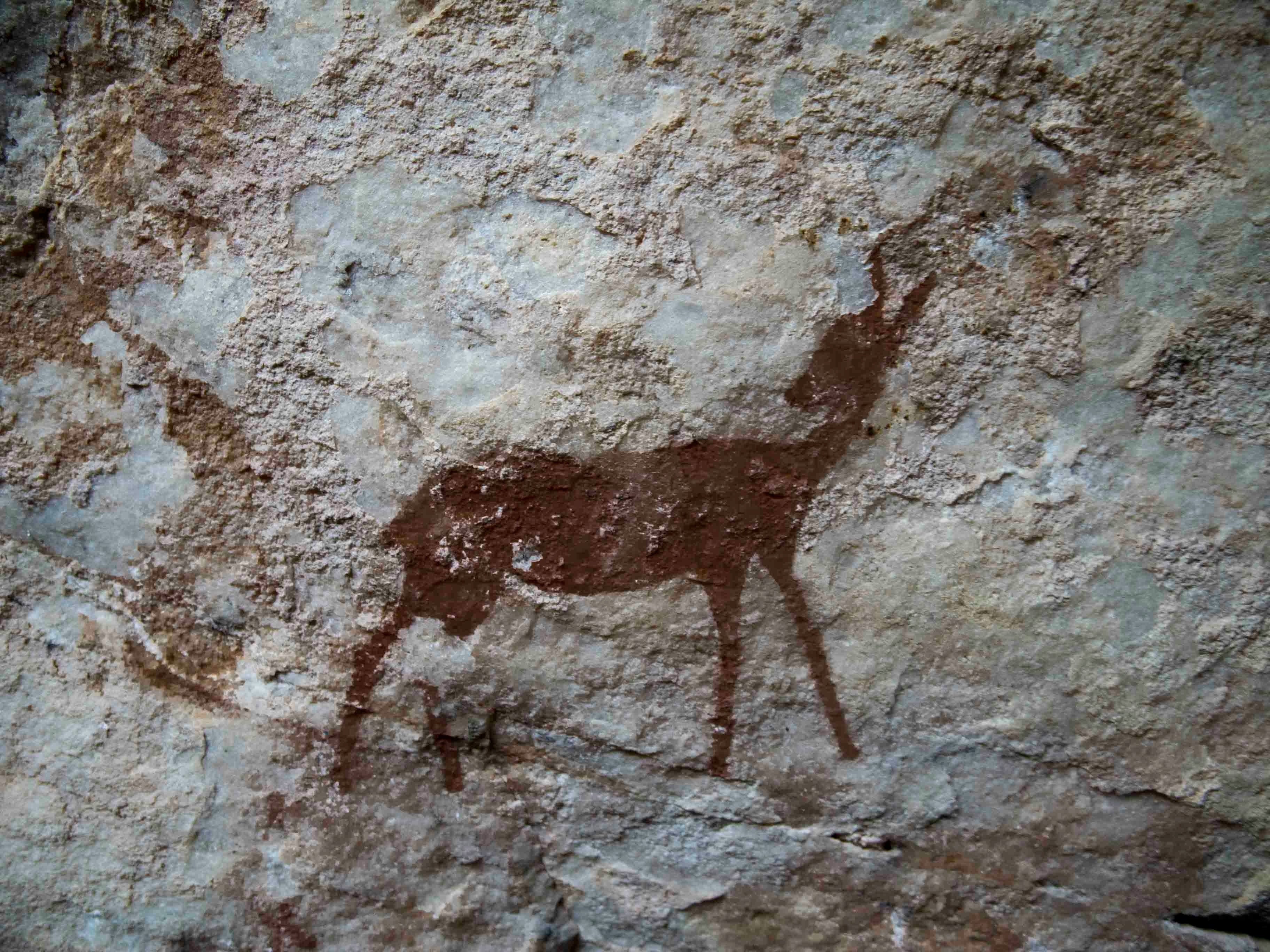
Perhaps the most striking and prevalent motif across many Arabian rock art sites is the depiction of animals. These are not mere zoological inventories; they often portray dynamic scenes of hunting, showcasing the prowess of hunters, the characteristics of prey, and the crucial role of animals in the subsistence strategies of these societies. Detailed renditions of ibex, gazelles, ostriches, and various canids suggest a deep familiarity with the local fauna, reflecting not only their practical importance for food and materials but also their symbolic or spiritual significance. The scale and detail of these animal depictions often vary, with some appearing as swift outlines and others as elaborately rendered figures. Researchers analyze the composition of these scenes to infer hunting techniques, social organization during hunts, and potentially even beliefs surrounding the relationship between humans and the animal kingdom. The presence of specific animals in certain contexts might also indicate migratory patterns or seasonal availability, providing valuable ecological data. The careful observation of horns, body posture, and accompanying human figures allows for educated speculation about the narratives being conveyed – perhaps a successful hunt, a plea for abundance, or a ritualistic representation of the chase.
Social Life and Ritual Practices
Beyond the hunt, Arabian rock art offers glimpses into the social fabric and potential ritual practices of ancient communities. Scenes depicting human figures in various activities, sometimes in groups, suggest social interactions, communal gatherings, and perhaps even ceremonies. Anthropomorphic figures, often with elaborate headdresses or exaggerated features, are interpreted as potential representations of deities, spirits, or important individuals. The context in which these figures appear, such as in proximity to animal depictions or abstract symbols, offers clues to their function within the belief system. Some sites feature gatherings of people around hearths or what appear to be ritualistic circles, hinting at communal ceremonies and shared spiritual beliefs. The presence of dancers or figures engaged in what might be considered shamanic journeys, indicated by altered states of consciousness suggested by their poses or surrounding symbols, further deepens our understanding of their spiritual lives. The recurrence of certain symbols or compositions across different sites can also suggest shared cultural practices or interconnected belief systems among geographically dispersed groups.
Abstract Symbols and Their Meanings
A significant portion of Arabian rock art comprises abstract symbols, geometric patterns, and enigmatic signs that defy immediate interpretation. These elements often accompany more representational imagery, suggesting they were integral to the overall message being conveyed. Researchers explore various hypotheses for their meaning, including their use as markers for territorial boundaries, property ownership, clan affiliations, or even as elements of a complex, early form of communication or a proto-writing system. The consistent use of certain geometric shapes, such as circles, lines, and dots, in specific arrangements across different regions points towards a shared symbolic language. Some scholars propose that these symbols represent astronomical observations, calendrical notations, or even elements of mythology and cosmology. The challenge lies in the absence of any Rosetta Stone for these ancient scripts, requiring a multidisciplinary approach involving comparative analysis with other ancient art forms, ethnographic parallels, and an intimate understanding of the ecological and social context of the rock art sites. The ongoing effort to decode these abstract elements is one of the most compelling frontiers in Arabian rock art research.
Chronological Frameworks and Cultural Phases

Establishing a reliable chronological framework for Arabian rock art is a complex but essential task, allowing researchers to chart the evolution of artistic styles, themes, and human activities over vast periods. Radiometric dating of associated archaeological deposits, stylistic analysis of the art itself, and the superposition of different engravings provide the primary tools for this endeavor. By segmenting the vast timeline of Arabian prehistory and early history into distinct cultural phases, researchers can begin to understand the dynamic changes in human societies that shaped the peninsula.
Early Hunter-Gatherer Traditions (Paleolithic and Neolithic)
The earliest layers of Arabian rock art are often associated with hunter-gatherer societies, dating back to the Paleolithic and early Neolithic periods. These engravings and paintings frequently feature large animals, reflecting the fauna available during those eras, and often depict hunting strategies. The style tends to be more naturalistic or schematic, depending on the specific period and region. Evidence from sites like Jubbah in Saudi Arabia and various locations in Oman and Yemen points to a long tradition of rock art creation that predates the widespread adoption of agriculture. These early artworks provide crucial evidence for the presence of sophisticated hominin populations in Arabia during periods when the peninsula was more verdant, connecting with the broader patterns of human migration and adaptation across Africa and Asia. The limited number of human figures in these early contexts, often overshadowed by animal depictions, suggests a worldview where the natural world, particularly its powerful fauna, held significant prominence.
Pastoralist Societies and the Rise of Complexity (Neolithic and Bronze Age)
As human societies transitioned towards pastoralism and more settled lifestyles during the Neolithic and Bronze Age, the themes and styles of rock art began to evolve. Depictions of domesticated animals like cattle, sheep, and goats become more prominent, reflecting the changing economic base. The emergence of more complex social structures is sometimes inferred from the increased representation of human figures, often depicted in organized groups, participating in communal activities, or engaging in what appear to be ritualistic processions. Elaborate anthropomorphic figures, sometimes adorned with jewelry or distinctive attire, may represent clan leaders, shamans, or deities. Sites in the Najd region of Saudi Arabia and the mountainous areas of the UAE often showcase these pastoralist-themed rock art panels, highlighting the domestication of animals and the development of new social hierarchies. The careful rendering of harnesses and other accoutrements suggests a sophisticated understanding of animal husbandry and its integral role in their society.
Later Developments and Interactions (Iron Age and Beyond)
The Iron Age and subsequent periods in Arabia saw further shifts in cultural practices and increased interaction with neighboring civilizations. Rock art from these eras can reflect these changes, with new motifs, symbols, and stylistic influences appearing. The rise of more complex kingdoms and trade networks may be subtly mirrored in the art. While the creation of rock art might have become less widespread in some areas with the advent of more permanent forms of monumental architecture and writing, it continued to hold cultural significance. Inscriptions in various ancient scripts, sometimes found alongside or within rock art panels, offer invaluable opportunities to cross-reference and contextualize the imagery. Researchers continue to investigate how these later artistic traditions reflect the social, economic, and political transformations occurring across the Arabian Peninsula, including influences from the South Arabian kingdoms and later Islamic periods. The integration of textual information with visual evidence is a key strategy for understanding these later phases.
Methodologies and Technologies in Rock Art Research
The study of Arabian rock art is a dynamic field, constantly enhanced by the application of innovative methodologies and cutting-edge technologies. Archaeologists and art historians employ a diverse toolkit to document, analyze, and interpret these ancient inscriptions, pushing the boundaries of what can be learned from these fragile remnants of the past. The commitment to rigorous scientific inquiry ensures that the insights gained are as accurate and comprehensive as possible.
Field Documentation and Survey Techniques
The initial and most critical phase of Arabian rock art research involves meticulous field documentation and systematic survey. This includes extensive reconnaissance to locate potential sites, followed by detailed mapping and recording of individual panels and petroglyphs. Researchers utilize GPS technology for precise location recording, high-resolution digital photography to capture subtle details, and photogrammetry to create three-dimensional models of rock art sites. Drawings and sketches, although increasingly supplemented by digital methods, remain valuable for capturing subjective interpretations and artistic nuances. The use of drones for aerial surveys has proven particularly effective in identifying previously unknown sites in remote and inaccessible terrain. Detailed site plans and descriptive catalogs are compiled, noting the context of each artwork, including its geological setting, orientation, and any associated archaeological features. This foundational data is crucial for subsequent analysis and for ensuring the long-term preservation of these invaluable cultural heritage sites.
Scientific Analysis and Dating Methods
Beyond visual documentation, a range of scientific techniques are employed to extract further information and establish chronological sequences. Non-destructive methods, such as portable X-ray fluorescence (pXRF) and Raman spectroscopy, are used to analyze the pigment composition of pictographs and the mineral patina on petroglyphs, helping to identify the materials used by ancient artists and potentially inferring the age or environmental conditions. Radiocarbon dating of organic materials found in association with rock art, such as charcoal from ancient hearths located near engraved panels, can provide absolute age estimates for the creation of the art. Stylistic analysis, a cornerstone of art history, involves comparing the formal characteristics of the art – such as line quality, composition, and subject matter – with dated archaeological contexts and known cultural phases. The study of superposition, where one engraving or painting is clearly made over another, is a critical method for establishing relative chronologies within a single panel or site.
Digital Archaeology and Data Management
In the digital age, Arabian rock art research has been profoundly transformed by digital archaeology. Advanced imaging techniques like multispectral imaging and DStretch software are employed to enhance the visibility of faded or weathered pictographs, revealing details previously obscured by time. Geographic Information Systems (GIS) are used to map the distribution of rock art sites, analyze spatial patterns, and understand the relationship between art, landscape, and human settlement. Databases are meticulously constructed to store and manage vast amounts of data, including images, descriptive metadata, and analytical results. This digital approach not only facilitates collaborative research across international teams but also ensures the long-term accessibility and preservation of this critical cultural heritage. Virtual reality and augmented reality are increasingly being explored as tools for public engagement and educational outreach, allowing wider audiences to experience and learn about Arabian rock art in immersive ways.
Recent studies in Arabian rock art research have unveiled fascinating insights into the cultural and historical significance of these ancient artworks. One particularly intriguing article discusses how technological advancements are revolutionizing our understanding of these artifacts, shedding light on their creation and purpose. For more information on this topic, you can read the article on technology’s impact on archaeological research here. These findings not only enhance our appreciation of the rock art but also contribute to a broader understanding of the region’s heritage.
Cultural Significance and Heritage Preservation
| Research Aspect | Description | Key Findings | Notable Sites | Research Methods |
|---|---|---|---|---|
| Chronology | Dating of rock art to establish timelines | Art ranges from Neolithic to Islamic periods (approx. 10,000 BCE to 1,400 CE) | Jubbah, Shuwaymis, Jebel al-‘Lawz | Radiocarbon dating, stratigraphy, stylistic analysis |
| Iconography | Study of symbols and motifs depicted | Depictions of animals, human figures, hunting scenes, and inscriptions | Jubbah, Ha’il region, Wadi Rum | Visual analysis, ethnographic comparison |
| Material Analysis | Examination of rock surfaces and pigments | Use of natural mineral pigments and engraving techniques identified | Shuwaymis, Jebel al-‘Lawz | X-ray fluorescence (XRF), microscopy |
| Cultural Context | Understanding the social and ritual significance | Rock art linked to hunting rituals, territorial markers, and spiritual beliefs | Jubbah, Ha’il, Wadi Rum | Ethnoarchaeology, comparative anthropology |
| Preservation Status | Assessment of current condition and threats | Many sites threatened by natural erosion and human activity | All major sites | Site surveys, conservation studies |
The importance of Arabian rock art extends far beyond its archaeological and historical value; it is a vital component of the cultural heritage of the nations within the Arabian Peninsula. These ancient artworks are tangible links to the ancestral past, offering a sense of identity and continuity for contemporary populations. Recognizing this significance, concerted efforts are underway to preserve these irreplaceable sites for future generations.
Identity and Ancestral Connections
For the modern inhabitants of the Arabian Peninsula, rock art sites represent a profound connection to their ancestors. They are visual chronicles that tell the story of human presence and adaptation in the region over millennia, fostering a sense of shared history and cultural identity. The recognition of these ancient artistic traditions as part of their national heritage is increasingly being acknowledged, leading to greater pride and a commitment to their protection. Many communities living in proximity to these sites have developed a deep respect for them, often acting as informal guardians and custodians. The stories and symbols depicted in the art can resonate with contemporary cultural narratives, providing a living link to the spiritual and practical concerns of past generations. This connection is crucial for building a robust sense of place and belonging in an era of rapid change.
Tourism and Education
The allure of ancient mysteries makes Arabian rock art a compelling draw for cultural tourism. Carefully managed sites can offer educational opportunities, allowing visitors to engage with history in a direct and impactful way. Promoting responsible tourism to these fragile locations requires careful planning to ensure minimal environmental impact and to prevent damage to the art. Educational programs, interpretive centers, and guided tours can effectively convey the significance of the art and its cultural context to a broader audience. This can foster a greater appreciation for heritage and encourage a commitment to its preservation. By showcasing the artistic achievements and daily lives of ancient peoples, rock art sites can become powerful tools for educating both local populations and international visitors about the rich and complex history of the Arabian Peninsula.
Conservation Challenges and Strategies
The preservation of Arabian rock art faces numerous challenges, including natural erosion, environmental degradation, and the potential impact of human activities. Extreme temperature fluctuations, windblown sand, and flash floods can all contribute to the deterioration of rock surfaces and the artworks themselves. Unauthorized graffiti, vandalism, and damage from unchecked tourism also pose significant threats. Conservation strategies involve a multi-pronged approach, including regular monitoring of sites, implementing protective measures such as fencing and signage, and developing protocols for the appropriate stabilization and conservation of damaged areas. Collaborative efforts between local authorities, international heritage organizations, and research institutions are essential for developing and implementing effective long-term conservation plans. Education and community engagement play a crucial role in fostering a sense of shared responsibility for the protection of these invaluable cultural assets. Advanced scientific research is also employed to understand the processes of degradation and to develop innovative conservation techniques that are both effective and minimally invasive.
Ongoing Discoveries and Future Directions
The field of Arabian rock art research is far from static; it is a continuously evolving discipline, driven by new discoveries, technological advancements, and evolving theoretical frameworks. The vastness of the Arabian landscape and the potential for uncovering new sites mean that the journey of discovery is ongoing, promising to yield further groundbreaking insights into the human story.
Emerging Sites and Unexpected Finds
Each new survey and excavation in the Arabian Peninsula holds the potential for unexpected finds that can reshape our understanding of prehistoric and ancient human activity. The discovery of previously unrecorded rock art sites in remote desert regions, mountainous areas, or even within expanding urban peripheries continually adds to the corpus of known artworks. These emerging sites often reveal new artistic styles, novel iconography, or provide crucial contextual information that helps to fill gaps in our knowledge. For example, the discovery of a site with a high concentration of anthropomorphic figures with unusual regalia might lead to new interpretations of social hierarchies or religious beliefs. Similarly, finding rock art in conjunction with well-preserved archaeological settlements offers invaluable opportunities for direct correlation and dating. The thrill of unearthing these silent messages from the past fuels the ongoing exploration of the region’s rich archaeological landscape.
Interdisciplinary Approaches and Theoretical Advancements
The future of Arabian rock art research lies in the increasing adoption of interdisciplinary approaches, integrating the expertise of archaeologists, art historians, anthropologists, geologists, and scientists from various fields. This collaborative spirit allows for a more holistic interpretation of the art, moving beyond purely descriptive analysis to deeper understandings of meaning, function, and cultural context. Theoretical advancements, such as the application of cognitive archaeology to understand the mental processes behind art creation, or the use of landscape archaeology to analyze the relationship between art, environment, and human movement, are pushing the boundaries of interpretation. Researchers are also increasingly focusing on the social life of rock art, considering how these images were created, viewed, and interacted with by ancient communities over time. The study of the sensory experience of encountering rock art – the play of light and shadow, the tactile quality of the engravings – is also gaining traction.
The Global Context and Continued Exploration
Arabian rock art is not an isolated phenomenon; it is part of a broader global tradition of prehistoric art. Future research will undoubtedly focus on strengthening connections between Arabian rock art and similar traditions in neighboring regions, such as Africa and the Indian subcontinent, to understand ancient migration routes, cultural exchanges, and the diffusion of ideas. Continued exploration of the Arabian Peninsula, particularly in less-surveyed areas, will undoubtedly lead to the discovery of more significant sites and the potential for revolutionary new interpretations. The application of even more advanced imaging and analytical technologies, coupled with ongoing theoretical debates, promises to unlock further secrets held within these ancient canvases. The enduring power of Arabian rock art lies in its ability to continually provoke questions, inspire wonder, and offer profound insights into the shared human journey across millennia.
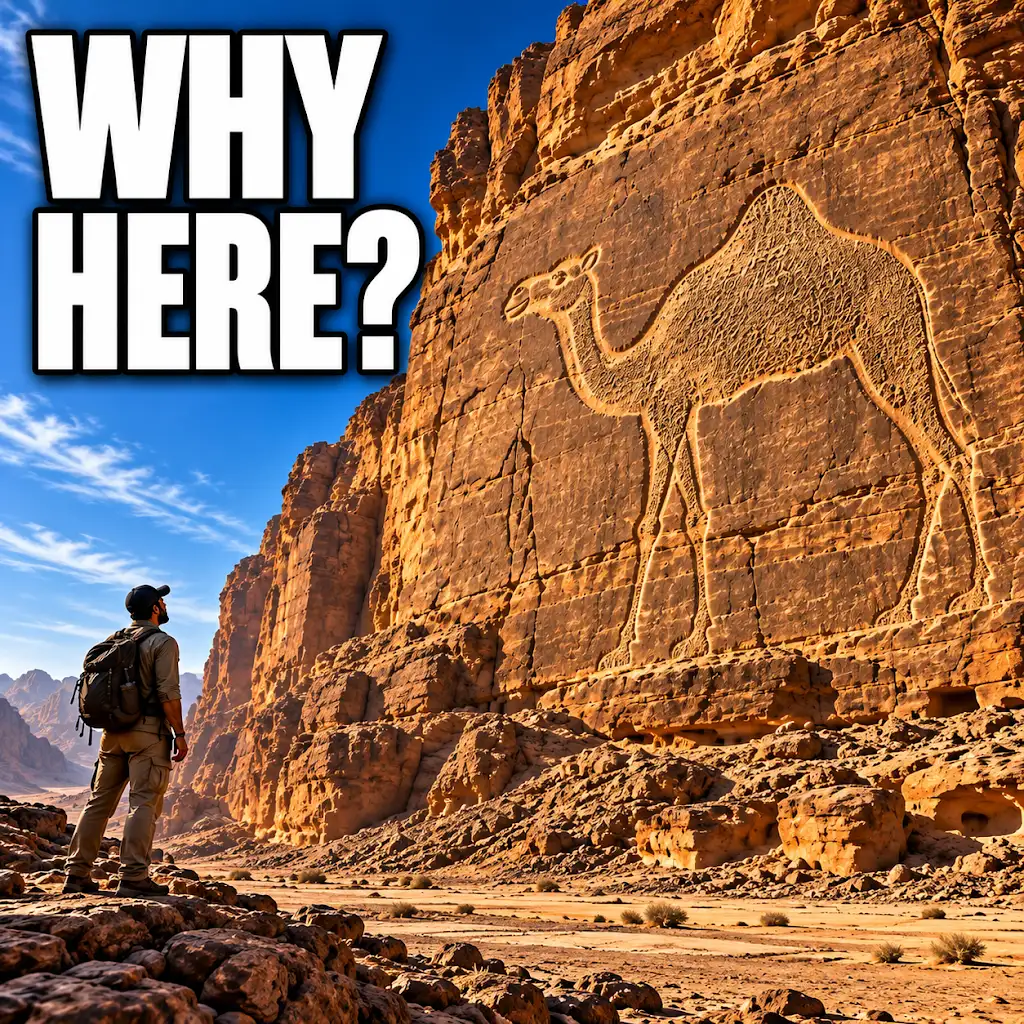
Why Were Giant Camels Carved Above the Desert?
FAQs
What is Arabian rock art?
Arabian rock art refers to prehistoric carvings and paintings found on rocks in the Arabian Peninsula, dating back thousands of years. These artworks provide insights into the culture, beliefs, and daily life of ancient inhabitants of the region.
Where is Arabian rock art commonly found?
Arabian rock art can be found in various locations across the Arabian Peninsula, including in deserts, mountains, and valleys. Some well-known sites include Jebel Jassassiyeh in Qatar, Jubbah and Shuwaymis in Saudi Arabia, and Wadi Rum in Jordan.
What techniques were used to create Arabian rock art?
Arabian rock art was created using various techniques, including carving (petroglyphs) and painting (pictographs). Carvings were typically made by pecking or scraping the rock surface, while paintings were done using natural pigments such as iron oxide and charcoal.
Why is the study of Arabian rock art important?
The study of Arabian rock art is important as it helps archaeologists and researchers understand the history, culture, and social practices of ancient Arabian societies. It provides valuable insights into the artistic expressions, religious beliefs, and daily activities of these early inhabitants.
What challenges are faced in researching Arabian rock art?
Researching Arabian rock art poses several challenges, including the remote locations of many rock art sites, preservation issues due to weathering and vandalism, deciphering the meanings behind the artworks, and the need for interdisciplinary approaches to fully interpret and analyze the rock art.