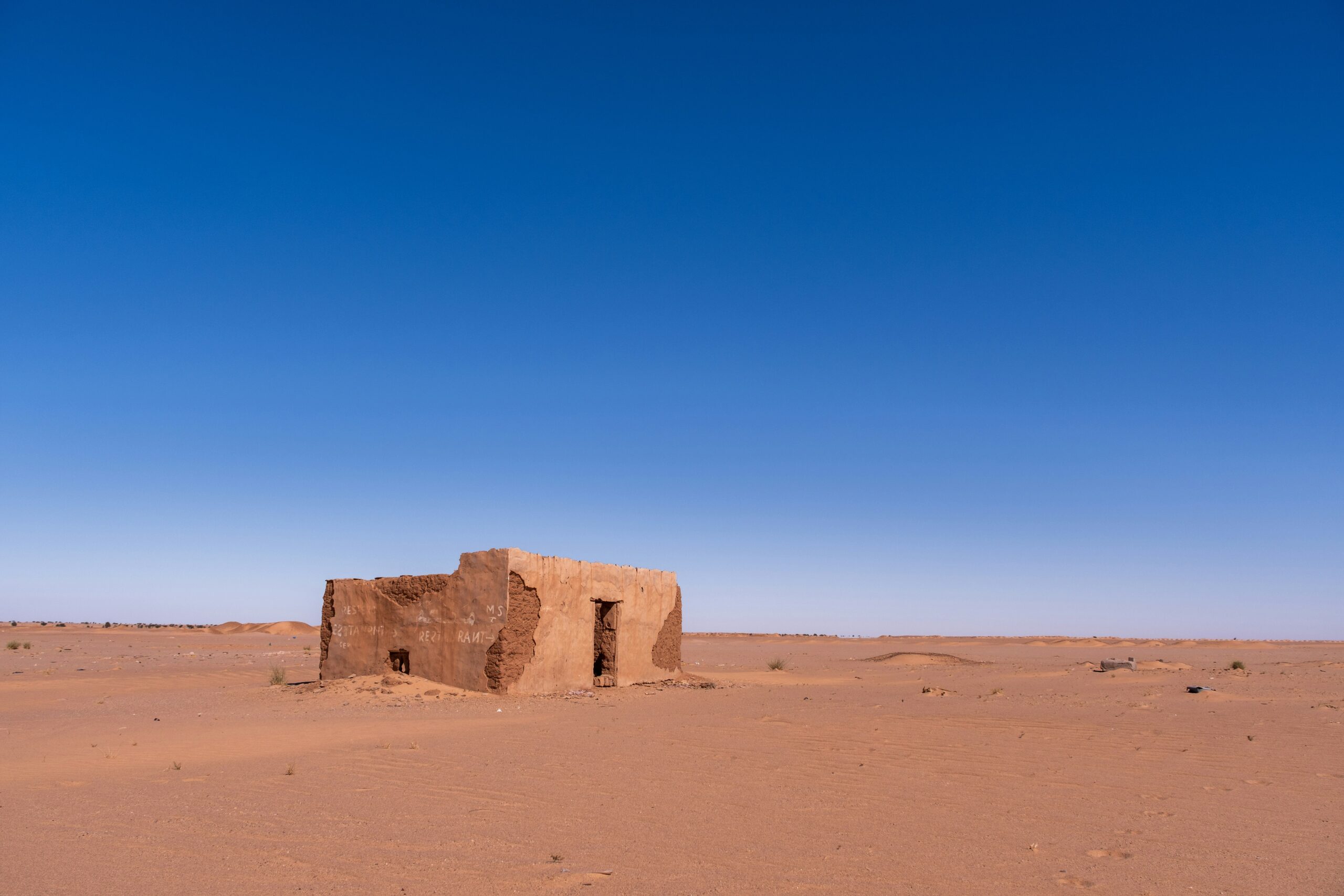
The relentless sun beats down, a golden hammer forging the landscape into an arid masterpiece. Africa, a continent steeped in history, cradles within its vast deserts some of humanity’s most awe-inspiring and enigmatic ancient monuments. These colossal structures, born from the ingenuity and spiritual fervor of bygone civilizations, stand as silent witnesses to empires that rose and fell, to beliefs that shaped societies, and to a human desire to connect with the divine and the eternal. To explore these ancient desert monuments is to embark on a journey not only through space but also through time, peeling back layers of sand and legend to reveal the enduring spirit of human achievement.
No exploration of African desert monuments would be complete without a pilgrimage to the iconic Pyramids of Giza, standing sentinel on the western edge of Cairo. These colossal tombs, built for pharaohs of the Old Kingdom, are not merely impressive feats of engineering; they are profound statements of power, religious belief, and the pursuit of immortality. The sheer scale and precision of their construction, achieved with rudimentary tools and immense human labor, continue to baffle and inspire.
The Great Pyramid of Giza: A Wonder of the Ancient World
The undisputed monarch of the Giza plateau, the Great Pyramid of Khufu, is the largest of the three main pyramids and the only surviving wonder of the ancient world. Its immense stones, some weighing several tons, were quarried, transported, and meticulously placed to form a structure that once soared to 146.6 meters. The meticulous alignment of the pyramid to the cardinal points, the intricate internal passages, and the sophisticated ventilation shafts all speak to an advanced understanding of astronomy and architecture. The purpose of the pyramids, beyond being royal tombs, remains a subject of debate. Theories range from astronomical observatories to energy generators, adding to their enduring mystique. The spiritual significance is undeniable, representing the pharaoh’s journey to the afterlife and his transformation into a divine being, ensuring the stability and prosperity of Egypt.
The Sphinx: Guardian of the Necropolis
Adjacent to the Great Pyramid stands the enigmatic Great Sphinx, a mythical creature with the body of a lion and the head of a human, believed to represent the pharaoh Khafre. Its weathered features, carved from a single bedrock outcrop, stare stoically out across the desert, a silent guardian of the necropolis for millennia. The Sphinx has been buried and unearthed numerous times throughout history, each revelation adding to its legend. Its missing nose, a source of much speculation, is often attributed to Napoleon’s soldiers, though historical accounts suggest it may have been damaged much earlier. The Sphinx embodies the protective power of the pharaoh and the eternal vigilance of the divine.
The Pyramids of Khafre and Menkaure: Companions in Grandeur
While often overshadowed by the Great Pyramid, the pyramids of Khafre and Menkaure are equally remarkable. Khafre’s pyramid, though slightly smaller, appears taller due to its position on higher ground. Its casing stones, particularly at the apex, are still remarkably intact, offering a glimpse of the pyramids in their original, polished glory. Menkaure’s pyramid, the smallest of the three, is distinguished by its lower courses of granite, a testament to the quality of materials employed in its construction. These companion pyramids further solidify the Giza plateau as a monumental testament to the Old Kingdom’s power and ambition.
The Mortuary Temples and Causeways: Pathways to the Afterlife
Surrounding the pyramids are the remnants of mortuary temples and causeways, integral components of the funerary complex. These structures served as sites for rituals and offerings to the deceased pharaoh, ensuring his continued sustenance and well-being in the afterlife. The causeways, long, elevated pathways, connected the valley temples (located closer to the Nile) to the mortuary temples, facilitating the ceremonial procession of the pharaoh’s body. Their ruins hint at a once vibrant ceremonial landscape, where priests and mourners would gather in solemn tribute.
Ancient desert monuments in Africa, such as the Great Pyramids of Giza and the rock-hewn churches of Lalibela, offer a glimpse into the rich history and architectural ingenuity of past civilizations. These remarkable structures not only serve as a testament to human creativity but also attract scholars and tourists alike, eager to explore their mysteries. For those interested in understanding how to navigate unexpected challenges, including financial emergencies that may arise during travel to these historic sites, a related article can provide valuable insights. You can read more about preparing for unforeseen circumstances in this informative piece: Financial Emergency Plan for US Citizens.
The Temples of Abu Simbel: Submerged Wonders of Ramesses II
Further south in Egypt, carved directly into the sandstone cliffs overlooking the Nile, lie the magnificent temples of Abu Simbel. Commissioned by the powerful pharaoh Ramesses II, these colossal structures are renowned for their scale, intricate carvings, and a remarkable feat of modern engineering that saved them from inundation. The temples stand as a testament to Ramesses II’s ego and his desire to immortalize his reign and his devotion to the gods.
The Great Temple of Ramesses II: A Display of Royal Power
The larger of the two temples, dedicated to Ramesses II himself and the gods Amun, Ra-Horakhty, and Ptah, is dominated by four colossal statues of the seated pharaoh. Each statue stands over 20 meters tall, their serene faces gazing outward, a powerful display of royal authority. The interior is adorned with vibrant reliefs depicting Ramesses II’s military victories, particularly the Battle of Kadesh, and his divine connection. The temple’s alignment is such that twice a year, on February 22nd and October 22nd, sunlight penetrates deep into the sanctuary, illuminating the statues of Ramesses II and Amun, but leaving the statue of Ptah, the god of darkness, in shadow.
The Smaller Temple of Nefertari: A Tribute to a Beloved Queen
Nestled beside the Great Temple is the smaller temple, dedicated to Ramesses II’s chief wife, Queen Nefertari, and the goddess Hathor. While less imposing in size, this temple is equally significant for its exquisite artistry and its testament to the importance of Nefertari in Ramesses II’s life and reign. Six colossal statues of Ramesses II adorn the facade, flanked by two statues of Nefertari, standing nearly as tall as the pharaoh. The interior reliefs showcase scenes of Nefertari interacting with the gods, highlighting her divine favor.
The Abu Simbel Relocation Project: A Triumph of Conservation
In the 1960s, the construction of the Aswan High Dam threatened to submerge both temples under the waters of Lake Nasser. In a monumental international effort, the temples were meticulously dismantled, stone by stone, and painstakingly reassembled on higher ground, a remarkable feat of archaeological engineering that saved these treasures for posterity. This relocation project stands as a testament to humanity’s ability to preserve its heritage in the face of overwhelming natural forces.
The Illusion of Displacement: A Modern Marvel
The relocation project, orchestrated by UNESCO, involved cutting the temples into thousands of blocks, transporting them to a new location, and reassembling them with remarkable accuracy. The process aimed to recreate the original orientation and visual impact, ensuring that the sun’s rays still perfectly illuminate the inner sanctuaries on the designated days. The success of this undertaking is a modern marvel, showcasing the power of human ingenuity and international cooperation.
The Ancient City of Petra: The Rose-Red City Carved from Rock
Journeying further west into Jordan, though often considered part of the broader North African and Middle Eastern ancient desert landscape, lies the breathtaking city of Petra. Carved directly into vibrant red sandstone cliffs by the Nabataeans, this ancient trading hub is a UNESCO World Heritage site and a true wonder of the ancient world. Petra’s unique architecture, its strategic location, and its enigmatic history continue to captivate visitors.
Al-Khazneh (The Treasury): An Iconic Facade
The most iconic and instantly recognizable monument in Petra is Al-Khazneh, “The Treasury.” Its elaborate Hellenistic-inspired facade, carved directly into the cliff face, is a masterpiece of Nabataean artistry. The purpose of Al-Khazneh is still debated, with theories ranging from a tomb for a Nabataean king to a temple or a royal treasury. Its sheer beauty and intricate detail, revealed as one emerges from the narrow Siq, are overwhelming. The way the sunlight plays on the rose-red stone, changing its hues throughout the day, adds to its ethereal charm.
The Siq: A Dramatic Overture
Access to Petra is through the Siq, a narrow, winding gorge that stretches for over a kilometer, with towering cliffs on either side. Walking through the Siq is an experience in itself, building anticipation for the wonders that lie ahead. The sheer rock walls, sculpted by wind and water, create a sense of awe and intimacy, a natural prelude to the man-made marvels of the city.
The Monastery (Ad Deir): A Monumental Achievement
Perched high above the city, accessible by a challenging climb, is Ad Deir, “The Monastery.” Even larger than Al-Khazneh, its grand facade and impressive scale are awe-inspiring. Believed to have been a temple or a meeting place, its remote location suggests a significant spiritual or ceremonial purpose. The effort required to reach it is rewarded with breathtaking panoramic views of the surrounding desert landscape.
The Royal Tombs: A Necropolis of Grandeur
Beyond the Treasury and the Monastery, Petra is dotted with numerous other impressive structures, including the Royal Tombs. These imposing facades, carved into the cliffs, are believed to have served as burial places for Nabataean royalty. Each tomb possesses its own unique architectural style, showcasing the Nabataeans’ skill and artistic diversity. The Urn Tomb, the Silk Tomb, the Corinthian Tomb, and the Palace Tomb are among the most notable, each offering a glimpse into the wealth and power of the Nabataean rulers.
The Great Zimbabwe: Ruins of a Powerful African Civilization
Moving further south, within the heart of Southern Africa, lies the enigmatic Great Zimbabwe, the ruins of a once-thriving capital city. This impressive stone complex, built by a Shona civilization between the 11th and 15th centuries, stands as a testament to a sophisticated and powerful African kingdom, its origins and decline shrouded in mystery.
The Hill Complex: The Seat of Power
The Hill Complex, the oldest part of Great Zimbabwe, is believed to have been the royal residence and the center of religious activities. Its massive granite walls, constructed without mortar, are a remarkable feat of engineering. The strategic positioning of the complex, overlooking the surrounding landscape, suggests its importance as a defensive and administrative hub.
The Great Enclosure: A Monument to Grandeur
The most striking feature of Great Zimbabwe is the Great Enclosure, a massive elliptical structure with imposing walls, some reaching up to 11 meters in height and 3.6 meters thick. The conical tower within the enclosure, a unique architectural element, remains a subject of speculation, with theories suggesting it may have been a granary, a symbol of royal power, or a phallic symbol. The sheer scale and precision of the Great Enclosure speak to a highly organized society capable of mobilizing significant labor and resources.
The Valley Ruins: Everyday Life and Craftsmanship
Surrounding the Hill Complex and the Great Enclosure are the Valley Ruins, smaller enclosures and clusters of huts that represent the homes of the city’s inhabitants. These ruins offer a glimpse into the daily lives of the people of Great Zimbabwe, their social structures, and their skilled craftsmanship. Pottery shards, iron tools, and soapstone bird carvings found at the site provide valuable insights into their culture and economy.
The Enigmatic Soapstone Birds: Symbols of Identity
The soapstone bird carvings, found throughout Great Zimbabwe, are perhaps its most distinctive artifacts. These finely crafted sculptures, often depicting birds perched on pedestals, are believed to have held significant symbolic meaning, possibly representing ancestral spirits, royal authority, or religious deities. Their presence in the ruins suggests their central role in the spiritual and cultural life of the civilization.
Ancient desert monuments in Africa have long fascinated historians and archaeologists, revealing insights into the cultures that once thrived in these arid landscapes. One intriguing aspect of these monuments is their connection to historical maps, such as the Piri Reis map, which has sparked considerable debate regarding its accuracy and the knowledge of ancient civilizations. For a deeper exploration of this topic, you can read more about the controversies surrounding this fascinating map in the article unraveling the Piri Reis map controversy.
The Rock-Hewn Churches of Lalibela: Ethiopia’s Sacred Mountains
| Monument | Location | Age | Description |
|---|---|---|---|
| Great Pyramid of Giza | Egypt | Approx. 4,500 years | The largest of the three pyramids in Giza and one of the Seven Wonders of the Ancient World. |
| Temple of Karnak | Egypt | Over 4,000 years | One of the largest religious complexes in the world, dedicated to the god Amun. |
| Great Zimbabwe | Zimbabwe | Built between 11th and 15th centuries | An ancient city built of stone, known for its impressive stone structures. |
| Rock-Hewn Churches of Lalibela | Ethiopia | 12th and 13th centuries | A group of 11 monolithic churches carved out of rock, representing a unique architectural style. |
In the highlands of Ethiopia, carved directly from the living rock, lie the extraordinary churches of Lalibela. These 11 medieval monolithic churches, constructed in the 12th century during the reign of King Lalibela, are a pilgrimage destination for Orthodox Christians and a UNESCO World Heritage site, representing a unique fusion of faith and architectural genius.
Bet Giorgis (Church of St. George): A Masterpiece of Design
The most famous and arguably the most beautiful of the Lalibela churches is Bet Giorgis, “The Church of St. George.” This cruciform-shaped church is carved downwards into the rock, with its roof forming the ground level. The intricate facade, depicting Christian symbols and motifs, and the sheer scale of its excavation are breathtaking. The interior, with its simple yet profound altar and frescoes, evokes a sense of spiritual serenity.
The Architectural Marvel of Monolithic Construction
The construction of these churches is an unparalleled feat of engineering and artistry. Rather than building upwards, the priests and artisans of Lalibela painstakingly carved downwards into the solid volcanic rock, creating churches that are essentially negative spaces. This method required immense skill, precision, and a deep understanding of geology. The churches are interconnected by a labyrinth of trenches, tunnels, and bridges, adding to the mystique of the complex.
The Twelve Churches: A Tapestry of Faith
Beyond Bet Giorgis, the Lalibela complex comprises 12 churches, each with its own unique design and significance. Bet Medhane Alem, the largest, is believed to have been built to house a relic of the True Cross. Bet Maryam is known for its exquisite wall paintings, while Bet Abba Libanos is unique for its internal buttresses. Together, these churches form a sacred landscape that continues to inspire devotion and awe.
The Spiritual Significance: A Pilgrimage of Faith
Lalibela has long been a vital pilgrimage site for Ethiopian Orthodox Christians. The arduous journey to reach these remote churches, coupled with the profound spiritual atmosphere, has created a deeply meaningful experience for believers. The churches are not merely architectural marvels but living testaments to the enduring power of faith and the human desire to connect with the divine through art and devotion.
Exploring these ancient desert monuments across Africa is an invitation to contemplate the vastness of time, the resilience of human spirit, and the enduring power of creativity. From the monumental ambition of the pharaohs to the intricate artistry of the Nabataeans, the architectural prowess of Great Zimbabwe, and the spiritual devotion of Lalibela, these sites offer profound insights into the diverse tapestry of human history and the eternal quest for meaning in the face of the vast, indifferent desert. Each monument, a silent storyteller, whispers tales of bygone eras, inviting us to listen, learn, and be inspired by the legacies etched in stone and sand.

260 Ancient Graves Were Hiding in This “Empty” Desert
FAQs
What are ancient desert monuments in Africa?
Ancient desert monuments in Africa are historical structures and landmarks that were built by ancient civilizations in the desert regions of the continent. These monuments include pyramids, temples, tombs, and other architectural marvels.
Where are the ancient desert monuments located in Africa?
The ancient desert monuments in Africa are primarily located in countries such as Egypt, Sudan, Libya, and Mali. These countries are home to some of the most well-known and significant ancient desert monuments in the world.
What is the significance of these ancient desert monuments?
The ancient desert monuments in Africa hold great historical, cultural, and archaeological significance. They provide valuable insights into the civilizations that built them, their religious beliefs, architectural achievements, and societal structures.
How were the ancient desert monuments constructed?
The construction of ancient desert monuments in Africa varied depending on the civilization and time period. However, many of these monuments were built using large stone blocks, intricate architectural designs, and advanced engineering techniques for their time.
Are the ancient desert monuments in Africa open to visitors?
Yes, many of the ancient desert monuments in Africa are open to visitors and tourists. Countries such as Egypt and Sudan have made significant efforts to preserve and promote these monuments as important cultural and historical attractions.