
Exploring Ancient Ecosystems: A Documentary Journey
The emerald glow of a prehistoric swamp, the rumbling footsteps of giants, the silent, slow march of glaciers carving valleys – these are the glimpses offered by “Exploring Ancient Ecosystems: A Documentary Journey,” a groundbreaking series that transports viewers through epochs long past. This ambitious undertaking doesn’t merely present historical data; it resurrects lost worlds, imbuing them with life and motion, allowing us to witness firsthand the intricate dance of evolution and the dramatic shifts that have sculpted our planet. The documentary crew, armed with cutting-edge CGI, meticulous scientific research, and a profound sense of wonder, ventures into the heart of vanished biomes, revealing the complex interplay of flora, fauna, and geological forces that defined their existence.
The opening episodes of “Exploring Ancient Ecosystems” plunge viewers into the primordial oceans, the cradles of life itself. Here, where sunlight barely penetrated the murky depths, the first tentative forms of existence began to stir. The documentary meticulously reconstructs these early aquatic realms, demonstrating that the foundation of all terrestrial life was laid in environments vastly different from our modern seas.
The Cambrian Explosion: A Rapid Diversification
A significant portion of this section is dedicated to the Cambrian Explosion, a period of unprecedented biological innovation approximately 541 to 485 million years ago. Viewers witness the sudden eruption of complex multicellular life, with the appearance of most major animal phyla. The documentary employs stunning visual reconstructions to bring creatures like Anomalocaris, a predatory arthropod, and the trilobites, ancient marine arthropods, to life. It highlights the diverse body plans that emerged during this era, from filter feeders to active hunters, showcasing the adaptive radiation that characterized this pivotal moment in Earth’s history. The narration delves into the scientific theories attempting to explain this rapid diversification, including the rise of oxygen levels, the development of new genetic toolkits, and potential predator-prey arms races.
The Silurian Seas: The Colonization of Land Begins
Following the Cambrian, the series moves to the Silurian period (443.8 to 419.2 million years ago), a time when oceans continued to teem with life, but the first tentative steps onto land were being taken. The documentary illustrates the evolution of jawed fish, a significant advancement that opened new predatory niches. Viewers see the placoderms, an extinct class of armored fish, and the early sharks, beginning to assert their dominance. Crucially, the series explores the transition from water to land, focusing on the development of primitive plants like Cooksonia and the earliest terrestrial arthropods, such as scorpion-like creatures. The challenges of terrestrial existence – gravity, desiccation, and respiration – are vividly portrayed through animated sequences, emphasizing the monumental biological leaps required for survival outside of aquatic environments.
The Devonian Reefs: Flourishing Marine Biodiversity
The Devonian period (419.2 to 358.9 million years ago) is presented as the “Age of Fishes,” and the documentary dedicates considerable time to the vibrant, complex ecosystems of Devonian reefs. These reefs, built by organisms like stromatoporoids and corals, were teeming with a staggering array of marine life. Viewers are introduced to the diverse forms of ray-finned fishes, lobe-finned fishes (the ancestors of tetrapods), and the continuation of placoderm evolution. The documentary uses detailed animations to showcase the feeding strategies, reproductive behaviors, and symbiotic relationships within these ancient underwater metropolises, painting a picture of a thriving and complex marine world.
In exploring the intricate dynamics of ancient ecosystems, one can draw parallels to the importance of regional autonomy in modern governance. A fascinating article that delves into this topic is “Empowering Regions: The Case for Regional Autonomy,” which discusses how local governance can enhance ecological stewardship and sustainability. For those interested in understanding how historical ecosystems can inform contemporary practices, this article provides valuable insights. You can read it here: Empowering Regions: The Case for Regional Autonomy.
The Reign of Giants: Landscapes of the Mesozoic Era
The documentary’s journey then propels us into the Mesozoic Era, an age famously dominated by reptiles, particularly the dinosaurs. This section is a visual spectacle, bringing to life the landscapes that these colossal creatures inhabited, from lush fern prairies to arid desert plains. The series emphasizes that the Mesozoic was not a monolithic period but comprised distinct eras, each with its own unique ecological character.
The Triassic Transition: From Survivors to Dominators
The Triassic period (251.9 to 201.3 million years ago), following the devastating Permian-Triassic extinction event, is depicted as a time of recovery and gradual ascent for reptiles. The documentary shows how small, agile dinosaurs began to emerge, competing with other reptilian groups like the early archosaurs. Viewers witness the emergence of iconic Triassic dinosaurs such as Coelophysis and Plateosaurus, highlighting their adaptation to the prevailing climate and vegetation. The series also explores the diversification of synapsids, mammal-like reptiles, which were still significant players in the ecosystem, before the dinosaurs truly took over.
The Jurassic Juggernauts: Herbivores and Predators in Balance
The Jurassic period (201.3 to 145 million years ago) is synonymous with giants, and the documentary lives up to this reputation. Viewers are treated to breathtaking scenes of towering sauropods like Brachiosaurus and Apatosaurus, migrating across vast plains in search of vegetation. The series meticulously details their feeding habits, the challenges they faced, and their social structures, gleaned from fossil evidence. Alongside these gentle giants, the documentary showcases the apex predators of the time, such as the formidable Allosaurus, hunting and navigating these ancient ecosystems. The lush, fern-dominated flora is brought to life, emphasizing the abundant food sources available to the herbivores.
The Cretaceous Spectacle: Avian Ancestors and Fearsome Hunters
The Cretaceous period (145 to 66 million years ago) showcases a further evolution of dinosaur diversity, including the reign of the Tyrannosaurids. The documentary explores the unique ecosystems of this period, characterized by the rise of flowering plants. Viewers encounter the iconic Tyrannosaurus rex, not just as a fearsome predator but also as an integral part of a complex food web. The series also highlights the emergence of early birds, demonstrating their evolutionary lineage from theropod dinosaurs through stunning animated sequences of creatures like Archaeopteryx and the more advanced Confuciusornis. The impact of climatic shifts, the formation of continents, and the increasing pressure from new forms of life are all explored.
Worlds of Ice and Fire: The Cenozoic Transformations
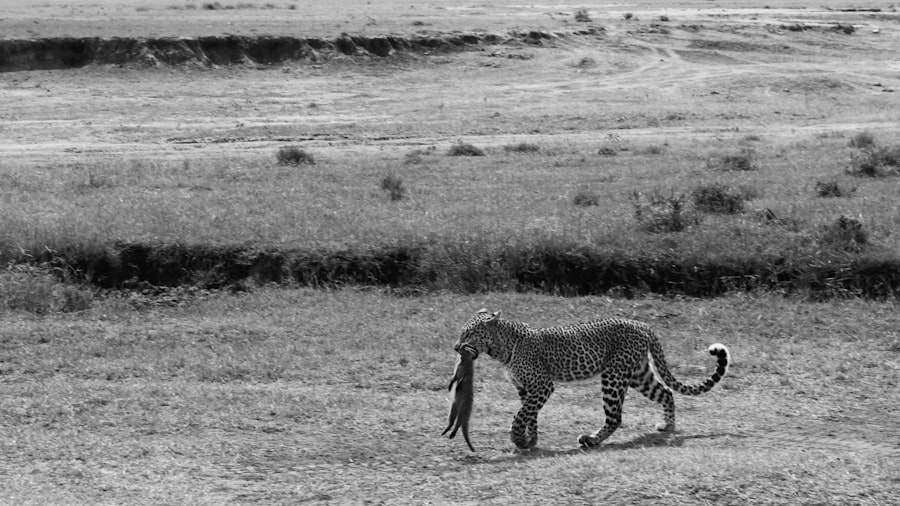
As the age of dinosaurs drew to a close, the Cenozoic Era dawned, ushering in a period of dramatic climatic fluctuations and the rise of mammals. “Exploring Ancient Ecosystems” shifts its focus to these more recent, yet still alien, landscapes, revealing the evolutionary pathways that led to the world we know today.
The Paleogene Plains: Mammalian Ascendancy
Following the Cretaceous-Paleogene extinction event, the series focuses on the Paleogene period (66 to 23 million years ago), a time when mammals, no longer in the shadow of dinosaurs, rapidly diversified. Viewers witness the evolution of early ungulates, the ancestors of horses, rhinos, and camels, adapting to the expanding grasslands. The documentary illustrates the predatory mammals that emerged, such as the nimravids, often referred to as “saber-toothed cats” from this era, hunting these new herbivorous populations. The changing plant life, from early grasses to more complex forest ecosystems, is a central theme, showcasing the co-evolutionary arms race between plants and herbivores.
The Neogene Continents: Shifting Landscapes and Migrations
The Neogene period (23 to 2.6 million years ago) is characterized by significant geological and climatic changes, including the formation of mountain ranges and the expansion and contraction of ice sheets. The documentary explores the impact of these shifts on the distribution and evolution of species. Viewers witness the development of more modern mammalian forms, including the early hominins in Africa. The series depicts major migration events, as species adapted to new environments or were forced to relocate due to changing conditions. The increasing importance of grasses and the adaptation of grazing animals become prominent themes.
The Pleistocene Ice Ages: Giants and the Dawn of Humanity
The final major segment delves into the Pleistocene epoch (2.6 million to 11,700 years ago), the era of the great ice ages. The documentary brings to life the stark, glacial landscapes inhabited by megafauna such as mammoths, woolly rhinoceroses, and saber-toothed cats. Viewers witness the challenges of survival in these extreme cold environments and the adaptations of these magnificent creatures. Crucially, this section also explores the emergence and early development of Homo sapiens. The series depicts early humans interacting with this megafauna, their evolving tools and hunting strategies, and their increasing technological prowess, laying the groundwork for the Anthropocene.
The Power of Extinction: Shaping Life’s Journey

A recurring and vital theme throughout “Exploring Ancient Ecosystems” is the role of extinction events in shaping the trajectory of life on Earth. The documentary doesn’t shy away from the cataclysmic moments that have periodically reshaped the planet’s biodiversity, but instead uses them to underscore the resilience and adaptability of life.
Mass Extinctions: Turning Points in Earth’s History
The series dedicates specific segments to the major mass extinction events, including the Permian-Triassic extinction (the “Great Dying”), the Cretaceous-Paleogene extinction (which wiped out the non-avian dinosaurs), and others. Through compelling visuals and expert commentary, viewers understand the scale of these losses, but also the opportunities they presented for newly emerging groups of organisms to flourish. The documentary highlights how extinction isn’t just an ending, but a catalyst for new beginnings, paving the way for the evolution of novel forms and ecosystems.
Gradual Extinctions: The Slow Erosion of Biodiversity
Beyond the dramatic mass extinction events, the documentary also subtly emphasizes the ongoing, gradual process of extinction. It shows how subtle environmental changes, competition, or the introduction of invasive species can lead to the slow decline and eventual disappearance of species. This aspect serves as a poignant reminder of the fragility of ecosystems and the importance of conservation efforts in the present day, drawing a parallel between the past and the potential future.
In exploring the fascinating world of ancient ecosystems, one might find it intriguing to delve into how early innovations shaped human history. A related article discusses the transformative inventions that have influenced civilizations throughout time, highlighting the connection between technological advancements and environmental changes. You can read more about these pivotal developments in the article on lost inventions that changed the course of history. This exploration not only enriches our understanding of the past but also sheds light on the intricate relationship between humanity and the ecosystems we inhabit.
Lessons from the Lost Worlds: Echoes for the Future
| Documentary Title | Release Year | Duration | Main Topic |
|---|---|---|---|
| Ancient Ecosystems | 2020 | 60 minutes | Prehistoric environments and creatures |
“Exploring Ancient Ecosystems: A Documentary Journey” is more than just an educational program; it is a powerful testament to the long, complex, and often turbulent history of life on our planet. By meticulously reconstructing these lost worlds, the documentary offers invaluable insights into the forces that govern evolution and the delicate balance of ecosystems.
Understanding Evolutionary Processes: A Living Textbook
The series serves as a living textbook, illustrating fundamental evolutionary principles in action. Viewers witness the mechanisms of natural selection, adaptation, and speciation played out across geological timescales. The documentary demystifies complex scientific concepts, making them accessible and engaging through compelling storytelling and visual representations, fostering a deeper understanding of biology and the interconnectedness of all living things.
The Fragility of Ecosystems: A Warning and a Hope
Perhaps the most profound lesson derived from this documentary journey is the inherent fragility of ecosystems. By showcasing the rise and fall of countless species and the dramatic transformations of Earth’s environments, the series underscores the delicate balance required for life to thrive. It serves as a powerful, implicit warning about the impact of human activities on current biodiversity and a beacon of hope, demonstrating that life, though vulnerable, possesses an extraordinary capacity for resilience and adaptation. The echoes of these ancient ecosystems resonate with us today, urging us to protect the natural world that has taken billions of years to evolve.

Scientists Found an Ice Age Texas That Shouldn’t Exist
FAQs
What is an ancient ecosystem documentary?
An ancient ecosystem documentary is a film or video production that explores and showcases the ecosystems and environments of the past, including the plants, animals, and geological features that existed during ancient times.
What are the benefits of watching an ancient ecosystem documentary?
Watching an ancient ecosystem documentary can provide viewers with a deeper understanding of the Earth’s history, the evolution of life on our planet, and the interconnectedness of different species and environments. It can also inspire a greater appreciation for the natural world and the importance of conservation.
How are ancient ecosystem documentaries created?
Ancient ecosystem documentaries are typically created through a combination of scientific research, computer-generated imagery (CGI), expert interviews, and on-location filming in areas with preserved ancient ecosystems. Researchers and scientists often collaborate with filmmakers to ensure accuracy and authenticity in the portrayal of ancient environments.
What are some examples of ancient ecosystems that have been featured in documentaries?
Examples of ancient ecosystems that have been featured in documentaries include the Mesozoic era with its dinosaurs and prehistoric plants, the ancient forests of the Carboniferous period, the ice age landscapes of the Pleistocene epoch, and the diverse marine life of the Cambrian period.
Where can I watch ancient ecosystem documentaries?
Ancient ecosystem documentaries can be found on streaming platforms, educational websites, and through documentary film distributors. They may also be available for purchase or rental on DVD or Blu-ray. Additionally, some television networks and channels may broadcast ancient ecosystem documentaries as part of their programming.